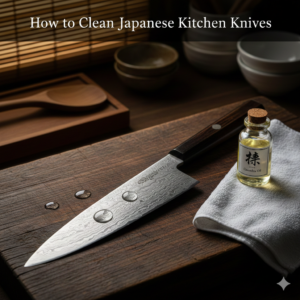
A simple knife care guide keeps blades sharp, safe, and long-lasting with basic daily habits.
I’ve spent years testing knives in professional and home kitchens, and this knife care guide brings practical, proven steps to keep your blades ready. Read on for clear routines, sharpening techniques, cleaning tips, and easy schedules that make knife care fast and reliable. This guide blends experience, expert tips, and simple tools so you can protect your knives and get better cutting results every day.

Why proper knife care matters
Good knife care preserves edge life, keeps food safe, and lowers replacement costs. A proper knife care guide helps you avoid injuries, rust, and dull blades that ruin food texture. Treating knives well also improves cooking speed and accuracy.
Source: knifewear.com
Basic knife care essentials
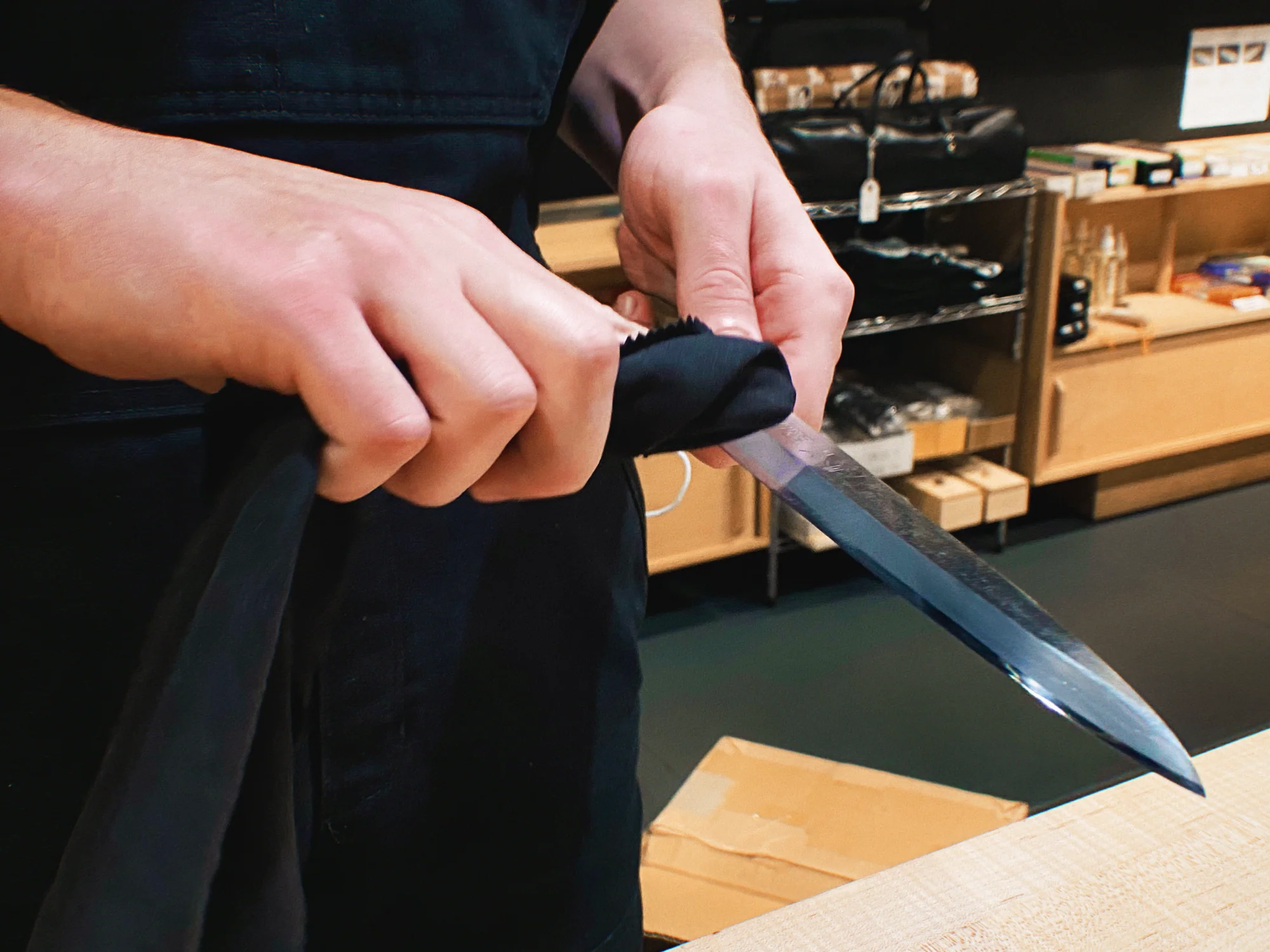
Start with a short daily routine. Clean knives after each use with warm water and mild soap. Dry them fully and store them safely to avoid nicks and corrosion.
- Wash by hand only. Dishwashers damage edges and handles.
- Dry immediately. Water causes rust, especially on carbon steel.
- Store safely. Use a block, magnetic strip, or sheath to protect edges and hands.

Source: stahlkitchens.com
Sharpening and honing: difference and how-to
Honing straightens an edge; sharpening removes metal to form a new edge. Hone often and sharpen when the blade feels dull. Proper technique makes a major difference in edge life.
Step-by-step sharpening on a whetstone:
- Soak the stone if required. Keep a stable surface.
- Hold the blade at a consistent angle, usually 15–20 degrees.
- Push the blade across the stone from heel to tip in one smooth motion.
- Repeat evenly on both sides until sharp.
- Finish on a finer grit and then hone.
Safety tips:
- Keep fingers behind the edge.
- Use light, even pressure.
- Test sharpness safely by slicing paper or shaving a small bit of hair.
People also ask:
- How often should I sharpen? Sharpen when honing no longer restores the edge, often every few months for home cooks.
- Is a honing rod the same as a sharpener? No. A honing rod realigns the edge; it does not remove metal like a sharpener.
Source: youtube.com
Deep cleaning and stain removal
Sometimes knives need more than soap and water. Use simple, safe methods to remove rust, stains, and stuck food without harming the blade.
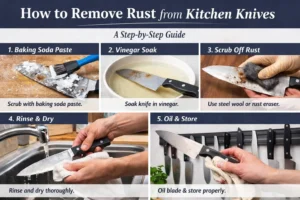
- For rust spots, make a paste of baking soda and water. Rub gently with a soft cloth.
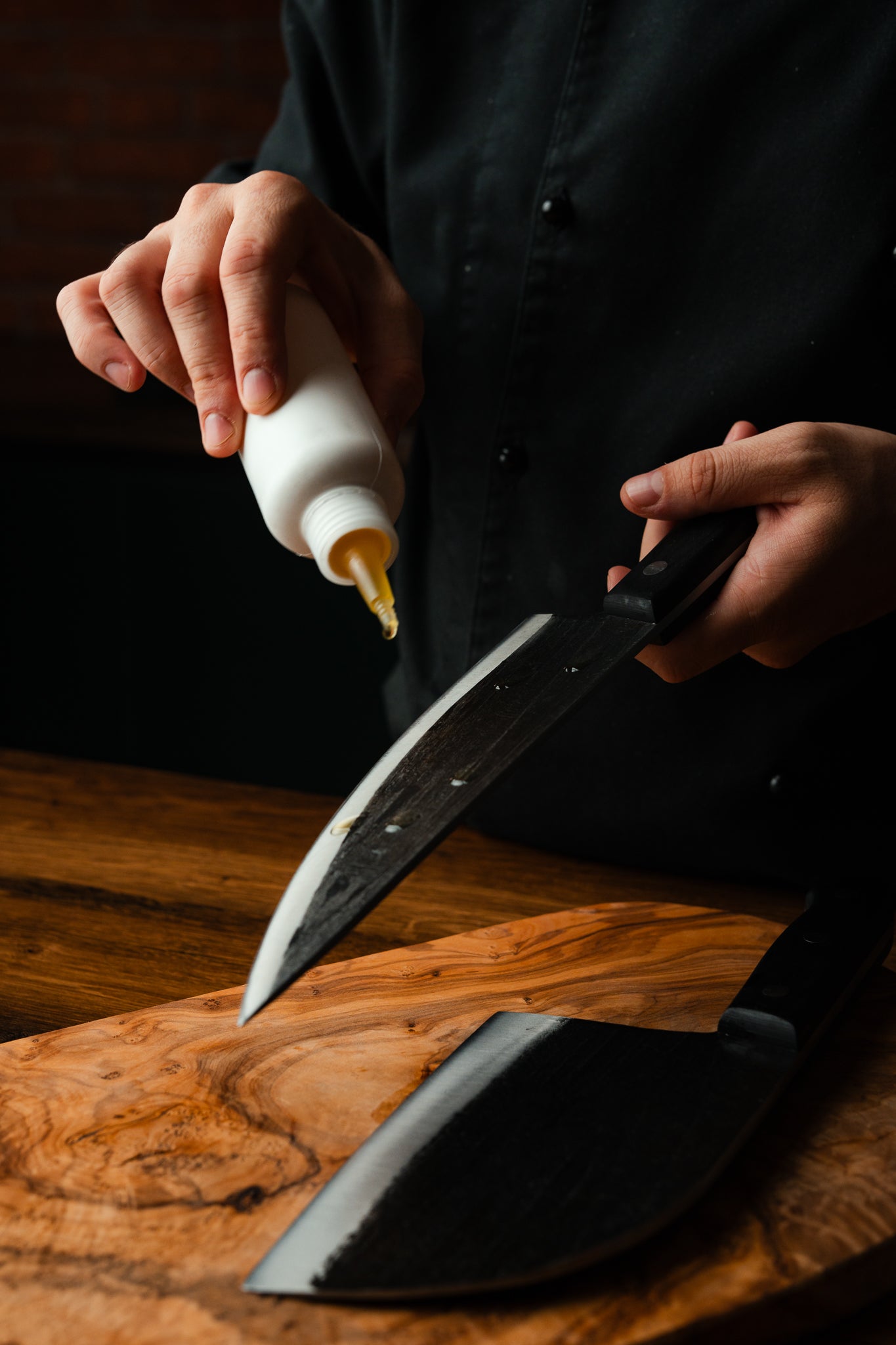
- For stubborn stains, soak briefly in vinegar, then rinse and oil.
- Avoid abrasive pads and harsh acids that strip coatings or scratch the blade.
After deep cleaning, apply a thin coat of food-grade mineral oil to carbon steel to prevent rust. For stainless blades, light oiling still helps long-term.
Source: koiknives.com
Storage and protection
Proper storage protects blade edges and keeps your kitchen safe. The right choice depends on space, knife quality, and how often you cook.
- Magnetic strip. Keeps blades visible and easy to grab; mount away from heat.
- Knife block. Protects edges but clean inside regularly to avoid moisture.
- Drawer insert or sheath. Best for small spaces and travel; prevents jostling.
Avoid tossing knives loose in drawers. That dulls edges and risks cuts.
Source: thenikosknife.com
Handling, cutting surfaces, and usage tips
What you cut on and how you hold a knife matters for care. Choose surfaces that preserve edges and learn safe handling to reduce damage.
- Use wood or plastic cutting boards. They are forgiving on edges.
- Avoid glass, ceramic, granite, or metal surfaces that chip or dull knives.
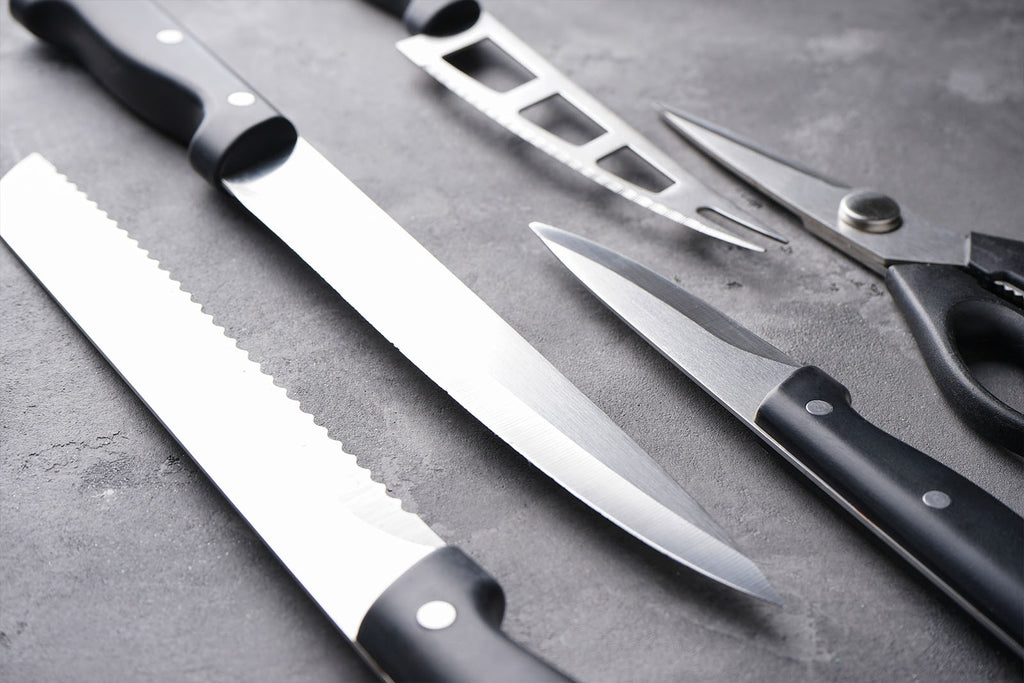
- Use the right knife for the job. Chop with a chef’s knife, saw with a serrated knife, and cleave bone with a cleaver.
Practice a steady grip. A clean technique keeps the blade’s point and edge from accidental hits.
Source: seisukeknife.com
Maintenance schedule and checklist
A simple schedule keeps knife care manageable and effective. Consistent steps prevent major repairs.
Daily:
- Wash, dry, and store after each use.
Weekly: - Hone before heavy chopping or weekly for frequent cooks.
Monthly: - Inspect for rust, loose handles, or nicks.
Every few months: - Sharpen with a stone or send to a pro as needed.
Print or save a short checklist and follow it after busy nights. Small habits pay off.

Source: knifemaking.com
Common mistakes and how to avoid them
Many knife problems come from a few repeated errors. Fix these to extend blade life.
- Putting knives in the dishwasher damages edges and handles. Hand wash instead.
- Cutting on hard surfaces chips edges. Switch to wood or plastic.
- Over-sharpening removes metal unnecessarily. Sharpen only when needed.
- Neglecting handle care leads to loosening. Tighten or repair handles early.
Learn from these mistakes to keep your knives in top shape.

Source: zahocho.com
Knife care for different blade materials
Different blades need different care. This knife care guide covers common materials so you can adjust your routine.
- Stainless steel. Low rust risk, but still dulls. Easy to care for and resists staining.
- Carbon steel. Very sharp and easy to sharpen, but prone to rust and patina. Oil regularly.
- Ceramic. Holds edge long but chips easily and needs special sharpening tools.
- Coated blades. Avoid abrasive cleaners that remove the coating.
Match your maintenance steps to the blade type for best results.
Tools and products to own
A few good tools make knife care easier and more reliable. Choose quality and keep tools clean.
- Whetstone set (coarse and fine grit) for full sharpening.
- Honing rod for frequent alignment.
- Cutting boards made of wood or plastic.
- Chef’s towel and soft cloths for drying.
- Food-grade mineral oil for carbon steel.
- Leather strop for final polishing if you like a razor edge.
Investing in these items saves money on replacements later.
Personal experience and lessons learned
I once ruined a favorite chef’s knife by leaving it in the sink overnight. The blade rusted and needed grinding. That taught me to dry and oil knives immediately.
I learned to use a whetstone by practicing on cheap blades first. Slow, consistent strokes beat speed. A steady angle became my best tool for creating a sharp, durable edge.
These small lessons shape this knife care guide. They make maintenance simple and effective.
People also ask — quick answers
Q: How long should a sharp edge last?
A: With regular honing and proper use, an edge can stay sharp for weeks. Heavy use or cutting hard materials shortens that time.
Q: Can I use vegetable oil on knives?
A: Vegetable oils can go rancid. Use food-grade mineral oil for long-term protection instead.
Q: Is professional sharpening worth it?
A: Yes, once or twice a year for high-end knives keeps the geometry perfect and avoids excessive material loss.
Frequently Asked Questions of knife care guide
How often should I hone my knives?
Hone before each heavy cooking session or at least once a week for regular cooks. Honing keeps the edge aligned and extends time between sharpenings.
Can I sharpen a knife at home safely?
Yes, with practice and the right tools you can sharpen at home. Start with a whetstone and follow angle and safety steps carefully.
Is it okay to use the dishwasher for knives?
No, dishwashers damage edges and handles and expose blades to harsh detergents. Hand wash and dry knives instead.
What is the best cutting board to use?
Wood and high-quality plastic boards are best for edges. They are gentle and easy to sanitize.
How do I remove rust from a knife?
Make a baking soda paste and rub gently, or soak briefly in vinegar then rinse and oil. Avoid harsh abrasives that can scratch or thin the blade.
When should I replace a knife?
Replace when the blade has deep chips, the geometry is lost, or the handle is unsafe. Proper care delays replacement for years.
Conclusion
Good knife care is a small habit with big results. Follow this knife care guide for cleaning, honing, sharpening, and safe storage to keep blades sharp, safe, and long-lasting. Start today: set a simple routine, get basic tools, and protect your knives with regular care. Share your questions or tips below, or subscribe for more practical kitchen guides.

Maliha Akter is a kitchen knife reviewer and food preparation specialist with over 6 years of experience testing Japanese kitchen knives and everyday cooking tools. She focuses on performance, safety, durability, and real-world usability to help home cooks choose the right knives for efficient and enjoyable cooking.
Expertise:Japanese Knives • Vegetable Knives • Product Reviews • Kitchen Efficiency • Knife Care