Knife care tools keep edges sharp, rust-free, and safe for daily use.
I have spent years testing and teaching knife maintenance for home cooks and pros. This guide breaks down the best knife care tools, why each one matters, and how to use them safely. You will learn which knife care tools to buy, how to maintain different steels, and step-by-step routines you can follow today. Read on to protect your knives, extend their life, and sharpen your skills with clear, practical advice.

Essential knife care tools and what they do
Knowing the right knife care tools makes maintenance quick and safe. Below are the must-have items for any kitchen or workshop.
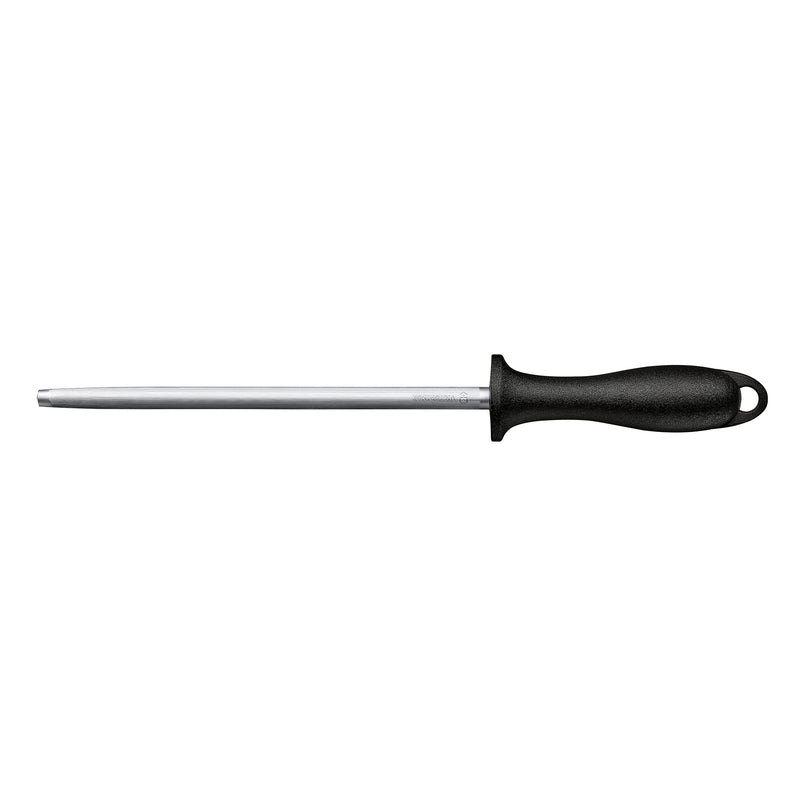
Honing rod
- Real use: straightens the edge between sharpening sessions.
- Notes: Use a ceramic or steel rod. Do not expect major metal removal.
Sharpening stones
- Real use: re-profiles and sharpens a dull edge.
- Types: water stones, oil stones, diamond stones.
- Grits: coarse (200–600), medium (800–2000), fine (>3000).
Leather strop
- Real use: polishes the edge and removes the burr for a razor finish.
- Best for: finishing after stones or polishing straight razors.
Pull-through and electric sharpeners
- Real use: fast sharpening with guided angles.
- Caution: Can remove a lot of metal if misused; use the right model for your knives.
Angle guides and jigs
- Real use: keep a consistent angle while sharpening.
- Who needs them: beginners and those re-profiling blades.
Cleaning tools
- Microfiber cloths: wipe and dry blades.
- Soft brush and mild detergent: remove food residue safely.
- Rust erasers: remove light corrosion without heavy grinding.
Storage and protection
- Magnetic strips: keep knives accessible and dry.
- Knife blocks and sheaths: protect edges during storage.
- Edge guards: protect blade and fingers during storage or transport.
Rust prevention and care
- Food-safe oils: protect carbon-steel knives.
- Desiccant packs: reduce moisture in storage drawers.
Safety gear
- Cut-resistant gloves: use while sharpening or cleaning.
- Non-slip mats: stabilize stones and countertops.
Measuring and testing tools
- Edge testers or paper: check sharpness.
- Small calipers: measure bevel angles if re-profiling.
These knife care tools cover daily upkeep and deep restoration. Choose quality tools to avoid long-term harm to your blades.

How to choose the right knife care tools
Picking the right knife care tools depends on the knives you own and how you use them. Ask simple questions first.
What metal are your knives made of?
- Carbon steel needs rust prevention. Stainless resists corrosion but still benefits from care.
- Very hard steels may need diamond stones or professional sharpening.
How often do you cook?
- Daily cooks need quick tools: honing rod, strop, microfiber cloth.
- Occasional cooks may prefer a single all-in-one electric sharpener.
How much do you want to learn?
- Want a skill-building path? Invest in water stones, angle guides, and a strop.
- Want easy results? Pick a reputable pull-through or electric sharpener.
What is your budget?
- Starter kit: affordable honing rod, ceramic sharpener, and edge guards.
- Long term: mid-range stones, strop, and good storage keep knives performing better.
Safety and space
- If space is limited, choose compact tools like foldable strops and pull-through sharpeners.
Practical tip: buy one good sharpening stone and a strop first. You will use them often. Over time, add a finer stone and an angle guide.
Step-by-step knife maintenance routine
A simple weekly routine keeps knives healthy. Follow these short, repeatable steps.
Clean after each use
- Wash with warm water and mild soap.
- Dry immediately with a microfiber cloth.
Quick hone before cooking
- Use a honing rod to realign the edge.
- Swipe each side 4–6 times at the correct angle.
Sharpen when needed
- Use a sharpening stone or guided sharpener when the blade resists cutting.
- Coarse grit for chips or very dull edges. Finish with medium and fine grits.
Strop for a mirror edge
- Use a leather strop with polishing compound.
- Pull the blade away from the edge to remove the burr.
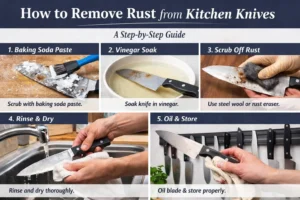
Protect from rust
- Apply a light coat of food-safe oil on carbon steel knives.
- Store in a dry place with good airflow.
Store safely
- Use a magnetic strip, block, or sheath.
- Avoid loose storage in drawers without protection.
Inspect regularly
- Check the handle, rivets, and blade for damage.
- Repair or retire tools that show serious wear.
This routine uses common knife care tools and takes 5–15 minutes for most knives. Consistency beats intensity. Small steps add up.

Sharpening methods and tools compared
Different tools produce different results. Match the tool to your needs.
Water stones
- Pros: fast, precise, good finish.
- Cons: need soaking or lubrication; a learning curve.
Diamond stones
- Pros: fast cutting, work on hard steels, low maintenance.
- Cons: can be aggressive and expensive.
Oil stones
- Pros: steady cutting, durable.
- Cons: slower and messy from oil.
Ceramic rods and stones
- Pros: good for light sharpening and touch-ups.
- Cons: slow on very dull or damaged edges.
Electric sharpeners
- Pros: fast and user-friendly.
- Cons: can remove a lot of metal; angle choices matter.
Pull-through sharpeners
- Pros: easy and fast.
- Cons: limited angle control; can wear edges unevenly.
Leather strop
- Pros: best for finishing; brings out a razor edge.
- Cons: not for major metal removal.
Choosing the right tool depends on blade steel, edge damage, and your skills. I often use a medium water stone for major sharpening, then finish on a strop. That combo keeps edges keen and saves metal.

Safety, common mistakes, and troubleshooting
Safety must be part of every knife care routine. Avoid these common errors.
Mistake: Over-sharpening
- Result: shortens blade life by removing too much steel.
- Fix: stop when the edge cuts paper or a tomato cleanly.
Mistake: Wrong angle
- Result: weak edge or uneven bevels.
- Fix: use angle guides or a consistent hand position. Most kitchen knives use 15–20 degrees per side.
Mistake: Using rough tools for fine work
- Result: scratchy edge and poor polish.
- Fix: follow coarse-to-fine grits.
Mistake: Skipping drying and oiling
- Result: rust on carbon steel.
- Fix: dry immediately and oil if needed.
Safety tips
- Wear a cut-resistant glove when learning.
- Keep stones stable with a non-slip mat.
- Pull the blade away from the body while stropping.
Troubleshoot: If a knife chips, start with a coarse diamond or coarse stone and re-profile the bevel. If the edge feels dull but looks sharp, strop. If a knife squeaks on wood, it may be too sharp; reduce the polish.

Personal experience and practical tips
I sharpen knives for friends and restaurants. Over time I learned three core truths.
Consistency beats fancy tools
- I once spent on an expensive electric sharpener. It worked, but daily honing and a strop kept knives in better shape with less cost.
Start slow and learn angles
- My early blades got ruined by aggressive grinding. Learning to feel the burr took weeks. Now I can sharpen a chef’s knife in 10 minutes.
Protect rather than repair
- Cheap storage almost ruined a 50-dollar blade. Edge guards and a simple magnetic strip saved me from many re-grinds.
Practical tips I use daily
- Mark a notebook: record sharpening dates and methods for each knife.
- Use a 1,000-grit stone as a workhorse; add a 4,000–8,000 for finish.
- Keep a small strop near the prep area for quick touch-ups.
These lessons came from mistakes. You can skip them by starting with the right knife care tools and routine.

Frequently Asked Questions of knife care tools
What is the difference between honing and sharpening?
Honing realigns the blade edge without removing much metal. Sharpening removes metal to form a new edge and is needed less often.
How often should I use knife care tools?
Hone before or during heavy use. Sharpen when the blade stops slicing easily, typically every few months for home cooks.
Can I use the same stone for all knives?
You can if the stone has multiple grits. Very hard steels may cut slowly on some stones, so a diamond stone helps with those.
Are electric sharpeners bad for knives?
Not necessarily. Good electric sharpeners work well. Cheap models can remove too much metal. Use them carefully and follow the maker’s instructions.
How do I prevent rust on carbon steel knives?
Dry knives immediately after washing. Apply a thin coat of food-safe oil and store in a dry place.
Should I strop a ceramic blade?
No. Ceramic blades are hard and brittle. They need diamond abrasives, not a leather strop.
Is a honing rod needed if I sharpen often?
Yes. A honing rod keeps the edge aligned and reduces how often you must sharpen. It is a quick upkeep tool.
Conclusion
Good knife care tools make knife ownership rewarding and safe. Use the right tools for cleaning, honing, sharpening, stropping, and storage. Start with a honing rod, a mid-grit stone, and a leather strop. Be consistent and gentle. That approach will save money and keep your knives performing well.
Take action today: pick one new tool from this list and add it to your routine. Share your experience or questions in the comments and subscribe to stay updated on practical knife care tips.

Maliha Akter is a kitchen knife reviewer and food preparation specialist with over 6 years of experience testing Japanese kitchen knives and everyday cooking tools. She focuses on performance, safety, durability, and real-world usability to help home cooks choose the right knives for efficient and enjoyable cooking.
Expertise:Japanese Knives • Vegetable Knives • Product Reviews • Kitchen Efficiency • Knife Care