Wash by hand with mild soap, rinse, sanitize if needed, dry fast, then store.
Why a daily routine matters
A sharp knife is only as good as its care. Water, acid, and time can dull an edge fast. Food bits also trap bacteria. A simple knife cleaning daily routine keeps your tools clean, safe, and ready.
Think of it like brushing your teeth. It takes a minute, but it saves you from bigger issues. You get fewer chips, less rust, and a longer blade life. That means better cuts and less waste in the kitchen.
Public health guidance also points to regular cleaning and sanitizing to prevent cross-contamination. That is vital after raw meat, fish, or eggs. A short, steady routine does the job without drama.

Source: livegreenspdx.com
What you need on the counter
Keep a small kit by the sink. You will be faster and more consistent. A good knife cleaning daily routine starts with the right tools.
- Mild dish soap for grease and food proteins.
- Soft sponge or non-scratch scrub pad to protect the edge.
- Microfiber towel for fast, streak-free drying.
- Paper towels for quick wipe downs when you are in a rush.
- 70% isopropyl alcohol spray or a mild bleach solution for sanitizing. Use about 1 tablespoon of unscented bleach per gallon of water. Rinse after.
- Food-safe mineral oil for carbon steel blades and wood handles.
- A rubber mat or drying rack to keep knives off wet counters.

Source: kireaji.ca
The step-by-step knife cleaning daily routine
Do this every time you finish prep. It takes about two minutes. Your future self will thank you.
- Clear and wipe
Sweep off scraps with a bench scraper. Rinse the blade under warm water to remove loose bits. - Wash by hand
Add a drop of dish soap to a soft sponge. Wipe from spine to edge, heel to tip, with strokes away from your hand. Clean the handle and bolster area too. - Rinse and inspect
Rinse well with warm water. Check for stuck-on protein near the heel and along the edge. Re-wash if needed. - Sanitize when it counts
After raw meat, fish, or eggs, spray 70% alcohol or use the dilute bleach solution. Let it sit for about 60 seconds. Rinse with clean water. - Dry right away
Pat dry with a microfiber towel. Pay attention to the edge and the handle seam. No air drying on a wet rack. - Oil if needed
For carbon steel, add a thin coat of food-safe mineral oil. Wipe off the extra until it feels dry. Oil wood handles once a week. - Store safely
Use a magnetic strip, a slotted block, or edge guards. Do not toss knives in a drawer. The edge will thank you. - End-of-day reset
Wipe your honing rod clean with a soapy sponge. Dry it. A clean rod keeps your edge honest.
Use this knife cleaning daily routine and you will see better performance in days. It is a small habit with big gains.

Source: laurenscruggskennedy.com
Food safety and sanitizing basics
Bacteria love warm, wet places. A blade with food smears is a perfect spot. That is why a daily routine matters for safe kitchens. Simple steps stop cross-contamination.
- Use separate boards for meat and produce to limit risk.
- Sanitize after raw proteins. Alcohol at 70% works well. So does a mild bleach solution. Give it about a minute of contact time.
- Rinse and dry after you sanitize. This protects steel and removes residue.
Avoid the dishwasher. High heat, harsh detergent, and spray impacts can pit steel and crack handles. Reputable tests and maker warnings agree on this point. Hand wash is faster and safer.
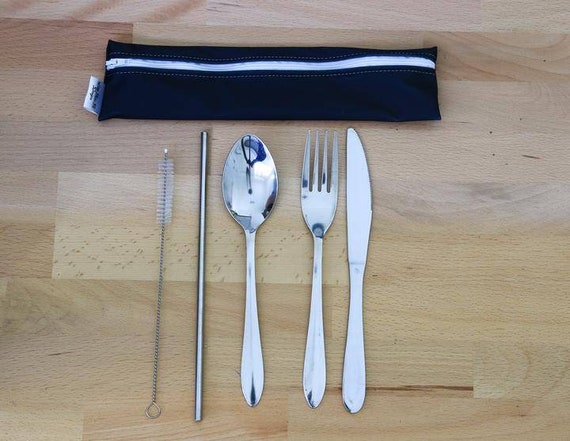
Source: etsy.com
Material-specific care
Different blades need different care. Your knife cleaning daily routine should match the steel and the handle.
- Stainless steel
Resists rust but still stains if left wet. Wash, rinse, and dry fast. Bar Keepers Friend can remove light tarnish. Rinse well. - Carbon steel
Reacts to acid and water. A dark patina is normal and helpful. Dry at once and add a thin oil coat. Avoid bleach on carbon steel. - Ceramic
Very hard but brittle. Use a soft sponge only. No scraping. Store with an edge guard. - Nonstick or coated blades
Use soft sponges. Avoid abrasives. Dry well to protect the coating. - Wood handles
Do not soak. Wipe and dry. Oil weekly with mineral oil or board cream.

Source: trueknife.com
Drying and storage that prevent rust and chips
Drying is not a formality. It prevents rust and keeps handles tight. Store smart to protect edges and hands.
- Dry with a clean microfiber towel. Get the heel and the spine.
- Stand the knife on a dry mat for one minute if you need air flow, then store.
- Store on a magnetic strip with the spine landing first. Or use a block or edge guards.
- Add silica gel packs to a drawer or block if your kitchen is humid.
Build this into your knife cleaning daily routine. It reduces stains and keeps edges crisp.

Source: dailycarryco.com
Weekly deep clean and reset
Daily care keeps things steady. A short weekly reset keeps your kit like new. It pairs well with your knife cleaning daily routine.
- Remove tarnish on stainless with a gentle cleanser. Rinse and dry.
- Lift light rust on carbon steel with a rust eraser or baking soda paste. Rinse, dry, and oil.
- Scrub the bolster and handle junction with a soft brush.
- Clean your magnetic strip and knife block. Crumbs attract moisture.
- Wash and dry your sheaths or edge guards.
This takes 10 minutes and fixes little problems before they grow.

Source: trueknife.com
Common mistakes to avoid
These slip-ups can undo your hard work. Here is what to skip and what to do instead.
- Dishwasher use
Do not do it. Hand wash in under a minute instead. - Soaking knives
Soaking swells handles and rusts steel. Wash and dry right away. - Abrasive pads on edges
They dull and scratch. Use soft sponges only. - Leaving knives wet on racks
Traps water under the edge. Pat dry and store. - Scrubbing across the edge
Wipe from spine to edge, away from your hand. It is safer and kinder to the blade.
These small fixes make any knife cleaning daily routine safer and faster.

Source: amazon.com
Troubleshooting stains, smells, and spots
Stuff happens. Here is how to recover fast without harm to your blade.
- Orange rust specks
Rub gently with a rust eraser or baking soda paste. Rinse, dry, and oil. Keep the area dry going forward. - Rainbow or cloudy film
This is often mineral or detergent residue. Wash with warm soapy water, rinse, then wipe with diluted vinegar. Rinse again and dry. - Onion or garlic smell
Wash with soap. Then wipe with a lemon slice or a baking soda paste. Rinse and dry. - Sticky protein near the heel
Use warm water and a drop of soap. Let it sit 30 seconds. Wipe with a soft sponge. - Small black dots on carbon steel
Normal patina. If you do not like the look, polish lightly. Keep a thin oil coat after cleaning.
Build fixes like these into your knife cleaning daily routine so small issues stay small.
My field notes from busy kitchens
I learned this the hard way in a dinner rush. I left a carbon steel chef’s knife damp on a towel. By service end, tiny rust freckles showed up. Since then, my knife cleaning daily routine includes a 10-second oil wipe. No freckles since.
Another tip that saves time: keep a spray bottle of 70% alcohol near the board. After raw chicken, I spray, wait a minute, rinse, and dry. It is faster than mixing a fresh solution each time and fits into a tight prep flow.
Last, I clean my honing rod nightly. When I skipped that, edges felt dull sooner. A clean rod adds weeks between real sharpening. That small step is now part of my knife cleaning daily routine every day.
Frequently Asked Questions of knife cleaning daily routine
How often should I clean my knife during a cook?
Clean anytime you switch from raw proteins to ready-to-eat food. Wipe between tasks to keep the edge clear and prevent cross-contamination.
Can I put my knives in the dishwasher if they are “dishwasher safe”?
I would not. Heat, detergent, and banging can ruin edges and handles. Hand washing is faster and safer.
What is the best sanitizer for home use?
Use 70% isopropyl alcohol spray or a mild bleach solution. Give it about 60 seconds of contact time, then rinse and dry.
Do I need to oil stainless steel knives?
Not daily. But a light oil coat helps before long storage or in humid homes. Oil carbon steel more often.
How do I prevent rust on carbon steel?
Dry right away and add a thin film of food-safe mineral oil. Avoid long exposure to acid and do not leave the blade wet.
Will vinegar damage my knife?
Diluted vinegar can remove film on stainless fast. Rinse right away and dry. Keep vinegar short and gentle on carbon steel.
How often should I sharpen if I follow a daily routine?
With good care and light honing, many home cooks sharpen every 2–3 months. Heavy use may need monthly sharpening.
Conclusion
A smart knife cleaning daily routine is short, simple, and powerful. Wash by hand, sanitize when needed, dry fast, and store well. Match care to your blade material, and add a weekly reset to stay ahead of stains and rust.
Start today with one change: dry your knife the moment you rinse it. Then add the rest over the week. If you found this helpful, subscribe for more practical kitchen care tips or drop a question in the comments so we can sharpen your routine together.

Maliha Akter is a kitchen knife reviewer and food preparation specialist with over 6 years of experience testing Japanese kitchen knives and everyday cooking tools. She focuses on performance, safety, durability, and real-world usability to help home cooks choose the right knives for efficient and enjoyable cooking.
Expertise:Japanese Knives • Vegetable Knives • Product Reviews • Kitchen Efficiency • Knife Care