A practical, expert knife guide to choose, care for, and sharpen knives safely.
I have spent years testing blades in kitchens and outdoors. This knife guide combines research and hands-on experience to help you pick the right knife, sharpen it well, and keep it safe. Read on for clear steps, real tips, and smart buying advice to use every knife with confidence.
Why a knife guide matters
A good knife guide saves time and keeps you safe.
Knives are tools you use every day. The right knife makes food prep faster. The wrong knife causes frustration and accidents. This knife guide explains types, anatomy, care, and buying tips. It brings real experience and clear advice so you can make smart choices.
Types of knives and their uses
Knowing knife types helps you match tool to job. This part of the knife guide lists common blades and uses.
- Chef's knife — Multiuse for chopping, slicing, and dicing. Ideal for most home cooks.
- Santoku — Shorter, lighter, good for precise slicing and Asian-style prep.
- Paring knife — Small blade for peeling, trimming, and small tasks.
- Bread knife — Serrated edge for crusty bread and soft interiors.
- Boning knife — Narrow, flexible blade for removing meat from bone.
- Carving knife — Long, thin blade for slices of meat and poultry.
- Utility knife — Mid-size, for sandwiches or small cuts.
- Cleaver — Heavy blade for chopping bones and tough items.
- Fillet knife — Flexible, thin for fish filleting.
- Pocket and EDC knives — For everyday carry and light tasks outdoors.
This knife guide helps you choose which of these knives fits your life and kitchen.

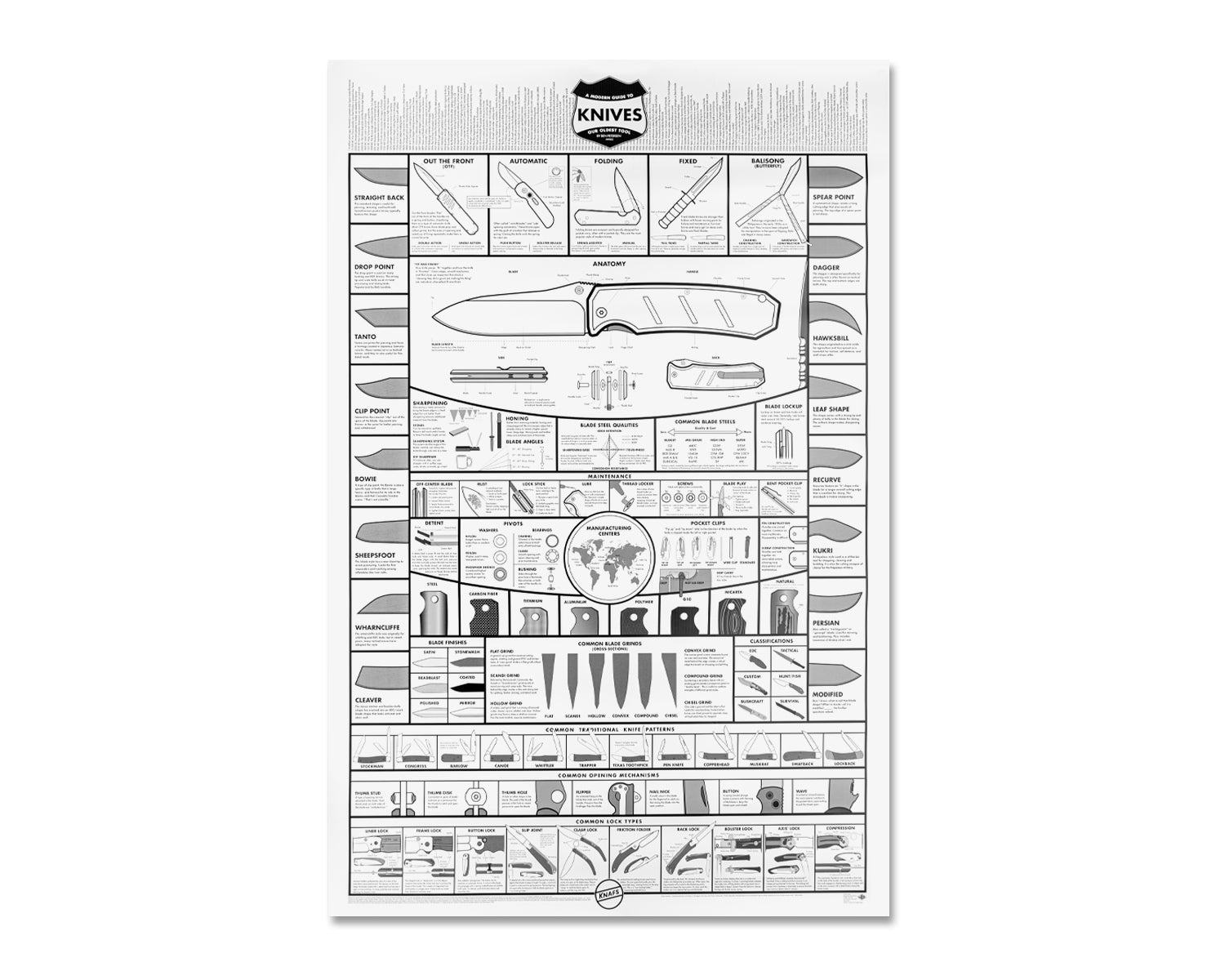
Knife anatomy and materials
Understanding parts of a knife helps you buy wisely. This knife guide covers the basics.
- Blade — The cutting surface. Steel type affects sharpness and care.
- Edge — The sharpened line. Edge geometry affects performance.
- Spine — Top of the blade for strength and control.
- Heel — Rear of blade for forceful cuts.
- Tang — Extension of the blade into the handle; full tang improves balance.
- Bolster — Thick area near handle; adds balance and finger protection.
- Handle — Material affects grip, hygiene, and comfort.
Common blade materials:
- Stainless steel — Low rust risk, easy care, wide variety.
- High-carbon steel — Excellent edge retention, needs more care to avoid rust.
- High-carbon stainless — A hybrid that balances sharpness and corrosion resistance.
- Tool steels (e.g., VG-10, 1095) — High performance, used in many premium blades.
- Ceramic — Keeps edge long but chips easily and is hard to sharpen.
Steel hardness is measured in HRC. Harder steels hold an edge longer. They can be more brittle and harder to sharpen. This knife guide encourages matching steel to your maintenance habits.

How to choose the right knife
Pick a knife that fits your hand and your work. Use this checklist from the knife guide.
- Define use — Cooking, hunting, EDC, or camping? Buy for purpose.
- Test feel — Hold the knife to check comfort and balance.
- Check blade length — 8 inches is common for chef's knives; 6 inches for small kitchens.
- Look at steel — Choose based on care needs and edge retention.
- Inspect tang and handle — Full tang and secure handle scales last longer.
- Budget — Spend where it matters: blade steel and balance over flashy handles.
- Warranty and service — Good brands offer sharpening and repair.
Personal experience: I once bought a light, cheap chef's knife. It bent and needed frequent sharpening. Upgrading to a mid-range high-carbon stainless blade cut prep time in half. Lesson learned: comfort and steel quality matter most. This knife guide pushes you to test before you buy.

Sharpening, honing, and maintenance
Sharp knives are safer and work better. This knife guide explains the tools and steps.
- Honing — Realigns the edge. Do it often with a honing rod.
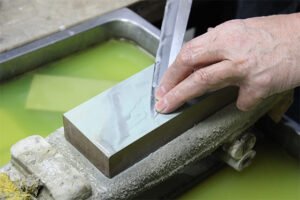
- Sharpening — Removes metal to form a new edge. Use whetstones or guided systems.
- Stones — Coarse to fine grit. Start coarse for dull blades; finish fine for polish.
- Pull-through sharpeners — Fast and easy, but remove more metal. Use sparingly.
- Strop — Leather strop polishes and refines the edge after sharpening.
Basic sharpening steps:
- Soak or prepare stone if needed.
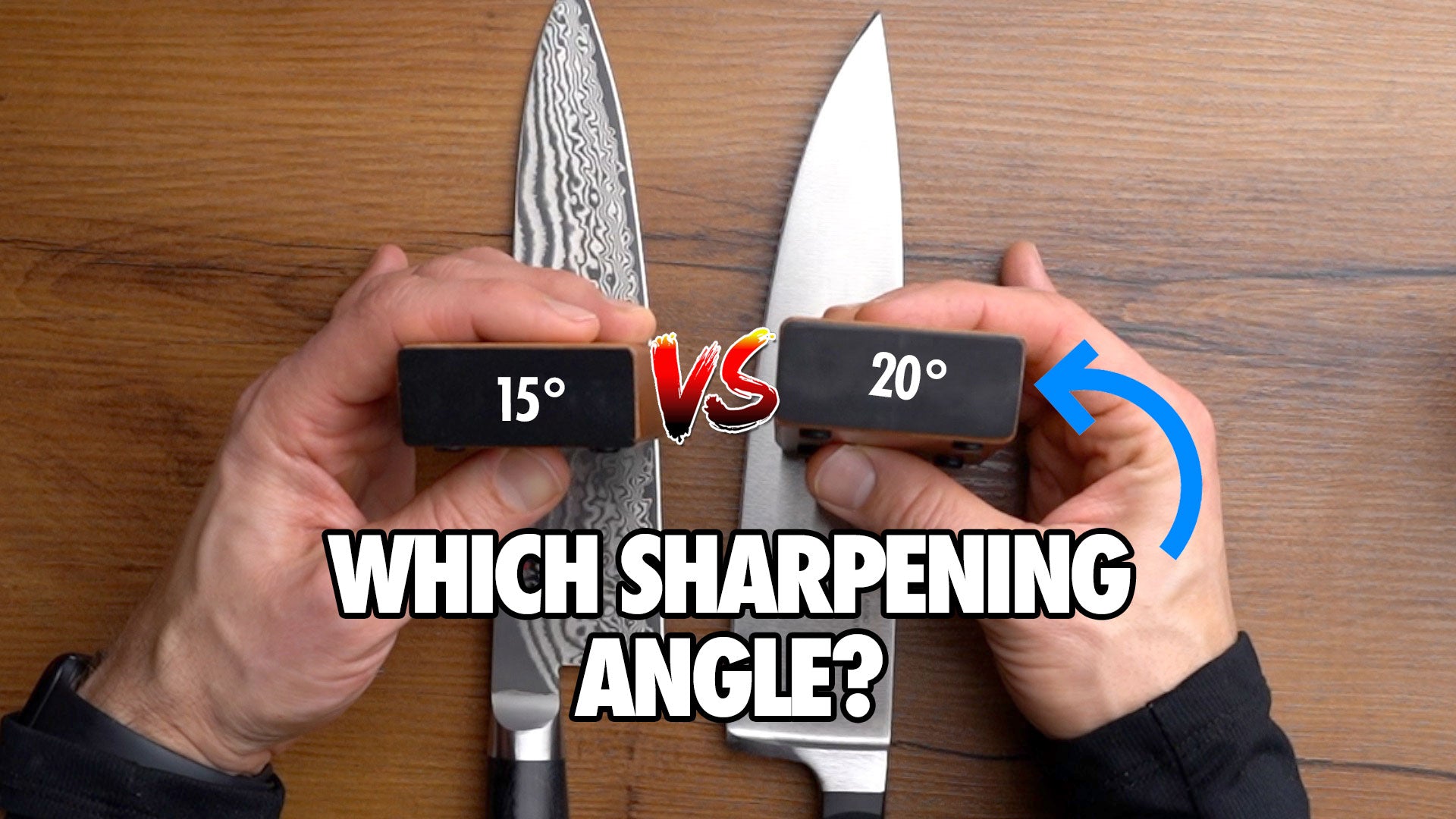
- Find the correct angle (common kitchen angles: 15°–20° per side).
- Move the blade across the stone in consistent strokes.
- Alternate sides and use gradually finer grits.
- Finish on a strop for a razor edge.
Frequency:
- Hone every few uses.
- Sharpen 1–6 times per year depending on use and steel.
Safety tips:
- Secure the stone.
- Keep fingers away from the edge.
- Use slow, controlled motions.
Personal tip: I sharpen on a 1000/4000 grit stone. It gives a good mix of repair and polish. I never use the dishwasher on fine blades. This knife guide stresses regular, small maintenance steps to avoid major edge work.

Safe handling and storage
Safety is core to any knife guide. Store and handle knives to avoid harm.
- Grip — Use a pinch grip on the blade for control in the kitchen.
- Cutting board — Use wood or plastic to protect the edge and reduce slips.
- Storage — Magnetic strips, in-drawer trays, or blocks keep edges safe.
- Sheaths and guards — Protect blades in bags and drawers.
- Carry laws — Check local rules for pocket and fixed-blade knives.
Avoid these risky moves:
- Cutting toward your hand.
- Using glass or stone boards.
- Storing loose knives in a drawer.
A routine: wipe dry after washing, store with a guard, and check the handle each month. This knife guide encourages habits that keep you and your knives safer.

Buying guide: new, used, and brands
Make wise buys with this knife guide checklist and tips.
- New knives — Buy from reputable sellers. Look for warranties and clear specs.
- Used knives — Inspect the edge, handle integrity, and any rust or chips. A good hone can help, but severe damage reduces value.
- Try before you buy — If possible, hold the knife to test balance and comfort.
- Online shopping — Check return policies and detailed photos. Read user reviews for real use feedback.
- Brand tiers — Entry-level, mid-range, and premium. Choose based on use and budget.
Budget guide:
- Under $50 — Basic stainless knives, okay for light use.
- $50–$150 — Better steels and balance. Best value for many cooks.
- $150+ — Premium steels, handmade options, and high-end finishes.
Personal buying tip: I prefer a mid-range chef's knife as a first main buy. It gives long-term value without the steep price of boutique blades. This knife guide favors performance over looks.

Common mistakes and how to avoid them
Learn from errors so you avoid them. This knife guide lists common pitfalls.
- Using the wrong knife — Use a cleaver for bones, not a thin slicer.
- Skipping maintenance — Dull blades are more dangerous and tire you out.
- Dishwasher use — Heat and detergent damage handles and edges.
- Poor storage — Loose blades get nicked or cause injury.
- Wrong board surface — Hard surfaces dull edges fast.
Fixes:
- Match the tool to the job.
- Hone regularly and sharpen as needed.
- Hand wash and dry immediately.
- Store safely and check handles.
I once ruined a fine blade by letting it sit in the sink overnight. I now dry and store knives right away. This knife guide stresses small habits that prevent big problems.
Knife guide for specific uses
Different settings demand different blades. This knife guide gives quick picks.
- Home kitchen — 8-inch chef's knife, paring knife, serrated bread knife.
- Professional kitchen — Add carving and boning knives; invest in high-quality steel.
- Camping and survival — Fixed blade with full tang and sheath.
- Fishing — Fillet knife with high flexibility and corrosion resistance.
- Everyday carry (EDC) — Compact folder with reliable locking mechanism.
Match blade steel and finish to the environment. Saltwater needs corrosion-resistant steel. Cooking in a busy kitchen benefits from easy-to-sharpen steels. This knife guide helps you pick blades for real-world use.
Frequently Asked Questions of knife guide
What is the best knife for home cooks?
A chef's knife around 8 inches is the best all-rounder for home cooks. It handles most tasks from chopping to slicing.
How often should I sharpen my kitchen knives?
Sharpening frequency depends on use and steel. Hone weekly and sharpen a few times a year for typical home use.
Can I put my knife in the dishwasher?
No. Dishwashers dull and can damage both blade and handle. Hand wash and dry knives to extend their life.
What angle should I use when sharpening?
Most kitchen knives use 15°–20° per side. Asian-style knives often use 12°–15°. Check the knife's design and follow the recommended angle.
How do I test if a knife is sharp?
Slice a piece of paper or gently shave a tomato skin. A sharp knife cuts cleanly with little pressure.
Is carbon steel better than stainless steel?
Carbon steel holds an edge longer but rusts easier. Stainless needs less care and resists corrosion. Choose based on maintenance willingness.
Can I sharpen ceramic knives at home?
Sharpening ceramic requires diamond tools or professional service. Many users send ceramic blades to specialists for best results.
Conclusion
This knife guide gives clear steps for choosing, using, and caring for knives. Choose the right blade for the job. Keep it sharp and store it safely. Small habits like honing, proper washing, and testing feel simple. They make your knives last and your work safer. Start by picking one good knife that fits your hand and purpose. Practice care habits for a month and you will notice faster prep and fewer slips. Leave a comment, share your favorite knife tip, or explore more guides to sharpen your skills and confidence.

Maliha Akter is a kitchen knife reviewer and food preparation specialist with over 6 years of experience testing Japanese kitchen knives and everyday cooking tools. She focuses on performance, safety, durability, and real-world usability to help home cooks choose the right knives for efficient and enjoyable cooking.
Expertise:Japanese Knives • Vegetable Knives • Product Reviews • Kitchen Efficiency • Knife Care