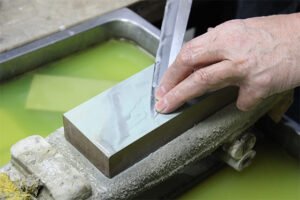
Knife handle types vary by material, shape, tang style, and intended use.
I have worked with knives for over a decade as a user, tester, and repairer. In this guide I draw on hands-on experience, industry standards, and product testing to explain knife handle types clearly. You will learn the common materials, tang styles, grip shapes, maintenance tips, and how to pick the right handle for kitchen, camping, or everyday carry knives. Read on to make confident, well-informed choices.

What are knife handle types?
Knife handle types describe how a knife’s grip is made. This includes the material, shape, tang construction, and finishing. Each variable affects comfort, safety, durability, weight, and appearance. When people search for knife handle types they want to match a handle to a task, hand size, and budget. Knowing the differences helps you choose a knife that performs well and lasts.

Common knife handle materials
Different materials give each handle a distinct feel and performance. I list the main options and explain where they shine and where they fall short.
Wood
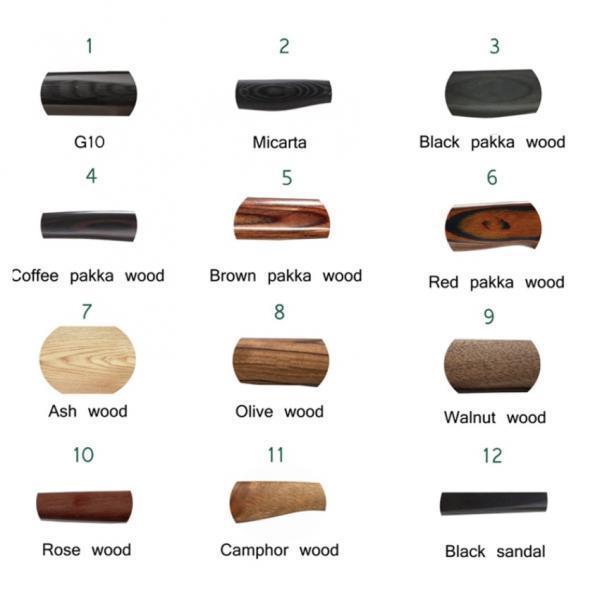
Wood offers warmth and classic looks. Hardwoods like walnut, rosewood, and pakkawood resist wear. Wood is comfortable in the hand but needs oiling and careful cleaning to stay healthy.
Micarta
Micarta is layered linen or canvas set in resin. It is strong, grippy when wet, and fades with use in a pleasing way. Micarta is a top choice for many outdoor and chef knives.
G-10
G-10 is a fiberglass laminate. It is extremely durable and resists moisture and heat. G-10 handles are common on tactical and EDC knives.
Stainless steel and aluminum
Metal handles offer durability and trim profiles. They can be cold or slippery without texture. Metal is easy to clean and looks modern.
Polymer and rubber
Injection-molded polymers and rubber mixes give soft grips with impact resistance. They are inexpensive and provide good traction for wet tasks. They can age or compress over many years.
Bone, horn, and natural materials
Bone and horn provide unique vintage looks. They are less consistent and require care. Natural materials appeal to collectors and custom knife buyers.
Composite and stabilized wood
Stabilized wood is treated to resist water and warping. Composites blend fibers and resins for tailored looks and performance. These types offer the best of beauty and durability.
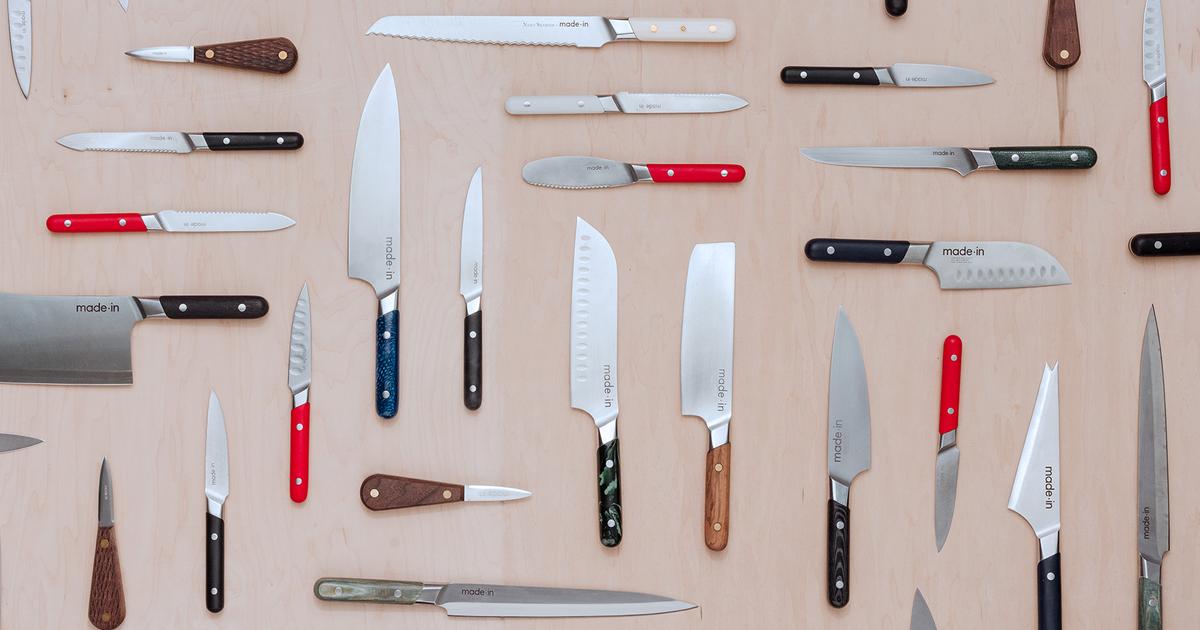
Tang and construction types
The tang defines how the blade and handle connect. Tang style strongly influences strength and repairability.
Full tang
Full tang runs the full length of the handle and is visible between scales. It gives the best strength and balance. Most heavy-duty knives use full tang construction.
Hidden tang
Hidden tang has a blade tang that is concealed inside handle material. It looks clean and can be lighter. Hidden tangs are common in dress knives and some kitchen models.
Rat-tail tang
Rat-tail tang narrows into a small rod. It reduces weight and cost but limits strength. Avoid rat-tail tangs for heavy chopping or prying.
Partial tang
Partial tang covers many designs between hidden and full. Strength varies a lot by build quality.
Skeletonized tang
Skeletonized tangs have removed metal to reduce weight. They are efficient and can look striking. Properly designed, they remain strong.
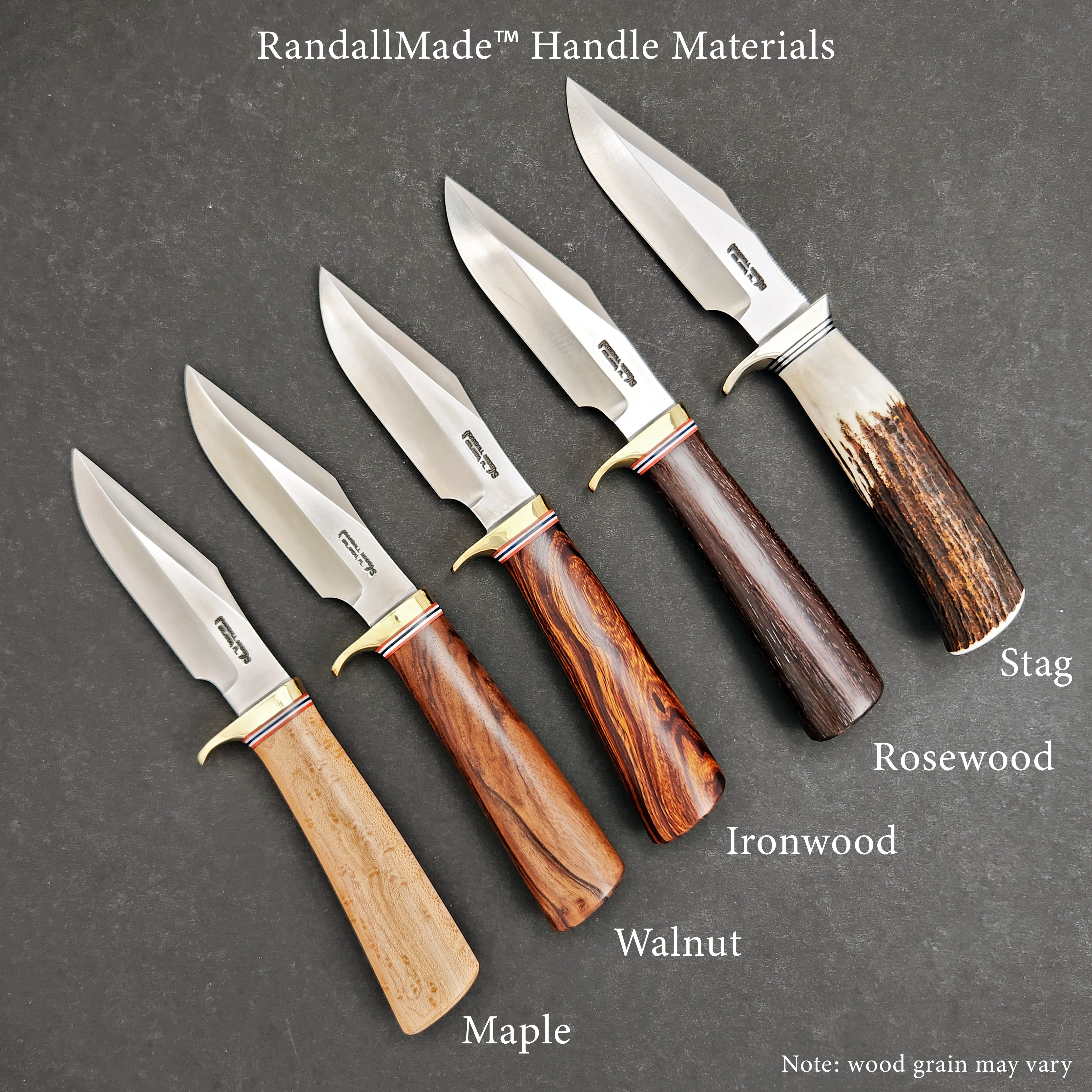
Handle shapes, ergonomics, and grip types
Shape matters as much as material. A good shape reduces fatigue and increases safety.
Common handle profiles
*Western or “D-shaped” handles provide a fuller feel and palm support.
*Eastern or “Wa” handles are thinner and suit precise cuts.
*Tapered and contoured handles guide finger placement for control.
Grip styles
*Pinch grip places thumb and forefinger on the blade for fine control. It works best with thinner handles.
*Handle grip (also called hammer or saber) wraps the fingers around the handle. It feels stable for forceful cuts.
*Reverse or ice-pick grips are for specific tasks like self-defense or detail carving.
Ergonomic features
*Finger choils and jimping give safe index placement.
*Bolsters add balance and protect the hand from slipping.
*Texturing and finger grooves improve traction in wet conditions.
Personal note: I found that a lightly contoured G-10 handle with subtle jimping suited long kitchen sessions. Early in my testing I chose flashy metal handles and regretted the fatigue they caused when prep work stacked up.
Durability, maintenance, and care for different handle types
Different handle types need different care routines. Proper maintenance extends life and preserves performance.
Wood care
*Clean with mild soap and water; avoid soaking.
*Oil periodically with food-safe mineral oil or specialized wood oils.
*Sand and refinish if small cracks appear.
Micarta and G-10 care
*Wipe clean with soap and water.
*Avoid high heat or prolonged UV exposure to protect resin.
*These handles need almost no maintenance and rarely warp.
Metal handle care
*Dry thoroughly after washing to avoid corrosion on steel.
*Aluminum may oxidize; polish if desired.
*Use textured or coated versions for better grip.
Rubber and polymer care
*Wash normally and inspect for tearing.
*Replace if material compresses or tears with use.
Repair and replacement
*Full tang handles can be re-scaled by a skilled maker.
*Hidden tangs often require professional work or replacement of the whole knife.

How to choose the right handle for your needs
Choosing the best handle type starts with use-case and ends with fit. Use this checklist when buying a knife.
*Primary use
*Kitchen prep: prefer comfortable, sanitary, and stable materials like stabilized wood, Micarta, or G-10.
*Outdoor and survival: choose G-10, Micarta, or textured polymers for wet conditions.
*Everyday carry: lightweight metals or G-10 for balance and pocket comfort.
*Hand size and grip
*Test the handle in your hand if possible.
*Look for secure grip zones and avoid slippery finishes.
*Maintenance tolerance
*If you dislike upkeep, avoid raw wood.
*If you enjoy care and patina, wood adds character.
*Budget and style
*Custom wood and natural handles cost more.
*Mass-market polymers give good value.
Personal tip: Always hold the knife before buying. A handle that looks great in a picture can feel wrong in your hand. I once bought a chef’s knife for looks and returned it because the handle caused wrist ache after an hour of chopping.

Pros and cons of popular knife handle types
This quick comparison helps you weigh trade-offs.
*Wood
*Pros: Warm feel, attractive, customizable.
*Cons: Needs care, can split or stain.
*Micarta
*Pros: Strong, grippy, low maintenance.
*Cons: Less glossy finish, can be more expensive.
*G-10
*Pros: Extremely durable, water-resistant, light.
*Cons: Can be hard on tools when sharpening near the handle.
*Stainless steel / Aluminum
*Pros: Durable, hygienic, low upkeep.
*Cons: Cold feel, can be slippery without texture.
*Polymer / Rubber
*Pros: Affordable, grippy, shock-absorbing.
*Cons: Can age or compress; looks less premium.

Related concepts and terms to know
Knowing knife vocabulary improves buying decisions.
*Tang: The metal part of the blade that extends into the handle.
*Scales: The handle slabs attached to the tang.
*Bolster: Thick junction between blade and handle that adds balance.
*Choil: A small cutout near the blade for safe finger placement.
*Jimping: Textured notches for thumb traction.
These terms show up in specs and reviews. They help you compare knife handle types accurately.

PAA-style questions (common searches)
Q: Are wooden handles sanitary for kitchen use?
A: Properly finished and maintained wooden handles are safe. They should be cleaned, dried, and oiled periodically to prevent bacterial growth.
Q: Do metal handles make knives better?
A: Metal handles add durability and a slim profile. They can be slippery and cold, so textured finishes or scales usually improve comfort.
Q: Is Micarta better than G-10?
A: Both are durable; Micarta is warmer and can feel more natural, while G-10 is harder and resists moisture better. Choice depends on personal feel and use.
Frequently Asked Questions of knife handle types
What handle type is best for kitchen knives?
The best kitchen handle type balances comfort and hygiene. Stabilized wood, Micarta, and G-10 are top picks for long prep sessions and easy care.
Can I replace a broken knife handle?
Yes. Full tang knives are easiest to re-scale, and many makers offer replacement scales. Hidden tangs can be repaired but often need a pro.
Do handle materials affect knife balance?
Yes. Heavy materials like steel shift the balance toward the handle. Lighter materials keep balance closer to the blade. Choose based on preferred feel.
Are natural handles like bone durable?
Natural handles are durable if cared for but can crack or discolor over time. They suit collectors and light-use knives more than heavy-duty work.
How do I prevent handle slipping?
Choose textured materials or handles with jimping and choils. Keep handles clean and dry, and consider patterned G-10 or rubberized scales for wet work.
Will heat or sunlight ruin handles?
High heat and strong UV can damage some resins and wood finishes. Store knives away from direct sunlight and avoid leaving them near heat sources.
[No CodeImg here]
Conclusion
Knife handle types shape how a knife feels, performs, and ages. Match material, tang style, and shape to your tasks and comfort needs. Test fit in your hand, consider maintenance, and prioritize safety features like choils and textured surfaces. Use the checklist above to pick a handle that fits your life and work. If you found this guide useful, try different handles in person, subscribe for more knife care tips, or leave a comment with your handle preferences.

Maliha Akter is a kitchen knife reviewer and food preparation specialist with over 6 years of experience testing Japanese kitchen knives and everyday cooking tools. She focuses on performance, safety, durability, and real-world usability to help home cooks choose the right knives for efficient and enjoyable cooking.
Expertise:Japanese Knives • Vegetable Knives • Product Reviews • Kitchen Efficiency • Knife Care