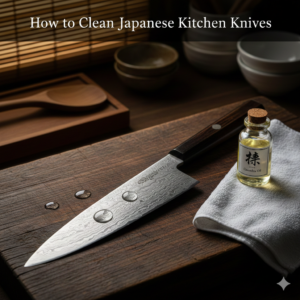
Keep your knives sharp, clean, and dry to extend life and ensure safe performance.
I have maintained knives for more than a decade in kitchens and workshops. This guide explains knife maintenance clearly and practically. You will learn step-by-step care, sharpening and honing techniques, cleaning tips, rust prevention, storage solutions, and how to handle special blades. Read on to gain reliable, usable knowledge that protects your tools and boosts your confidence with every cut.

Why proper knife maintenance matters
Good knife maintenance keeps blades sharp and safe to use. A sharp knife needs less force and reduces slips and accidents. Regular knife maintenance also preserves blade geometry and cutting performance for years.
Proper care saves money by preventing costly repairs and replacements. Well-maintained knives perform better and look better. I have replaced fewer knives since I started routine knife maintenance in my kitchen and shop.

Basic knife care routines
A simple daily routine goes far for knife maintenance. After every use, rinse the blade with warm water, dry it immediately, and store it safely. Avoid the dishwasher; heat and detergent harm steels and handles.
Weekly or monthly tasks vary by use and blade type. Check edges for nicking, hone before heavy use, oil high-carbon blades, and inspect handle condition. These steps keep knife maintenance manageable and effective.
Sharpening and honing
Honing realigns a blade edge; sharpening removes metal to form a new edge. Hone before each heavy session and sharpen when honing no longer restores the edge. This balance is central to good knife maintenance.
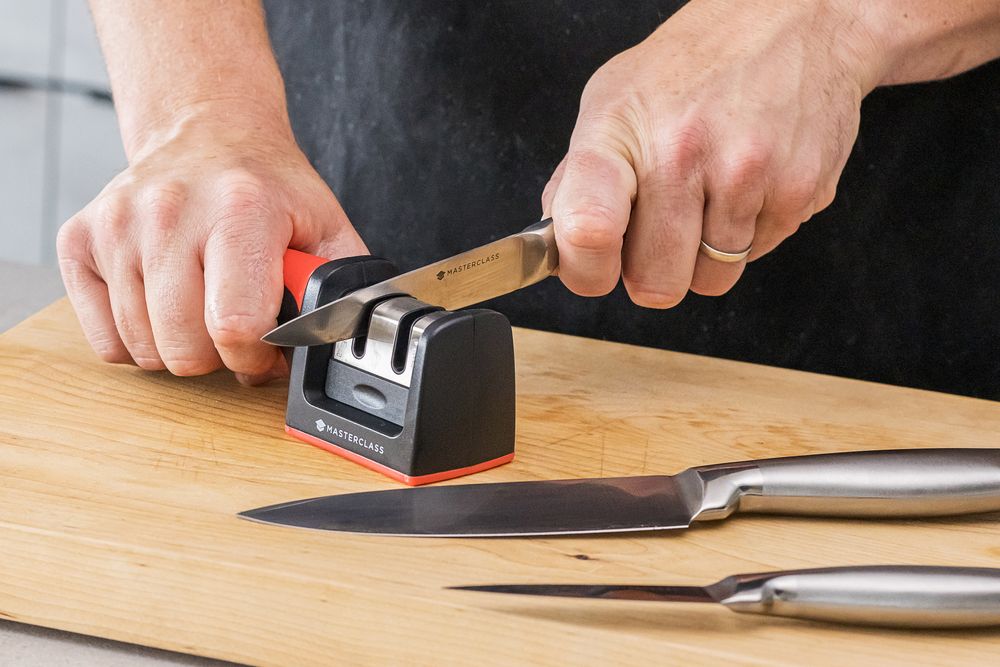
Use the right tools for sharpening: whetstones, guided systems, or quality pull-through sharpeners for basic blades. Match the angle to the knife, typically 15–20 degrees per side for kitchen knives. Practice on inexpensive blades first to build skill.
Step-by-step basic wetstone sharpening:
- Soak a whetstone if required and set a stable base.
- Hold the knife at the chosen angle and draw the edge across the stone in smooth strokes.
- Repeat evenly on both sides and finish with a finer grit.
- Hone the edge and test on soft paper or a tomato.
Cleaning and storage
Clean knives with warm water and mild soap right after use. Rinse and dry the blade fully to prevent water marks or corrosion. Never leave blades soaking or in a sink where they can be damaged.
Store knives where edges are protected and accessible. Good options include magnetic strips, blade guards, knife blocks, or drawer trays. Each choice affects long-term knife maintenance and safety differently.

Rust prevention and blade protection
Rust forms when moisture and oxygen meet steel. High-carbon steels rust more easily than stainless steel, so they need more attention. Regular drying and light oiling protect these blades.
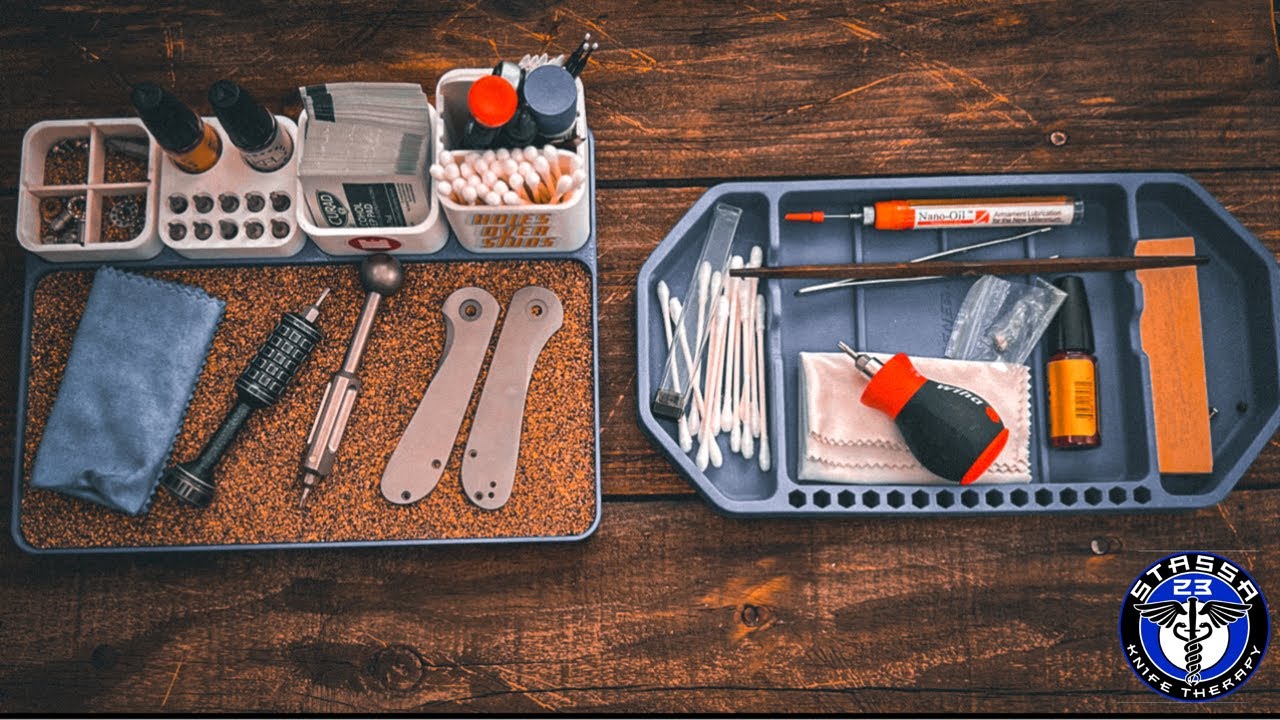
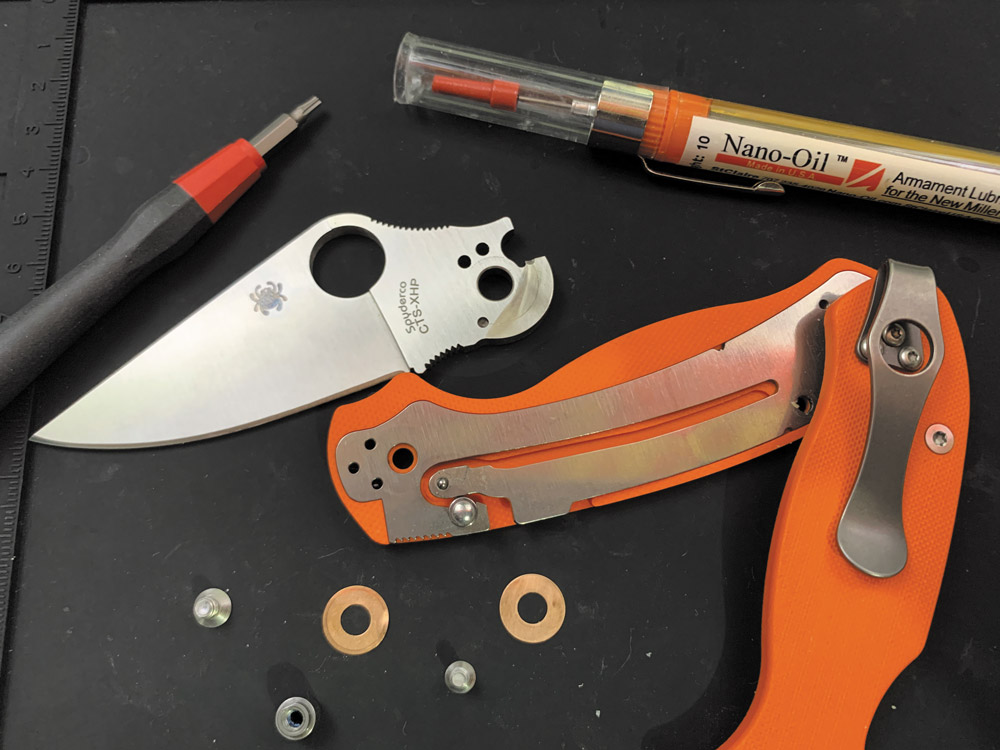
Use food-safe mineral oil on blades and joints for foldable knives. For long-term storage, wrap blades in oiled cloth or use silica packs in a case. Proper rust prevention is a key part of knife maintenance for longevity.
Specialty knives and materials
Different steels and blade types need tailored knife maintenance. Ceramic knives need different care and should not be sharpened on steel stones. Damascus and powdered steels often have specific cleaning and sharpening requirements.
Handle materials vary: wood, composite, plastic, and metal need different treatments. Oil wooden handles occasionally and avoid prolonged exposure to water. Understanding materials helps you choose the right knife maintenance routine.

Troubleshooting common problems
Edges chip, blades rust, handles loosen, and blades become blunt. Identify the root cause and apply a targeted fix. For example, small chips can be ground out with a coarse stone; deep chips may need professional sharpening.
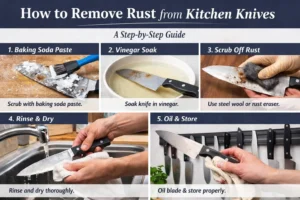
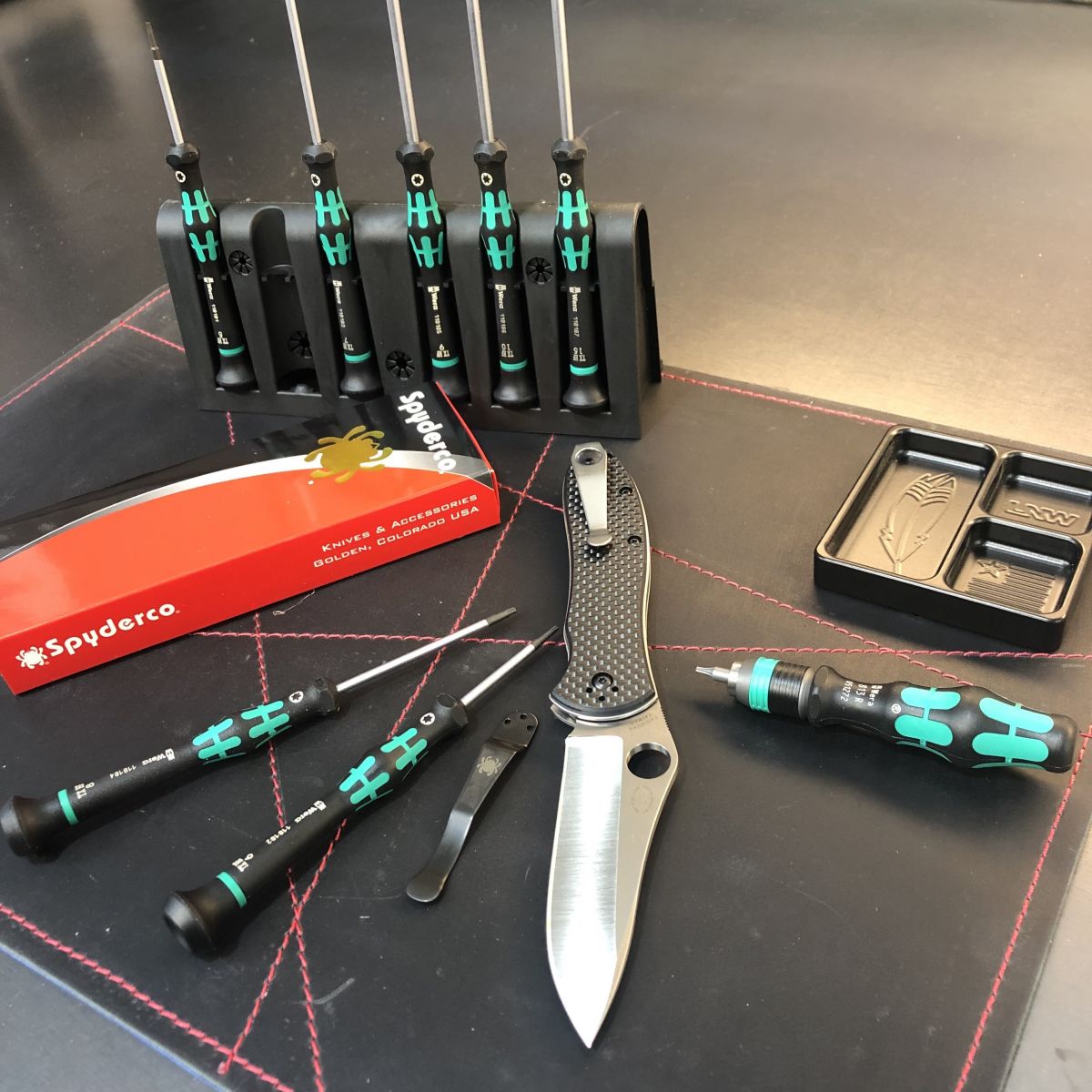
If a handle loosens, tighten rivets or replace pins. For persistent rust, remove corrosion with a gentle abrasive and re-oil the blade. Good knife maintenance reduces the chance of these problems recurring.
People also ask
What is the easiest way to keep a knife sharp?
Hone your knife regularly and sharpen with a stone when needed. Consistent honing reduces how often you must sharpen, which improves knife maintenance.
How often should I oil a knife?
Oil high-carbon blades after cleaning and before storage, or weekly if you live in a humid climate. Oiling is a simple step in knife maintenance to prevent rust.
Can you use a dishwasher for knives?
No. The dishwasher can dull edges, pit blades, and damage handles. Hand-washing is essential for proper knife maintenance.
Frequently Asked Questions of knife maintenance
How do I know when to sharpen vs hone?
Hone when the knife feels dull but still slices after a few stokes. Sharpen when honing no longer restores the edge. Regular hone and occasional sharpen are standard knife maintenance.
What grit stone should I use first?
Start with a medium grit 1000 for everyday knives and a coarse 400–600 for damaged edges. Finish with a fine 3000–8000 for polishing. This progression fits typical knife maintenance needs.
Is oiling necessary for stainless steel knives?
Stainless steel resists rust but can still corrode in harsh conditions. Oiling is optional for stainless but recommended for high-carbon steels as part of knife maintenance.
How do I store a knife safely in a drawer?
Use a knife tray or blade guards to prevent contact with other utensils. Secure storage protects edges and reduces injury, a core goal of knife maintenance.
Can I sharpen serrated knives at home?
Serrated knives need a round ceramic rod or a specialist tool for sharpening. Work each serration carefully; this specific approach is part of proper knife maintenance.
Conclusion
Regular knife maintenance gives better cuts, safer handling, and longer tool life. Build small daily habits like drying, honing, and safe storage. Learn sharpening basics and tailor care to your knife's material and use.
Take action this week: inspect your blades, hone before your next meal, and schedule a sharpening if needed. Share your experiences or questions below and subscribe for more practical knife maintenance tips.

Maliha Akter is a kitchen knife reviewer and food preparation specialist with over 6 years of experience testing Japanese kitchen knives and everyday cooking tools. She focuses on performance, safety, durability, and real-world usability to help home cooks choose the right knives for efficient and enjoyable cooking.
Expertise:Japanese Knives • Vegetable Knives • Product Reviews • Kitchen Efficiency • Knife Care