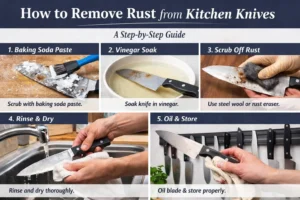
Always use a sharp knife, stable board, and safe grip to prevent cuts.
Knife safety in kitchen is simple to learn and easy to keep. I have trained cooks on busy lines and taught home classes on weekends. In this guide, I will show you what matters, what to skip, and how to work with calm, safe hands. Read on to build skill, speed, and confidence that lasts.
Why Knife Safety Matters
Cuts happen fast. Most are small, but some send people to the ER. Emergency rooms treat hundreds of thousands of kitchen knife injuries each year. You can avoid most of them with a few habits and tools.
I learned this the hard way early in my career. I was rushing and using a dull blade. It slipped on a tomato and nicked my finger. That tiny cut taught me to slow down and sharpen often.
Knife safety in kitchen turns chaos into control. You will move smoother, prep faster, and feel less stress.
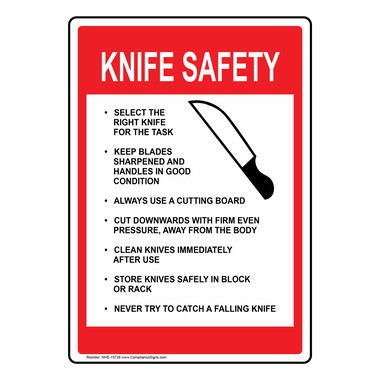
Source: compliancesigns.com
Set Up a Safe Workspace
Good setup is half the battle. A clean, stable space prevents slips and surprise moves. Start here before you slice a single carrot.
Key steps for a safer station:
- Use a heavy cutting board that does not move. Set a damp towel under it for grip.
- Clear the area. No packets, wrappers, or tools near your blade path.
- Use bright light. Shadows hide edges and your fingers.
- Keep a scrap bowl for trash. Keep a second bowl for prepped food.
- Place knives to your right if you are right-handed. To your left if you are left-handed.
Knife safety in kitchen starts with order. If your space is steady and clean, your hands will be steady and calm.
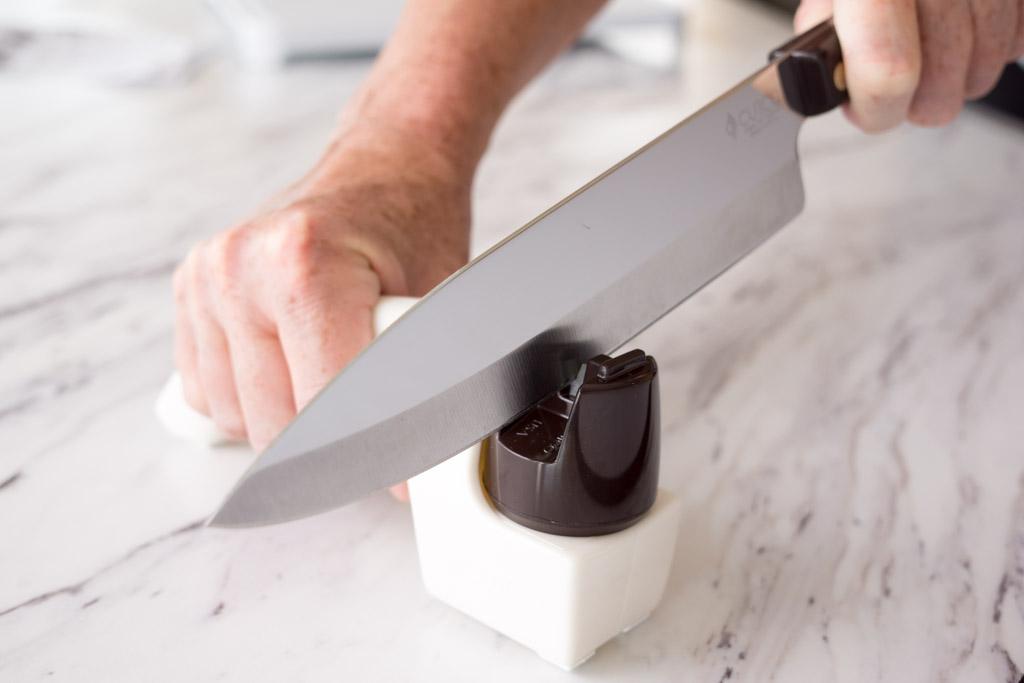
Source: cutco.com
Choose the Right Knife
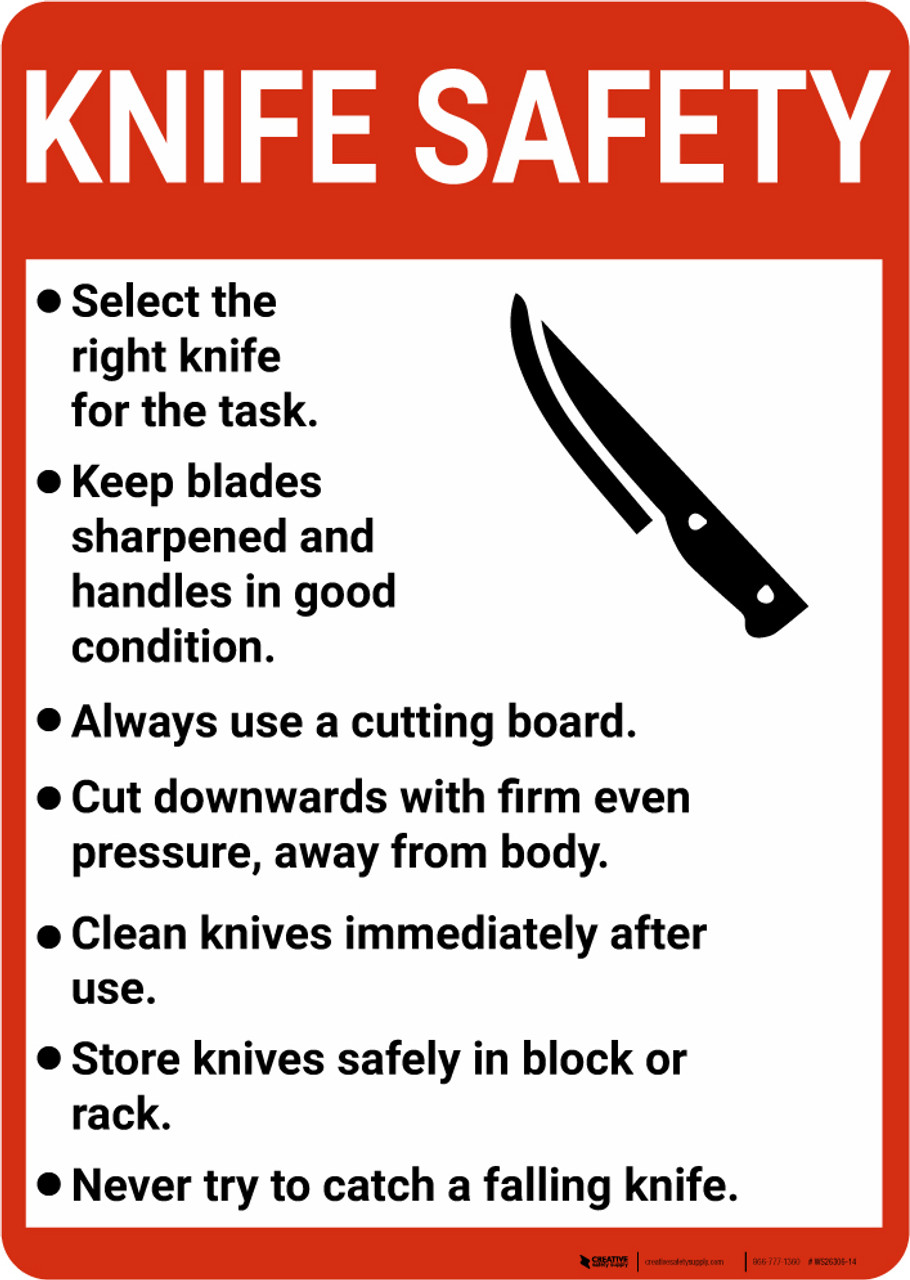
You do not need a big set. You need the right few. A chef’s knife (8 inches), a paring knife, and a serrated knife cover 90% of tasks.
What to look for:
- Balance and weight. The knife should feel steady, not tip forward.
- Handle comfort. No hot spots. No slip when wet.
- Steel that holds an edge but is easy to sharpen.
- A blade shape that fits your cutting style.
Try the knife before you buy. Pinch the blade and make a few small cuts on a board. If it feels like an extension of your hand, you found a winner. This simple step supports knife safety in kitchen every day.
Source: creativesafetysupply.com
Master the Safe Grip and Stance
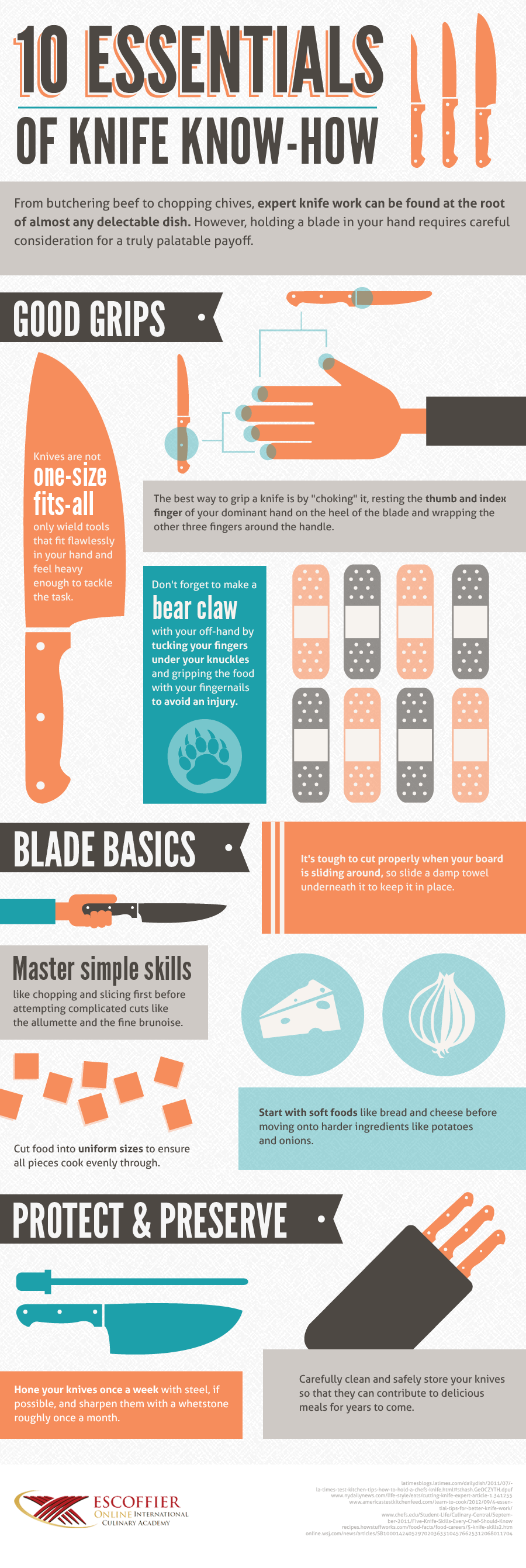
Grip sets control. I teach two grips to every student.
- Pinch grip: Pinch the blade just ahead of the handle with your thumb and index finger. Wrap your other fingers around the handle. This grip boosts control and reduces wrist strain.
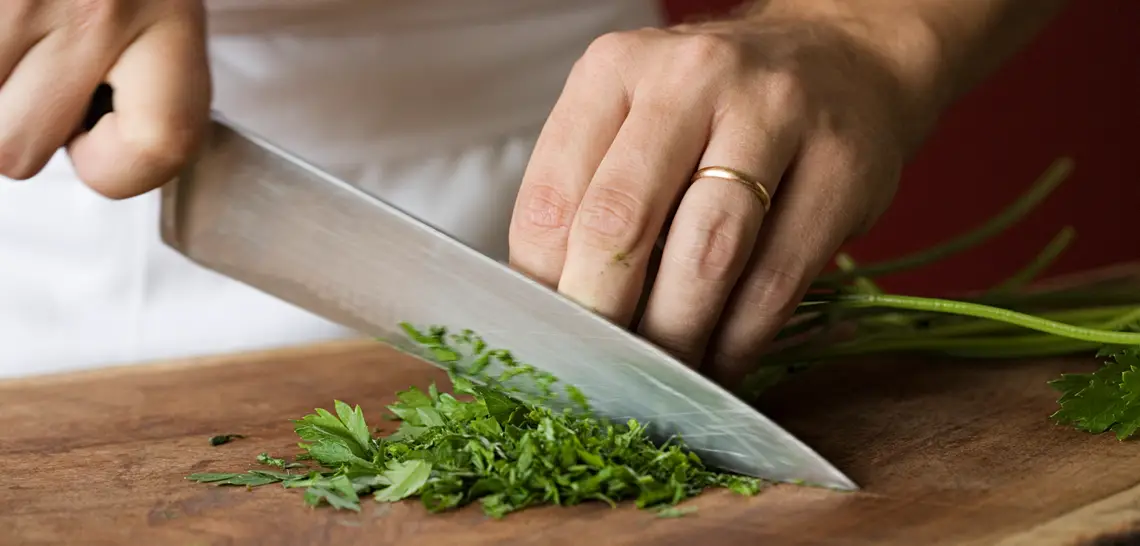
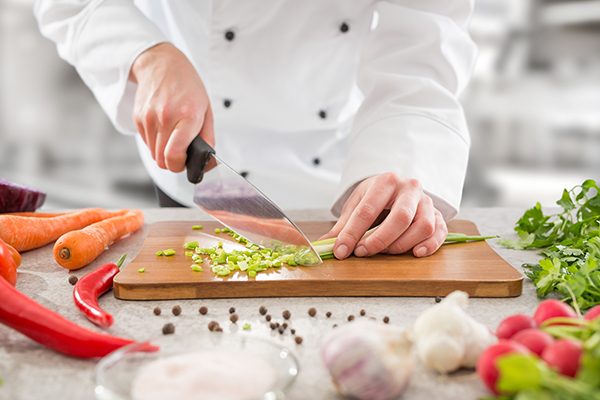
- Claw guide: Curl the fingertips of your guide hand. Tuck your thumb behind them. Your knuckles point at the blade. The flat of the blade rides the knuckles, not the fingers.
Set your stance. Feet shoulder-width apart. Keep the board at a comfy height. Hips square to the board. Relax your shoulders. Knife safety in kitchen depends on this simple body setup.
Source: escoffieronline.com
Core Cutting Techniques for Control
Use small, repeatable moves. Let the knife do the work.
Safe methods I teach:
- Rock chop: Keep the tip on the board. Lift the heel up and down. Great for herbs and onions.
- Draw slice: Pull the blade toward you as you cut. Ideal for tomatoes and raw fish.
- Push cut: Push the knife forward and down in one smooth motion. Good for firm veg.
- Tap chop: For tiny dice, use a steady up-and-down tap with the claw guide.
My rule of three: see your guide knuckles, move the blade, check your fingers. Repeat. Knife safety in kitchen grows with rhythm.
Source: beaconmutual.com
Maintenance: Sharpen, Hone, and Store
A dull knife is the real danger. It needs more force and slips more.
Make this your routine:
- Hone lightly before each session. Ten gentle strokes on a honing rod.
- Sharpen on a stone or send out for service when honing no longer helps.
- Wipe the blade clean and dry after each use.
- Store in a block, on a magnetic strip, or in a sheath. Never loose in a drawer.
As a chef, I set a calendar reminder to sharpen monthly at home. It takes 15 minutes and saves time and skin. Knife safety in kitchen lives or dies by edge care.
Source: athletico.com
Safe Habits While Cooking
Habits beat talent when things get busy. Build these into your flow.
- Keep the point down when you move with a knife. Say “behind” when passing near others.
- Never catch a falling knife. Step back and let it drop.
- Wipe moisture off the handle at once. Wet handles twist in your grip.
- Park the blade above board level when not in use, flat and safe, edge away from you.
- Do not talk with your knife in the air. Set it down, then chat.
I have seen more accidents from chatter and rush than from hard cuts. Slow is smooth. Smooth is fast. Knife safety in kitchen is a mindset first.

Source: fnsharp.com
Cleaning Knives the Right Way
Clean tools are safe tools. But the wrong cleaning can dull or warp a blade.
Follow this:
- Hand wash only. Warm water, mild soap, soft sponge.
- Wipe from spine to edge, away from your fingers.
- Dry at once. Water spots can rust even good steel.
- Never leave knives in a sink. Hidden blades cause surprise cuts.
Dishwashers are harsh. Heat and clatter can chip the edge and handle. Hand care keeps knife safety in kitchen simple and sound.
Teaching Kids and Guests Safely
Curious hands want to help. Give them safe steps and close watch.
For kids and new cooks:
- Start with soft foods like bananas, strawberries, or mushrooms.
- Use a small, sharp paring knife or a safe training knife.
- Teach the claw guide with slow, big motions.
- Stand close. Guide their hand on the first few cuts.
Make it fun but clear. Safety first, speed later. These warm moments teach respect and build lifelong knife safety in kitchen.
What To Do If You Get Cut
Even pros get cuts. Stay calm and follow a simple plan.
- Small cuts: Rinse under cool water, then apply pressure with clean gauze for two minutes. Dry, add antibiotic ointment, and bandage. Use a finger cot to keep it dry while you cook.
- Deep cuts, gushing blood, or numbness: Apply firm pressure, elevate the hand, and seek care at once.
- Recheck the bandage after 15 minutes. Change it if soaked.
Keep a small first-aid kit in your kitchen drawer. It is a tiny step that makes knife safety in kitchen real and ready.
Common Mistakes and Fixes
I see the same issues in home kitchens. They are easy to fix.
- Dull blades: Sharpen or replace. Sharp is safe.
- Wobbly boards: Add a damp towel under the board.
- Fingers flat on food: Switch to the claw guide.
- Chopping too high: Keep elbow close, move the knife in short arcs.
- Overfilling the board: Clear scraps before each new task.
These fixes raise skill in a day. Keep them in mind, and knife safety in kitchen will feel natural.
Advanced Tips for Busy Home Kitchens
When dinner rush hits, small tricks help a lot.
Try these:
- Batch your cuts. Do all onions, then carrots, then herbs. Fewer tool swaps means fewer slips.
- Use containers to sort cut sizes. Big dice here, small dice there. Less clutter on the board.
- Rotate the board instead of your wrist for odd angles.
- Switch knives when a task changes. Serrated for bread. Paring for trim. Chef’s knife for bulk prep.
- Take 30-second breaks to shake out your hands. Fatigue makes mistakes.
These steps lift speed without risk. They keep knife safety in kitchen strong even on busy nights.
Frequently Asked Questions
What is the safest way to hold a knife?
Use a pinch grip on the blade and the claw guide on your other hand. This gives control and keeps fingertips away from the edge.
How often should I sharpen my knives?
Hone before each session and sharpen when honing no longer works. For most home cooks, that means every 1 to 3 months.
Are ceramic knives safer than steel knives?
They are not safer, just different. Ceramic stays sharp, but it can chip and is harder to sharpen at home.
What cutting board is best for safety?
Use wood or quality plastic. Avoid glass or stone boards because they dull blades and can cause slips.
How do I pass a knife to someone else?
Lay it flat on the board and let them pick it up. If you must hand it over, offer the handle with the edge away and make eye contact.
Conclusion
Safe knife work is a skill you can build today. Set your space, master the grip, use smooth cuts, and care for your edge. Small habits add up to fewer cuts and quicker, calmer meals.
Pick one tip from this guide and use it at your next prep. Then add one more each week. Share your progress, ask a question, or subscribe for more hands-on kitchen skills.

Emily Carter is a kitchen knife specialist with over 8 years of experience testing and reviewing Japanese kitchen knives. She focuses on blade performance, comfort, durability, and real-life cooking usability. Her goal is to help home cooks choose reliable, high-quality knives for everyday cooking.
Expertise: Japanese Knives, Vegetable Cutting, Product Testing