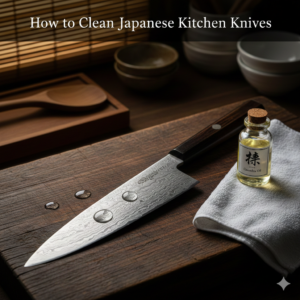
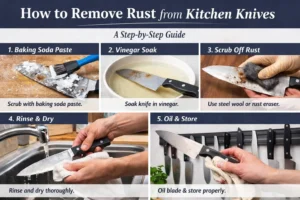
Proper knife sharpening and care keeps blades safe, sharp, and long-lasting for daily use.
I have spent years sharpening and caring for kitchen and outdoor blades. In this guide I share clear, practical steps and real-world tips for knife sharpening and care. Whether you cook professionally, enjoy outdoor gear, or want to keep home knives ready, this article explains why edge maintenance matters and how to do it right. Read on for a complete, trustworthy plan you can use today.
Why knife sharpening and care matters
A sharp blade is safer, faster, and kinder to food. Dull knives slip and force more pressure. Good knife sharpening and care save money and improve results.
Benefits of proper care
- Safer cutting and fewer slips.
- Cleaner cuts that preserve texture and flavor.
- Longer life for expensive blades.
- Lower long-term replacement cost.
What happens if you ignore it
- Metal chips and rolls on the edge.
- Increased risk of accidents.
- Need for major repairs or full reprofile.
The next sections show tools, steps, and care routines that are easy to follow. This keeps knife sharpening and care practical, not intimidating.
Understanding edges and steel
Edges differ by angle, grind, and steel type. Angle affects sharpness and durability. Hard steels hold an edge longer but need careful handling. Softer steels sharpen quickly but dull faster. Understanding these basics helps you pick methods and tools.
Common edge angles
- 15 degrees per side — common for Japanese kitchen knives.
- 20 degrees per side — common for Western chef knives and general use.
- 25 degrees or more — for heavy-duty or outdoor knives.
Steel and maintenance
- High-carbon stainless — balances rust resistance and sharpness retention.
- Tool steels — very durable but may need protection from rust.
- Coated blades — resist corrosion but still need sharp care.
Knowing steel and angle makes knife sharpening and care faster and more effective.
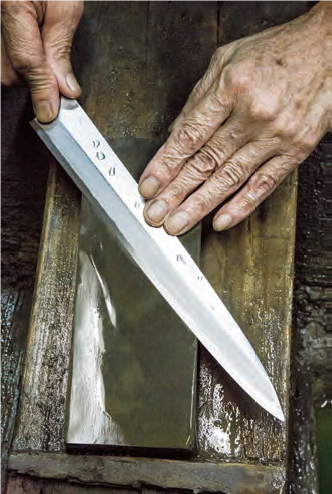
Types of sharpening tools and when to use them
Choose a tool that matches your skill and knife type. Each tool has pros and cons for knife sharpening and care.
Common tools
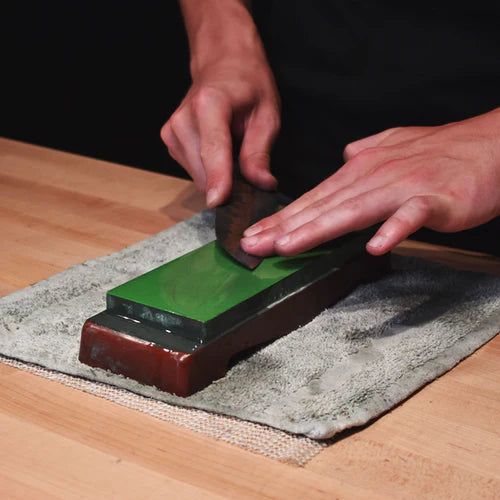
- Whetstones (water or oil stones) — Best control and finish. Great for all knives.
- Ceramic rods — Good for quick touch-ups and hard steels.
- Leather strop — Polishes and removes burrs after sharpening.
- Honing steel — Realigns the edge; not a sharpener but useful for daily care.
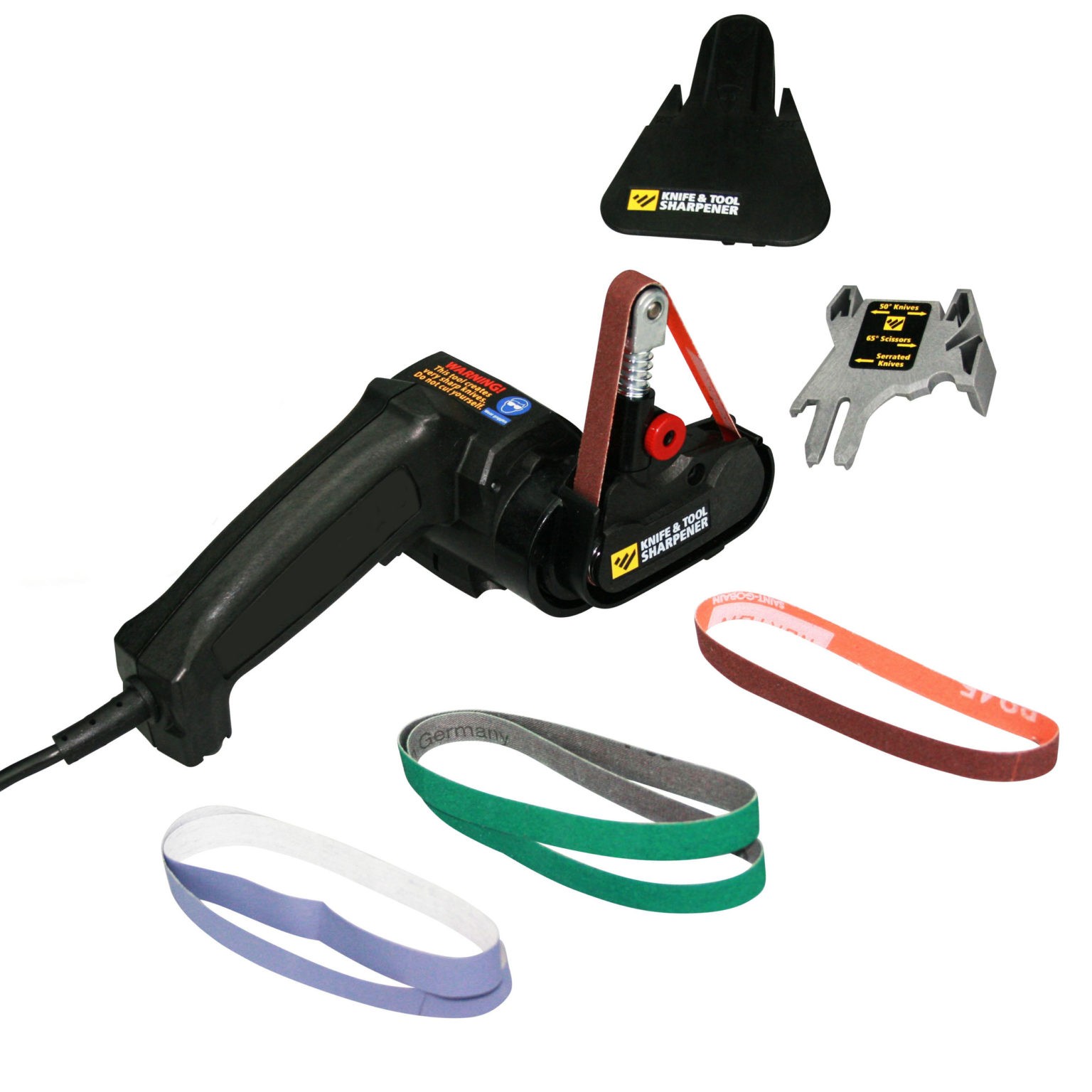
- Electric sharpeners — Fast and easy; can remove metal quickly. Use carefully.
- Guided systems — Hold angle steady. Good for beginners who want consistent results.
Tool selection tips
- Start with whetstones for best long-term skill.
- Use rods and honing steels for routine maintenance.
- Reserve electric systems for quick fixes or thick blades.
Pick tools that match your commitment to knife sharpening and care.
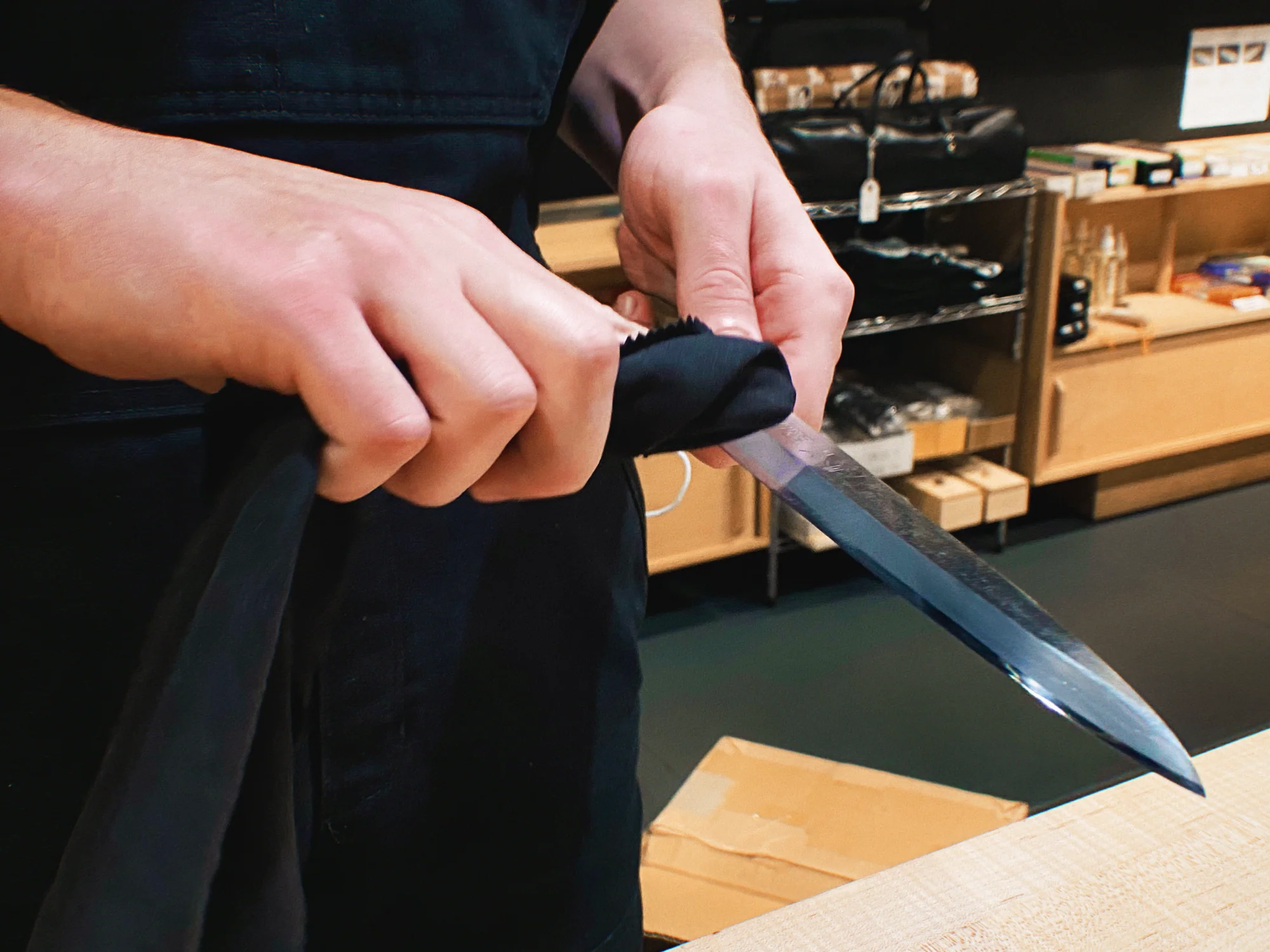
Step-by-step guide to sharpening on a whetstone
Whetstones give the best results when used correctly. These steps are simple and repeatable for effective knife sharpening and care.
Preparation
- Soak water stones as needed per manufacturer instructions.
- Secure the stone on a non-slip base.
- Clean the blade of debris and dry it.
Sharpening steps
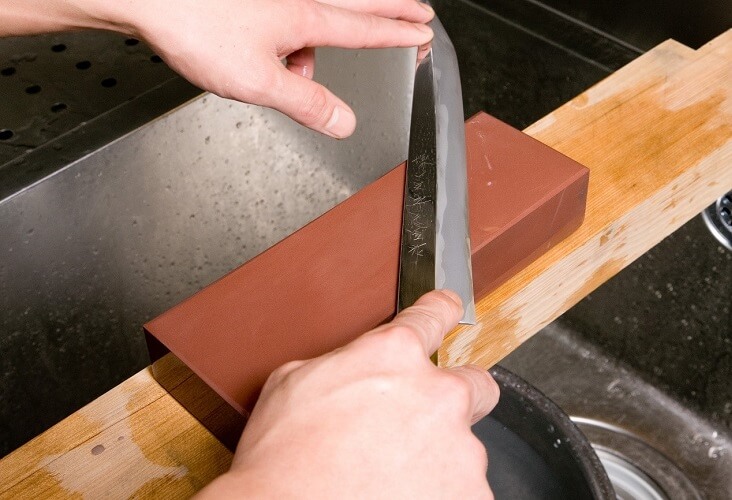
- Set the angle. Aim for 15–20 degrees per side depending on knife use.
- Push the blade forward across the stone as if slicing a thin layer off the top. Keep the angle steady.
- Repeat strokes evenly on one side. Count or time strokes for balance.
- Flip to the other side and mirror the same number of strokes.
- Find the burr and remove it by alternating light strokes on each side.
- Move to a finer grit stone or strop to polish the edge.
Final checks
- Test on thin paper or by gently slicing a tomato.
- Clean and dry the blade completely.
These steps make knife sharpening and care repeatable. Practice will speed your work and improve consistency.
Maintaining edge and daily knife care
Daily habits keep edges working between sharpenings. Good care prevents rust and damage and makes knife sharpening and care less frequent.
Daily routine
- Wash by hand with mild soap and dry immediately.
- Avoid dishwashers for high-quality blades.
- Use wood or plastic cutting boards, not glass or stone.
- Hone weekly or before heavy use to realign the edge.
Storage and safety
- Store in a block, magnetic strip, or blade guard.
- Keep knives separate to avoid nicks.
- Never toss knives loose in a drawer.
Periodic maintenance
- Strop after sharpening to refine the edge.
- Reprofile when chips or uneven geometry appear.
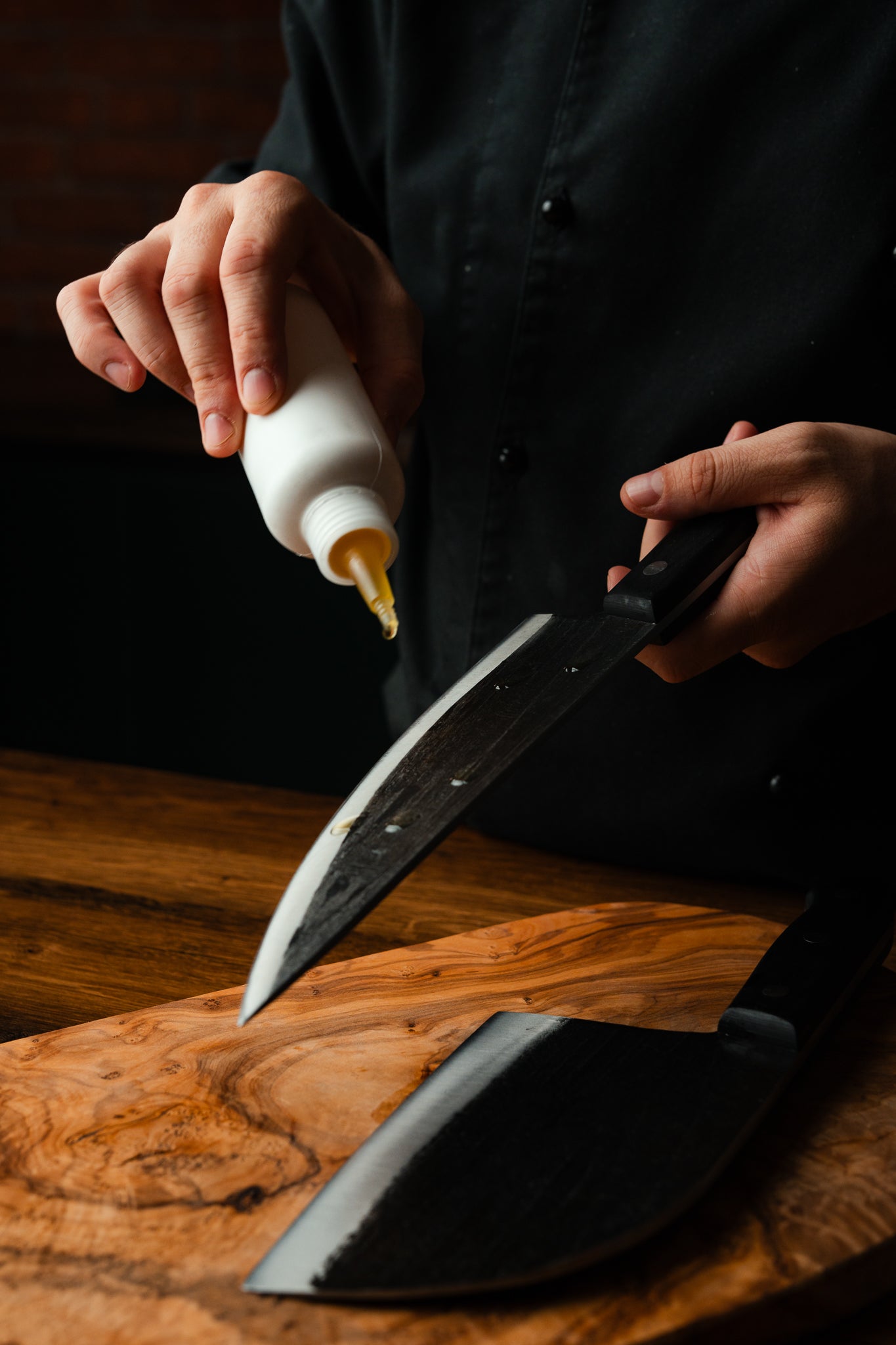
- Oil carbon steel blades lightly to prevent rust.
Follow these steps and your knife sharpening and care workload shrinks over time.

Common mistakes and how to avoid them
Avoiding these errors saves time and prevents damage to knives.
Frequent errors
- Sharpening at inconsistent angles — leads to poor edges.
- Overusing coarse grit — removes too much metal.
- Using the dishwasher — causes chips and rust.
- Skipping honing — lets the edge roll and feel dull.
- Rushing sharpening — increases risk of injury and mistakes.
How to avoid them
- Learn to feel and see the burr.
- Use consistent stroke counts per side.
- Keep tools clean and follow instructions.
- Start slow and use guided help if needed.
Preventing mistakes will improve your results and reduce the need for major work.

When to repair, replace, or reprofile a blade
Not every dull knife needs replacement. Sometimes a repair or reprofile is better.
Signs to repair or reprofile
- Deep chips or multiple nicks in the edge.
- A blade that won’t hold an edge after proper sharpening.
- Severe corrosion or pitting along the edge.
When to replace
- If the blade metal is compromised beyond safe repair.
- If cost of repair exceeds replacement value.
Professional repair
- Consider a professional for complex reprofiles or very valuable knives.
- A pro can restore geometry and remove large damage with skill.
Assessing these signs helps you decide whether knife sharpening and care at home is enough or if you need a pro.
Quick tips from my experience
Practical notes from hands-on work with many knives.
What I learned
- Start with learning angle control; everything improves after that.
- Honing often keeps knives usable for weeks between sharpenings.
- Use a strop for a razor finish that cuts cleanly without tearing.
- For vintage or expensive blades, less aggressive polishing preserves metal.
Mistakes I made
- I once overused an electric sharpener and reduced a fine blade’s life. Now I reserve it for hard-use knives.
- Early on I skipped drying blades. That led to small rust spots and frustration.
Apply these simple rules and your knife sharpening and care will be consistent and low-stress.
Frequently Asked Questions of knife sharpening and care
How often should I sharpen my kitchen knives?
Sharpen frequency depends on use. For daily cooks, sharpen every 3–6 months and hone weekly. Light users can go longer.
Can I use a honing steel instead of sharpening?
Honing realigns a rolled edge but does not remove metal. Use honing regularly and sharpen when the blade fails to cut cleanly.
Is an electric sharpener safe for high-end knives?
Electric sharpeners work but can remove much metal quickly. Use them cautiously on expensive or thin blades to avoid shortening blade life.
What grit stones should I use first?
Start with a medium grit like 1000 for dull edges and move to 3000–6000 for polishing. Very damaged edges may need a coarse stone first.
How do I store knives to protect the edge?
Store knives in a block, on a magnetic strip, or in blade guards. Keep blades separated to prevent nicks.
Conclusion
Consistent knife sharpening and care improves safety, performance, and the life of your blades. Learn basic angles, choose the right tools, and build simple daily habits like honing and proper storage. Start with one reliable whetstone and practice short sessions. Your knives will reward you with cleaner cuts and less effort.
Take action: pick one knife today and practice a single sharpening session. Share your results, ask questions, or subscribe for step-by-step sharpening drills and guides.

Maliha Akter is a kitchen knife reviewer and food preparation specialist with over 6 years of experience testing Japanese kitchen knives and everyday cooking tools. She focuses on performance, safety, durability, and real-world usability to help home cooks choose the right knives for efficient and enjoyable cooking.
Expertise:Japanese Knives • Vegetable Knives • Product Reviews • Kitchen Efficiency • Knife Care