A grit guide shows which abrasive grits suit repair, sharpening, polishing, and finishing blades.
I’ve spent years sharpening knives for home cooks and pros. This knife sharpening grit guide breaks down what each grit does and when to use it. You will learn the right grit steps for repair, regular sharpening, and polishing. I’ll share clear rules, tools I trust, and mistakes I made so you don’t repeat them. Read on to master grit choice and get sharper, longer-lasting blades.
Understanding sharpening grit: what grit numbers mean
Grit measures how coarse or fine an abrasive is. Low numbers cut fast and remove metal. High numbers polish and refine the edge. This knife sharpening grit guide uses common grit ranges to explain each stage. Knowing these ranges helps you pick the correct stone and save time.
Common grit ranges and what they do
- 220–400: Very coarse. Best for fixing chips and heavy damage.
- 600–1000: Coarse to medium. Good for setting a new bevel and general sharpening.
- 2000–3000: Fine. Use to refine an edge and remove burrs.
- 4000–8000+: Very fine to ultra-fine. For polishing and razor edges.
How grit progression works
- Each higher grit refines scratches left by the previous grit.
- Jumping too far can leave visible micro-scratches. Follow a logical progression.
This knife sharpening grit guide will refer to these bands throughout so you can match grit to task.

Source: prosharpeningsupply.com
Step-by-step grit progression for common tasks
A clear plan avoids wasted time. Below are tested sequences I use for real knives. Each sequence follows the knife sharpening grit guide logic: remove damage, refine, then polish.
Repairing a chipped blade
- Start 220–400 to remove chips.
- Move to 600–1000 to rebuild the bevel.
- Finish 3000–8000 for polish and strop.
Sharpening a very dull kitchen knife
- Begin with 400–600 to reestablish the edge.
- Use 1000 to create a basic sharp edge.
- Polish with 3000–5000 for better cutting and longer edge life.
Quick touch-up (weekly or light use)
- 1000 only, then strop lightly.
- Use a hone rod daily for alignment between full sharpening sessions.
Razor or fine slicer
- Start 2000–3000.
- Progress to 5000–8000.
- Strop for a mirror finish.
This knife sharpening grit guide favors gradual progression. Test the edge often. Stop when the blade cuts well.
Source: reddit.com
Choosing the right grit stone for different steels and uses
Not all steels behave the same. Harder steels hold an edge longer but need different care. This knife sharpening grit guide helps match grit to steel type and use case.
Soft to mid-hard steels (HRC < 58)
- 400–1000 for sharpening.
- 2000–5000 for polishing.
Hard steels (HRC 58–64)
- Use 1000 for initial shaping.
- 3000–8000 to refine and polish; higher grits give more benefit.
- Prefer diamond or high-quality waterstones for faster work.
Very hard steels and powdered metallurgy
- Start with diamond stones for shaping.
- Use ultra-fine stones or strops for final polish.
- Take it slow; very hard steels show scratches more easily.
Every knife sharpening grit guide should note that coated blades and ceramic knives need special abrasives. Ceramic needs diamond abrasives only. Test on a small area if you’re unsure.

Source: gritomatic.com
Tools and stones explained
Tools matter as much as grit. This knife sharpening grit guide covers popular tools and when to choose each.
Whetstones (waterstones)
- Pros: Smooth cut, wide grit range, good finish.
- Cons: Require flattening, need water.
Oil stones
- Pros: Durable, low maintenance.
- Cons: Slower cut; fewer ultra-fine options.
Diamond stones
- Pros: Fast, great for hard steels, stay flat.
- Cons: Can leave a rougher scratch pattern; follow with finer stones.
- Pros: Good for maintenance and light sharpening.
- Cons: Not for heavy metal removal.
Leather strops
- Pros: Final polish and burnish; creates a razor edge.
- Cons: Not for reshaping or heavy work.
Honing rods
- Pros: Quick alignment between sharpenings.
- Cons: Not a substitute for real sharpening.
This knife sharpening grit guide recommends building a small kit: one coarse, one medium, one fine stone, and a strop. Keep stones flat and clean.

Source: sharppebble.com
Common mistakes and how to avoid them
Mistakes slow progress and can harm a blade. This knife sharpening grit guide outlines common errors and fixes.
Skipping grits
- Skipping from coarse to ultra-fine leaves scratches. Follow a steady progression.
Using too much pressure
- Pressing hard removes metal fast. Use steady, light pressure as you refine.
Wrong angle
- Inconsistent angle ruins the bevel. Use a guide or practice with clamps.
Not flattening stones
- A hollow stone changes the angle and wastes time. Flatten stones with a lapping plate or flattening stone.
Over-sharpening
- Too much polishing can thin an edge. Stop when the blade does the job.
Follow the knife sharpening grit guide rules. Work slowly. Test the edge often.

Source: sharpeningsupplies.com
Personal experience and lessons learned
I sharpened my first chef’s knife with only a 1000 stone. I removed too much metal. The edge felt sharp, but it dulled fast. After that, I learned to use a coarse stone only when needed and to finish on fine grits and a strop.
What I now do
- Start with the least aggressive grit needed.
- Use a 1000–3000 range for most kitchen knives.
- Finish with 5000–8000 and a strop for long edge life.
A simple rule from my work: spend 70% of time refining, 30% on heavy work. This knife sharpening grit guide reflects that balance. It saves metal and gives a better result.
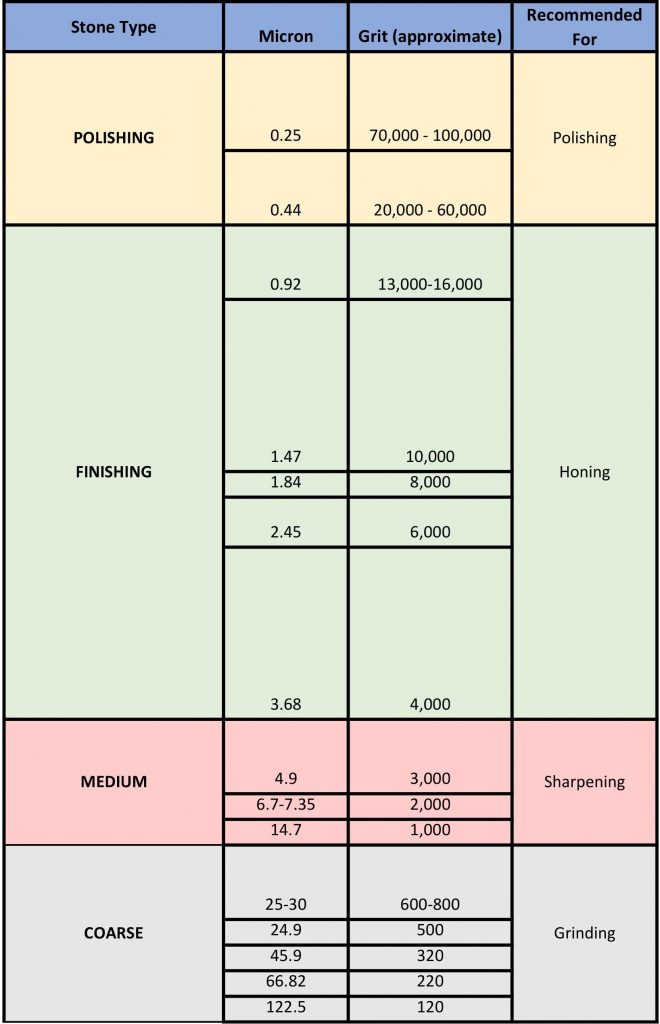
Source: fendrihan.com
PAA-style quick questions (common short answers)
What grit should I start with for a dull chef’s knife?
- Begin at 400–600 if the edge is very dull. Move up to 1000 and then polish.
Can I skip grits when sharpening?
- It is possible but not ideal. Skipping can leave visible scratches, so progress slowly.
How often should I sharpen with stones?
- For home cooks, sharpen 2–4 times a year. Hone weekly with a rod.
This knife sharpening grit guide gives short, clear answers so you can act fast.

Source: sharppebble.com
Frequently Asked Questions of knife sharpening grit guide
What grit is best for daily kitchen knife maintenance?
For daily use, 1000 grit is a good starting point. Finish with a 3000–5000 grit or a strop for better cutting.
Can I sharpen stainless steel with the same grits as carbon steel?
Yes, but stainless often needs coarser grits to start. Hard stainless grades may need diamond stones for faster work.
Is a higher grit always better?
Higher grit gives a finer polish but removes less metal. Use high grit for finishing, not for fixing chips.
How do I know when to stop on a grit?
Stop when the burr is gone and the blade cuts cleanly. Test by slicing paper or shaving a softer wood.
Can I use sandpaper as a grit progression?
Yes, sandpaper on glass can work for polishing. Use proper grit order and be careful not to overheat the edge.
How do I maintain my stones?
Keep waterstones wet while in use, clean slurry off, and flatten them regularly. Diamond stones need less care but still benefit from cleaning.
Will stropping replace fine grit stones?
A strop polishes and refines the edge but does not remove deep scratches. Use stones for shaping and stropping for finishing.
How long does sharpening take?
Simple touch-ups can take minutes; full repairs may take 15–60 minutes. Time depends on damage and your skill.
Are angle guides necessary?
Angle guides help beginners learn consistency. With practice, you can hold angles freehand.
What grit for serrated knives?
Use tapered files or small stones designed for serrations. Work each serration individually; grit choice depends on damage.
Conclusion
This knife sharpening grit guide gives you the map to pick the right abrasive for any task. Start coarse only when needed, follow a logical grit progression, and finish with fine grits and a strop for lasting sharpness. Use tools that match your knives and steel type. Try small tests on scrap or an old knife before working on a favorite blade.
Take action today: choose one grit progression and practice until your strokes feel natural. Share your results or questions below, or subscribe for more hands-on sharpening tips.

Maliha Akter is a kitchen knife reviewer and food preparation specialist with over 6 years of experience testing Japanese kitchen knives and everyday cooking tools. She focuses on performance, safety, durability, and real-world usability to help home cooks choose the right knives for efficient and enjoyable cooking.
Expertise:Japanese Knives • Vegetable Knives • Product Reviews • Kitchen Efficiency • Knife Care