Knife sharpness levels range from dull to razor; each level fits a task and a maintenance routine.
I have worked with knives for years as a cook and sharpener. I know knife sharpness levels well. This guide explains every level, how to measure them, which angle and grit to use, and how to pick the right edge for each job. Read on to learn practical steps, test methods, and real-world tips to keep blades precise and safe.
What "knife sharpness levels" means and why it matters
Knife sharpness levels describe how fine and acute a blade's cutting edge is. They range from blunt and usable to surgical and razor-sharp. Each level changes how the blade cuts, how fast it dulls, and how you must care for it. Understanding knife sharpness levels helps you pick the right angle, tool, and maintenance plan for a specific task. It also reduces accidents and wasted food.
Knife sharpness levels affect:
- Cutting performance
- Edge durability
- Safety and control
- Maintenance frequency
I use this framework when I tune blades for cooking and outdoor tasks. It keeps work fast and safe.

Common knife sharpness levels explained
Here are practical levels you will meet. I list them from dull to extremely sharp.
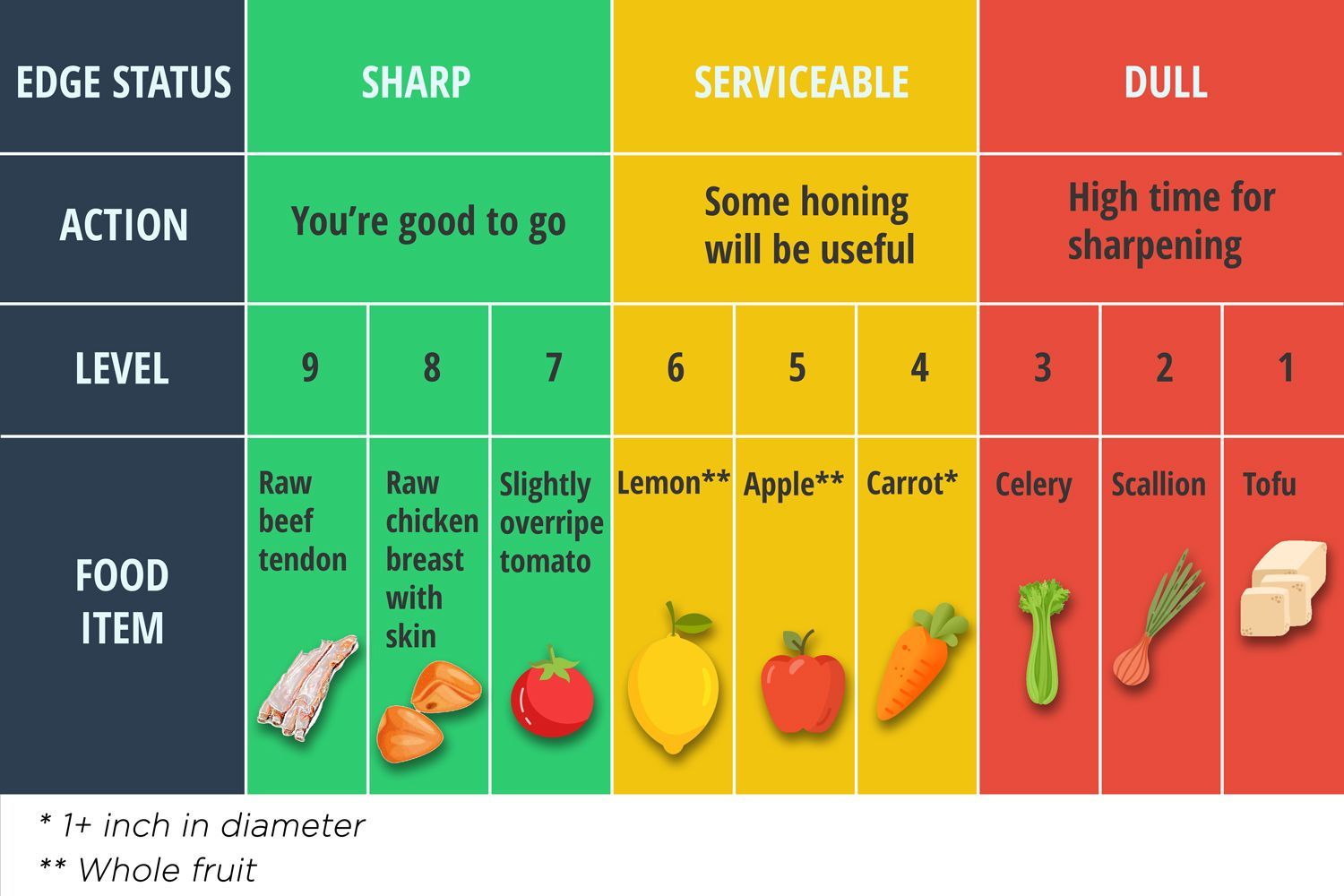
- Dull / blunt
- Edge feels rounded. It drags or crushes food. It needs full resharpening.
- Serviceable / utility
- Cuts paper and soft produce. Good for general tasks. Often at higher angles like 20–25° per side.
- Sharp / kitchen-ready
- Slices tomatoes and onions cleanly. Common for chef knives at 15–20° per side.
- Very sharp / professional
- Cleanly shaves hair and slices thin paper. Often 12–15° per side. Requires careful maintenance.
- Razor / surgical
- Extremely acute. Used for fine filleting or surgical tools. Often below 10° per side and highly polished.
Each level blends angle, steel hardness, and polish. Harder steels take and hold thinner edges. Softer steels need wider angles for strength. Knowing these knife sharpness levels helps you match a blade to the task.

How to measure and test sharpness
You can test sharpeness by feel, tools, and simple cuts. Use a mix for best accuracy.
- Visual check
- Look along the edge. Shiny spots mean rounded or rolled metal. A uniform line means a good edge.
- Paper test
- Slice a sheet of paper. A sharp edge cuts cleanly. A dull edge tears.
- Tomato or onion test
- Try slicing a tomato skin. A sharp blade slides through. Dull blades crush.
- Thumb pad or hair test
- Lightly try to shave hair (careful). If the blade shaves, it is very sharp.
- Measured test
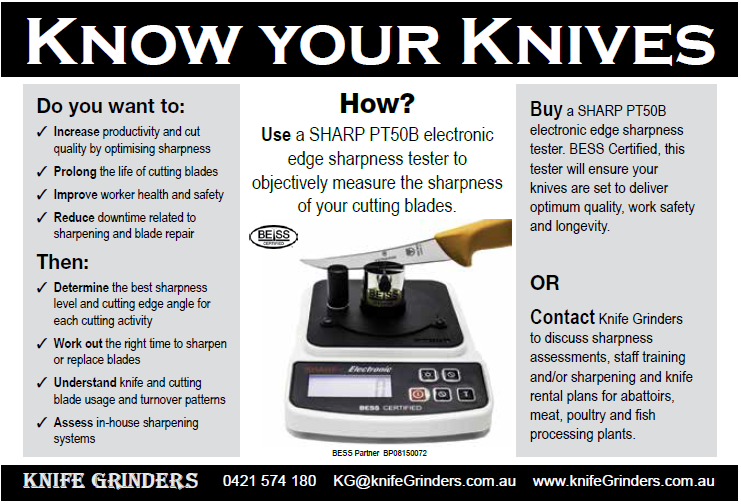
- Use a BESS or similar sharpness tester for grams or newtons. Lower numbers equal sharper edges.
I favor paper and tomato tests for daily checks. For professional work I use a measured tester. These methods map directly to practical knife sharpness levels.

Angles, grit, and the technical side of sharpness
Angle and abrasive grit define the edge geometry and finish. They determine which knife sharpness levels you can reach.
Edge angle
- 8–12° per side: razor and fine slicers.
- 12–15° per side: very sharp kitchen knives.
- 15–20° per side: common chef knives.
- 20–25° per side: durable utility blades.
- 25–30° per side: heavy-duty or inexpensive steel.
Grit progression
- 220–400 grit: repairs and shaping.
- 800–2000 grit: sharpening and refining.
- 3000–8000+ grit: polishing and high-luster finishing.
Steel and hardness
- Hard steels (HRC 60+) hold thin edges better.
- Softer steels need more angle for strength.
Choosing the right angle and grit helps you hit a specific knife sharpness level without risking the edge. I learned to start coarse and move to fine grits. That gives a lasting edge and reduces wasted time.

Tools and methods to reach each sharpness level
Different tools match different levels and needs. Here are common tools and how I use them.
Sharpening stones
- Best for shaping and high-quality edges. Use a coarse stone to set the angle. Move to finer stones for finishing.
Guided systems
- Hold angles consistently. Good for repeatable results and learning.
Electric sharpeners
- Fast and convenient. Use caution; they remove steel quickly and can overheat edges.
Pull-through sharpeners
- Quick fixes. They alter bevels and are best for serviceable edges.
Strops and polishing compounds
- Use for final polish and to remove burrs. Essential for very sharp and razor edges.
Honing rod
- Realigns but does not remove much metal. Good between sharpenings to keep a serviceable edge.
I use stones for major work, a guided system for repeatable jobs, and a strop to finish. That flow matches typical knife sharpness levels from dull to razor.
How to choose the right sharpness level for the task
Match the edge to the task. That saves time and preserves the blade.
- Cutting raw meat and vegetables
- Choose sharp kitchen-ready edges (15–20° per side).
- Fine slicing and precision work
- Go to very sharp or razor levels (10–15° per side).
- Outdoors, batoning, or prying
- Use wider angles (20–30°) for strength and durability.
- Beginner home cooks
- Serviceable edges at 18–20° are safe and easy to maintain.
Choosing lower angles gives cleaner cuts but needs more care. Wider angles are forgiving but cut less cleanly. I test each knife by doing the job it will most often do. That helps pick the best knife sharpness levels.
Maintenance routines tied to sharpness levels
Regular care keeps your chosen sharpness level longer. Here is a simple plan.
- Daily
- Wipe blade. Use a honing rod lightly. Store properly.
- Weekly
- Light stropping or quick touch-up on a fine stone.
- Monthly
- Inspect and sharpen on a stone if edge is dulling.
- As needed
- Reprofile or fix chips with coarse grit.
Use cutting boards that are wood or soft plastic. Avoid glass, marble, or ceramic. This prevents rapid dulling. My blade life increased when I changed boards and added a weekly strop. Routine maintenance ties directly to how often you need to restore knife sharpness levels.

Safety, common mistakes, and how to avoid them
Sharpness matters for safety. A dull blade causes more accidents. Here are common mistakes and fixes.
Mistake: Over-sharpening to extreme angles
- Problem: Edge chips or rolls easily.
- Fix: Pick the right angle for the steel and task.
Mistake: Skipping steps in grit progression
- Problem: You leave micro-chips and a short-lived edge.
- Fix: Use a controlled grit progression and finish with a strop.
Mistake: Using wrong tools
- Problem: Electric or pull-through sharpeners can remove too much steel.
- Fix: Match tool to need. Use stones for real reshaping.
Mistake: Not testing the edge
- Problem: Misjudging sharpness level leads to repeated work.
- Fix: Use paper, tomato, or a measured tester.
I once ruined a thin edge by forcing a wide-angle blade into a sub-10° finish. I now match angle and tool every time. Learning from that error improved my results and safety.
Personal experience and practical tips
I have sharpened kitchen knives and outdoor blades for years. Here are lessons I learned.
- Start with the task in mind. Tune knives for what you do most.
- Practice angle control. Small changes make big differences in knife sharpness levels.
- Use a strop after fine stones. It turns a good edge into a great edge.
- Keep short maintenance sessions. Frequent small touch-ups beat long, rare resharpening.
- Track steel and angle for each knife. I keep a notebook with grit and angle for tools I sharpen often.
These simple habits cut down prep time and extend blade life. They also make achieving specific knife sharpness levels predictable.
PAA-style questions (short answers)
Q: What is the sharpest level a kitchen knife needs?
A: Most kitchens benefit from 12–15° per side for a very sharp edge. This balances cut quality and durability.
Q: How often should I sharpen to maintain a razor edge?
A: Very sharp or razor edges need frequent stropping and touch-ups. Expect to fully sharpen less often but strop often.
Q: Does steel type change the best sharpness level?
A: Yes. Harder steels hold thinner angles better, while softer steels need wider angles for strength.
Frequently Asked Questions of knife sharpness levels
What is the best angle for a general chef's knife?
For most chef knives, 15–20° per side is ideal. It gives a good mix of sharpness and durability for daily kitchen work.
How can I tell if a blade is at a professional sharpness level?
A professional sharpness level will cleanly shave hair and slice paper thinly. You may also notice a smoother, quieter cut through soft foods.
Will a sharper knife make cooking safer?
Yes. Sharp knives cut predictably and require less force, which reduces slips. Proper handling and storage remain essential.
How long does a razor edge last?
A razor edge lasts depending on use and steel. Hard steels with careful use can stay sharp longer, but thin edges will always need more upkeep.
Can I sharpen any knife to a razor level?
Not always. Cheap or soft steels may not hold very thin edges. Match expectations to the steel and construction of the knife.
Is stropping necessary after sharpening?
Stropping removes tiny burrs and polishes the edge. For very sharp or razor levels, stropping is highly recommended.
How do I avoid removing too much metal when sharpening?
Use proper grit progression and controlled pressure. Stop once you achieve a consistent edge and test with paper or a tomato.
Conclusion
Understanding knife sharpness levels helps you choose the right edge for each task. Match angle, grit, and tool to the job. Test edges with simple methods and maintain them with short, regular care. My experience shows that thoughtful sharpening and routine stropping save time and make knives safer. Try one change today: pick the angle that fits your daily tasks and follow a simple maintenance plan. Leave a comment with your sharpening routine or subscribe to learn more sharpening tips.

Maliha Akter is a kitchen knife reviewer and food preparation specialist with over 6 years of experience testing Japanese kitchen knives and everyday cooking tools. She focuses on performance, safety, durability, and real-world usability to help home cooks choose the right knives for efficient and enjoyable cooking.
Expertise:Japanese Knives • Vegetable Knives • Product Reviews • Kitchen Efficiency • Knife Care