Most knife steels balance hardness, toughness, corrosion resistance, and edge retention differently.
If you want a blade that lasts, learn what the steel can and cannot do. In this guide on Knife steel types explained, I break down complex specs into plain advice. I have tested, sharpened, and used many steels in kitchens and the field. You will see how to pick smart, care better, and avoid mistakes.
What makes knife steel different
In Knife steel types explained, we start with trade-offs. No steel does it all. Makers pick a mix that suits the job.
A blade is an alloy of iron, carbon, and other elements. Each part shifts performance. Heat treat then locks it in. Geometry and grind also play a big part.
Think of it like building a team. You cannot play all stars in one spot. You balance roles for the win.
- Carbon adds hardness and edge retention but lowers toughness.
- Chromium fights rust but can reduce toughness and ease of sharpening.
- Vanadium forms small hard carbides for wear resistance and fine edges.
- Molybdenum aids hardenability and improves toughness.
- Nitrogen can boost corrosion resistance and strength in some steels.
How to read a steel spec sheet
Knife steel types explained often sounds like alphabet soup. Use this simple map.
Look at the alloy name and key elements. Then check the heat treat range and target HRC. Match that to your use.
- HRC is Rockwell hardness. Higher is harder but often less tough.
- Carbides are hard particles that resist wear. Size and type matter.
- Powder metallurgy means a finer, cleaner mix with better balance.
I keep notes on maker heat treats because they vary a lot. The same steel can feel very different knife to knife.

Core properties that matter
Here is the heart of Knife steel types explained. Four traits guide most choices.
- Hardness and edge retention. Harder edges stay sharp longer. They may chip more.
- Toughness. Tough blades resist chipping and breaking. They may dull faster.
- Corrosion resistance. Stainless steels shrug off rust. Carbon steels need care.
- Sharpening ease. Simple steels sharpen fast. High-carbide steels take longer.
Pick two or three traits to favor. Then accept the trade-offs with eyes open.
Steel families at a glance
This section of Knife steel types explained maps the main families.
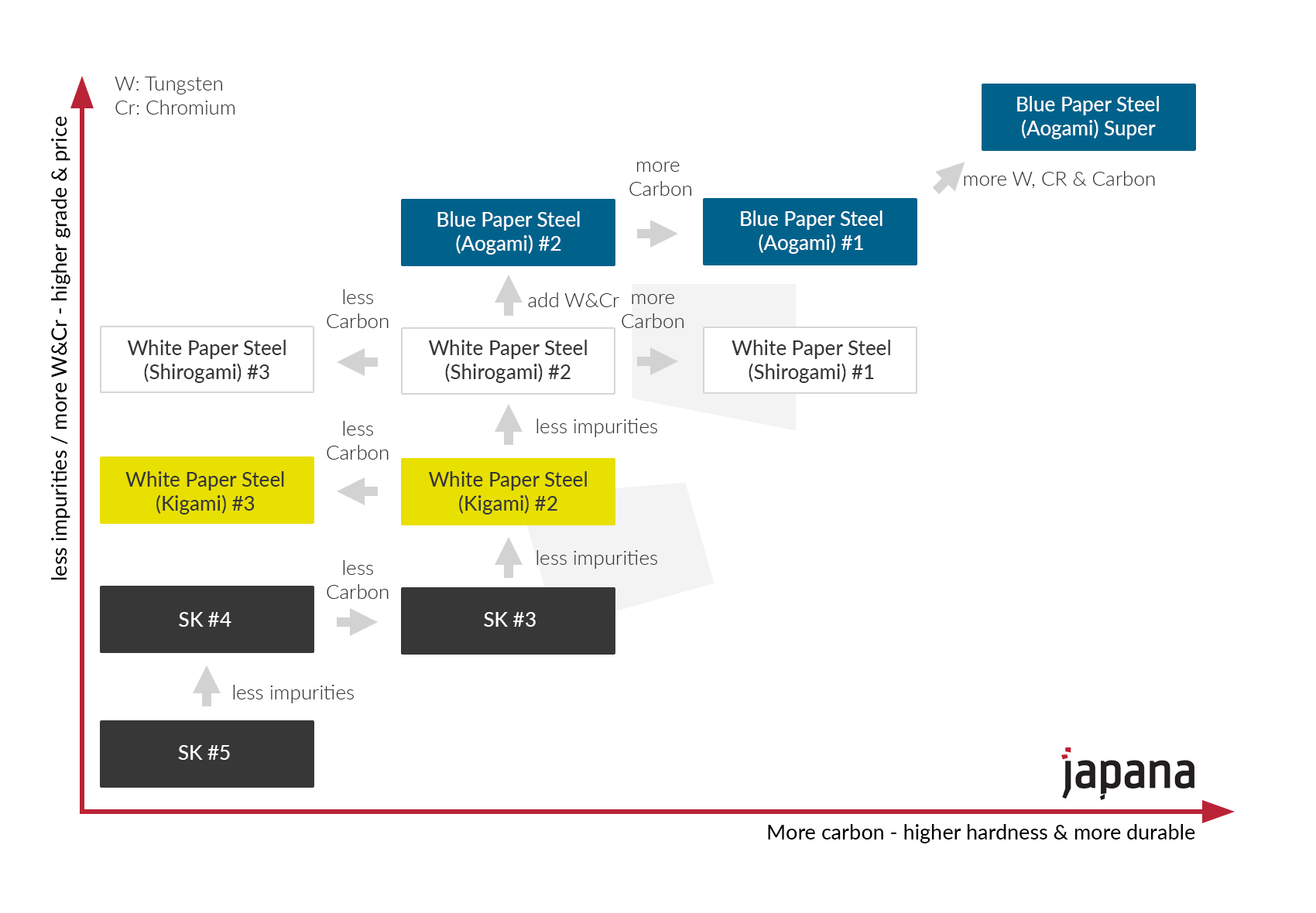
- Simple carbon steels. 1095, 52100, White and Blue steels. Great edges. Need care.
- Mid-grade stainless. 420HC, 440C, AUS-8, 8Cr13MoV. Easy to sharpen. Good for budgets.
- Modern stainless. 14C28N, AEB-L, VG-10, N690. Nice balance for daily use and kitchens.
- Powder metallurgy stainless. S30V, S35VN, S45VN, M390, 20CV, 204P, Magnacut. High performance.
- Tough tool steels. D2, CPM-3V, CruWear. Strong and wear resistant. Not all are stainless.
Names tell you the family. Performance depends on heat treat and grind.

Popular stainless steels for EDC and kitchen
Let’s make Knife steel types explained practical with real picks.
- 14C28N. Clean, fine carbides. Easy to sharpen. Great for beginners and pros.
- AEB-L. Often used in pro kitchen knives. Tough for a stainless. Takes a fine edge.
- VG-10. Strong edge holding and stain resistance. Can chip if ground too thin.
- N690. Stable and stainless. Good for outdoor knives in wet places.
- X50CrMoV15. Common in German kitchen knives. Very easy to sharpen. Soft but forgiving.
- 440C. Classic high carbon stainless. Decent edge life with proper heat treat.
I give AEB-L to home cooks who sharpen less. It keeps them happy.

High-end powder metallurgy steels
This is where Knife steel types explained gets exciting. PM steels push limits.
- S30V and S35VN. Great all-around EDC steels. Good wear with decent toughness.
- S45VN. Slight bump in corrosion and wear over S35VN.
- M390, 20CV, CTS-204P. Sibling steels with very high wear and stain resistance.
- Magnacut. Newer design aimed at a balanced profile. High toughness and corrosion, strong wear.
If you want a premium do-it-all, Magnacut at a good heat treat is hard to beat.

Tough tool steels for hard use
Knife steel types explained must include rough work options.
- CPM-3V. Top-tier toughness. Great for choppers and field knives. Not stainless.
- CruWear. Strong wear with real toughness. Semi-stainless at best.
- D2. High wear and semi-stainless. Can be toothy. Toughness varies with maker.
I carry 3V for camping. It shrugs off batoning and keeps a working edge.
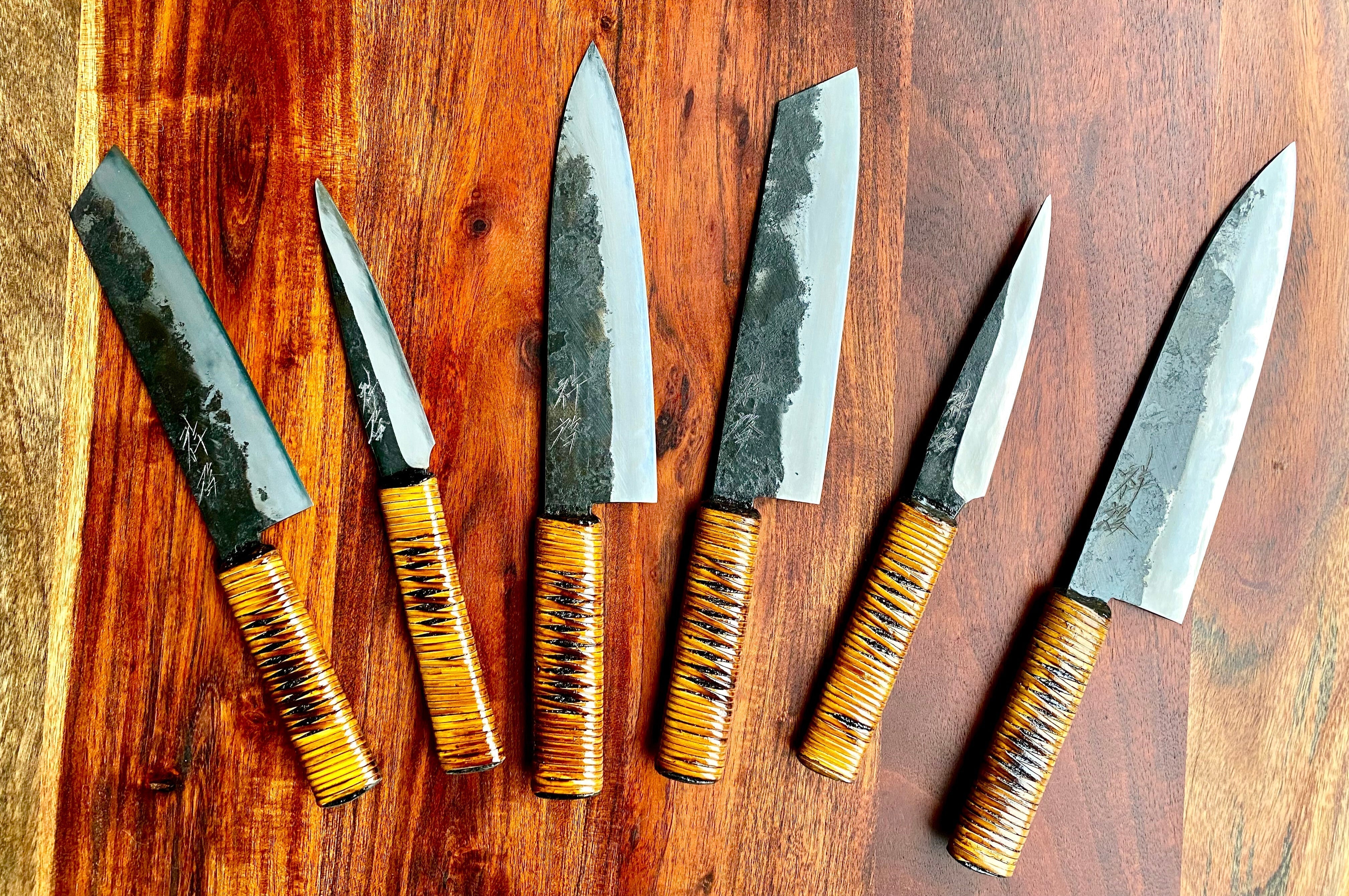
Traditional carbon steels for chefs
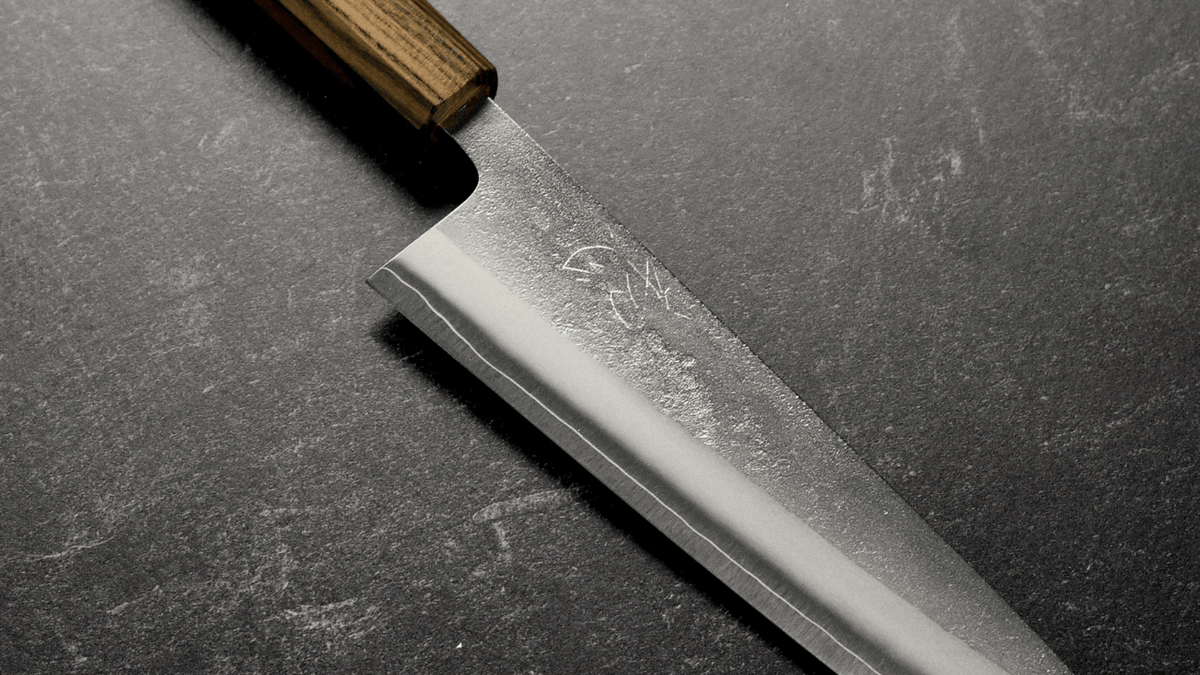
Many pros love these. Knife steel types explained would be incomplete without them.
- Fine grain. Sharpens fast. Great bite on protein and veg.
- White #1 and White #2. Very pure. Scary sharp edges. Need care.
- Blue #1 and Blue #2. More alloy for better edge life. Still easy to sharpen.
These patina with use. Wipe and dry after cutting acidic foods. The reward is sublime cut feel.

Heat treatment, geometry, and grind
Here is the truth behind Knife steel types explained. Heat treat often matters more than the name.
A good maker tailors hardness and temper to the task. Cryo steps can refine carbides. Edge geometry then sets cutting behavior.
- Thin geometry cuts easier but can chip if abused.
- Tough steels allow thinner edges at the same safety margin.
- Coarse finishes add bite. Polished edges glide but can slip on skins.
I have seen cheap AEB-L outcut fancy M390 when the heat treat was dialed in.
Coatings, cladding, and lamination
These extras shape real use. Knife steel types explained must cover them.
- Coatings resist rust and glare. They can add drag as they wear.
- Stainless cladding with a carbon core gives easy care plus top edges.
- San-mai laminates place a hard core between softer walls for toughness.
Coatings are great for saltwater and duty use. Cladding shines in kitchen knives.
Choosing the right steel for you
Let’s turn Knife steel types explained into action. Use this quick map.
Ask how you use the knife, how you maintain it, and your budget. Then pick the best fit.
Everyday carry with light tasks
- 14C28N or AEB-L for easy upkeep.
- S35VN or Magnacut for premium balance.
Outdoor and hard use
- CPM-3V or CruWear for toughness.
- Magnacut for wet, salty places.
Home kitchen
- X50CrMoV15 if you sharpen rarely.
- AEB-L or 14C28N for better edges.
Pro kitchen
- AEB-L, 52100, or Blue #2 if you maintain tools.
- Magnacut or M390 for stain resistance in busy lines.
On a tight budget
- 8Cr13MoV with good heat treat beats bad “premium” steel.
- 440C or AUS-8 from solid makers are fine.
Care and maintenance tips
Care completes Knife steel types explained. It protects your edge and your money.
- Wash by hand, dry right away, and store safely.
- Use a soft board. Wood or quality plastic helps edges last.
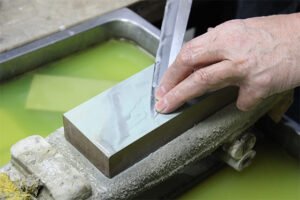
- Touch up often on a strop or fine ceramic.
- Set angles right. 15 degrees per side for kitchen. 17 to 20 for EDC.
- Oil carbon steels thinly if you live near water.
Small habits beat big overhauls. Your knife will thank you.
My field notes and common mistakes
Here is the human side of Knife steel types explained.
I once chased max hardness on a thin VG-10 chef’s knife. It chipped on a squash. I reprofiled, eased the edge, and it became a joy.
I tested AEB-L and 52100 side by side in prep. Both took screaming edges fast. AEB-L needed less wiping. 52100 felt silkier on herbs.
Avoid these traps
- Buying a steel name, not a good heat treat.
- Ignoring geometry and board choice in kitchens.
- Pushing dull knives harder. Touch up early.
- Using pocket knives as pry bars.
Pick for your life, not for a spec sheet.
Frequently Asked Questions of Knife steel types explained
What is the best steel for a kitchen knife?
There is no single best steel. AEB-L and 14C28N are great for most cooks due to balance and easy care.
What is the best steel for a survival knife?
CPM-3V is a strong pick for extreme toughness. Magnacut is great if you also need top corrosion resistance.
Is D2 stainless?
D2 is semi-stainless. It can stain or rust if left wet, so wipe and oil as needed.
Does higher HRC mean better edge retention?
Usually yes, within reason. Very high HRC can chip if the grind is thin or heat treat is poor.
Why does my premium steel chip?
Chips often come from thin edges, hard cutting surfaces, or bad heat treat. Add a small micro-bevel and use a softer board.
Are powder steels hard to sharpen?
They can take longer due to hard carbides. Use quality stones and a steady angle for good results.
Is Magnacut overhyped?
It is not hype, but heat treat still matters. When done right, it balances toughness, stain resistance, and edge life very well.
Conclusion
Knife steel is about trade-offs, not magic names. Now you can match steel to your use, care routine, and budget with confidence. Pick smart, maintain well, and your edge will reward you every day.
Ready to go deeper? Try one new steel this month, keep notes, and share your results. Subscribe for more field-tested guides, or drop a question in the comments so we can solve it together.

Maliha Akter is a kitchen knife reviewer and food preparation specialist with over 6 years of experience testing Japanese kitchen knives and everyday cooking tools. She focuses on performance, safety, durability, and real-world usability to help home cooks choose the right knives for efficient and enjoyable cooking.
Expertise:Japanese Knives • Vegetable Knives • Product Reviews • Kitchen Efficiency • Knife Care