A knife types guide maps blade styles, uses, materials, and care for every kitchen and field need.
I have spent years testing blades in kitchens, workshops, and outdoors. This knife types guide distills that experience into clear, reliable advice. Read on to learn which knife fits each task, how to choose materials, and practical care tips that keep blades sharp and safe.

Understanding knife types guide: core concepts
A solid knife types guide starts with three basics: blade shape, blade material, and intended use. Blade shape tells you what a knife does best. Blade material drives edge retention, corrosion resistance, and ease of sharpening. Use tells you when to buy a chef's knife, a paring knife, or a fixed-blade outdoors knife. This section builds the foundation for choosing and using knives well.

Most common knife types and when to use them
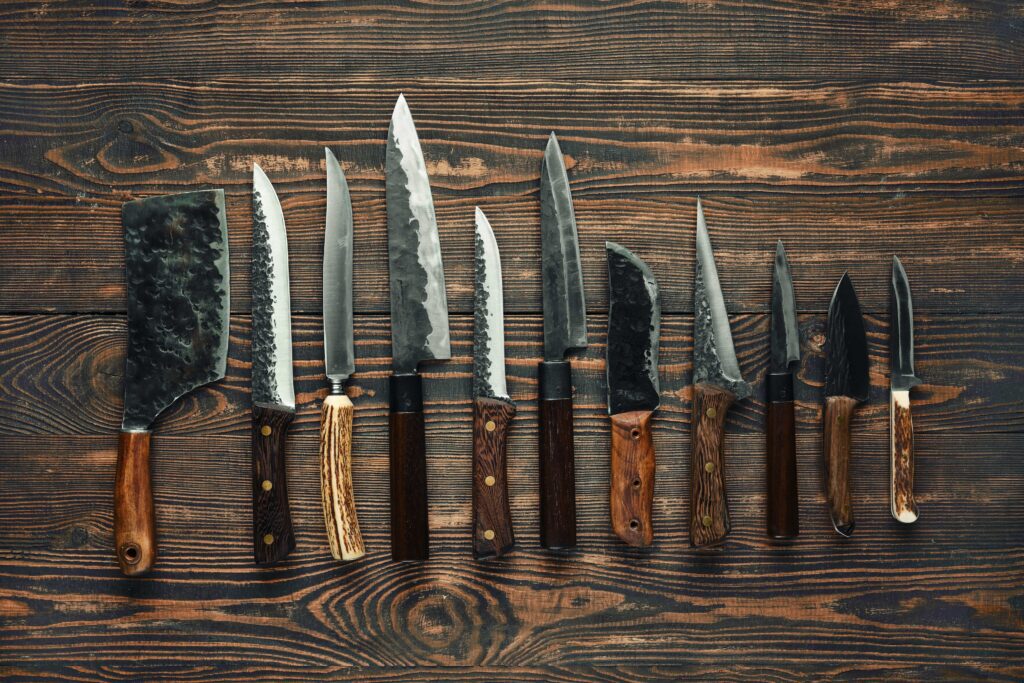
Below are core knife types you will meet in any knife types guide. Each entry explains shape, common size, and best uses.
Chef's knife
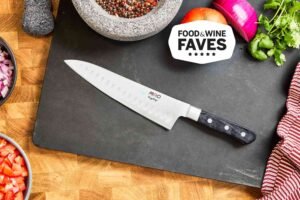
A 8-10 inch all-round kitchen blade for chopping, slicing, and dicing. It has a broad, curved belly that rocks on a board. Use it for vegetables, meat, and general prep.
Santoku
A 5-7 inch Japanese-style blade for slicing and chopping. It has a flatter profile and often dimples for release. Use it if you prefer push-cutting over rocking.
Paring knife
A small 3-4 inch knife for precise tasks. Peeling, trimming, and small cuts are its strengths. Keep one in every kitchen drawer.
Utility knife
A mid-size 5-7 inch blade for tasks too big for a paring knife but too small for a chef's knife. Good for sandwiches, fruit, and light prep.
Bread knife
A long serrated blade for slicing bread, cakes, and soft fruits. Serrations cut without crushing. Replace if serrations wear out.
Cleaver
A heavy, rectangular blade for chopping through bones and thick produce. Use force with care. It's also handy for crushing garlic.
Fillet and boning knives
Thin, flexible blades for separating meat from bone and for delicate filleting. Choose flexibility for fish and stiffness for poultry.
Santoku vs Chef's knife: quick comparison
Choose a chef's knife for versatility and heavy tasks. Choose a santoku for precise, thin slices and a smaller workspace.

Knife materials and steel types explained
Material matters in any knife types guide. Here are the common materials and what they mean in practice.
Stainless steel
Resists rust and stains. Easier to care for. Edge may not hold as long as high-carbon steels.
High-carbon steel
Holds a keen edge and sharpens well. Prone to rust if not cared for. Great for serious cooks who maintain their blades.
Powder metallurgy and tool steels
Offer top edge retention and toughness. Often used in high-end knives. They can be harder to sharpen but stay sharp longer.
Ceramic blades
Very sharp and rust-proof. Brittle; they chip if misused. Good for light, non-impact tasks.
Handle materials
Wood feels warm and classic but needs care. Synthetic handles like G-10 or Micarta handle moisture and heavy use well. Stainless or metal handles are durable but can feel cold.
Blade shapes, grinds, and performance
Blade geometry defines how a knife cuts. Know these terms to use and buy wisely.
Edge grinds
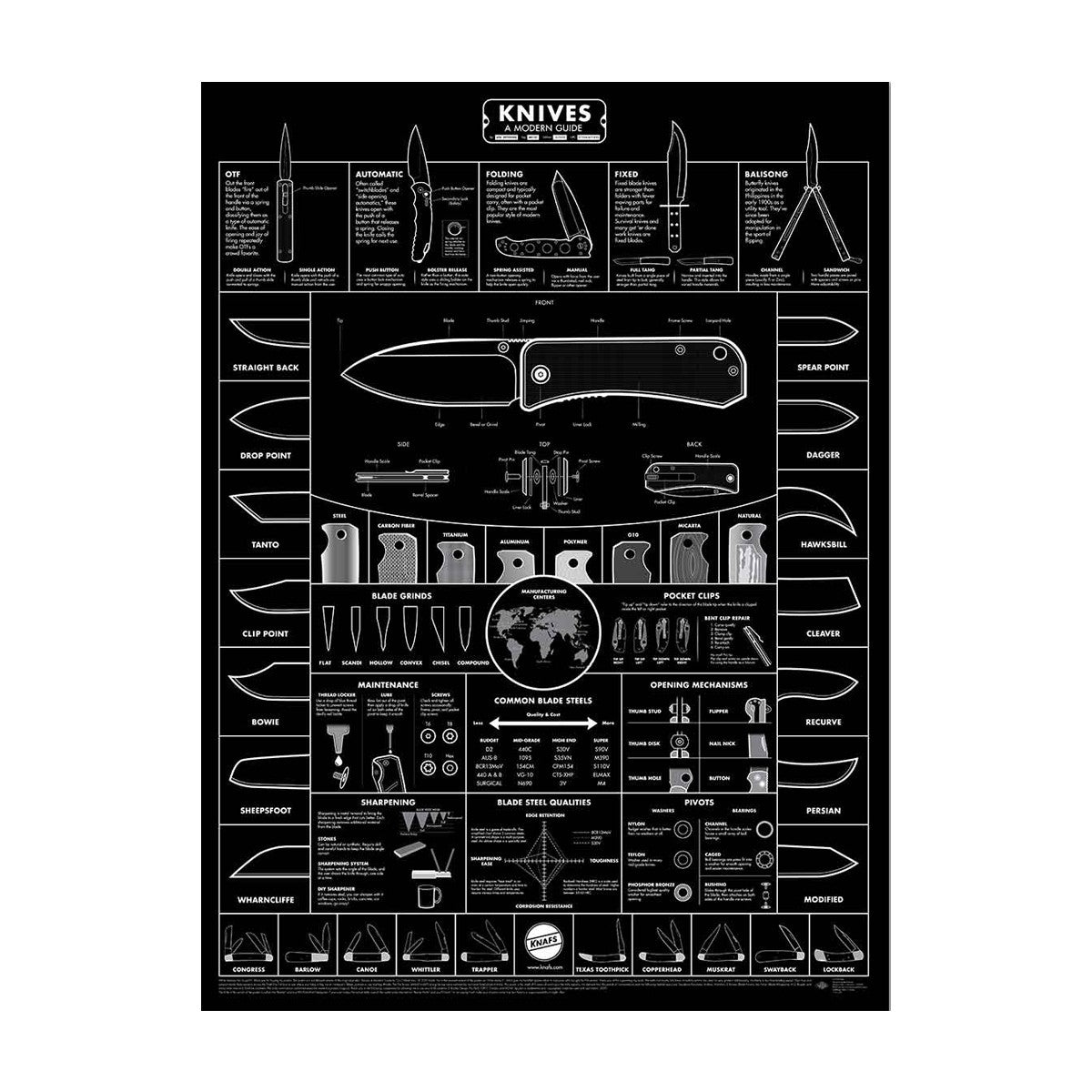
Flat, hollow, and convex grinds change cutting feel and durability. Hollow grinds are sharp but can dull faster. Convex grinds add durability and are great for heavy work.
Tip shapes
Drop point, clip point, and tanto tips suit different tasks. Drop points are versatile. Clip points give a sharper tip. Tanto tips are strong for piercing.
Edge angle
Smaller angles (15° per side) cut very sharp yet require more care. Larger angles (20°+) are tougher and last longer for hard use.

How to choose the right knife: practical buying guide
Use this checklist from my real-world testing to choose wisely when reading any knife types guide.
- Match knife type to job. Buy a chef's knife for general work and a paring knife for detail.
- Consider hand size. Hold a knife before buying to check balance and comfort.
- Think maintenance. If you won't sharpen often, pick stainless steel with easy care.
- Budget realistically. A good mid-range knife often beats a cheap high-end model.
- Buy fewer good knives rather than many poor ones.
People also ask: Which knife should a beginner buy?
A 8-inch chef's knife is the best single start. It covers most kitchen tasks and teaches technique.
People also ask: Are expensive knives worth it?
They can be if you value edge life, balance, and materials. But skill and care matter more than price alone.
Care, sharpening, and maintenance tips
Good care prolongs a knife’s life. These steps are simple and effective.
- Clean by hand with warm water and mild soap. Dry immediately to prevent rust.
- Use a honing rod to realign the edge between sharpenings. Do this weekly with regular use.
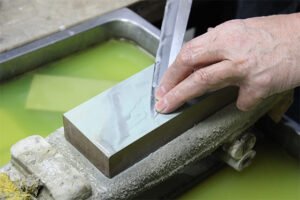
- Sharpen with a whetstone or guided system when honing fails. Learn proper stone angles or get a pro to stone your knives.
- Store in a block, magnetic strip, or sheath to protect edges and prevent accidents.
- Avoid dishwashers. Heat and detergents can ruin handle glue and blade temper.
From my experience, poor storage is the fastest way to dull a knife. I lost a favorite blade to a drawer nick. After that I used a magnetic strip and the edge stayed true for months.

Safety, handling, and legal considerations
Respect blades to avoid injury and trouble. Safety is central in any knife types guide.
- Cut away from your body and keep fingers tucked in a claw grip.
- Keep knives sharp. Dull blades slip and cause more cuts.
- Know local laws about carrying fixed blades. Rules vary by state and country.
- Use proper tools for non-cutting tasks; do not pry with a blade.
I once slipped while cleaning, and a dull knife caused a deeper cut than a sharp one would have. That taught me to respect both technique and blade condition.
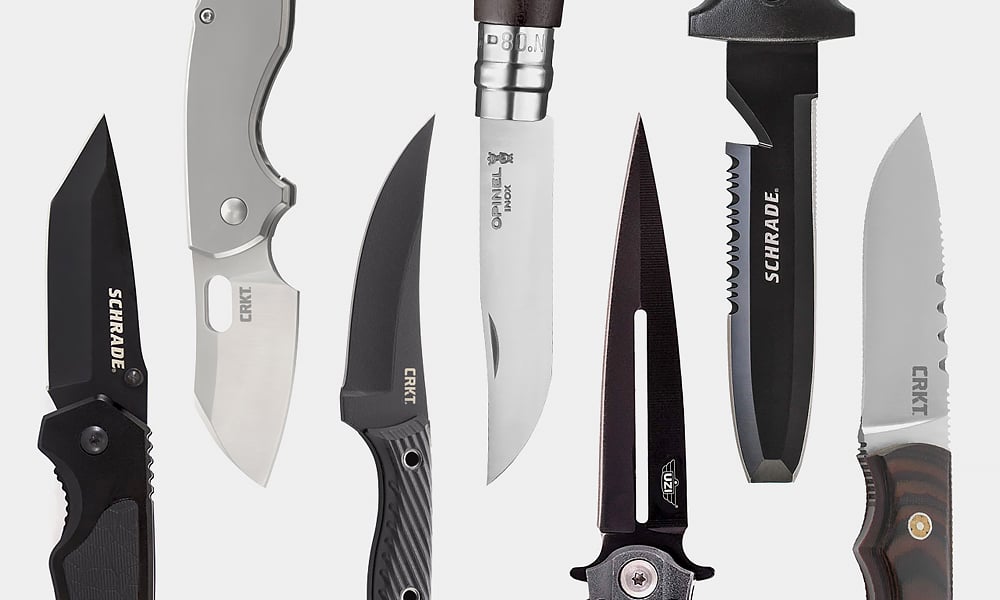
For outdoor and tactical knife users
Outdoor knives need to be tough, versatile, and low maintenance.
- Fixed blades provide strength for camping and survival tasks.
- Folding knives are compact and legal in many places, but check lock quality.
- Choose corrosion-resistant steels for wet climates.
- Consider multi-tools for added utility in a light pack.
I tested a fixed-blade on a week-long trip. The hard steel and simple handle survived batoning and food prep without issue.
My top mistakes and lessons learned
Real experience makes a knife types guide useful. Here are common mistakes I made so you don't repeat them.
- Buying by looks alone. A pretty knife can be uncomfortable and blunt fast.
- Neglecting sharpening. Skipping proper sharpening turned a great blade into a chore.
- Storing loose in a drawer. This causes chips and dangerous handling.
- Ignoring handle fit. A poorly fitting handle leads to fatigue and slips.
Fix these and your knives will perform for years.
Frequently Asked Questions of knife types guide
What is the best all-purpose knife?
A 8-inch chef's knife is the best all-rounder for most cooks. It handles chopping, slicing, and dicing well.
How often should I sharpen my knives?
Sharpen when honing no longer restores the edge; for home cooks this is every few months. Heavy users may need to sharpen monthly.
Is stainless or high-carbon steel better?
Stainless resists rust and needs less care. High-carbon holds a finer edge but requires more maintenance.
Can I use one knife for everything?
You can, but specialized knives make tasks safer and easier. A good chef's knife plus a paring knife covers most needs.
How do I store knives safely?
Use a knife block, magnetic strip, or blade guards. Avoid loose drawers to prevent damage and injuries.
Conclusion
This knife types guide gives you clear, usable knowledge. You now understand blade shapes, materials, care, and safety. Use the checklist to pick knives that match your tasks and habits. Start by choosing one versatile knife, learn basic care, and add specialized blades as you need them. Try a new knife responsibly, keep it sharp, and share your results or questions below.

Maliha Akter is a kitchen knife reviewer and food preparation specialist with over 6 years of experience testing Japanese kitchen knives and everyday cooking tools. She focuses on performance, safety, durability, and real-world usability to help home cooks choose the right knives for efficient and enjoyable cooking.
Expertise:Japanese Knives • Vegetable Knives • Product Reviews • Kitchen Efficiency • Knife Care