A meat knife guide explains blade types, uses, and care so you cut meat safely and cleanly.
I have spent years testing knives in home and professional kitchens, and this meat knife guide condenses that hands-on experience into clear advice. Read on for an expert, practical breakdown of styles, features, care, and techniques that will help you pick, use, and maintain the right knife for every meat task.

Why a meat knife guide matters
A good meat knife guide helps you match the right blade to tasks. It reduces waste, speeds prep, and improves safety. This guide covers definitions, benefits, limits, and the reasons one knife does not fit all. You will learn which knife to use for trimming fat, breaking down joints, carving a roast, or filleting fish.
Key benefits covered in this meat knife guide:
- Better cuts and texture control
- Faster prep and less waste
- Safer handling and fewer slips
- Lower long-term cost through proper care

Types of meat knives
Understanding knife types is core to this meat knife guide. Each style has a purpose. Below are common knives and when to use them.
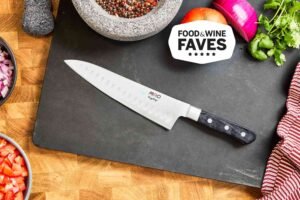
Chef’s knife
A versatile blade for chopping, slicing, and general prep. Use for trimming fat and cutting smaller roasts.
Carving and slicing knives
Long, narrow blades made for thin, even slices of cooked meat. Great for roasts and ham.
Boning knife
Thin, flexible or stiff blade to work around bones and joints. Ideal for deboning poultry and fish.
Cleaver
Heavy, thick blade for splitting bones and tough connective tissue. Use for large chops and bone-in cuts.
Fillet (filet) knife
Very thin, flexible blade for filleting fish and delicate trimming.
Serrated knives
Useful for crusted roasts or very soft meats where a sawing action helps.
This section of the meat knife guide helps you pick a blade based on task, not style alone.

Key features to look for
This meat knife guide stresses features that matter most when buying a knife.
- Blade steel and quality
- High-carbon stainless steel balances edge retention and corrosion resistance. Superior steels hold an edge longer.
- Blade length
- 8 to 10 inches is common for carving and chef knives. Shorter blades work for poultry and small cuts.
- Edge type
- Plain edge for clean slices. Granton or hollow edges reduce sticking.
- Flexibility
- Flexible blades suit filleting. Stiff blades suit boning and chopping.
- Handle ergonomics and material
- Comfortable grip reduces fatigue. Waterproof materials resist bacteria and swelling.
- Tang and balance
- Full tang adds strength and balance. A balanced knife feels steady in the hand.
- Maintenance needs
- Harder steels need less frequent sharpening but are harder to sharpen when dull.
These features in the meat knife guide determine fit for purpose and lifespan.

How to choose the right knife for different cuts
A practical meat knife guide helps you match knife to meat and task. Below are quick guidelines.
- Whole poultry and small joints
- Use a boning knife for joints and a chef’s knife for general prep.
- Large roasts and holiday meats
- Use a carving or slicing knife for thin, even slices. A chef’s knife can prep and portion.
- Bone-in cuts and ribs
- Use a cleaver or heavy chef’s knife to separate bones. Use a boning knife to remove meat from bone.
- Fish and delicate fillets
- Use a fillet knife to follow the skin and remove pin bones.
- Ground meat and burger prep
- Use a chef’s knife to break up and portion. No special knife required.
Follow these simple choices from this meat knife guide to improve yield and presentation.

Care, sharpening, and maintenance
This meat knife guide emphasizes that care equals performance. A sharp knife is safer and cleaner.
- Cleaning
- Wash by hand with warm water and mild soap. Dry immediately to prevent corrosion.
- Honing vs sharpening
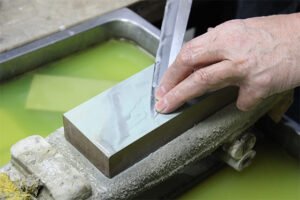
- Hone weekly to realign the edge. Sharpen with stones or guided systems when the blade resists cutting.
- Sharpening basics
- Use a 15–20 degree angle for most Western knives. Use a finer angle for Japanese-style blades.
- Stones and tools
- Water stones, diamond stones, and guided sharpeners all work. Stropping polishes and refines the edge.
- Storage
- Use a magnetic strip, knife block, or blade guard to protect edges and hands.
- Safety checks
- Inspect for chips, loose handles, or rust. Repair or replace damaged knives.
I learned from a busy kitchen that sharpening every few months keeps prep fast and safe. This meat knife guide recommends simple habits that protect your knives and food.

Safe techniques and best practices
This part of the meat knife guide focuses on safe handling and efficient cutting.
- Grip and stance
- Use a pinch grip on the blade near the bolster for control. Keep your feet shoulder-width apart.
- Cutting board choice
- Use wood or high-density plastic. Avoid glass or stone, which dull blades.
- Knife angles and motion
- Use slicing motion with long blades and short back-and-forth steps for boning.
- Stabilizing food
- Use a towel or grip to steady slippery items. Trim excess fat before precision cuts.
- Avoiding cross-contamination
- Use separate boards for raw meat and ready-to-eat foods. Sanitize boards and knives after use.
- Transport and storage safety
- Use blade guards or sheaths when moving knives. Store out of reach of children.
These safe habits in the meat knife guide reduce accidents and food safety risks.

Common mistakes and practical tips
Avoid these common errors noted in this meat knife guide and learn easy fixes.
- Mistake: Using the wrong knife for the job
- Fix: Match blade type to task for easier cuts and less waste.
- Mistake: Cutting on glass or stone surfaces
- Fix: Use wood or plastic boards to preserve edges.
- Mistake: Not sharpening regularly
- Fix: Hone often and schedule sharpening when slicing slows.
- Mistake: Poor grip and wrist strain
- Fix: Use the pinch grip and keep your wrist neutral.
- Mistake: Storing knives loosely in a drawer
- Fix: Use a block, magnetic rack, or blade guards.
These tips from real kitchen work are the meat knife guide’s most practical takeaways.

Personal experience: lessons from the kitchen
I have handled hundreds of knives while cooking for friends and in restaurants. A few lessons stand out.
- Start with a mid-priced, well-balanced chef’s knife. It does most jobs well.
- When butchering a roast, take your time. The right knife and steady strokes save meat.
- I once ruined a blade by leaving it wet overnight. Now I dry and oil edges when needed.
- Practice basic sharpening on a water stone. The first few times are slow, but the results pay off.
These real-world insights make this meat knife guide practical and grounded.
Frequently Asked Questions of meat knife guide
What is the best knife for carving a holiday roast?
A long, narrow carving or slicing knife is best. It yields thin, even slices and keeps juices intact.
How often should I sharpen my meat knives?
Hone weekly and sharpen every few months depending on use. High-use knives may need more frequent sharpening.
Can I use one knife for all meat tasks?
One quality chef’s knife covers many tasks, but specialized knives like boning and fillet knives improve results for specific jobs. Using the right tool reduces effort and waste.
Is stainless steel better than carbon steel for meat knives?
Stainless steel resists rust and needs less maintenance, while carbon steel often sharpens easier and holds a keen edge. Choose based on your willingness to maintain the blade.
How do I avoid cross-contamination with meat knives?
Use separate cutting boards for raw meat and ready-to-eat foods, wash knives and boards thoroughly after contact, and sanitize surfaces to prevent bacteria spread.
What angle should I sharpen meat knives at?
Most Western knives sharpen well at 15–20 degrees per side. Japanese-style knives may use finer angles for a sharper edge.
Are serrated knives useful for raw meat?
Serrated blades help with crusted roasts or delicate textures but are less ideal for trimming raw meat. Use serrated knives for specific tasks, not general butchery.
Conclusion
This meat knife guide gives clear steps to choose, use, and care for knives that make meat prep safer and more efficient. Pick the right blade, keep it sharp, and practice safe cutting habits to get better results and save time. Put one tip into action today: sharpen or hone a knife before your next cook, and notice the difference. If this guide helped, subscribe for updates, try the techniques, or leave a comment with your own knife tips.

Maliha Akter is a kitchen knife reviewer and food preparation specialist with over 6 years of experience testing Japanese kitchen knives and everyday cooking tools. She focuses on performance, safety, durability, and real-world usability to help home cooks choose the right knives for efficient and enjoyable cooking.
Expertise:Japanese Knives • Vegetable Knives • Product Reviews • Kitchen Efficiency • Knife Care