Nakiri knife blade shape is a flat, rectangular Japanese vegetable cutting blade.
I’ve spent years using and testing kitchen knives, and the nakiri knife blade shape stands out for one clear reason: it was built to make quick, clean work of vegetables. In this guide I’ll explain the shape, why it matters, how it affects cutting, what steels and grinds pair best with it, and how to choose and care for a nakiri that fits your kitchen. Expect clear tips, real-world notes from my own kitchen tests, and practical buying advice so you can pick the right nakiri knife blade shape for your needs.

What is the nakiri knife blade shape?
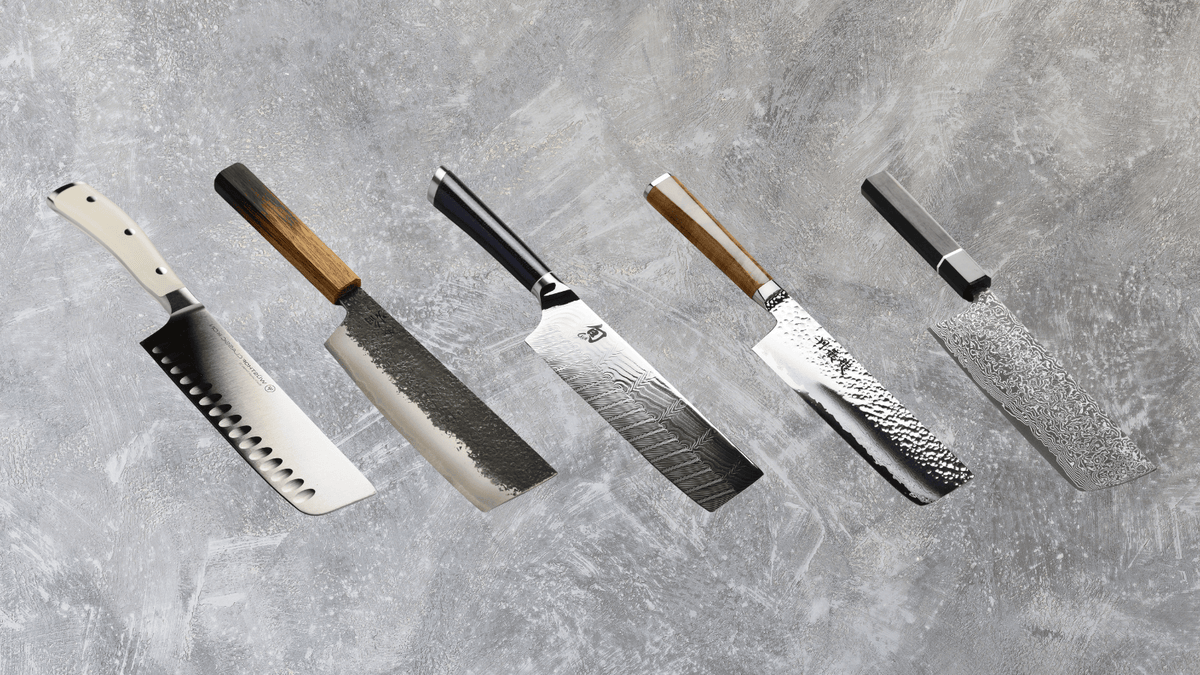
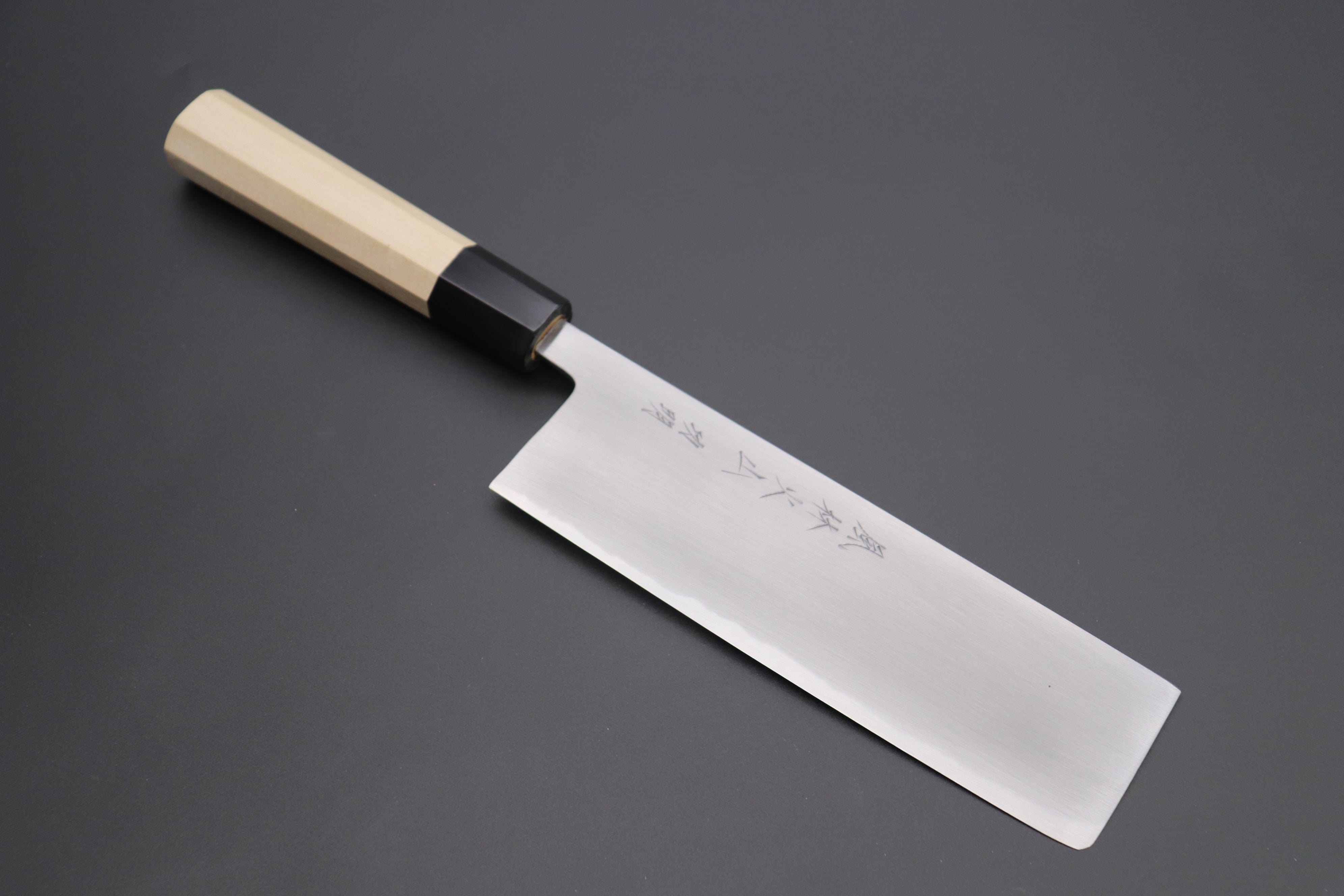
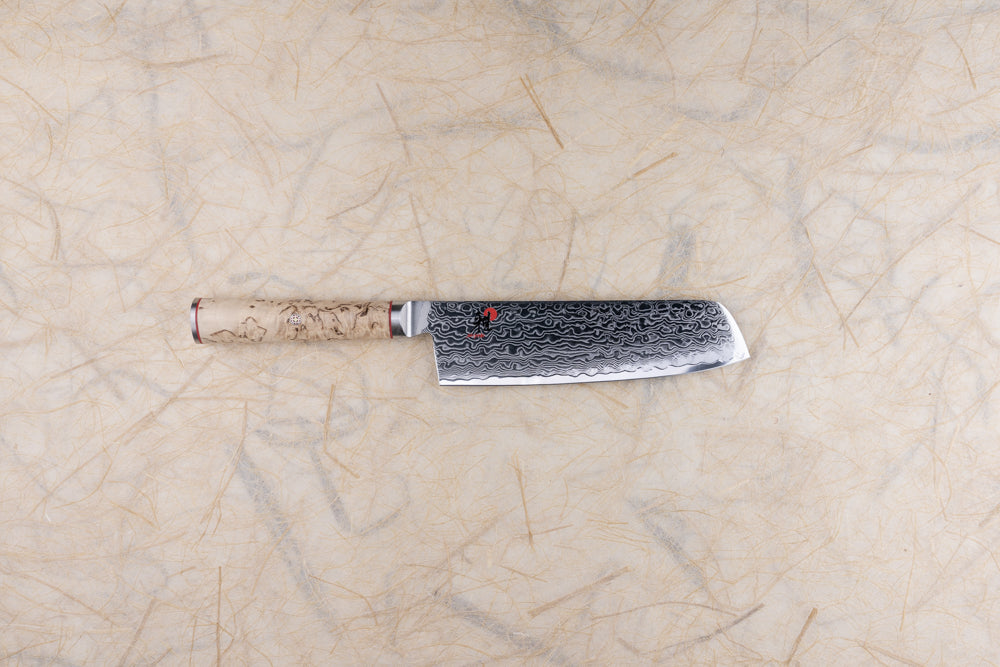
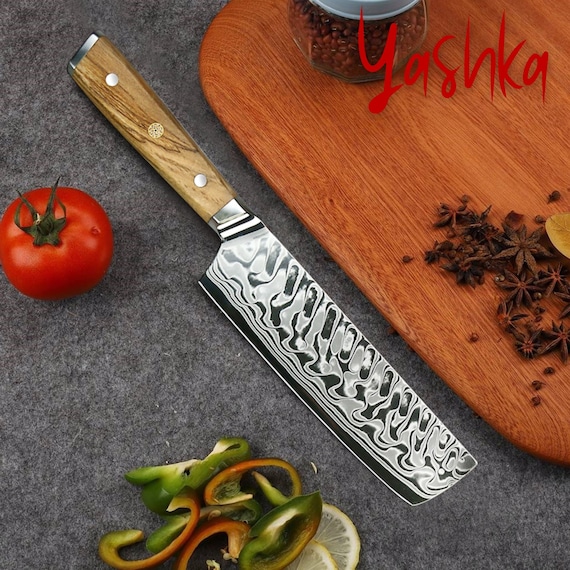
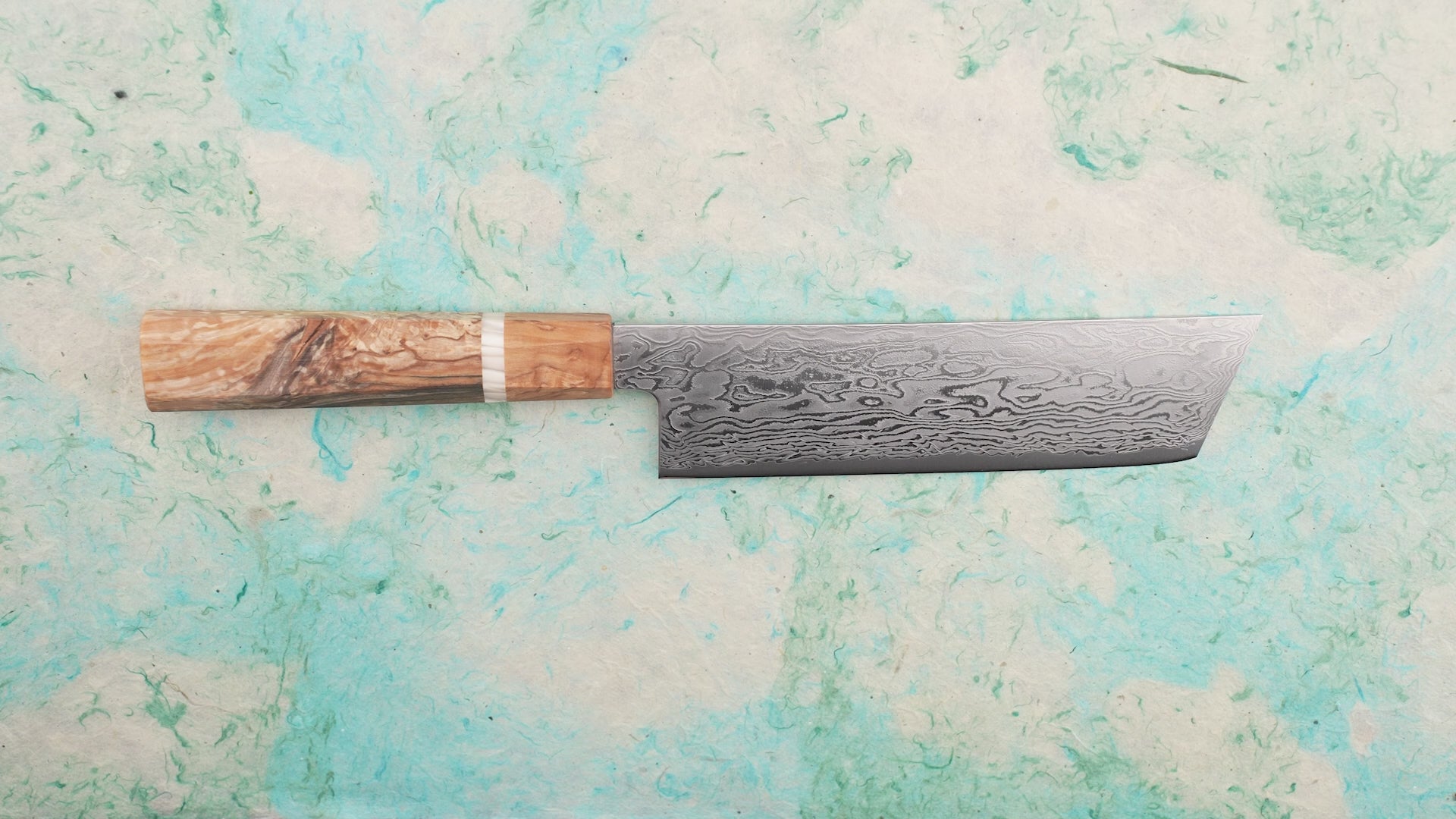
The nakiri knife blade shape is a straight-edged, rectangular profile. It has a flat cutting edge and a squared-off tip. That flat edge lets the blade contact the cutting board evenly. This reduces rocking and makes push and chop cuts more efficient. The tall blade height gives knuckle clearance and a large surface for scooping chopped food. The nakiri knife blade shape is common in Japanese kitchens and is now popular worldwide.
Source: cutleryandmore.com
Key features of the nakiri knife blade shape
The nakiri knife blade shape has a few defining features that affect performance.
- Flat cutting edge for even contact and consistent slices.
- Rectangular tip for straight cuts and minimal rocking.
- Tall blade profile for knuckle clearance and scooping.
- Thin, light blade for quick, low-friction cuts.
- Usually double-bevel, with symmetric edge angles for right and left handed users.
These features make the nakiri knife blade shape ideal for vegetables. The shape focuses on control and speed rather than heavy-duty tasks like bone cutting. If you want one knife for delicate vegetable work, the nakiri knife blade shape often fits the bill.
Source: japanesechefsknife.com
How the nakiri blade shape affects cutting performance
The nakiri knife blade shape changes the way you cut.
- Slicing and chopping stay true and straight because the edge stays flat.
- Push cuts and straight-down chops are precise thanks to the rectangular tip.
- The tall blade lets you push piles of chopped food off the board with a single motion.
- Thin blades slice with less force, which preserves texture in delicate vegetables.
- Lack of a curved belly reduces rocking, so some cooks prefer a slight pull with each cut.
From my experience, speed improves quickly with a nakiri knife blade shape. You must learn to stop rocking and use a push-cut rhythm. After a week of practice, your prep time will drop and slices will be more uniform.

Source: cutleryandmore.com
Materials and construction: how shape pairs with steel and grind
The nakiri knife blade shape works with many steels and grinds. Choice of steel affects edge retention, ease of sharpening, and corrosion resistance.
- High-carbon steels hold a razor edge and are easy to sharpen but need more care to avoid rust.
- Stainless steels resist rust and patina. They are handy for busy kitchens.
- Powder metallurgy and modern steels offer strong edge retention but can be harder to sharpen.
- Thin cross-sections suit the nakiri shape. Thinner backs and edges reduce drag.
- Grinds: a flat or slightly convex grind supports the flat edge. A chisel grind appears in some traditional nakiri knives for ultra-clean vegetable cuts.
Edge angle matters too. Many nakiri knife blade shape edges sit around 15 to 20 degrees per side for a double-bevel. A smaller angle slices better but is more fragile. Match the steel to the angle. Harder steel keeps a fine angle longer. Softer steel is easier to sharpen after wear.
Source: knifewear.com
Sharpening and maintenance for nakiri knife blade shape
Care keeps the nakiri knife blade shape working at its best.
- Sharpen at the correct angle. Aim for 15 to 20 degrees per side on most double-bevel nakiri blades.
- Use a whetstone for best results. Start with 1000 grit and finish at 3000–6000 grit.
- Keep strokes even from heel to tip to preserve the flat edge.
- Stropping can polish the edge and remove micro burrs.
- Clean and dry the blade after use. Store in a sheath, knife roll, or on a magnetic strip.
From my tests, a nakiri used for daily veggie prep needed a quick touch-up every 2–3 weeks. Heavy use or cutting sandy vegetables will wear the edge faster. If your nakiri knife blade shape has a single bevel, follow the same logic but pay attention to the side-specific bevel during sharpening.

Source: sharpedgeshop.com
Choosing the right nakiri based on blade shape and use
Picking the right nakiri knife blade shape depends on your kitchen habits.
- Home cooks who prep lots of veggies should choose a medium length (165–180 mm) nakiri for balance.
- Professional chefs or those making large batches may prefer a 180–210 mm blade for reach and speed.
- Thinner blades offer cleaner slices but can chip with misuse.
- Taller blades give more scooping area and better knuckle clearance.
- Consider handle comfort and balance; the blade shape alone doesn’t make a knife feel right.
When buying, hold the knife. A nakiri knife blade shape should feel light and stable. Try some test cuts if possible. If you cook with a lot of root vegetables, consider a slightly thicker blade. If you mostly slice lettuces and herbs, choose a very thin nakiri blade.
Source: etsy.com
Common mistakes and personal tips from experience
I’ve made a few mistakes learning nakiri use. I’ll share what saved me time and money.
- Mistake: using a nakiri like a cleaver on bones. Result: chipped edge. Tip: use a heavier cleaver for bones.
- Mistake: sharpening at inconsistent angles. Result: poor edge life. Tip: use a guide or mark the bevel with a sharpie to train consistency.
- Mistake: letting the blade air-dry with food residue. Result: stains and rust on high-carbon blades. Tip: always hand wash and dry.
- Tip: rest your knuckles on the spine for control. The flat edge prefers straight push cuts.
- Tip: if you want more rocking feel, choose a nakiri with a slight belly or use a gyuto for mixed tasks.
These practical lessons came after weeks of testing different nakiri knife blade shape models. Small changes in technique made chopping faster and edges last longer.
Source: knifewear.com
Frequently Asked Questions of nakiri knife blade shape
What makes the nakiri knife blade shape different from a santoku or gyuto?
The nakiri knife blade shape is flat and rectangular with a squared tip, while santoku and gyuto have curved bellies for rocking. Nakiri excels at straight chopping of vegetables.
Is a nakiri knife blade shape good for meat?
Nakiri is not ideal for bones or heavy meat work. It can slice boneless meat but is designed for vegetables. Use a gyuto or chef’s knife for most meat tasks.
How often should I sharpen a nakiri with regular use?
Sharpening frequency depends on use and steel. For daily vegetable prep, expect a light hone weekly and a stone sharpen every few months. Harder steels need less frequent sharpening.
Can left-handed cooks use a nakiri knife blade shape easily?
Yes. Most modern nakiri are double-bevel and symmetric, so they work well for left or right handed users. Some traditional single-bevel nakiri may favor right-handed use.
Does the blade height matter in a nakiri knife blade shape?
Yes. Taller blades offer more knuckle clearance and a larger scooping area. Choose blade height based on hand size and your typical cutting tasks.
Should I buy a thin or thick nakiri blade?
Thin blades slice cleaner and need less force. Thick blades are tougher and handle harder vegetables without chipping. Balance your needs: delicate slicing or durability.
Conclusion
The nakiri knife blade shape is a simple and smart design for anyone who chops vegetables regularly. Its flat edge, rectangular tip, and tall profile add control, speed, and easy cleanup. Match the shape with the right steel, edge angle, and maintenance routine.
Practice a straight push cut and protect the edge by avoiding bones. Try different lengths and blade heights to find what fits your hands and habits. If you prep vegetables often, add a nakiri to your kit and spend a few weeks practicing you’ll notice faster, cleaner prep and more joy in the kitchen.
Explore more knife guides, try a few models if you can, and leave a comment about your nakiri experiences or questions.

Emily Carter is a kitchen knife specialist with over 8 years of experience testing and reviewing Japanese kitchen knives. She focuses on blade performance, comfort, durability, and real-life cooking usability. Her goal is to help home cooks choose reliable, high-quality knives for everyday cooking.
Expertise: Japanese Knives, Vegetable Cutting, Product Testing