Nakiri knife design is a flat, thin Japanese vegetable cleaver built for clean, fast cuts.
I’ve spent years testing blades and teaching cooks. I know how nakiri knife design shapes kitchen work. This guide breaks down form, steel, edge, care, and how to pick the right nakiri knife design for your needs. Read on to learn clear tips, real mistakes I made, and practical ways to use this vegetable specialist with confidence.
What is nakiri knife design?
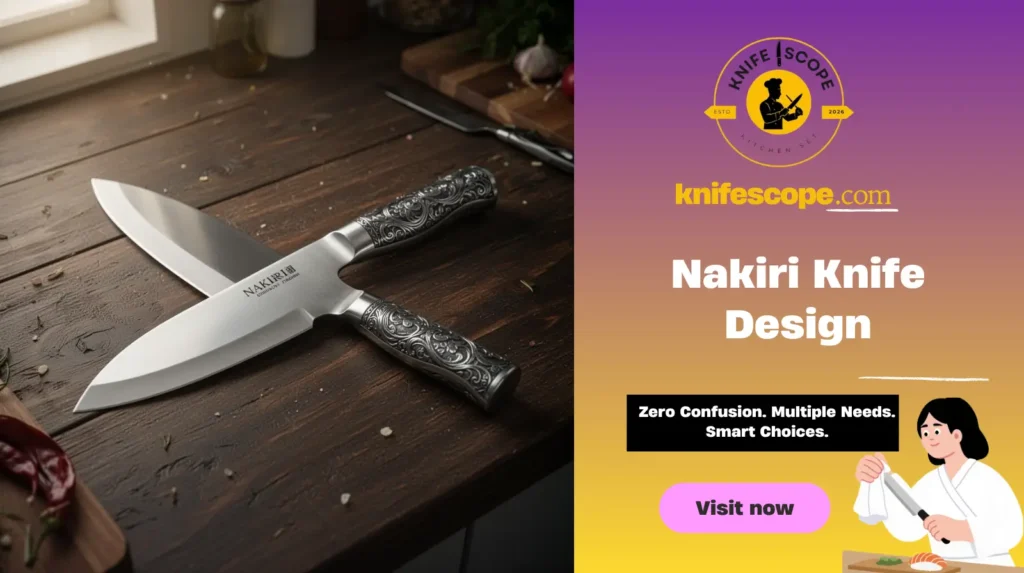
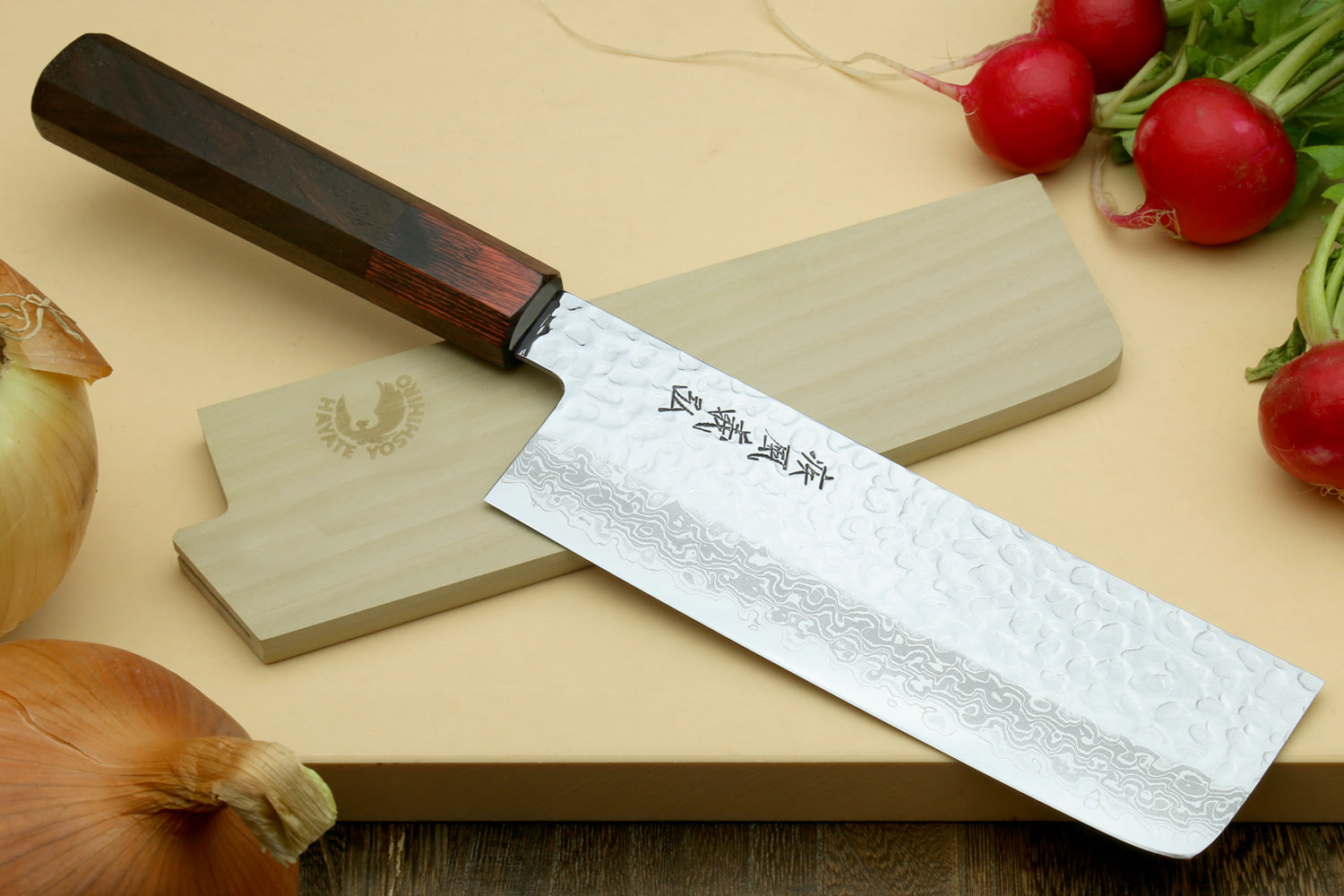
Nakiri knife design is a Japanese style made for vegetables. The blade is rectangular. The edge is straight from tip to heel for clean push cuts. Most nakiri knife design keeps the blade thin and flat. This helps slice soft and hard veggies without rocking or tearing.
Nakiri knife design is best for thin slices, fine julienne, and fast prep. It shines when you want consistent, even pieces. I use it daily when I need speed and neat cuts.
History and origins of nakiri knife design
Nakiri style grew from Japanese home kitchens. It evolved from older Japanese vegetable knives. Craftsmen tuned the shape to fit local produce and prep styles. The flat blade helped cooks cut on soft mats or boards without a big rocking motion.
Over time, makers mixed traditional forging with modern steels. That blend shaped many popular nakiri knife design options we see today. The result is a tool that is both gentle and precise.

Key design features of a nakiri knife design
Nakiri knife design focuses on a few core traits. These features make it ideal for vegetables.
- Blade shape: Rectangular with a flat edge. This lets you slice full length.
- Blade height: Tall for knuckle clearance and scooping chopped food.
- Blade thickness: Thin near the edge for a clean slice. Thicker at the spine for strength.
- Edge type: Often double-bevel. Some traditional nakiri knife design uses single-bevel for finer cuts.
- Tip: Square or slightly rounded. The tip rarely pierces; it guides short cuts.
- Balance: Blade-heavy or handle-balanced depending on maker and style.
These choices affect how the knife feels and works. A heavier nakiri knife design gives leverage. A lighter one gives speed and control.

Materials and construction choices for nakiri knife design
Material matters for cut, edge life, and upkeep. Makers use several steels and handles.
- Carbon steel: Easy to sharpen and takes a keen edge. Carbon nakiri knife design may rust and patina fast. It needs care.
- Stainless steel: Low rust risk and low care. Some stainless steels are hard and hold an edge well in nakiri knife design.
- Powdered steels: Offer high hardness and good edge life. They are common in premium nakiri knife design.
- Damascus or layered steel: Adds beauty and some strength. The core edge steel still defines performance.
- Handle types: Wa handles (wooden, light) or western handles (full tang, sturdy). Choose by feel and care needs.
I prefer a mid-weight nakiri knife design with a well-shaped handle. It cuts long sets of carrots well and stays comfortable in long prep sessions.

Edge geometry, sharpening, and performance
The edge angle and grind change how a nakiri knife design cuts.
- Typical angle: 15 degrees per side for double-bevel nakiri knife design. This is sharp and versatile.
- Single-bevel option: Found in traditional Japanese nakiri knife design. It gives cleaner cuts but needs skill to sharpen.
- Bevel type: Flat or slightly convex edges work best for vegetables. Hollow grinds are less common.
- Sharpening routine: Hone daily with a fine rod. Sharpen on a whetstone when you feel drag or dullness.
- Strop or polish: Finish on a strop to remove burrs and boost glide.
When I switched to a 15-degree edge on a new nakiri knife design, slices became thinner and cleaner. I sharpen on a 1000/6000 stone combo and it stays sharp for daily prep.
How to choose the right nakiri knife design
Pick a nakiri knife design that fits your hands and your food. Consider these points.
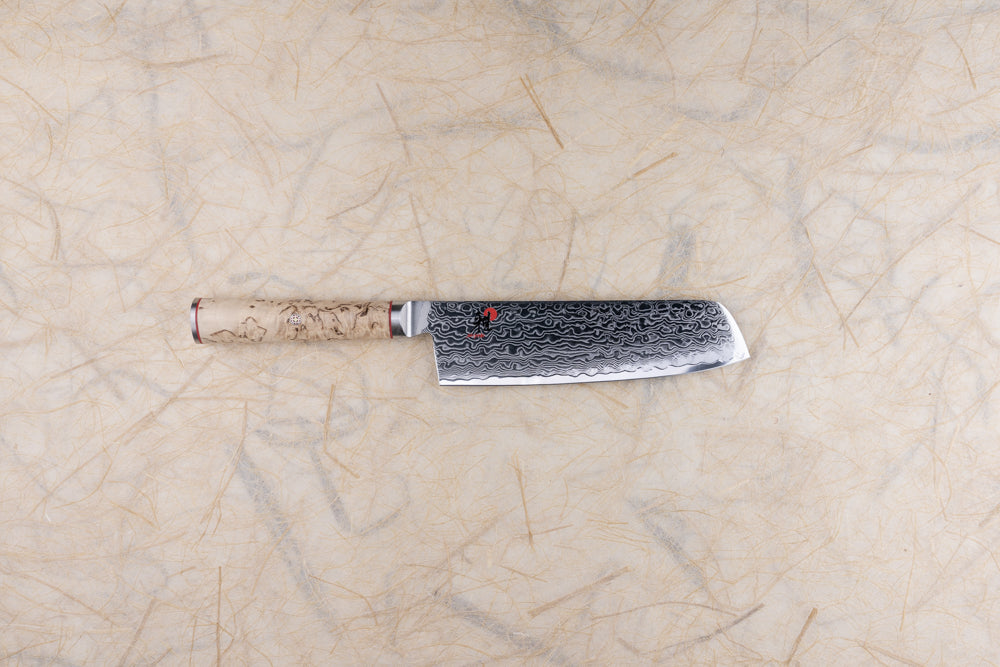
- Size: 165 mm to 180 mm is common. Choose longer if you prep large batches.
- Weight: Lighter gives control. Heavier gives chopping power.
- Handle shape: Try a wa handle for light feel. Try a western handle for a sturdy grip.
- Steel choice: Choose carbon if you like easy sharpening and don’t mind care. Choose stainless for low maintenance.
- Grind and edge: Double-bevel for easy sharpen; single-bevel for pro-style cuts.
- Budget: Good nakiri knife design is available at many price points. Invest in a well-made blade from a trusted maker.
Test feel if you can. A nakiri knife design should sit naturally in your hand and move with your wrist.

Care and maintenance for your nakiri knife design
Simple care keeps a nakiri knife design sharp and safe.
- Washing: Hand wash with mild soap right after use. Avoid the dishwasher.
- Drying: Wipe and dry fully to stop rust on carbon steels.
- Honing: Use a ceramic rod before each use to keep the edge aligned.
- Sharpening: Stone sharpen when you notice dullness. Keep angle steady.
- Storage: Use a magnetic strip or sheath. Avoid tossing the nakiri knife design in a drawer.
I once left a carbon nakiri knife design wet overnight. It developed light rust. That taught me to always dry and store properly.
Personal experiences and tips with nakiri knife design
I’ve used many nakiri knife design models in home and pro kitchens. Here are lessons I learned.
- Use the push cut: Push straight down and forward. The straight edge favors this motion.
- Avoid a rocking motion: Nakiri is not a chef’s knife. Rocking reduces the clean edge benefit.
- Chop in batches: The wide blade scoops food well. It saves time.
- Keep the edge thin: A thin edge slices better and keeps veggies intact.
- Practice safety: The tall blade needs wrist control near the tip. Use a secure grip.
One time I pressed too hard on a thin-sliced onion. The edge slipped. Since then, I aim for steady, short slices. That keeps the nakiri knife design predictable and safe.

Frequently Asked Questions of nakiri knife design
What makes a nakiri knife design different from a chef’s knife?
A nakiri knife design has a straight, rectangular blade built for push cuts. A chef’s knife has a curved edge for rocking and multi-use tasks.
Can I use a nakiri knife design for meat?
You can, but it is not ideal for bones or sinew. Nakiri knife design is best for vegetables and soft foods.
How often should I sharpen my nakiri knife design?
Hone it daily and sharpen on a stone when it feels dull, roughly every few months with regular use. Frequency depends on steel and how often you cook.
Is single-bevel nakiri knife design better than double-bevel?
Single bevel can give cleaner, thinner cuts but needs skill to use and sharpen. Double-bevel is easier for most home cooks and still very sharp.
How do I stop rust on a carbon nakiri knife design?
Dry the blade immediately after washing and store it in a dry place. Apply a light oil for long term storage or if you live in a humid area.
Conclusion
Nakiri knife design brings speed, control, and neat cuts to vegetable prep. It pairs a flat edge with a thin blade to slice cleanly and move food quickly. Choose the right size, steel, and handle for your needs, and keep a steady sharpening routine to get the best use from a nakiri knife design. Try one on for a week and notice how your prep time and plate presentation improve. If you liked this guide, leave a comment, share your nakiri knife design story, or subscribe for more knife tips.

Emily Carter is a kitchen knife specialist with over 8 years of experience testing and reviewing Japanese kitchen knives. She focuses on blade performance, comfort, durability, and real-life cooking usability. Her goal is to help home cooks choose reliable, high-quality knives for everyday cooking.
Expertise: Japanese Knives, Vegetable Cutting, Product Testing