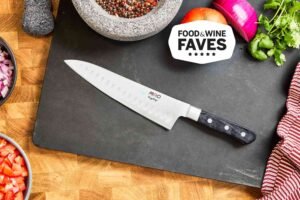
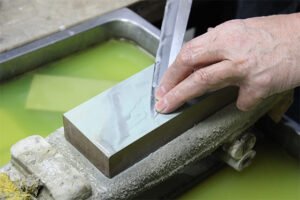
Nakiri knife guide: A clear, practical manual for choosing and using a nakiri.
I’ve spent years testing kitchen knives and teaching home cooks how to use them. This nakiri knife guide condenses hands-on experience, technical details, and buying tips into one clear resource. Read on to learn what a nakiri is, how it differs from other knives, how to choose one that fits your needs, and how to care for and sharpen it for reliable performance in everyday cooking.

What is a Nakiri Knife?
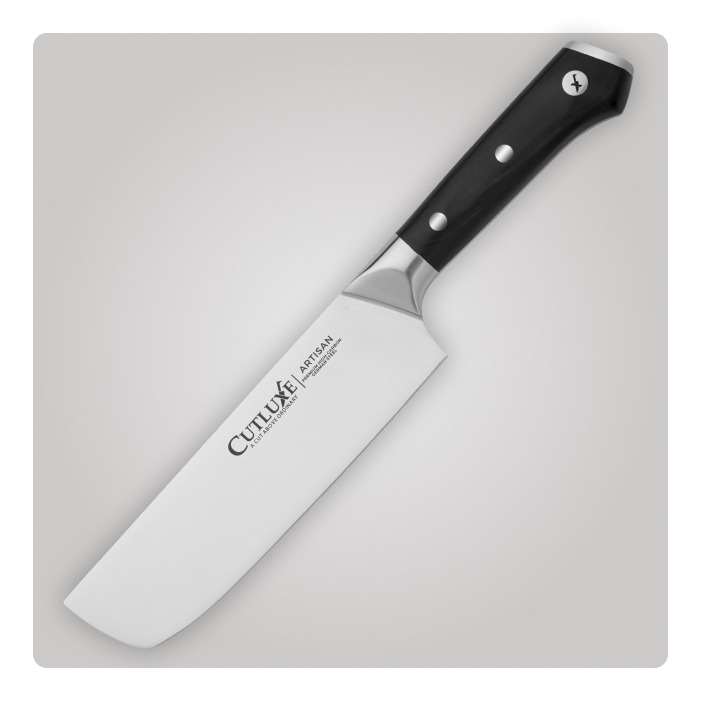
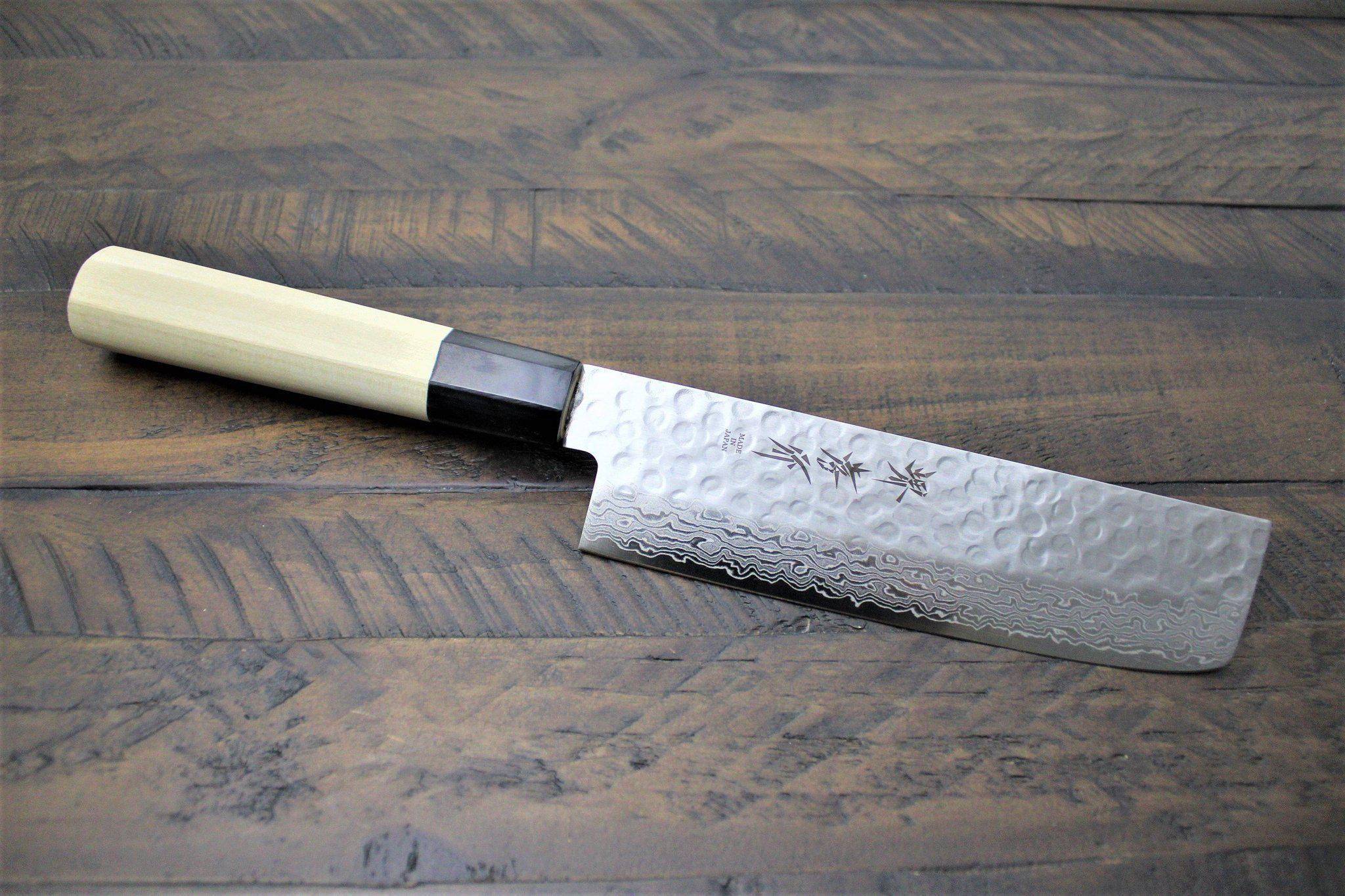
A nakiri is a Japanese-style vegetable knife. It has a straight edge and a squared tip. The blade is thin and flat, ideal for straight up-and-down chopping. This nakiri knife guide focuses on why that shape matters and when you should pick a nakiri over other knives.
Nakiri Knife Design and Key Features
The nakiri design is purposeful and simple. The flat blade allows full contact with the cutting board. That prevents rocking and gives clean cuts to delicate vegetables. Common features include:
- Blade shape: Rectangular, thin, and flat.
- Edge geometry: Can be single-bevel or double-bevel depending on origin.
- Length: Usually 165–180 mm, but sizes vary.
- Weight: Lightweight to medium for quick, controlled chopping.
- Handle: Traditional Japanese or Western-style handles.
This nakiri knife guide explains how each feature affects feel, control, and cut quality so you can match knife design to cooking style.

Types of Nakiri and Steel Options
Nakiri knives come in different styles and steels. Know the trade-offs:
- Single-bevel nakiri
- Pros: Razor-sharp edge, precise vegetable cuts.
- Cons: Steeper learning curve for maintenance and use.
- Double-bevel nakiri
- Pros: Easier for home cooks, ambidextrous.
- Cons: Slightly less ultra-fine slicing ability.
Common steels:
- High-carbon steel: Holds edge well, sharpens quickly, but can rust if not cared for.
- Stainless steel: Easier upkeep, lower corrosion risk, slightly less edge retention.
- Powdered or high-alloy steels: Combine sharpness with strength; often pricier.
This nakiri knife guide recommends choosing steel based on how much care you’ll provide and how often you cook.
How to Choose the Right Nakiri Knife
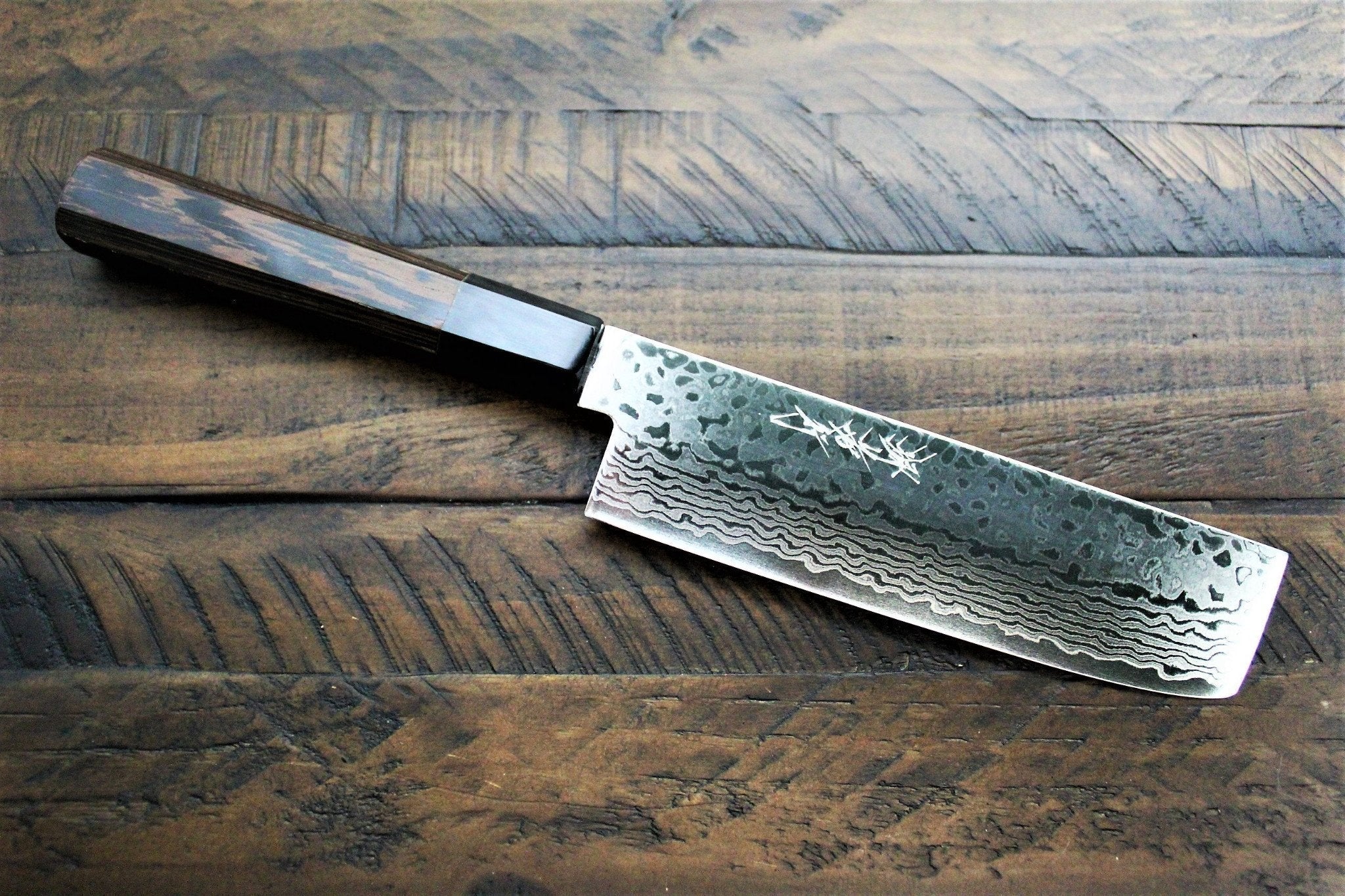
Choosing a nakiri is about fit, balance, and intended use. Follow these steps:
- Define your needs
- Do you mostly prep vegetables? A nakiri is ideal.
- Do you also want to cut meat or bones? Consider pairing with a chef’s knife.
- Select blade type
- Single-bevel for precise vegetable tasks.
- Double-bevel for general home use.
- Pick steel based on care
- If you prefer low maintenance pick stainless.
- If you want the sharpest edge and don’t mind upkeep choose high-carbon.
- Test feel and balance
- Hold the knife and simulate a chopping motion.
- Look for comfort in grip and neutral balance over the hand.
- Consider length and weight
- Shorter for control, longer for reach.
- Lighter for speed, heavier for powered cuts.
People also ask:
- Can a nakiri cut meat?
- Yes, but it’s optimized for vegetables. Avoid bones and frozen items.
- Is a nakiri better than a chef’s knife?
- For vegetables, yes. For mixed tasks, no.
This nakiri knife guide gives a clear path to choose a knife that matches your cooking and care habits.

Sharpening, Care, and Maintenance
Maintenance determines long-term performance. Follow these basics:
- Sharpening
- Use whetstones for best results. Start with a coarse stone if dull, then refine on 1000–6000 grit.
- Maintain the original bevel angle. For double-bevel nakiri, 15–20 degrees per side is common.
- Honing
- Use a ceramic rod to realign the edge between sharpenings.
- Cleaning
- Hand wash immediately after use and dry thoroughly. Avoid dishwashers.
- Storage
- Store in a knife block, magnetic strip, or sheath to protect the edge.
- Oiling (for high-carbon blades)
- Apply a thin coat of food-safe oil if you won’t use the knife for days.
From my experience, a quick light hone before each use keeps a nakiri performing like new. This nakiri knife guide emphasizes consistent, simple care.
Cutting Techniques and Uses
Nakiri excels at vegetable prep. Technique matters:
- Straight chop
- Keep the blade vertical and use an up-and-down motion. Let the flat edge contact the board.
- Rock and push is less needed
- Because of the flat edge, rocking is minimized. Push cuts work well for thin slices.
- Julienne and batonnet
- Use controlled thin slices, then stack and slice again for uniform pieces.
- Soft vegetables and herbs
- The thin blade prevents crushing soft items like tomatoes or herbs.
I teach beginners to focus on a steady rhythm. With practice, a nakiri turns prep into a fast, precise routine.

Pros, Cons, and Limitations
No knife is perfect. Know what a nakiri does well and where it falls short.
Pros:
- Superior for vegetables and herbs.
- Clean, consistent slices.
- Lightweight and fast for repetitive prep.
Cons:
- Not designed for bones or hard items.
- Single-bevel versions can be harder for novices.
- Thin blades can chip if misused.
Limitations:
- Avoid twisting cuts and prying motions.
- Don’t use for frozen foods or hard roots without care.
This nakiri knife guide helps set realistic expectations so you use the right tool for the job.

Buying Tips and Recommended Brands
When shopping, consider these practical tips:
- Try before you buy if possible.
- Inspect edge finish and handle fit.
- Check return policy and warranty.
- Prioritize a reputable seller for sharpening support.
Recommended approaches:
- Budget: Look for stainless double-bevel nakiri from trusted makers.
- Mid-range: Consider high-carbon stainless or hybrid steels.
- Premium: Hand-forged, single-bevel nakiri with custom handles.
From my testing, investing in a mid-range nakiri with solid steel and balance gives the best long-term value. This nakiri knife guide steers you toward choices that last.

Personal Experience and Practical Tips
I learned to value balance over looks. A pretty blade can feel awkward. Here are lessons from real kitchen hours:
- Mistake to avoid
- Buying solely for aesthetics. Comfort matters more than pattern.
- Practical tip
- Start with a double-bevel nakiri if you’re new to Japanese blades.
- Real outcome
- Switching to a proper nakiri cut my prep time in half for vegetables.
- Emotional note
- A good nakiri makes routine cooking feel rewarding, not tedious.
This nakiri knife guide shares those day-to-day lessons so you choose and use a nakiri confidently.
People Also Ask — Quick Answers
- How often should I sharpen a nakiri?
- Sharpen when you notice it tugging or crushing food; for frequent use, every few months with routine honing between sessions.
- Can I use a nakiri for peeling?
- Yes for some tasks, but a small paring knife is faster and safer for tight peeling tasks.
- Is a nakiri good for professional kitchens?
- Many chefs use nakiri for bulk vegetable prep; it shines in stations focused on produce.
This nakiri knife guide keeps answers short and practical for quick decisions.
Frequently Asked Questions of nakiri knife guide
What makes a nakiri different from a chef’s knife?
A nakiri has a flat, rectangular blade designed for vertical cuts, while a chef’s knife has a curved blade for rocking cuts. The nakiri excels at thin, uniform vegetable slices.
Can I sharpen a nakiri at home?
Yes. Use whetstones for best results and maintain the original bevel angle. If unsure, get a professional tune-up to avoid removing too much metal.
Is a single-bevel nakiri worth it for home cooks?
Single-bevel offers superior sharpness and precision but requires more skill to use and maintain. Most home cooks do well with double-bevel nakiri.
How should I store my nakiri to protect the edge?
Store it in a knife block, on a magnetic strip, or in a sheath. Avoid loose drawers where the edge can be nicked.
Will a nakiri rust if I don’t oil it?
High-carbon nakiri can rust if left wet or exposed to moisture; stainless options resist rust better. Wiping dry and occasional oiling prevent rust on carbon steel.
Conclusion
This nakiri knife guide showed what a nakiri is, how it works, how to pick one, and how to care for it. Choose a blade that fits your comfort, cooking style, and willingness to maintain it. Try a double-bevel nakiri if you’re starting, and invest time in honing to keep it sharp.
Take action: test a nakiri at a store or order one with a good return policy, practice the chopping techniques here, and share your results or questions below.

Maliha Akter is a kitchen knife reviewer and food preparation specialist with over 6 years of experience testing Japanese kitchen knives and everyday cooking tools. She focuses on performance, safety, durability, and real-world usability to help home cooks choose the right knives for efficient and enjoyable cooking.
Expertise:Japanese Knives • Vegetable Knives • Product Reviews • Kitchen Efficiency • Knife Care