A paring knife guide explains small-knife uses, types, care, and buying tips in one compact resource.
I’ve spent years testing knives in home and professional kitchens, and this paring knife guide brings hands-on experience, clear buying advice, and simple techniques to help you choose, use, and maintain the best paring knife for your needs. Read on for practical tips, tested recommendations, and step-by-step care instructions that demystify small-knife skills and keep your tools sharp and safe.

What is a paring knife and why it matters
A paring knife is a small, sharp kitchen knife used for precise tasks like peeling, trimming, and intricate cuts. This paring knife guide shows why the right small knife improves speed, safety, and the quality of finished dishes.
Paring knives are typically 2.5 to 4 inches long, have a pointed tip, and a straight or slightly curved edge ideal for control. Learning how to pick and use one is a quick way to lift everyday cooking.
Types of paring knives and their best uses
Choosing the right style matters. This part of the paring knife guide breaks down common shapes and when to use each.
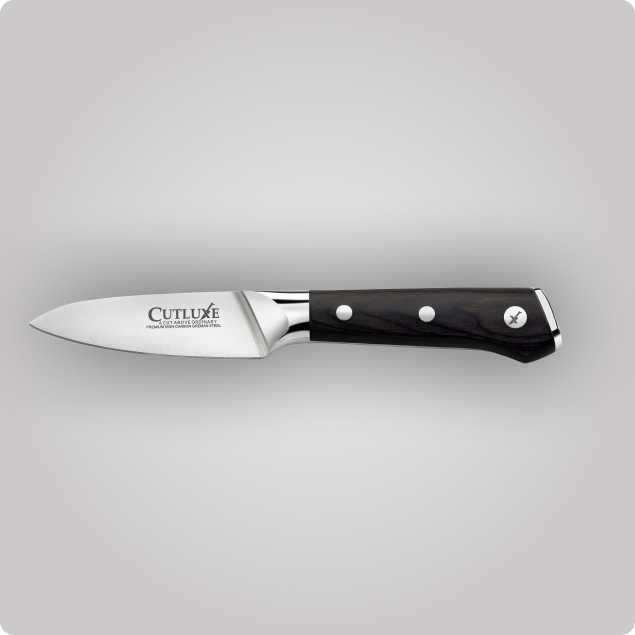
- Classic straight paring knife Ideal for peeling, slicing grapes, and fine trimming.
- Bird’s beak (tourne) paring knife Best for turning vegetables and making rounded cuts.
- Spear-point paring knife Good for precise cuts and small detailed work.
- Cleaver-style mini paring knife Useful for chopping small items and crushing garlic.
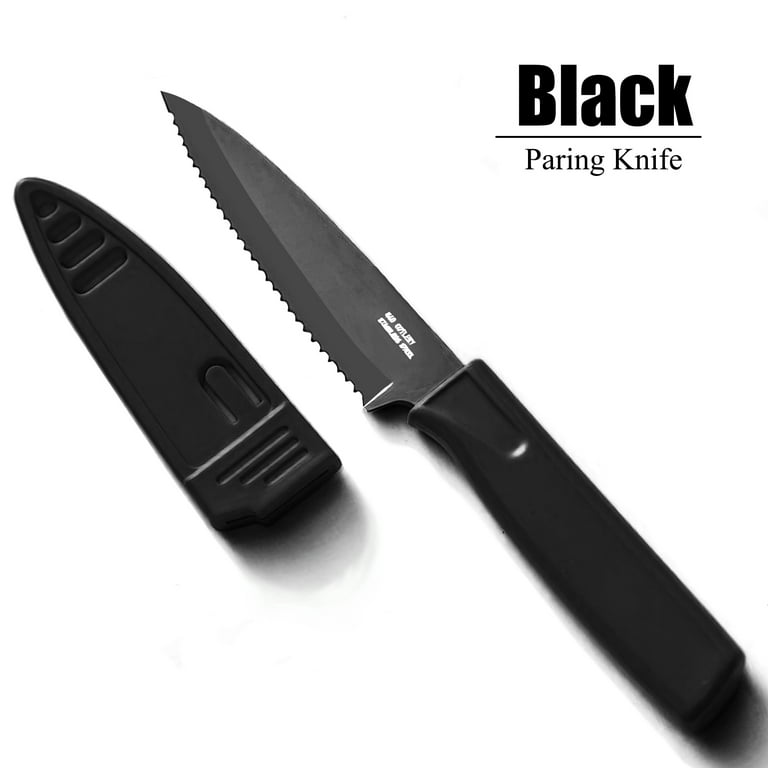
- Electroformed or serrated paring knife Excellent for soft skins like tomatoes or citrus.
Each type has trade-offs in control, ease of sharpening, and versatility. Try one style, then expand based on your cooking habits.

How to choose the right paring knife
Selecting a paring knife is about feel, balance, and purpose. Use this paring knife guide checklist when shopping.
- Blade length and shape Pick 3 to 4 inches for most tasks; choose a shape that matches your cutting style.
- Steel type High-carbon stainless steels hold an edge longer but may need protection from moisture.
- Handle comfort Look for a secure grip and balance that feels natural in your dominant hand.
- Tang and construction Full tang improves durability and weight distribution.
- Edge geometry A thinner edge slices more cleanly; serrations help with soft or fibrous skins.
Test feel if possible. I always hold the knife for 10–20 seconds before buying; comfort predicts long-term use.

Techniques: how to use a paring knife safely and effectively
Mastering simple techniques makes the paring knife indispensable. This paring knife guide highlights safe grips and common cuts.
- Basic grip Hold the handle with three fingers and press the thumb and forefinger near the blade for control.
- Peeling Use gentle, short strokes toward or away from you, keeping motion steady.
- Paring and trimming Use the tip for detail work and the edge for shallow slices.
- Tourné and curved cuts Rock the knife slightly when making rounded shapes for even results.
- Safety tips Keep fingers curled on your guide hand and cut on a stable surface.
Practice slow, deliberate movements. My early mistakes were rushing; slowing down improved both speed and safety.

Care, sharpening, and storage
Proper maintenance keeps a paring knife sharp and dependable. This paring knife guide covers routine care and sharpening techniques.
- Hand wash and dry Avoid dishwashers; dry immediately to prevent corrosion.
- Honing Use a honing rod weekly to realign the edge.
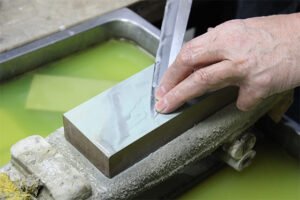
- Sharpening Use a whetstone or guided sharpener when honing no longer restores the edge. Start at the recommended angle, often 15–20 degrees.
- Storage Use a knife block, magnetic strip, or blade guard to protect edges and prevent accidents.
- Rust prevention Wipe lightly with oil if storing long term, especially on high-carbon blades.
I sharpen on a stone about once every few months for home use. Consistent honing extended the time between sharpenings significantly.
Buying guide, price ranges, and common mistakes
This paring knife guide helps you shop smarter and avoid common errors.
- Budget range Affordable paring knives are $10–$30 and are fine for occasional cooks.
- Mid-range $40–$100 offers better steel, balance, and longevity for regular use.
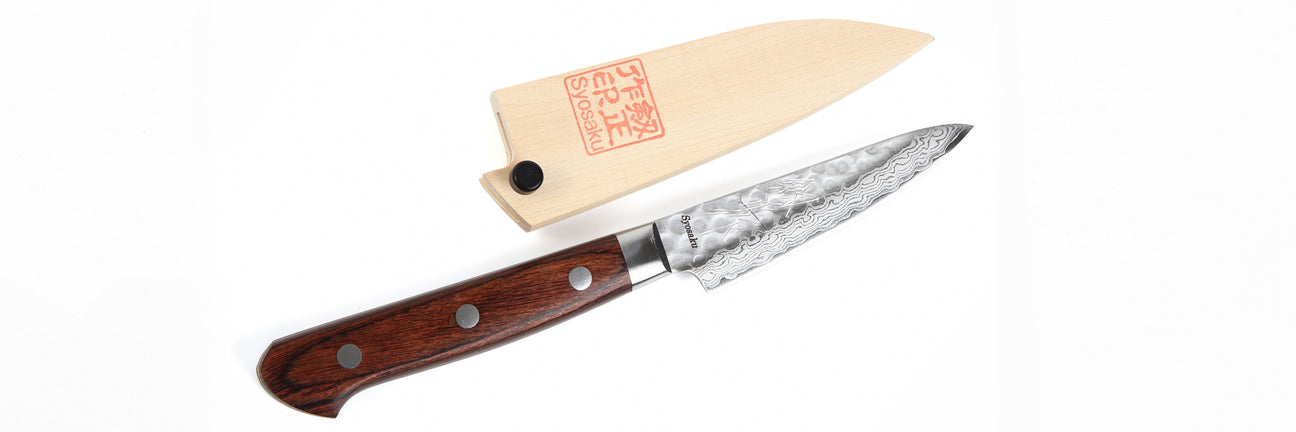
- Premium range $100+ knives provide high-performance steel and craftsmanship for enthusiasts.
- Mistakes to avoid Buying solely on price, ignoring handle comfort, and skipping maintenance lead to disappointment.
When possible, hold the knife before you buy. I once bought a highly reviewed model online that felt awkward; personal fit matters more than reviews alone.

Personal experience: lessons learned and pro tips
I’ve used many paring knives in busy kitchens and calm home setups. This paring knife guide shares tested tips to help you fast-track skill and care.
- Start with a versatile 3.5-inch straight paring knife for most tasks.
- Hone before each major prep session; a sharp knife is safer and faster.
- Replace knives based on wear, not age; a well-maintained paring knife can last decades.
- Practice basic cuts for 10 minutes weekly to build muscle memory and speed.
- Avoid using a paring knife for prying or cutting hard bones—single-task use prevents damage.
These small habits transformed my prep time; you’ll notice cleaner cuts and less waste within weeks.
Frequently Asked Questions of paring knife guide
What size paring knife should I buy?
Most cooks prefer a 3 to 4 inch blade for balance between control and versatility. Shorter blades work well for tiny tasks, while 4 inches offers more reach.
How often should I sharpen my paring knife?
Hone weekly and sharpen on a stone every few months, depending on use frequency. Heavy daily use may require sharpening more often.
Is stainless or carbon steel better for a paring knife?
Stainless steel resists rust and needs less care, while high-carbon steel holds a sharper edge longer but requires protection from moisture. Choose based on maintenance comfort.
Can I use a paring knife for all small tasks?
A paring knife handles most small tasks but avoid hard bones or heavy chopping. Use the right tool for heavy-duty jobs to protect the blade.
How do I hold a paring knife for safety?
Grip the handle firmly, place thumb and forefinger near the blade for control, and curl your guiding hand’s fingers to avoid the edge. Slow, steady cuts reduce slips and accidents.
Conclusion
This paring knife guide gives clear, practical steps to choose, use, and care for a small kitchen knife that will improve precision and safety in everyday cooking. Start with a comfortable 3–4 inch paring knife, hone it regularly, and practice basic techniques to see immediate benefits. Try one tip today—hone before your next prep—and notice the difference; leave a comment about your favorite paring knife or subscribe for more hands-on guides.

Maliha Akter is a kitchen knife reviewer and food preparation specialist with over 6 years of experience testing Japanese kitchen knives and everyday cooking tools. She focuses on performance, safety, durability, and real-world usability to help home cooks choose the right knives for efficient and enjoyable cooking.
Expertise:Japanese Knives • Vegetable Knives • Product Reviews • Kitchen Efficiency • Knife Care