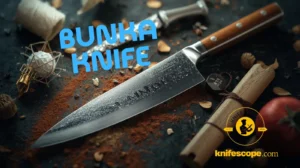
A professional bunka knife is a versatile Japanese chef's blade for precise, multi-use cutting.
I have trained and cooked with professional bunka knife designs for years in busy kitchens. I will walk you through what a professional bunka knife is, how it differs from other blades, how to choose one, and how to care for it so it performs at a high level. This guide blends hands-on experience, practical tips, and clear criteria so you can buy and use a professional bunka knife with confidence.

Overview: What is a professional bunka knife?
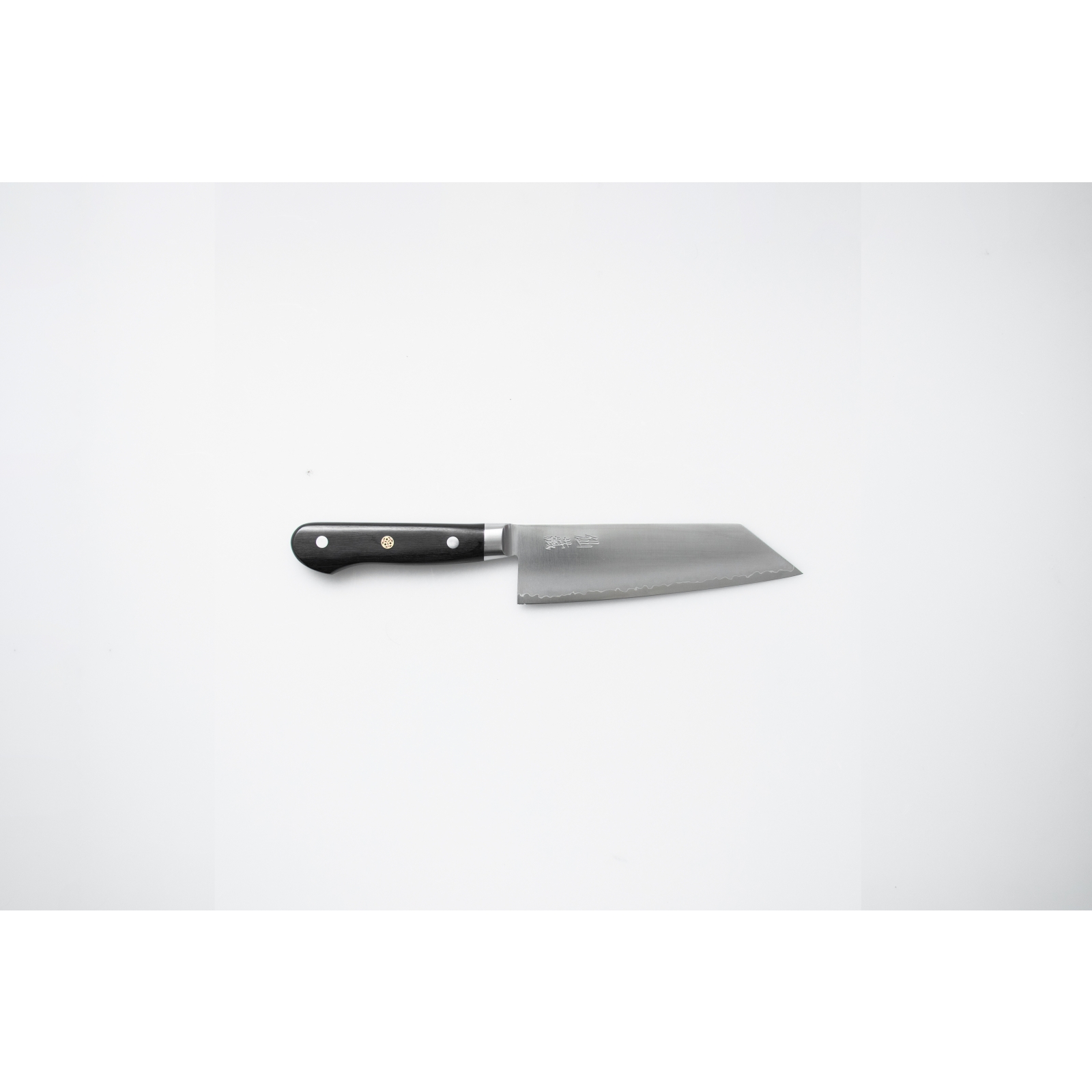
A professional bunka knife is a modern Japanese utility knife. It blends a pointed tip with a flat belly and a slightly angled edge. Chefs use it for slicing, chopping, and detailed work. The shape makes it good for cutting meat, vegetables, and herbs. Many professional cooks value the professional bunka knife for its balance of precision and speed.
The bunka evolved from the Santoku and traditional Japanese knives. It keeps a taller blade profile for knuckle clearance. Chefs who need variety in one tool often pick a professional bunka knife. The design supports push cuts, pull cuts, and small rocking motions.
Anatomy and design features
Blade shape
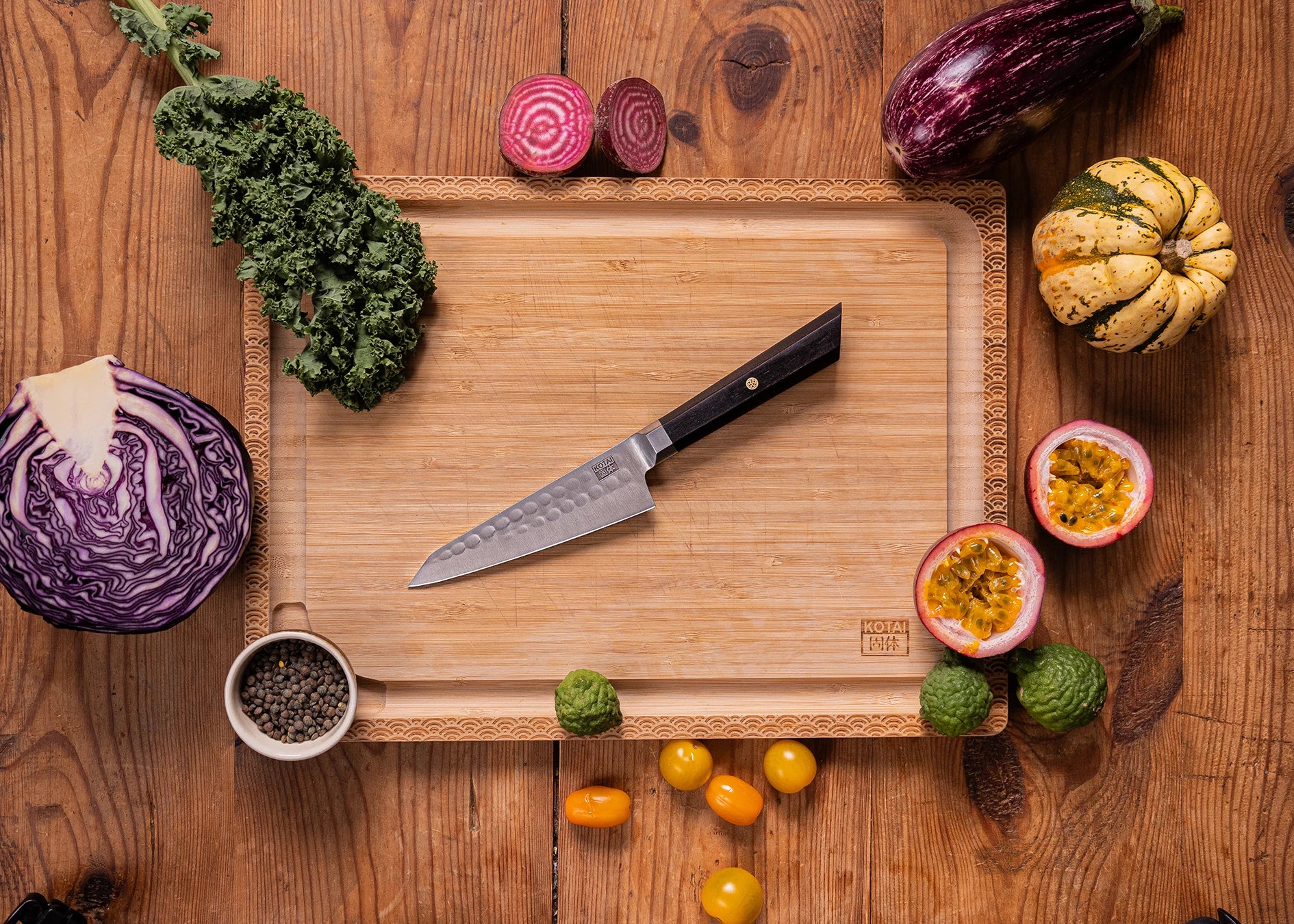
- Tall blade with a sharp, angled point that allows piercing and tip work.
- Flat to slightly curved belly that suits straight cuts and light rocking.
- The spine often tapers toward the tip for better balance.
Blade material
- High-carbon stainless steels offer edge retention and corrosion resistance.
- Powder steels and number steels provide high hardness and longer edge life.
- Softer stainless options are easier to sharpen for home cooks.
Edge angle and grind
- Typical edge angles range from 12° to 20° per side depending on steel.
- Double-bevel grinds are common for versatility.
- Some professional bunka knife makers use a compound or convex grind for durability.
Handle and balance
- Handles vary from Western-style to wa-handles.
- Balance point usually near the bolster or just forward for controlled cuts.
- A well-balanced professional bunka knife reduces fatigue during long shifts.

Source: tallinn-cutlery.com
Why chefs choose a professional bunka knife
Versatility
- One knife handles many tasks that might otherwise need two or three blades.
- It can replace a petty knife for detail work and a chef's knife for mid-sized chopping.
Precision
- The pointed tip lets chefs perform delicate trims and score meat.
- The blade profile gives control for thin, uniform slices.
Speed and efficiency
- The flat belly helps push cuts that speed prep.
- The height keeps knuckles off the board, letting chefs work fast and safely.
Durability
- Professional-grade steels hold an edge longer in restaurant settings.
- Proper care extends edge life, minimizing downtime for sharpening.
Personal note: In restaurant service, a professional bunka knife saved me time prepping garnishes and portioning fish. It was the go-to tool when space and speed mattered.
How to choose the right professional bunka knife
Match size to tasks
- 6 to 8 inches is common for most chefs.
- 5-inch bunka knives work well for cooks with small hands or tight prep stations.
- 8-inch versions offer reach for larger vegetables and meats.
Consider steel and hardness
- Pick stainless high-carbon for low maintenance and good edge life.
- Choose powdered steels for long-lasting edges if you are ready to maintain them.
- Avoid too soft steel for heavy daily use.
Check the grind and edge
- Look for a consistent grind and even sharpening factory finish.
- Ask about edge angle if you want a super keen or more robust edge.
Try the handle and balance
- Test grip comfort and how the knife sits in your hand.
- Seek a balance point you can control without wrist strain.
Budget and brand
- Professional bunka knife prices vary widely.
- Pay for a reputable maker or for a blade that meets your daily needs.
- Consider sharpening costs and service availability when buying.

Source: amazon.com

Care, sharpening, and maintenance
Daily care
- Wash by hand with mild soap and dry immediately.
- Avoid dishwashers and long soak times that can harm the edge or handle.
Sharpening routine
- Use a whetstone for best control and edge quality.
- Start with a 1000–3000 grit stone for regular maintenance.
- Use 400–800 grit stones for rehoning and 6000+ for polishing.
Honing vs. sharpening
- Hone often to realign the edge.
- Sharpen only when the blade loses its edge or after noticeable chips.
Storage and transport
- Use a wooden sheath or blade guard to protect the edge.
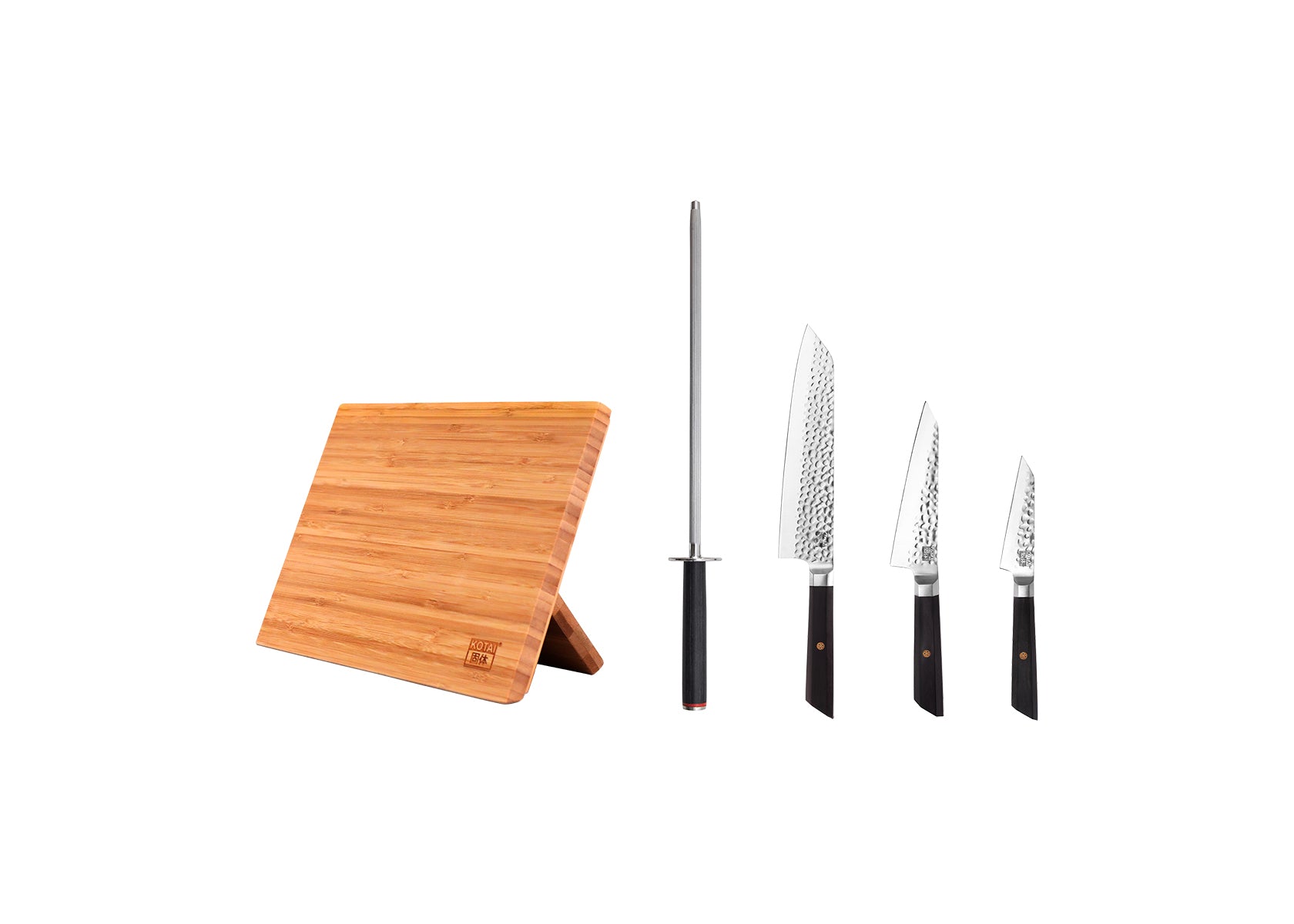
- Store in a knife block or on a magnetic strip that won’t contact the edge.
Personal tip: I sharpened my professional bunka knife weekly during heavy service. That small habit kept cuts fast and safe and extended the blade life.
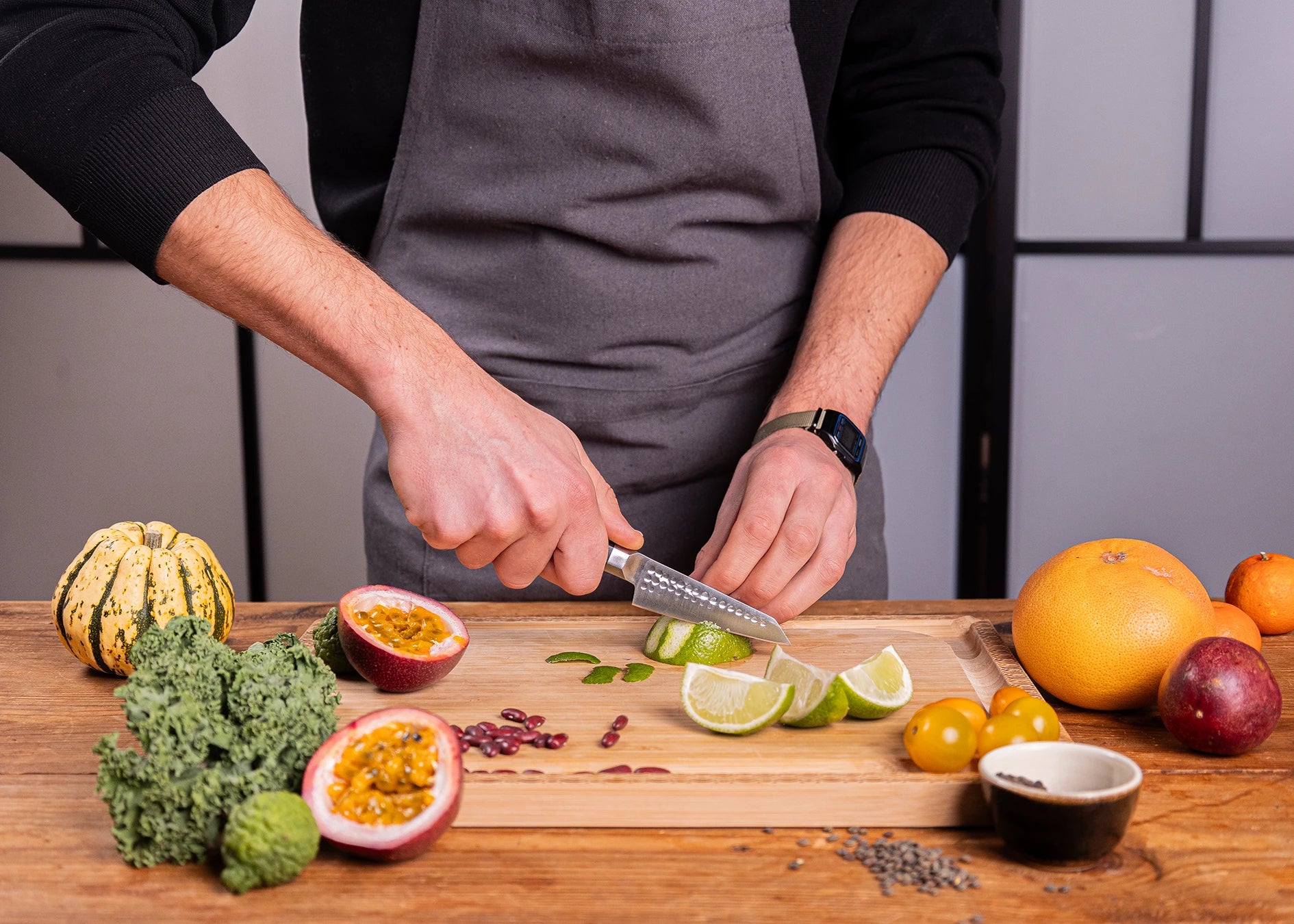
How to use a professional bunka knife: techniques and examples
Basic grips
- Pinch grip on the blade for control and speed.
- Handle grip for heavier cuts or when chopping large items.
Cutting techniques
- Push cut for clean slices of vegetables.
- Pull cut for delicate proteins like fish and chicken.
- Tip work for trimming, scoring, and peeling.
Practical examples
- Vegetables: thin, even slices for salads and stir-fries.
- Proteins: portion fish fillets and trim fat with the tip.
- Herbs: chop finely with small, controlled rocking motions.
Safety tips
- Keep the cutting board stable to avoid slips.
- Keep fingers curled on the guide hand.
- Use the right motion for the job to avoid edge damage.

Source: hikariknife.com

Professional bunka knife vs. other knives
Professional bunka knife vs chef's knife
- A professional bunka knife has a sharper point and a slightly taller spine.
- The chef's knife has a more pronounced curve for extensive rocking.
- Choose a bunka for precision and a chef's knife for large, smooth rocking cuts.
Professional bunka knife vs santoku
- Santoku has a blunter tip and a flatter profile.
- A professional bunka knife offers more tip work and piercing ability.
- Santoku excels at thin slicing and general home use.
When to choose a professional bunka knife
- Choose it if you need a single, versatile blade for fine work and mid-size tasks.
- Opt for a chef's knife if you commonly do heavy rocking and large chopping.

Source: cutleryandmore.com

Common mistakes and troubleshooting
Over-sharpening
- Grinding off too much metal shortens blade life.
- Keep sharpening light and precise.
Using the wrong cutting board
- Hard boards like glass dull edges quickly.
- Use wood or quality plastic boards for best edge care.
Neglecting maintenance
- Skipping weekly honing leads to dulling and unsafe cuts.
- Regular care keeps a professional bunka knife performing well.
Ignoring fit and balance
- A mismatched handle causes hand fatigue and poor control.
- Try before you buy when possible.
Source: hikariknife.com

Frequently Asked Questions of professional bunka knife
What tasks is a professional bunka knife best for?
A professional bunka knife is best for slicing, trimming, and detail work. It handles mid-size chopping and precise cuts well.
How do I sharpen a professional bunka knife at home?
Use a whetstone with a consistent angle and light passes. Start with 1000 grit for dull blades and finish with 3000–6000 grit for a polished edge.
Is a professional bunka knife good for beginners?
Yes. Its versatile shape makes learning cuts easier. Beginners should practice grip and basic strokes first.
How often should I hone a professional bunka knife?
Hone before each heavy prep session or weekly for regular home use. Honing keeps the edge aligned and smooth.
Can a professional bunka knife replace a chef's knife?
It can replace many tasks but not all. For heavy rocking and very large items, a chef's knife may be better.
Conclusion
A professional bunka knife gives you a sharp, versatile tool that handles many kitchen tasks. Use simple care, match the size and steel to your needs, and practice basic techniques to get the most from the blade. Start by testing balance and edge, and commit to a short sharpening routine to keep the knife ready. Try one for a month of daily use and see how it changes your prep speed and control. If this guide helped, leave a comment below or subscribe for more knife and kitchen tips.
Maliha Akter is a kitchen knife reviewer and food preparation specialist with over 6 years of experience testing Japanese kitchen knives and everyday cooking tools. She focuses on performance, safety, durability, and real-world usability to help home cooks choose the right knives for efficient and enjoyable cooking.
Expertise:Japanese Knives • Vegetable Knives • Product Reviews • Kitchen Efficiency • Knife Care