Clean, dry, hone often, and store safely to prevent rust and dullness.
You bought stainless steel to skip the drama, not the care. I’ve maintained knives in busy kitchens and at home for years. This guide on stainless steel knife maintenance gives you clear steps, backed by expert practice, to keep your blades sharp, safe, and spotless for the long run.
Why stainless steel still needs care
Stainless steel resists rust, but it is not rust-proof. The chromium in the steel forms a thin shield that blocks corrosion. If that layer is damaged by salt, acids, or neglect, rust can still appear.
In real life, this shows up fast. Leave a wet knife in the sink and you may see orange spots in a day. Cut tomatoes, then toss the knife on a damp towel, and you risk staining or pitting. Good stainless steel knife maintenance keeps that passive layer healthy and your blade clean.
There are a few common rust triggers:
- Chlorides from salt and dish soap can attack the steel.
- Acidic foods like lemons and tomatoes break down the shield.
- Trapped moisture under a sheath or in a drawer causes pitting.
- Dishwashers add heat, harsh detergents, and banging. That is a triple hit.
If you handle the basics—wash, dry, hone, oil—you prevent 95% of issues. Small habits beat big repairs.

Source: amazon.com
Know your steel and finish
Not all stainless steels act the same. Some hold an edge longer. Some resist rust better. A bit of background helps you plan your stainless steel knife maintenance.
- X50CrMoV15 and 1.4116. Very common in European knives. Easy to sharpen. Good rust resistance.
- AUS-8 and 14C28N. Balance edge and stain resistance. Great for home cooks.
- VG-10. Harder steel found in many Japanese knives. Takes a fine edge but needs more care.
- 440C and 8Cr13MoV. Vary by maker. Can be decent with good heat treat.
Finish matters too:
- Polished or satin finishes resist rust better and clean fast.
- Bead-blast finishes hold water and stains. They need extra drying and oiling.
- Damascus cladding looks great, but the etched areas can trap moisture. Dry well.
My rule: rough finishes get more attention. Polished blades are easier to keep spotless.
Source: clinicamedca.com
Daily cleaning that actually works
Daily care is simple and quick. It keeps your edge and stops stains. Here is a routine that fits into any kitchen.
After each use:
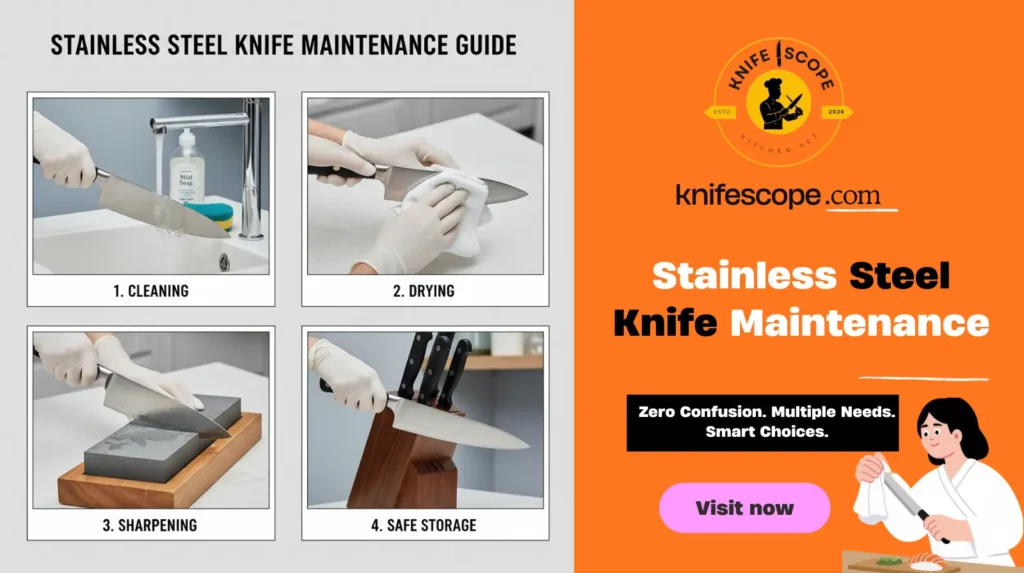
- Rinse with warm water. Use a small drop of mild soap if greasy.
- Wipe from spine to edge, away from your hand. Use a soft sponge.
- Never use the dishwasher. Heat, chemicals, and rattling can warp and chip.
- Dry right away with a clean towel. Get the heel, choil, and along the edge.
- For extra protection, wipe on a thin coat of food-safe mineral oil. Buff dry.
What to avoid:
- Steel wool or rough pads. These scratch the blade and invite rust.
- Soaking in the sink. Even stainless will spot or pit.
- Vegetable oils for storage. They can go rancid and smell.
This small routine is the core of stainless steel knife maintenance. Do it and your knives will last for years.
Source: pec-clutches.com
Sharpening and honing made easy
Honing is daily alignment. Sharpening is metal removal. You need both for smart stainless steel knife maintenance.
Honing:
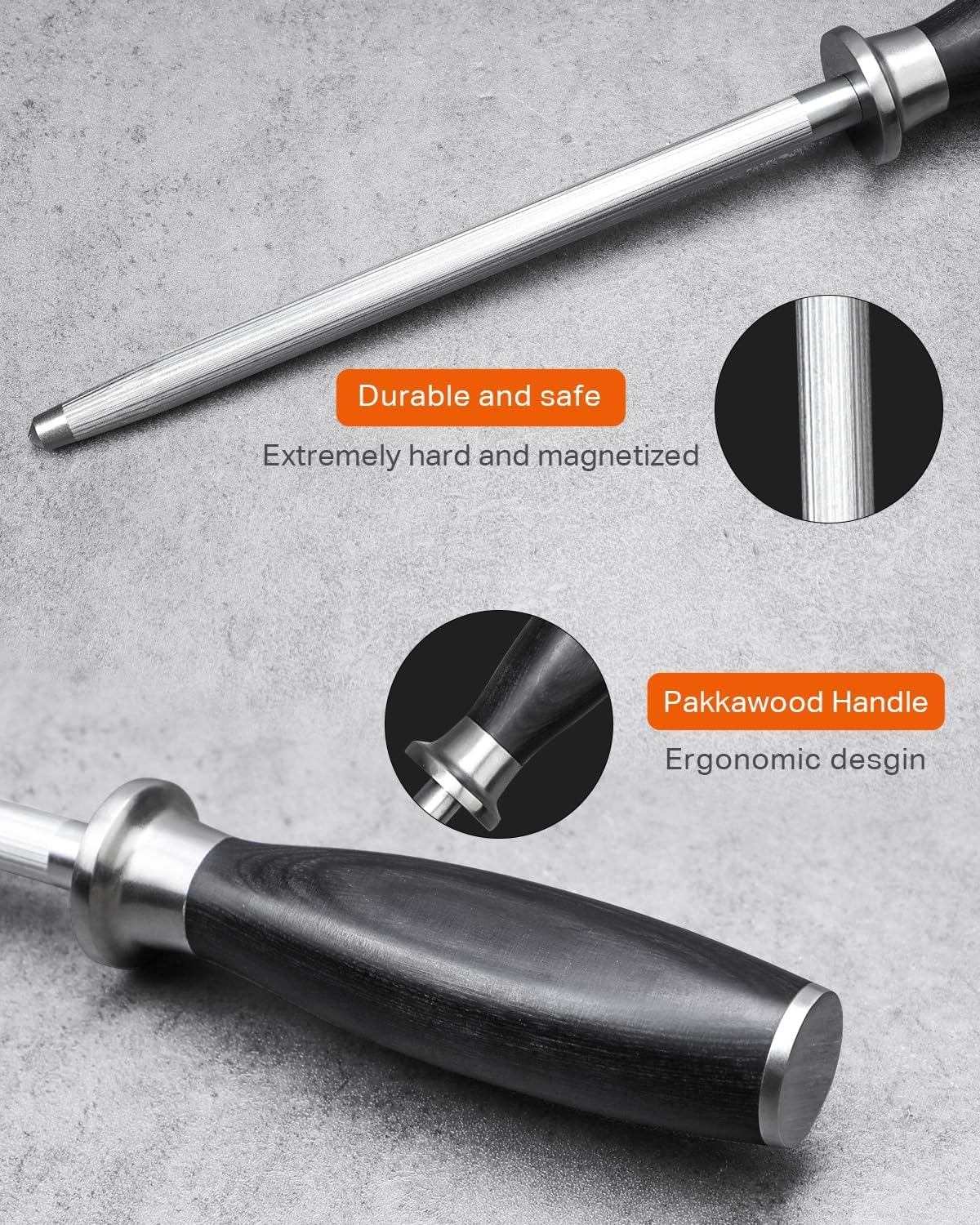
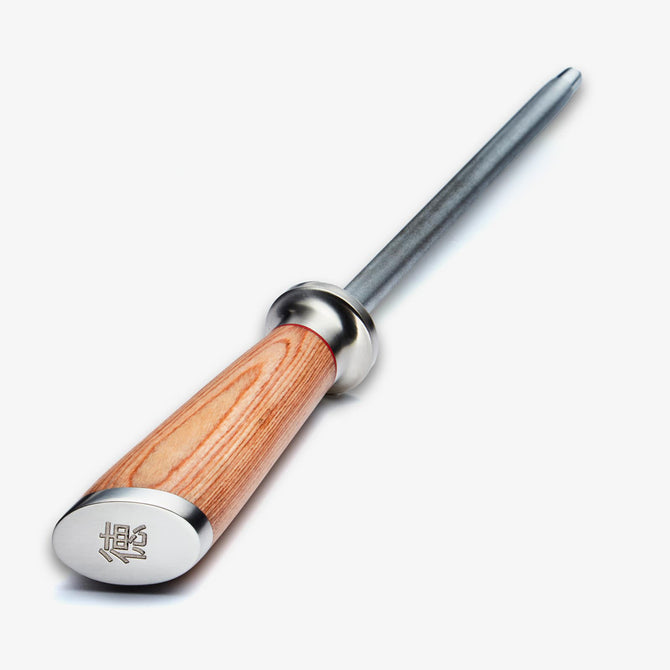
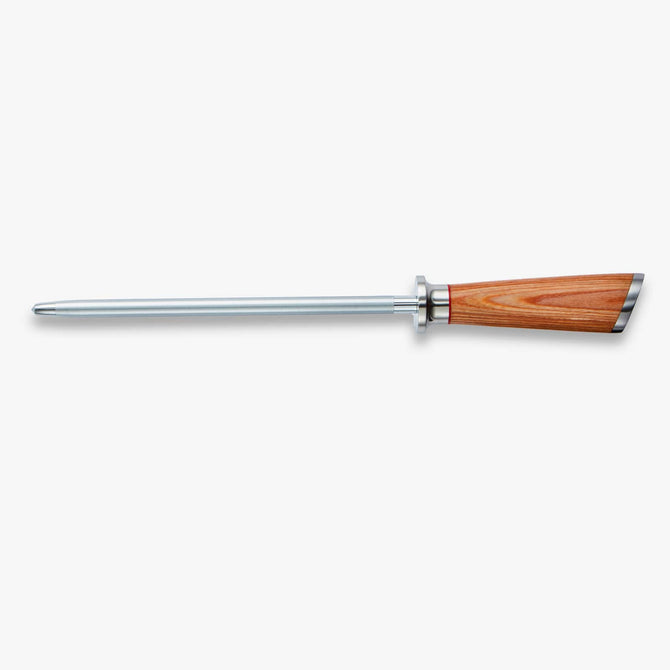
- Use a ceramic or fine steel rod.
- Hold the blade around 15 to 20 degrees. Light strokes, five per side.
- Hone before cooking or when the knife drags.
Sharpening:
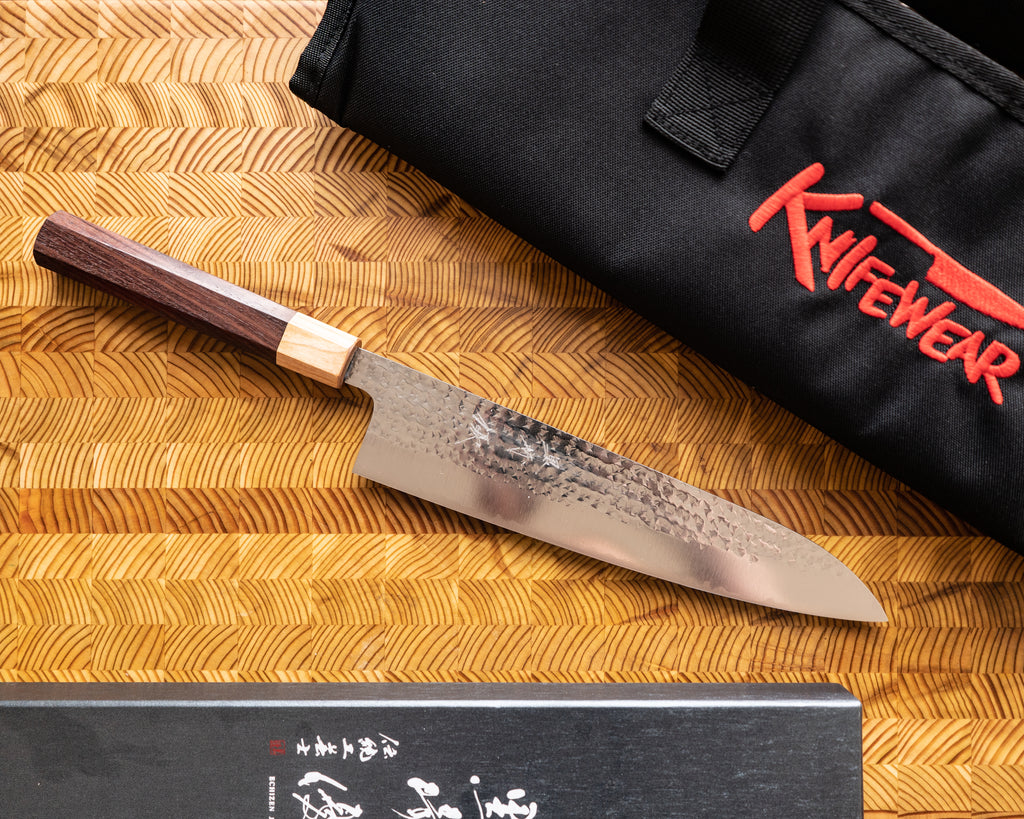
- Use water stones if you can. A 1000 grit for dull knives, 3000 to 6000 to refine.
- Keep a steady angle. The marker trick helps: color the edge and sharpen until the ink is gone.
- Raise a burr along the full edge, then flip and repeat. Finish with lighter strokes.
- Strop on leather with a touch of compound to polish and boost bite.
Pull-through sharpeners are fast, but they can remove too much steel. I use them only for cheap beaters. For premium blades, stones give you control and a cleaner edge.
Source: knifewear.com
Storage and rust prevention
Storage is where many people slip. Good storage is quiet protection for your edge and finish.
Smart storage options:
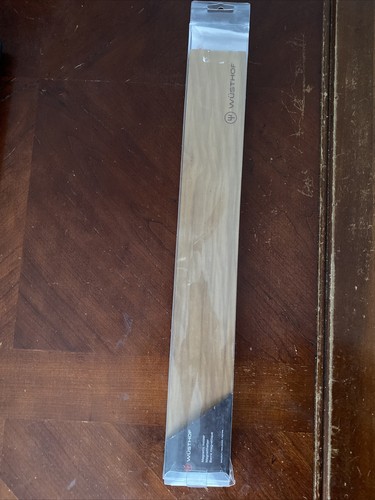
- Magnetic strip on the wall. Keep blades from touching. Use a wood-faced bar if possible.
- Knife block with clean slots. Insert spine side down to guard the edge.
- Blade guards or saya for drawer storage. Never toss a bare knife in a drawer.
Extra safeguards:
- Keep silica gel packs in the drawer if your kitchen is humid.
- Dry sheaths inside and out. Trapped moisture is rust fuel.
- Use wood or quality plastic boards. Glass or stone will wreck edges fast.
These steps are key to stainless steel knife maintenance in wet climates or small kitchens.
Handling habits that protect your edge
Use the right tool for the job. Your knife will thank you.
Do:
- Wipe the blade after cutting salty or acidic foods.
- Use push or slice cuts. Let the edge do the work.
- Keep the tip clear of pans and bones.
Avoid:
- Twisting the blade in hard foods. That chips the edge.
- Cutting on glass, marble, or plates.
- Smashing frozen food. Use a cleaver or saw for bones.
I learned this the hard way by chipping a VG-10 petty on a chicken backbone. One bad twist cost an hour of repair.
Source: co.uk
Troubleshooting common problems
Rust spots
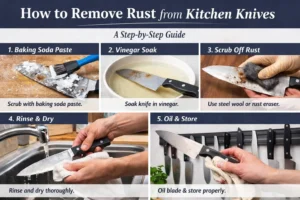
- Mix baking soda with water into a paste. Rub gently with a soft cloth.
- For stubborn spots, use a rust eraser or a cleaner with oxalic acid. Rinse and dry well, then oil.
Discoloration or “tea staining”
- Polish with a non-abrasive metal polish. Rinse, wash with soap, then dry.
Sticky food or drag
- Strop the edge. If the drag remains, do a quick touch-up on a 3000 grit stone.
Small chips or rolls
- Set a tiny micro-bevel with a few light passes at a slightly higher angle. Then polish.
- For larger chips, start on a coarser stone (300 to 600). Keep the edge straight as you reset the bevel.
Loose handle or screws
- Tighten fasteners with a proper driver. Use a tiny drop of thread locker if needed.
- Wood handles may need occasional mineral oil to prevent cracks.
These fixes round out your stainless steel knife maintenance plan so you can handle issues fast.
Source: amazon.com
A simple maintenance schedule
A routine makes care easy. Here is a plan that works at home or in a pro kitchen.
Daily
- Wash, dry, and store. Wipe with a thin coat of food-safe oil if needed.
- Hone lightly before prep.
Weekly
- Inspect the edge for chips or rolls.
- Clean the handle, bolster, and spine. Remove any gunk at the heel.
Monthly
- Do a full sharpening if you cook often. If not, sharpen as needed.
- Clean and dry your block or magnetic strip.
- Refresh silica gel packs if your area is humid.
Seasonal
- Deep clean blades and guards. Check for rust, stains, or loose parts.
- Oil wood handles and carbon steel tools.
This simple calendar keeps stainless steel knife maintenance on track with little effort.
Source: co.uk
Tools and products I trust
Here is a short list of items that make care simple and reliable.
Basics
- Mild dish soap and a soft sponge
- Microfiber towels for fast drying
- Food-safe mineral oil or camellia oil
Edge tools
- Ceramic honing rod
- Water stones: 1000 and 3000 or 6000 grit
- Coarse diamond plate (around 300) for repairs
- Leather strop with polishing compound
Cleaning aids
- Baking soda for gentle rust removal
- Non-abrasive metal polish for stains
- Rust eraser for spots and patina control
Storage helpers
- Blade guards for drawer storage
- Wooden magnetic strip or safe knife block
- Silica gel packs for humid kitchens
Budget tip: if you start from scratch, a 1000/3000 combo stone, a ceramic rod, and blade guards cover most stainless steel knife maintenance needs.
Frequently Asked Questions of stainless steel knife maintenance
How often should I sharpen a stainless steel kitchen knife?
For home cooks, every 1 to 3 months is common. If you cook daily or use harder foods, sharpen sooner and hone often.
Can stainless steel rust in a dishwasher?
Yes. Heat, harsh soap, and banging cause rust, warping, and chips. Hand wash and dry right away.
What oil is best for blade care?
Use food-safe mineral oil or camellia oil. They do not go rancid and are ideal for stainless steel knife maintenance.
Do magnetic strips dull knives?
No, if you place and remove the knife gently. Touch the spine first, then roll the blade flat to the magnet.
What grit stone should a beginner buy?
Start with a 1000 grit for dull edges and a 3000 or 6000 to refine. This simple set supports most stainless steel knife maintenance tasks.
Can I cut on glass or stone boards?
Avoid them. They dull edges fast and can chip tips. Use wood or quality plastic boards instead.
Why does my knife get orange spots after cutting lemons?
Acid and salt weaken the steel’s passive layer. Rinse, wash, and dry right after cutting acidic foods to prevent rust.
Are pull-through sharpeners bad?
They are fast, but can remove too much steel and leave a rough edge. Stones or a good service will give better, longer-lasting results.
Conclusion
Stainless steel makes knife care easier, not optional. A smart routine—wash, dry, hone, store—delivers a sharp, safe blade and clean finish day after day. Add a short monthly touch-up and the right storage, and your knives will feel new for years.
Start today. Pick one habit to improve—maybe drying right away or honing before prep—and build from there. If this guide helped, subscribe for more practical kitchen care tips or ask your questions in the comments so we can fine-tune your stainless steel knife maintenance together.

Olivia Bennett is a knife care and sharpening specialist with 6+ years of hands-on experience in blade maintenance, whetstone sharpening, and rust prevention. She creates simple, safe guides to help users maintain razor-sharp kitchen knives at home.
Expertise: Knife Sharpening, Maintenance, Blade Care