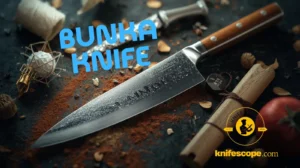
A traditional bunka knife is a Japanese multipurpose blade with a slanted tip and versatile cutting power.
I have worked with Japanese knives for years and used the traditional bunka knife in home kitchens and professional settings. This guide explains what the traditional bunka knife is, how it differs from other Japanese knives, and how to buy, use, and care for one. Read on for clear, practical advice from real experience and expert knowledge.
What is a traditional bunka knife?
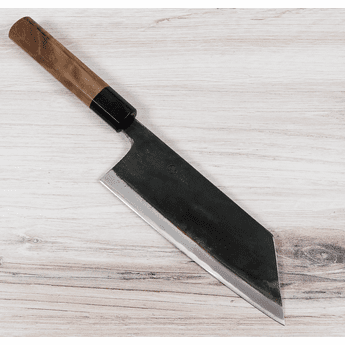
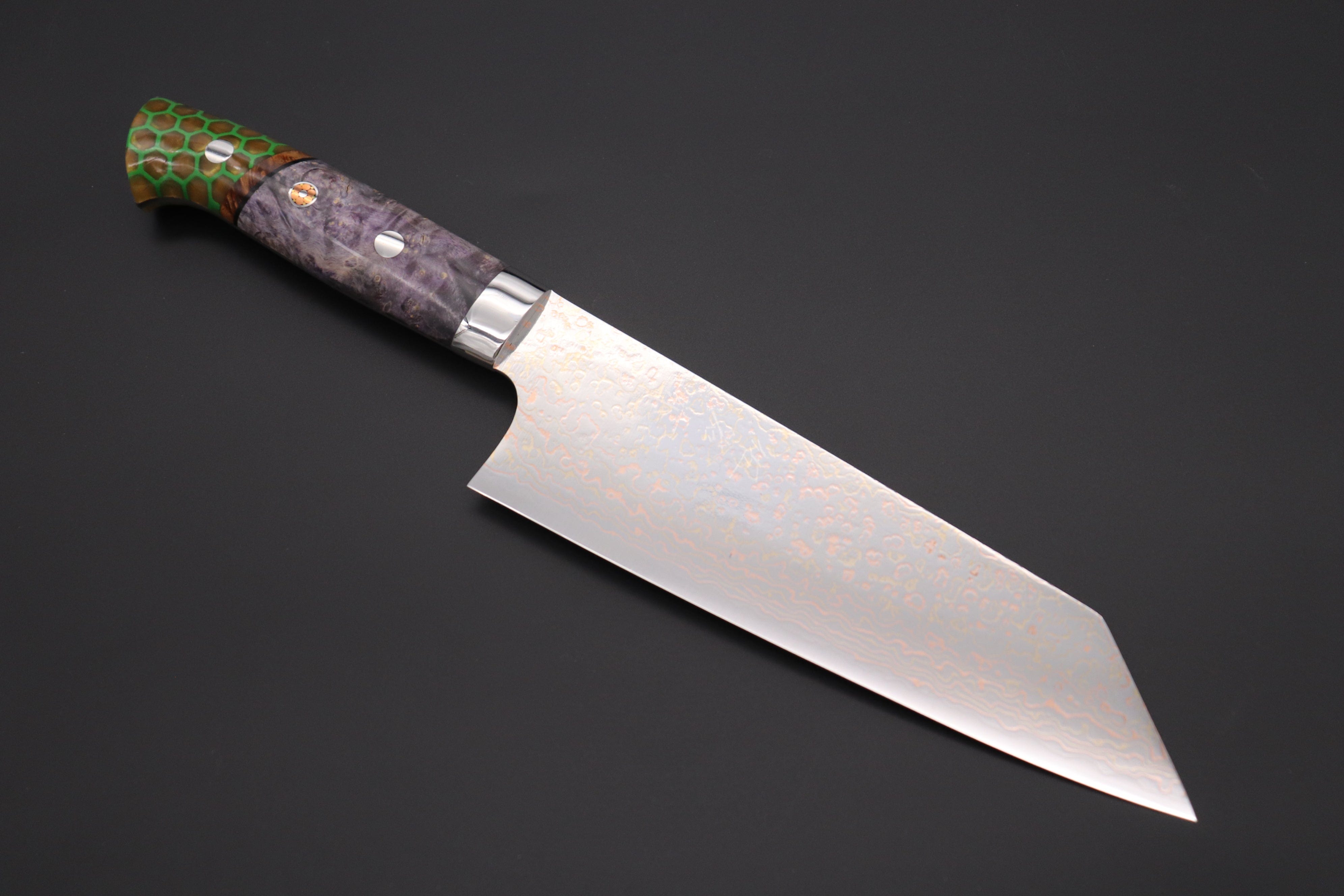
The traditional bunka knife is a small-to-medium Japanese chef knife. It blends the utility of a petty or santoku with a unique angled tip. The blade usually ranges from 150 mm to 180 mm and has a pronounced reverse tanto or angled tip. This tip helps with digging, peeling, and precision cuts. The bunka fills the gap between a small chef knife and a slicer.
- Key features of the traditional bunka knife:
- Short to medium blade length for control
- Reverse tanto or angled tip for detail work
- Wide belly for rocking and chopping
- Flat-to-slightly-curved edge for push cutting

History and origins
The bunka’s roots trace to modern Japanese kitchen needs. It evolved in the 20th century as cooks wanted a versatile, compact blade. Craftsmen borrowed shapes from tanto and petty knives to make a multipurpose tool. The traditional bunka knife is popular in Japan and among chefs worldwide for its utility and compact profile.

Design and blade geometry
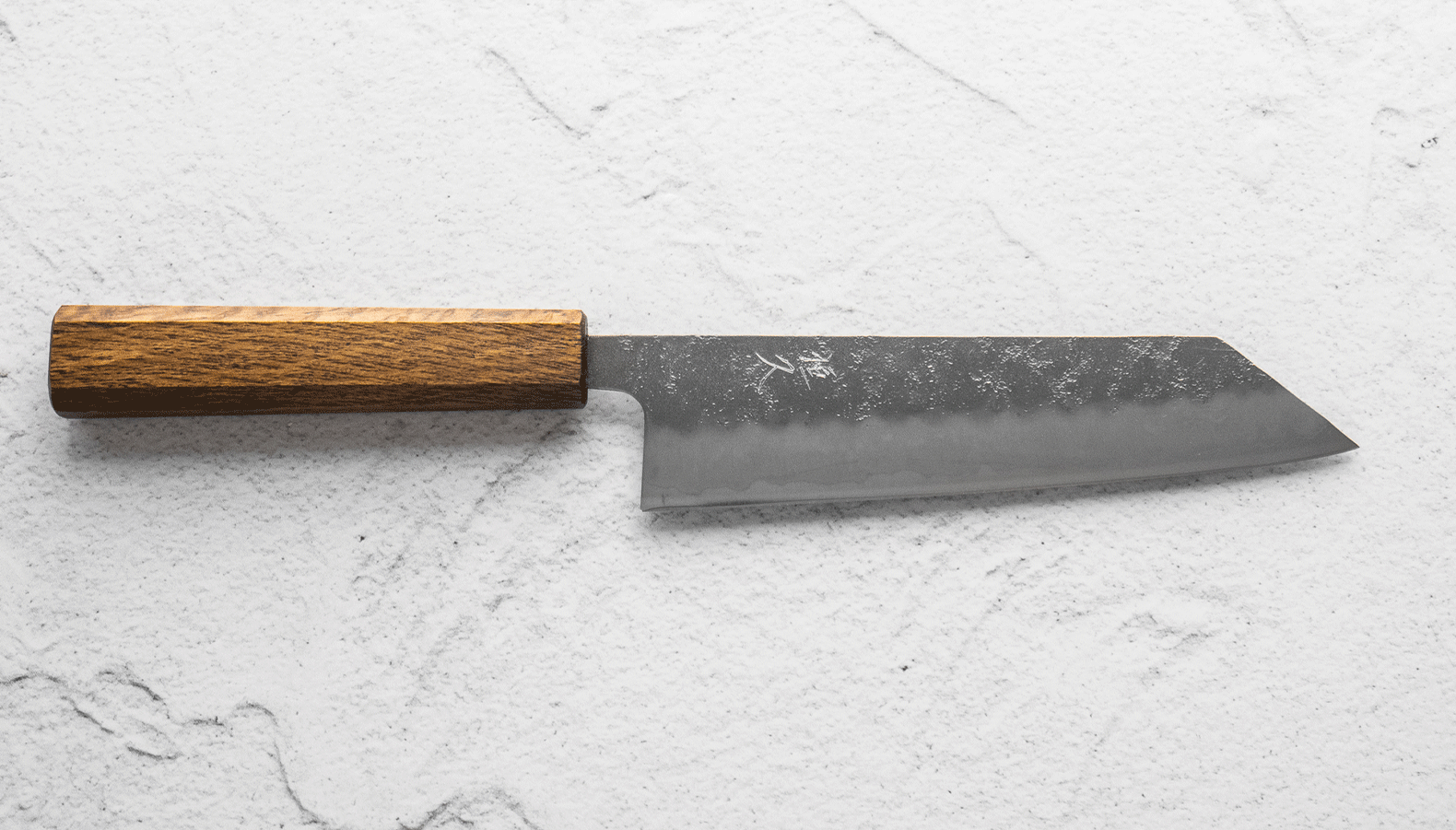
Blade shape sets the traditional bunka knife apart. The tip is often an angled reverse tanto. This gives a strong point for pierce cuts. The spine may be thicker near the heel and tapers to the tip. Many bunka blades use a double-bevel edge set between 15° and 20° per side. This balance offers sharpness and durability for daily use.
- Typical geometry elements:
- Wide blade for scooping and transferring
- Short heel for close control
- Angled tip for vertical and detail cuts
- Moderate edge angle for longevity
Common uses and techniques
The traditional bunka knife is a true all-rounder. It performs these tasks well:
- Precision slicing of vegetables and fruits
- Thin slicing of fish and boneless meats
- Trim and detail work around bones and joints
- Chopping herbs and small aromatics
Try techniques like push cuts, thin slices, and tip work. The angled tip helps with quick peeling, shallow paring, and fine cuts. In my kitchen, the bunka replaced larger knives for prep work and fast mise en place.

Materials, forging, and finishes
Traditional bunka knives come in carbon steel and stainless steel. Harder steels take a finer edge but need care to avoid rust. Popular finishes include mirror polish, kurouchi (blackened), and tsuchime (hammered). Many makers use clad construction: a hard core steel bonded to softer stainless steel cladding. This gives a mix of edge retention and toughness.
- Steel and finish notes:
- High-carbon steel for edge sharpness and easy sharpening
- Stainless cladding for corrosion resistance
- Kurouchi finish for traditional look and minor protection
- Tsuchime for reduced stickiness during cutting

Sharpening and maintenance
Maintaining a traditional bunka knife is straightforward with the right routine. Use whetstones for drying edges or guided systems for consistency. Keep the angle steady—15°–20° per side works for most bunka blades. After sharpening, strop or hone to remove burrs. Clean, dry, and oil carbon blades to prevent rust.
- Maintenance checklist:
- Hone with a ceramic rod between sharpenings
- Sharpen on stones as needed, typically every few months
- Hand wash and dry after each use
- Apply light oil to carbon blades if storing
How to choose and buy a traditional bunka knife
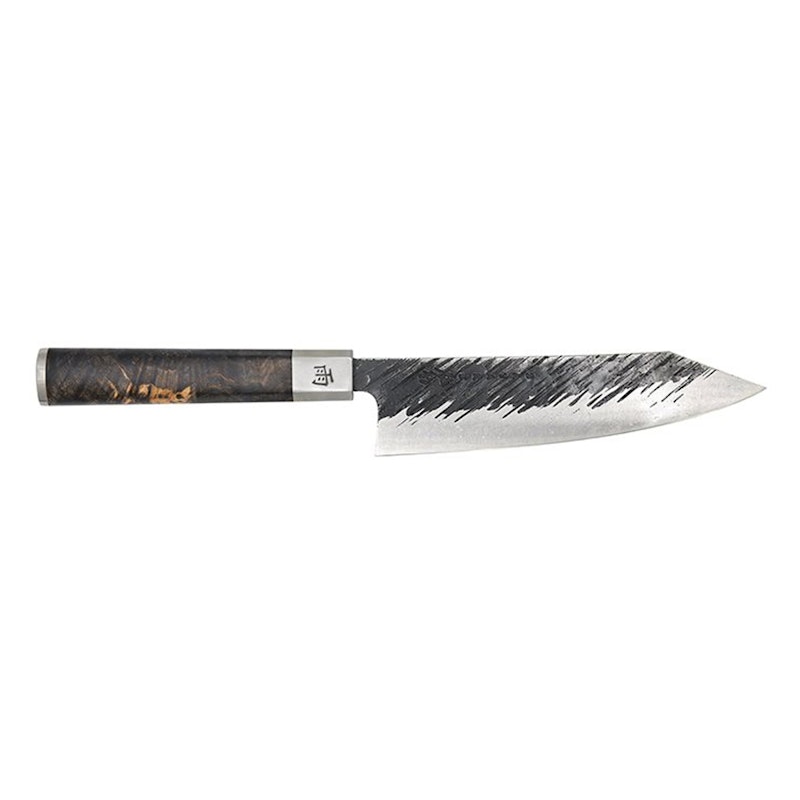
Buying the right traditional bunka knife starts with identifying your needs. Decide on blade length and steel. Try handles if possible. Consider the edge type and finish. Budget matters—good knives come at many price points.
- Buying tips:
- Choose 160 mm for a balanced, versatile blade
- Pick carbon steel for easier resharpening and bite
- Choose stainless if you need low maintenance
- Favor full-tang or well-balanced wa-handles for comfort
Ask to test the knife feel in hand. If you buy online, check return policies and warranty. I learned to avoid overly thin bargain blades; they dull fast and chip easily.
Personal experience and practical tips
I used a traditional bunka knife daily for two years in a busy kitchen. It handled veg, fish, and detail tasks without swapping tools. My key lessons:
- Keep the edge honed; a sharp bunka is safer and faster.
- Use a soft cutting board to preserve the edge.
- Avoid cutting hard bones or frozen food to prevent chipping.
A practical tip: when peeling or doing detail work, use the angled tip as a mini paring knife. That saves time and reduces tool changes. I once ruined a bunka by forcing it through frozen meat—don’t repeat that mistake.
Comparison: traditional bunka knife vs santoku and petty
Quick comparisons help pick the right tool. The bunka sits between santoku and petty knives.
- BUNKA
- Shorter than many santoku blades, with a pointed angled tip and versatile profile.
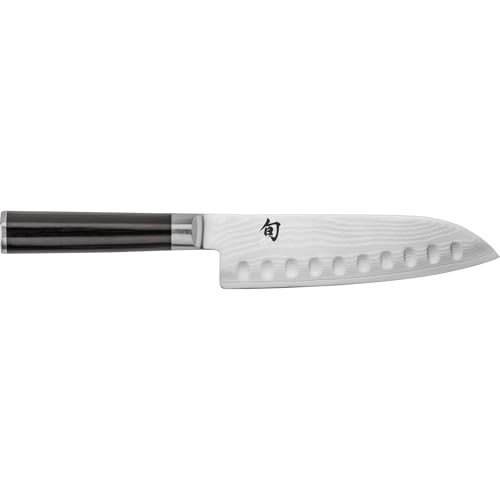
- SANTOKU
- Wider blade, flatter edge, rounded tip; excels at chopping and push cuts.
- PETTY
- Small utility knife for delicate work; lacks the bunka’s belly and tip power.
If you need one multiuse knife, the traditional bunka knife often wins for its balance of control and capability.
Frequently Asked Questions of traditional bunka knife
What is the best steel for a traditional bunka knife?
The best steel depends on needs: high-carbon steel gives superior edge retention and bite, while stainless offers low maintenance. Many users prefer a clad construction for a good mix.
How do I sharpen a traditional bunka knife?
Sharpen on water stones at a steady 15°–20° per side, then strop to remove burrs. Hone with a ceramic rod between major sharpening sessions.
Can I use a traditional bunka knife for boning?
It is not ideal for heavy boning or cutting through bones due to its thinner blade. Use it for trimming and small joints, but keep a boning or cleaver for heavy work.
How often should I hone my traditional bunka knife?
Hone lightly before or after use, or at least once a week for regular kitchen work. Sharpen on stones every few months depending on use.
Does a traditional bunka knife need special storage?
Store in a knife block, magnetic strip, or full sheath to protect the edge. Avoid loose drawers to prevent nicks and accidents.
Conclusion
The traditional bunka knife is a compact, versatile Japanese tool that shines at precision and everyday prep. Its angled tip, balanced blade, and manageable size make it an excellent choice for cooks who want one reliable, multipurpose knife. Try one for a month, keep it sharp, and you’ll notice faster prep and cleaner cuts. If you found this useful, test different steels and lengths, subscribe for updates, or leave a comment describing your experience with a traditional bunka knife.

Maliha Akter is a kitchen knife reviewer and food preparation specialist with over 6 years of experience testing Japanese kitchen knives and everyday cooking tools. She focuses on performance, safety, durability, and real-world usability to help home cooks choose the right knives for efficient and enjoyable cooking.
Expertise:Japanese Knives • Vegetable Knives • Product Reviews • Kitchen Efficiency • Knife Care