Traditional Japanese knives are hand-forged tools prized for razor sharpness and precise control.
I have worked with chefs, artisans, and collectors to study and use traditional Japanese knives for decades. This article explains how these knives are made, why they perform so well, and how to choose, care for, and sharpen them. Expect clear definitions, real-world tips, and guidance that blends hands-on experience with technical detail about traditional Japanese knives.
History and cultural roots of traditional Japanese knives
Traditional Japanese knives trace their roots to samurai swordsmithing. Over centuries, sword-making skills moved into kitchen cutlery. Craftsmen adapted folding, differential hardening, and specialized grinds to make knives for precise culinary work.
The role of the knife in Japanese cuisine shaped its evolution. Different knives match recipes, from delicate sashimi to heavy fish butchery. Understanding this history helps explain design, geometry, and care for traditional Japanese knives.
Types and uses: pick the knife for the task
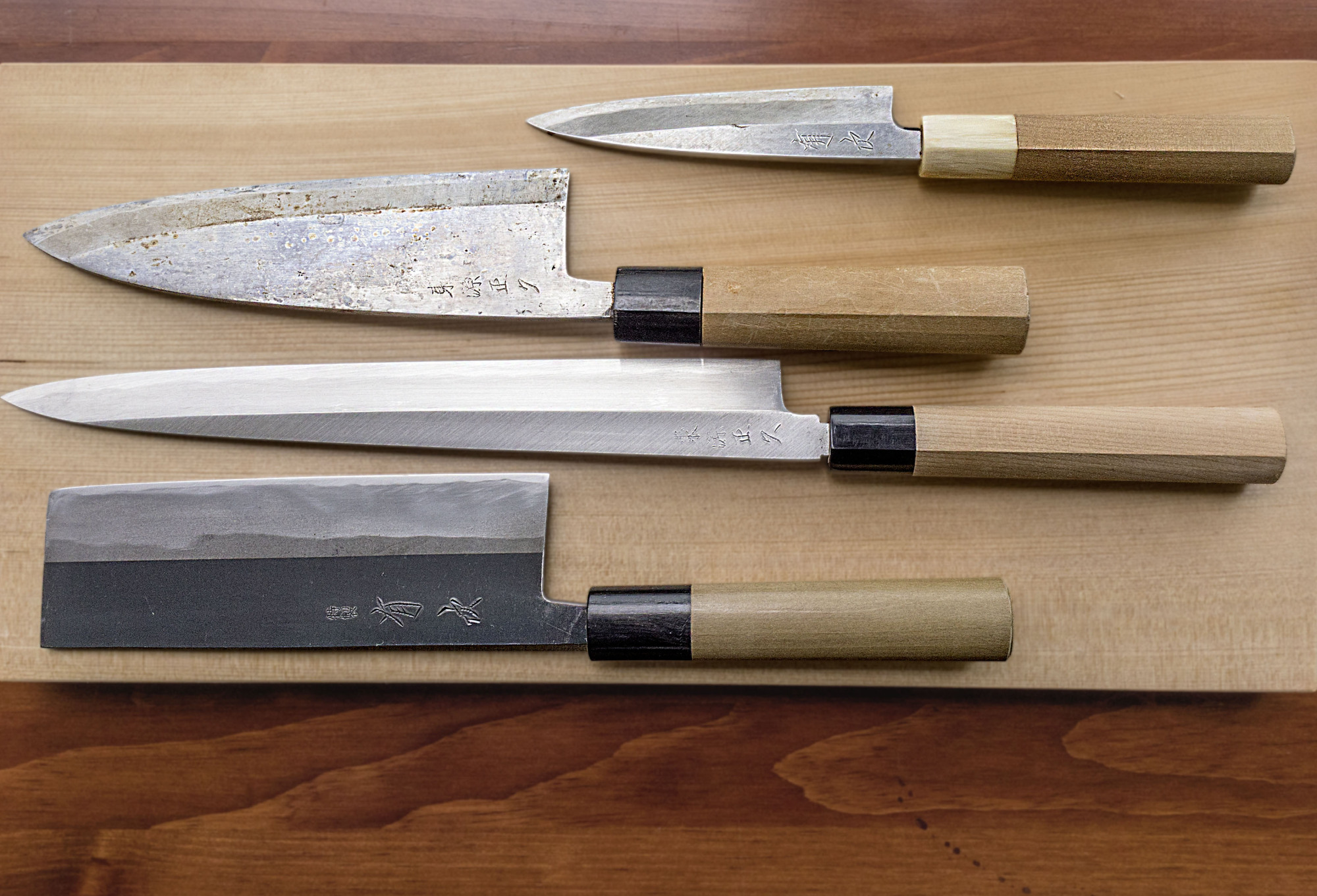
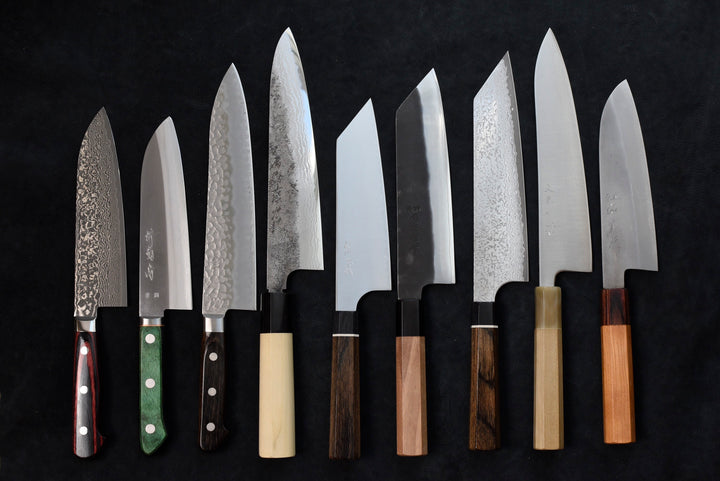
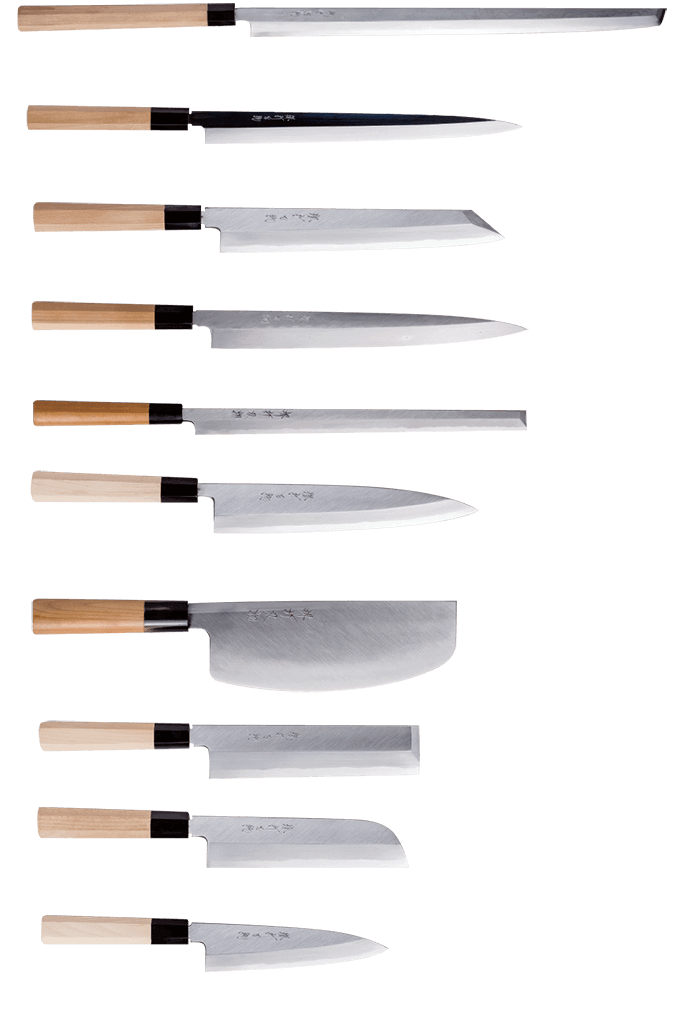
There is a wide range of traditional Japanese knives, each made for a purpose. Knowing the common types helps you choose the right tool.
- Yanagiba – Long, thin single-bevel knife for slicing raw fish and clean sashimi cuts.
- Deba – Thick, heavy single-bevel knife for fish butchery and light bone work.
- Usuba – Thin single-bevel vegetable knife for clean cuts and decorative work.
- Nakiri – Double-bevel vegetable knife with a straight edge for chopping.
- Gyuto – Japanese-style chef’s knife, versatile and used for many tasks.
- Petty – Small utility knife for peeling and fine work.
- Takobiki – Long slicer used in sushi shops, similar to yanagiba but with a squared tip.
Traditional Japanese knives favor purpose-built design. Match the knife to the task to get the best results from these precise tools.

Blade materials, forging, and construction
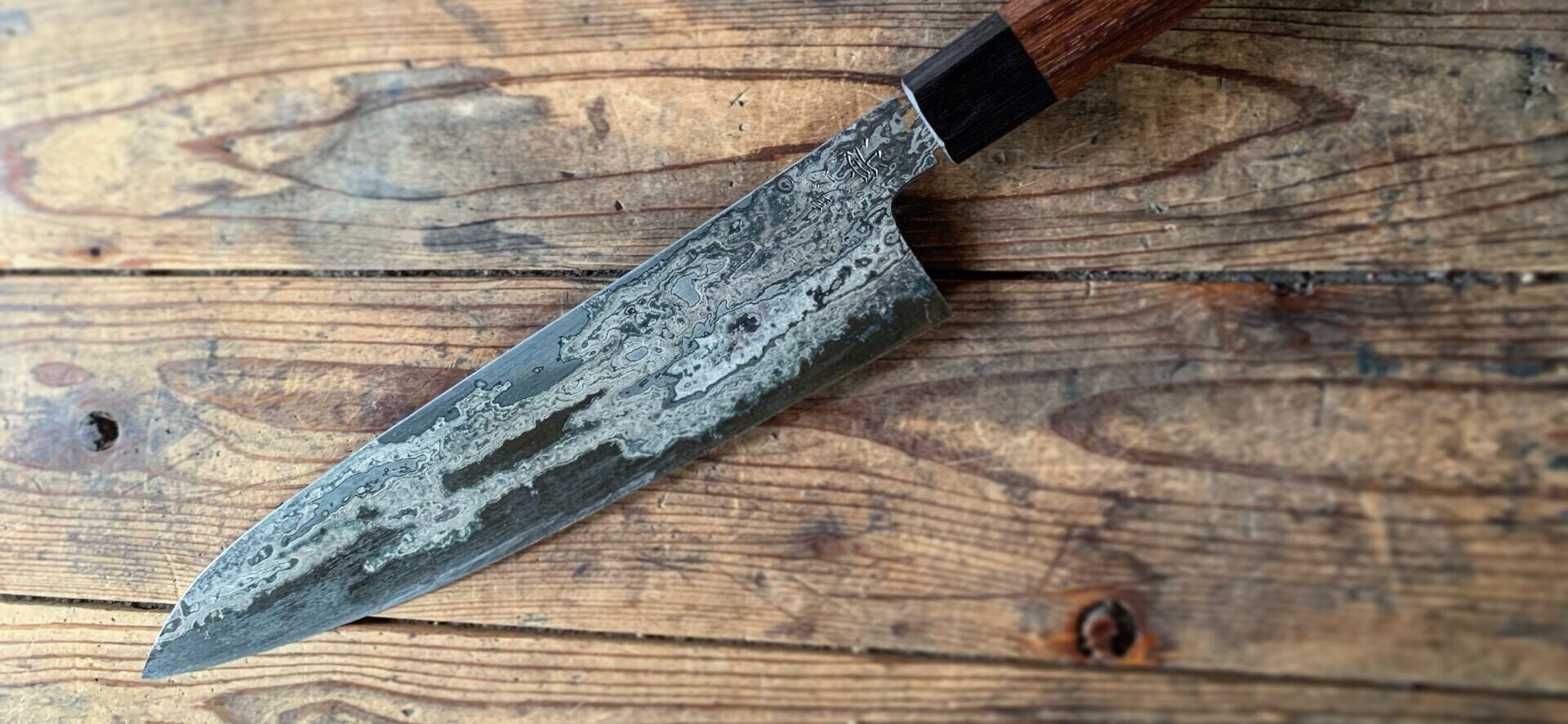
Traditional Japanese knives use a range of steels and construction methods. Classic knives used tamahagane-style carbon steel. Modern makers use high-carbon and stainless powdered steels to balance sharpness and corrosion resistance.
Construction styles include:
- Monosteel – Blade forged from a single steel type for uniform properties.
- Kasumi – Softer cladding over a harder core to combine toughness and sharpness.
- Sanmai – Hard core steel sandwiched between softer outer layers for durability.
Forging, folding, and differential heat treatment create a hard edge and a tough spine. These processes increase edge retention and produce the fine cutting ability that defines traditional Japanese knives. Proper heat treatment is crucial; a well-tempered blade cuts better and resists chipping.

Anatomy, bevels, and grind styles
Anatomy matters for performance. Key parts are the edge, spine, heel, and shinogi (ridge). Traditional Japanese knives often use single-bevel edges, but double-bevel styles are common too.
Single-bevel features:
- One-sided grind creates a very acute edge for clean slices.
- Used on yanagiba, usuba, and deba.
- Produces asymmetrical cuts and requires skill to use and sharpen.
Double-bevel features:
- Symmetrical grind that is easier to handle for home cooks.
- Common on gyuto and nakiri.
- Easier to maintain and often more versatile.
Edge angle and polish influence how the knife feels. Traditional Japanese knives typically have a thinner edge angle than Western knives, which explains their superior slicing feel.

Choosing the right traditional Japanese knife
Choose a knife by task, steel type, and grind. Consider these points when buying a traditional Japanese knife.
- Purpose – Match the blade to common kitchen tasks, like slicing fish or chopping vegetables.
- Steel – Pick high-carbon for ease of sharpening and bright edge; choose modern stainless for lower maintenance.
- Bevel – Select single-bevel for specialist work; choose double-bevel for general use.
- Weight and balance – Heavier blades help cutting through dense items; lighter blades aid precision.
- Handle – Wa (Japanese) handles give balance and tradition; Western handles may fit a Western grip better.
Try holding the knife to test balance and comfort. A knife should feel like an extension of your hand.
Care, sharpening, and maintenance
Traditional Japanese knives need regular care to stay sharp and safe. Simple routines keep performance high.
- Washing – Hand-wash with mild soap and dry immediately to prevent rust.
- Storage – Store in a saya (wooden sheath) or on a magnetic strip to protect the edge.
- Rust prevention – Oil lightly if using high-carbon steel and store dry.
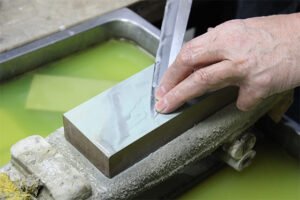
Sharpening steps:
- Soak a medium whetstone briefly if needed.
- Start at the correct edge angle for the knife type.
- Use gentle, consistent strokes and finish with a fine stone for polish.
- For single-bevel knives, maintain the specialized technique for the flat side.
Regular honing is not a substitute for whetstone sharpening. Learning to sharpen, or using a trusted professional sharpen service, will prolong blade life.

Practical uses and real-world examples
Traditional Japanese knives shine in specific kitchen tasks. Here are common uses and why they work well.
- Slicing raw fish – Yanagiba and takobiki produce thin, even slices with minimal cell damage.
- Vegetable prep – Usuba and nakiri deliver clean cuts that preserve texture and appearance.
- Butchery – Deba handles fish heads and small bones without crushing the meat.
- General prep – Gyuto covers most all-purpose tasks with a Japanese edge profile.
From my experience working in restaurant kitchens, a well-matched traditional Japanese knife improves speed and precision. Chefs notice better presentation and less waste.
Common mistakes, limitations, and misconceptions
Traditional Japanese knives are not perfect for every user. Knowing limits prevents disappointment.
- Misconception – They are always better than Western knives. Not true; they excel at tasks their geometry supports.
- Limitation – Single-bevel knives require skill and maintenance. They are less forgiving for casual users.
- Mistake – Using a delicate single-bevel knife for prying or heavy bone work can chip the edge.
Be realistic about how you will use and maintain the knife before buying one.

Personal experience and practical tips
I have tested dozens of traditional Japanese knives in kitchens and workshops. Practical lessons I learned:
- Start with a versatile gyuto or nakiri before moving to specialist single-bevel knives.
- Invest in whetstones and learn basic sharpening. It saves money and keeps blades at peak performance.
- Ask a maker about heat treatment and recommended edge angle when buying vintage or custom blades.
- When traveling with a high-carbon knife, bring a protective saya and oil for rust prevention.
These tips come from hands-on use and from advising chefs and home cooks on knife selection and care.
Buying guide and verifying authenticity
Finding a genuine traditional Japanese knife takes attention to detail. Follow these steps when buying.
- Verify maker marks and signatures on the tang or blade. Look for clear stamps and consistent style.
- Ask about steel specification and heat treatment. Good sellers provide detailed specs.
- Inspect grind quality and edge finish closely. Hand-forged blades show subtle hammer marks and layered steel patterns if folded or clad.
- Try the knife for balance and feel when possible. Photos rarely show weight distribution.
Buy from reputable shops, skilled blacksmiths, or known retailers. Authenticity matters for performance and value.
People also ask
Here are common quick questions with short answers.
What is the difference between single-bevel and double-bevel knives?
Single-bevel knives have one honed side and a flat or concave opposite side, offering razor-sharp slices and asymmetrical cuts. Double-bevel knives are symmetric and easier to use for general kitchen work.
Are traditional Japanese knives better for sushi?
Yes, for slicing raw fish, traditional single-bevel yanagiba or takobiki knives produce cleaner cuts with less cellular damage, improving texture and presentation.
Can I sharpen a traditional Japanese knife at home?
You can sharpen at home with whetstones, but single-bevel knives require practice to keep the proper angle and flat-side finish. Beginners benefit from lessons or professional sharpening.
Frequently Asked Questions of traditional japanese knives
What steel do traditional Japanese knives use?
Traditional knives often used high-carbon steels like tamahagane historically, while modern makers use high-carbon and powdered stainless steels for balance between sharpness and corrosion resistance.
How do I maintain a single-bevel knife?
Clean and dry after use, store in a saya or on a magnet, and sharpen on whetstones while respecting the single-bevel geometry to avoid ruining the edge.
Are traditional Japanese knives worth the price?
They are worth it if you value precision, thin-edge performance, and craftsmanship; casual users may prefer a well-made double-bevel knife that needs less upkeep.
Can I use traditional Japanese knives on bones?
Use debas or heavy-duty Japanese knives for small bones, but avoid using thin single-bevel slicers on hard bones as they can chip.
How often should I sharpen these knives?
Frequency depends on use. Professional kitchens may sharpen weekly, while home cooks often sharpen monthly and maintain with regular whetstone stropping or honing.
Conclusion
Traditional Japanese knives offer unmatched precision, purposeful design, and a deep link to Japanese craftsmanship. Choose the right blade for your tasks, learn proper care and sharpening, and treat the knife as both tool and craft. Start with a versatile blade, invest time in whetstone skills, and your knife will reward you with cleaner cuts and lasting performance. Explore makers, practice sharpening, and leave a comment or subscribe to follow more guides on choosing and caring for quality knives.

Maliha Akter is a kitchen knife reviewer and food preparation specialist with over 6 years of experience testing Japanese kitchen knives and everyday cooking tools. She focuses on performance, safety, durability, and real-world usability to help home cooks choose the right knives for efficient and enjoyable cooking.
Expertise:Japanese Knives • Vegetable Knives • Product Reviews • Kitchen Efficiency • Knife Care