A practical utility knife guide that helps you choose, use, and maintain knives safely and smartly.
I have used and tested dozens of cutting tools over many years in workshops and on job sites. This utility knife guides shares clear, expert backed advice you can use today. I will explain types, features, safe techniques, maintenance, buying tips, and real world lessons. Read on to make better choices, avoid common mistakes, and handle cuts with confidence.

Types of utility knives and blade styles
Utility knives come in many shapes. Knowing types helps you pick the right tool for the job. This section breaks down common styles and blade options.
- Foldable pocket utility knife
- Compact, easy to carry, good for light tasks and crafts.
- Fixed-handle utility knife
- Stable and robust for heavy work like roofing or drywall.
- Snap-off blade knife
- Long blades that you score and snap to reveal a fresh edge.
- Retractable blade knife
- Blade slides into the handle for safe storage and quick use.
- Ceramic blade options
- Stay sharp longer and resist rust, best for precise cuts on soft materials.
- Hook blades and specialty shapes
- Designed for cutting linoleum, carpet, or roofing materials without damage.
Blade materials and edge types
- High-carbon steel
- Sharp and strong, but may rust if not cared for.
- Stainless steel
- Corrosion-resistant and durable for general use.
- Coated blades
- Reduce friction and improve glide when cutting dense materials.
- Plain edge
- Good for clean, straight cuts.
- Serrated edge
- Works well on fibrous materials where sawing action helps.
This utility knife guide will help you match blade type to task. Use the right blade and you save time and reduce risk.
Source: newwestknifeworks.com
Key features to look for when buying a utility knife
Choosing the right knife comes down to a few core features. Focus on these to get a tool that fits your needs.
- Blade locking mechanism
- Look for positive locks that prevent blade movement during use.
- Handle comfort and grip
- Ergonomic shape and non-slip surface reduce fatigue and improve control.
- Blade change system
- Quick-change systems save time and keep fingers away from the edge.
- Durability and build quality
- Metal or reinforced handles last longer under heavy use.
- Size and weight
- Light knives are easy for long tasks. Heavier knives offer more cutting power.
- Safety features
- Retractable blades, finger guards, and secure locks lower accident risk.
- Replaceable blade availability
- Common blade sizes are easier to restock and often cheaper.
Choosing with these features in mind will make your purchase smarter and safer. This utility knife guide emphasizes safety and value first.

Source: kaiusa.com
How to use a utility knife safely: step-by-step
Safe use reduces injuries. Follow these clear steps each time you use a utility knife.
- Inspect the knife before use
- Check blade condition, lock, and handle. Replace dull or damaged blades.
- Wear basic protection
- Use safety glasses and gloves suited for cut resistance when needed.
- Secure your workpiece
- Clamp or hold material on a stable surface. Keep hands away from the cutting line.
- Position your body
- Stand with a stable stance. Cut away from your body, not toward it.
- Use controlled strokes
- Make short, firm passes rather than forcing a single long cut.
- Use the right blade depth
- Extend only as much blade as needed to cut through the material.
- Retract or lock blade when idle
- Never leave the blade exposed when set down.
- Store safely after use
- Keep knives in a drawer, pouch, or tool box with blade retracted or covered.
These practices form a strong safety habit. The best utility knife guide stresses safe habits over speed.

Source: amazon.com
Maintenance: blade replacement, sharpening, and care
A well-maintained knife performs better and is safer. Follow this simple maintenance routine.
- Regular blade checks
- Inspect for nicks, rust, or dullness before each job.
- Replace blades often
- Replace dull blades. Dull edges cause slips and require more force.
- Sharpening options
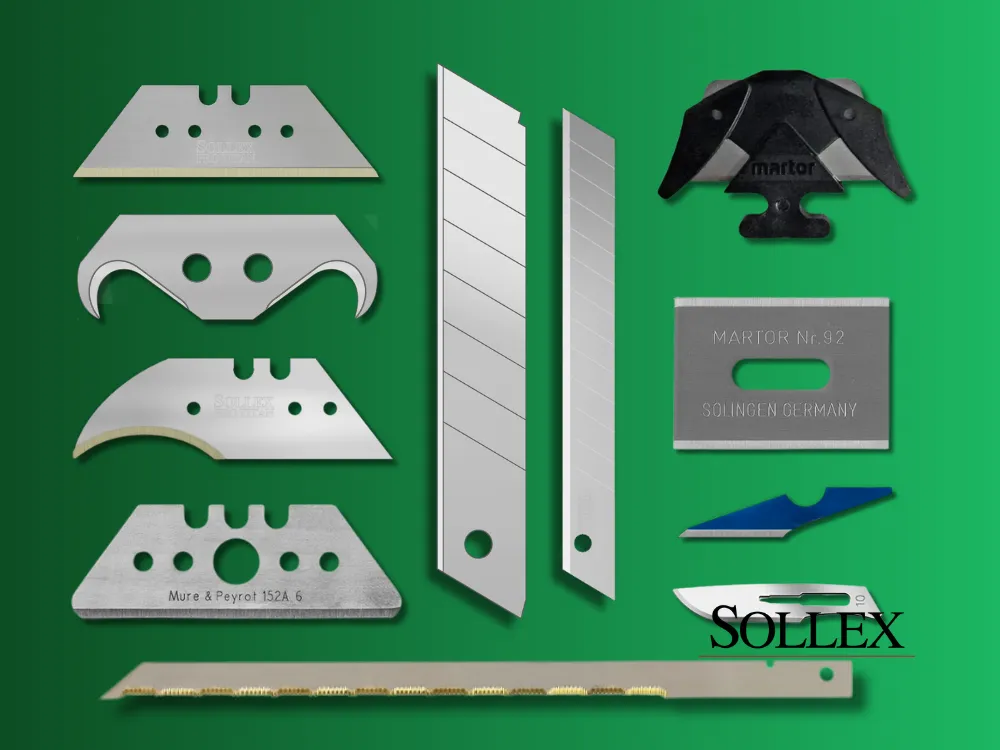
- Some blades can be honed on a small stone. Snap-off and disposable blades are replaced instead.
- Clean and dry after use
- Remove debris and moisture. Wipe metal parts with oil to prevent corrosion.
- Lubricate moving parts
- A drop of light oil on slide mechanisms keeps locks smooth.
- Store properly
- Keep knives in a dry place. Use blade guards or retract blades when storing.
Consistent care extends tool life and keeps cuts predictable. This utility knife guide favors small steps that prevent big problems.
Source: sollex.com
Buying guide: match the knife to your needs and budget
Buying the wrong knife wastes money and risk. Use this checklist before you buy.
- Define your main tasks
- Light tasks like craft or box opening need a small retractable knife. Heavy trades prefer fixed or heavy-duty models.
- Decide on blade type
- Snap-off for frequent fresh edges. Solid blades for strength.
- Evaluate safety and replacement costs
- Some knives use cheap blades. Others need proprietary blades that cost more.
- Consider ergonomics and fit
- Hold the knife in your hand if possible. Good fit reduces fatigue.
- Plan for supply
- Ensure blades are easy to replace and available online or locally.
- Compare warranties and support
- Longer warranties or replaceable parts add value.
Set a budget but value safety and function. This utility knife guide helps you prioritize what matters most.

Source: outdoorgearlab.com
My experience: practical tips, lessons, and mistakes to avoid
I have used many utility knives on jobs and home projects for years. Here are lessons I learned the hard way.
- Always carry spare blades
- Running out mid-job leads to unsafe shortcuts. I now keep a pack of spare blades in my pouch.
- Don’t force the blade
- I once pushed a dull blade through carpet and slipped. Replace dull blades early.
- Use the right blade for the material
- Trying to use a thin craft blade on a thick rubber mat is a mistake. Match blade to task.
- Keep one knife for precise cuts and one for heavy work
- Mixing tasks with one knife destroys edges fast. I keep a lightweight cutter for paper tasks and a heavy knife for construction.
- Teach others correct use
- I’ve shown apprentices how to hold material and cut away. That reduced shop incidents.
These are practical tips from hands-on experience. This utility knife guide is grounded in real work.

Source: kaiusa.com
Common mistakes and how to avoid them
Knowing common errors helps you avoid them. Here are frequent mistakes and fixes.
- Mistake: Using a dull blade
- Fix: Replace blades at the first sign of drag or tear.
- Mistake: Cutting toward the hand or body
- Fix: Reposition work so cuts move away from you.
- Mistake: Overextending blade length
- Fix: Extend only a few millimeters beyond the material thickness.
- Mistake: Poor storage
- Fix: Retract or sheath blades and store dry.
- Mistake: Ignoring locks or loose parts
- Fix: Inspect and repair or replace the knife if locks fail.
Avoiding these common errors improves safety and results. This utility knife guide highlights prevention over reaction.

Source: worksharptools.com
Frequently Asked Questions of utility knife guide
What is a utility knife best used for?
A utility knife is best for general cutting tasks like opening boxes, trimming drywall, and cutting carpet. It is a versatile tool for both home and work use.
How often should I change the blade?
Change the blade when it no longer cuts smoothly or requires more force. For frequent users, that may be daily or weekly; for light users, monthly.
Are snap off blades better than fixed blades?
Snap-off blades are convenient for a fresh edge quickly, but fixed blades are stronger and better for heavy tasks. Choose based on the work you do.
How do I safely dispose of used blades?
Place used blades in a blade bank or a sturdy container before discarding. Seal the container and label it to prevent injury to waste handlers.
Can I sharpen a snap-off blade?
Most snap-off blades are too thin to sharpen effectively. They are designed to be replaced or snapped to a fresh section instead.
Is a ceramic blade worth it?
Ceramic blades hold an edge longer and resist rust, but they are brittle and can chip. They are worth it for precise, light tasks.

Source: kaiusa.com
Conclusion
This utility knife guide covers the types, features, safe techniques, maintenance, buying advice, and real-life tips you need. Choose the right knife, keep blades sharp, and practice safe habits. Start by inspecting your tool, matching blade type to task, and keeping spare blades on hand. Try one change today: swap a dull blade for a fresh one and notice the difference in control and safety. Share your experience or ask a question below, and consider subscribing to stay updated on practical tool guides.

Maliha Akter is a kitchen knife reviewer and food preparation specialist with over 6 years of experience testing Japanese kitchen knives and everyday cooking tools. She focuses on performance, safety, durability, and real-world usability to help home cooks choose the right knives for efficient and enjoyable cooking.
Expertise:Japanese Knives • Vegetable Knives • Product Reviews • Kitchen Efficiency • Knife Care