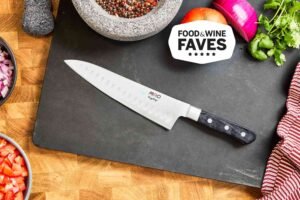
A vegetable knife guide helps you choose, use, and care for the best knives for veggies.
I have spent years testing knives in home and professional kitchens, and this vegetable knife guide condenses that experience into clear, practical advice. Read on to learn which knife shapes matter, how to maintain a razor edge, safe cutting techniques, and smart buying tips so you get the right tool for every vegetable task.
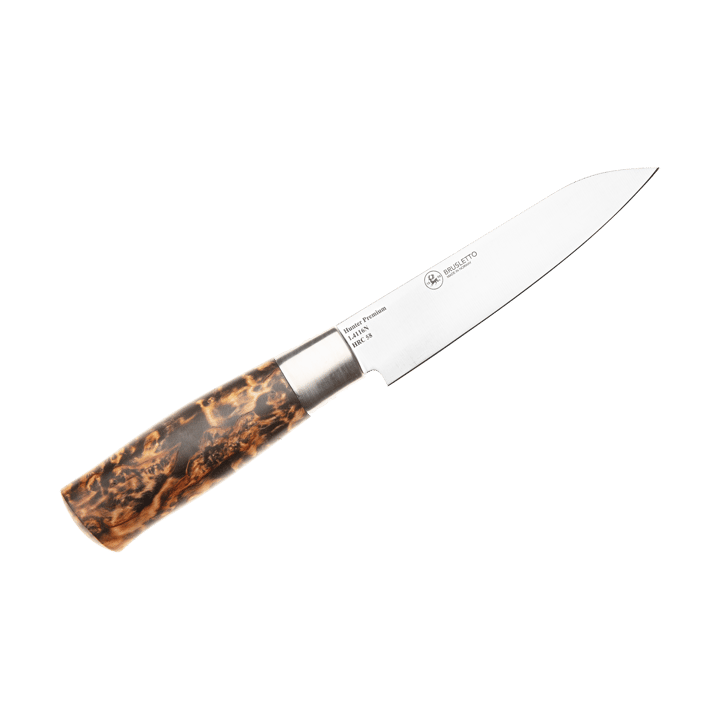
Types of vegetable knives
Vegetable knife guide starts with knowing the main knife types you may use for vegetables. Each shape changes how you cut and how fast you work.
Nakiri
- Flat blade built for straight-up chopping.
- Great for thin slices, mincing, and push-cutting with minimal rocking.
Usuba
- Traditional Japanese single-bevel vegetable knife.
- Offers ultra-thin slices and precise vegetable work; best for practiced users.
Santoku
- All-purpose short-bladed knife with a slight belly.
- Works well for chopping, slicing, and dicing vegetables.
Paring knife
- Small and nimble for peeling and trimming.
- Perfect for detail work like coring or deveining.
Chinese cleaver (vegetable cleaver)
- Wide, rectangular blade for scooping and chopping.
- Versatile for cutting, crushing garlic, and transferring food.
Chef's knife
- Multi-use workhorse that handles both veg and meat.
- Good if you want one knife that does most tasks well.
This vegetable knife guide emphasizes picking a shape that matches your prep style. If you prep lots of leafy greens, a nakiri or cleaver can speed you up. If you need one kitchen all-rounder, the santoku or chef's knife is ideal.

How to choose the right vegetable knife
Choosing a knife in this vegetable knife guide means balancing comfort, task fit, and care needs. Focus on these factors.
- Blade shape
- Choose flat blades for push-cuts and rocking blades for mixed tasks.
- Blade length
- 6 to 8 inches works for most home cooks; smaller for tight tasks.
- Weight and balance
- A balanced knife feels steady in the hand. Heavy blades can speed cuts but tire you.
- Handle comfort
- Try the grip. Wood feels warm, synthetic handles can be sanitary and durable.
- Edge angle and bevel
- A fine edge slices better but needs more care. Double-bevel is easier for beginners.
- Maintenance willingness
- If you hate sharpening, choose high-hardness stainless or ceramic that holds an edge longer.
- Budget
- Decide on cost vs. longevity. Mid-range steel often gives the best value.
This vegetable knife guide recommends testing knives in person if possible. Hold the knife, mimic cuts, and notice balance and comfort.
 retention”
style=”max-width: 100%; height: auto; border: 2px solid black; border-radius: 10px; display: block; margin: 0 auto;”
loading=”lazy”
/>
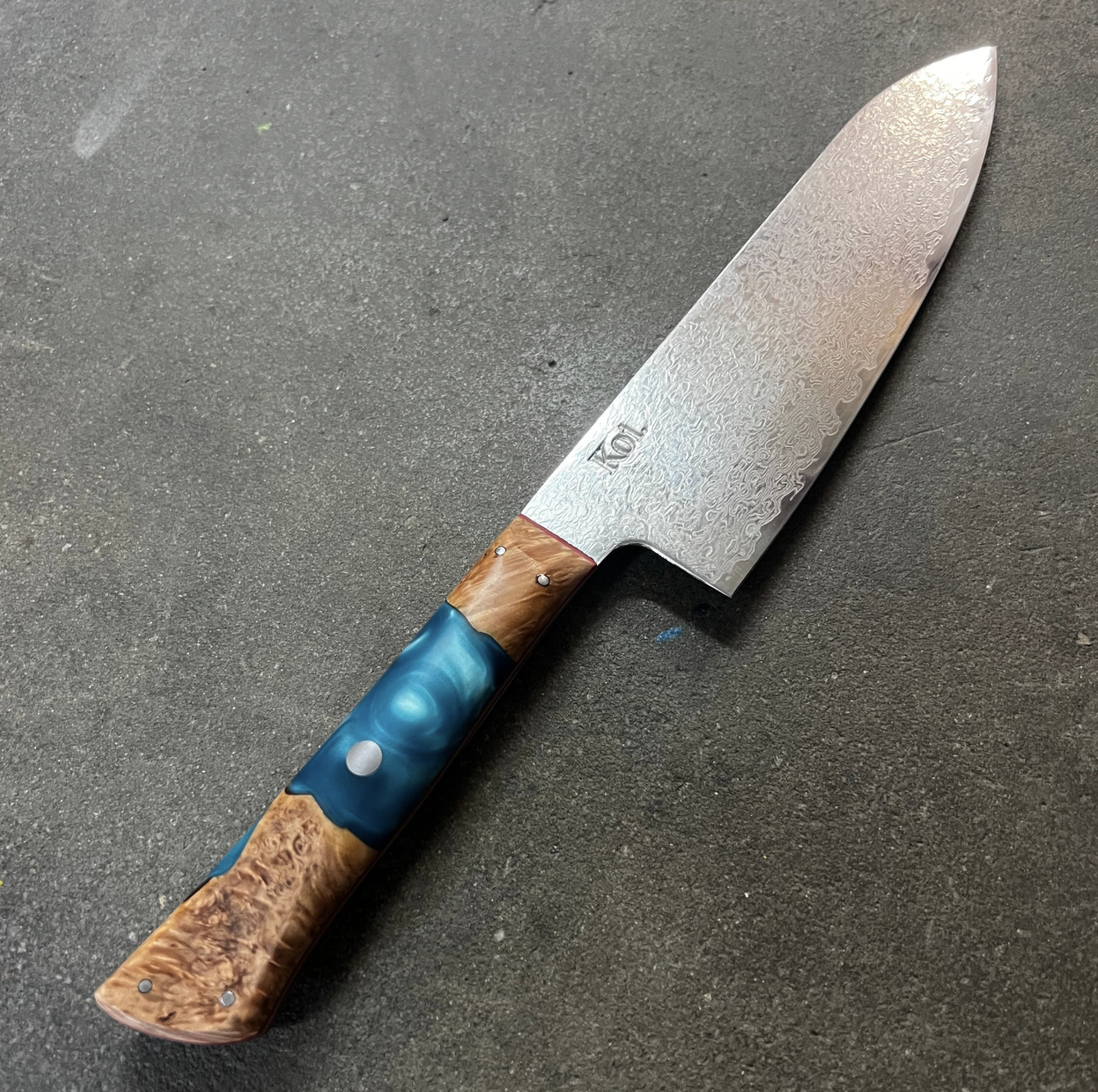
Blade materials and edge retention
Material drives performance in this vegetable knife guide. Here are common steels and ceramic, and what they mean for you.
- High-carbon stainless steel
- Good edge life and corrosion resistance. Easy to maintain.
- Carbon steel
- Takes a finer edge but can rust if not cared for. Favored by pros for feel and sharpness.
- Powder metallurgy steel
- Higher hardness, great edge retention. Often more expensive.
- Ceramic
- Stays sharp very long. Brittle; chips if dropped or used on hard surfaces.
Edge retention matters if you prep lots of vegetables. A blade that stays sharp reduces crushing and bruising of delicate veg. If you pick carbon steel, accept some extra care. This vegetable knife guide advises: match material to your maintenance habits.

Sizes, shapes, and what they do
This vegetable knife guide helps you match size and shape to tasks in the kitchen.
- Small blades (3–4 inches)
- For peeling, trimming, and work that needs control.
- Medium blades (5–7 inches)
- Great for most vegetables and precise slices.
- Long blades (8+ inches)
- Efficient for large items and fast chopping.
Blade profiles and their uses:
- Straight edge
- Push-cutting and straight slices.
- Slight belly
- Smooth rocking motion and chopping.
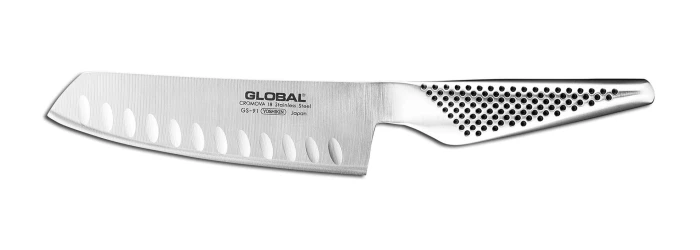
- Hollow edge (granton)
- Reduces sticking for thin slices.
Pick a blade that fits your cutting board and counter space. A blade too long can be hard to control; too short slows big jobs. This vegetable knife guide suggests a 6–7 inch santoku or nakiri for most home cooks.

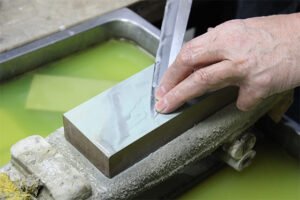
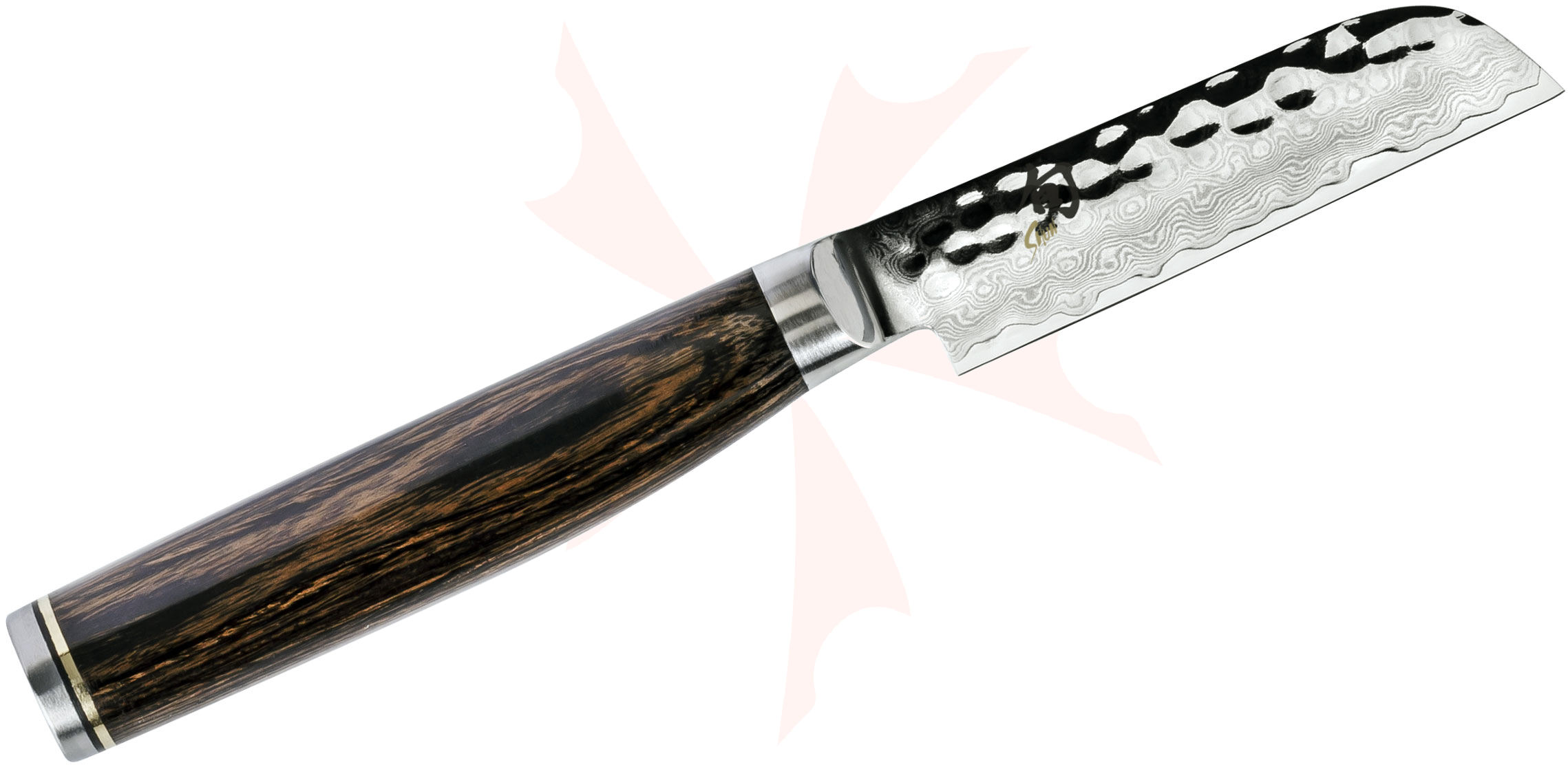
Sharpening, honing, and maintenance
A sharp knife is safer and faster. This vegetable knife guide covers daily care and longer-term sharpening.
- Honing
- Use a honing rod often to realign the edge. Do this before or after each session.
- Sharpening
- Use a whetstone or guided sharpener when honing no longer helps. 15–20 degree per side is common.
- Frequency
- Hone weekly; sharpen a few times a year depending on use.
- Cleaning
- Hand wash and dry immediately. Avoid dishwashers for most quality blades.
- Storage
- Use a magnetic strip, blade guard, or in-drawer organizer to protect edges.
Practical tip: if you feel burrs after sharpening, gently strop the edge on leather to polish the cutting surface. My tests show a consistent sharpening routine keeps vegetables looking fresh and reduces cell damage.
Cutting techniques and safety
This vegetable knife guide teaches simple, safe skills you can use every day.
- Grip
- Use a pinch grip near the blade for control. Hold the handle with your other fingers.
- Claw technique
- Tuck fingertips under and guide the food with knuckles to protect fingers.
- Motion
- Use push-cut for flat blades and a gentle rocking motion for curved blades.
- Stabilize food
- Create a flat surface first. Half your vegetables to stop rolling.
- Speed and focus
- Work at a steady pace and avoid distracting tasks while cutting.
Safety tip: keep your cutting board stable with a damp towel under it. This small habit prevents slips and improves accuracy. This vegetable knife guide stresses that safe technique beats raw speed.
Practical uses and recipe tasks
A targeted vegetable knife guide shows which knife for common kitchen tasks.
- Slicing tomatoes
- Use a sharp thin edge or serrated paring knife to avoid crushing.
- Julienne carrots or zucchini
- Use a nakiri or chef's knife for consistent thin sticks.
- Mincing garlic and herbs
- Use a small chef's knife or santoku and a rocking motion.
- Peeling and detail work
- Use a paring knife or a small serrated tool.
- Large root vegetables
- Use a heavy cleaver or long chef's knife for tough tasks.
Pair knife choice with technique. For example, I use a nakiri for batch prep and a paring knife for plating details. This vegetable knife guide recommends practicing classic cuts to build speed and uniformity.

Buying tips and budget picks
This vegetable knife guide helps you shop smart and avoid common mistakes.
- Try before you buy
- If possible, hold the knife and make a test cut.
- Read warranty and return policy
- A good warranty signals confidence from the maker.
- Value tiers
- Budget: stainless stamped knives for light use.
- Mid-range: forged high-carbon stainless for balance and longevity.
- Premium: powder steels and hand-finished blades for pros.
- Recommended starter setup
- One 6–7 inch chef or santoku, one paring knife, and a good whetstone or sharpener.
Avoid common traps: flashy coatings or heavy marketing claims do not replace fit and feel. This vegetable knife guide suggests investing more in a well-balanced blade than in multiple low-quality knives.
Personal experience and lessons learned
I have used many knives while testing kitchens. Here are honest lessons from real use that shape this vegetable knife guide.
- Comfort matters more than brand
- A mid-priced knife that fits your hand will be used more than an expensive one that feels awkward.
- Sharpness beats hardness
- A sharp softer steel can cut better than a hard dull steel. Keep edges sharp.
- Care is simple but consistent
- Hand washing and regular honing extend life dramatically.
- Match the tool to the task
- Using a cleaver for delicate herbs is inefficient. Keep a small paring knife handy.
One mistake I made was buying a very hard steel and neglecting sharpening tools. The blade chipped and was hard to repair. I learned to pair a high-end blade with a proper sharpening routine. This vegetable knife guide encourages realistic match of tool and maintenance.
Frequently Asked Questions of vegetable knife guide
What is the best knife for cutting vegetables?
The best knife for cutting vegetables depends on your style. Nakiri, santoku, and chef's knives are top choices for most vegetable work.
How often should I sharpen my vegetable knife?
Sharpen when honing no longer restores the edge, typically every few months for regular home use. High-use kitchens may sharpen more often.
Can I use a chef's knife instead of a nakiri?
Yes. A chef's knife is versatile and can handle most vegetable tasks, though a nakiri may be faster for large vegetable batches.
How do I keep a vegetable knife from rusting?
Hand wash and dry immediately, and store in a dry place. For carbon steel, apply a light oil if you store it long term.
Is ceramic good for a vegetable knife?
Ceramic holds an edge well and works great for many vegetables, but it can chip or break if used on bones or dropped.
Conclusion
This vegetable knife guide equips you to choose, use, and care for the right knife for your kitchen tasks. Match blade shape and material to your needs, keep edges sharp, and practice safe cutting techniques to make prep faster and more enjoyable. Try one focused upgrade—like a 6–7 inch nakiri or santoku—and commit to basic sharpening; your prep will feel easier and look better. Share your knife wins or questions below, subscribe for more guides, or test one of the tips today.

Maliha Akter is a kitchen knife reviewer and food preparation specialist with over 6 years of experience testing Japanese kitchen knives and everyday cooking tools. She focuses on performance, safety, durability, and real-world usability to help home cooks choose the right knives for efficient and enjoyable cooking.
Expertise:Japanese Knives • Vegetable Knives • Product Reviews • Kitchen Efficiency • Knife Care