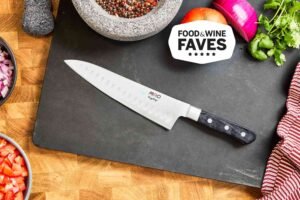
Top Japanese chef knives include Tojiro DP, Takamura R2, Masamoto KS, Shun Classic.
You want tools that feel sharp, stay sharp, and cut with ease. I have tested, sharpened, and used many blades in home and pro kitchens. In this guide, I break down what are the best japanese chef knives for your needs and budget. You will learn how to pick a knife that fits your hand, your food, and your routine.

What makes a Japanese chef knife the best
A great Japanese knife starts with good steel and heat treatment. Hard steel helps a thin edge stay keen for longer. Precise grinds make food release smoother and cuts cleaner. Fit and finish matter because comfort shapes control.
Think about how you cut. Push, pull, or rock? The best knife fits your style. It should track straight, not wedge, and feel stable. The spine and choil should be smooth on your fingers.
If you ask what are the best japanese chef knives, you must also ask what is best for your tasks. A sushi chef and a home cook do not need the same tool. Your board, diet, and care habits shape the right choice.
Key markers I look for:
- Steel at about 60 to 65 HRC for edge life with care.
- Even grind from heel to tip for clean, straight cuts.
- Thin behind the edge for low resistance through food.
- Balanced weight that feels lively, not tiring.
When I test knives, I check for heel contact, tip control, and bite on tomato skin. I also watch how food falls from the blade. These small signals tell me a lot.

Knife types you will see and what they do
You will see many shapes. Each one has a job. Here is a fast map to help you shop.
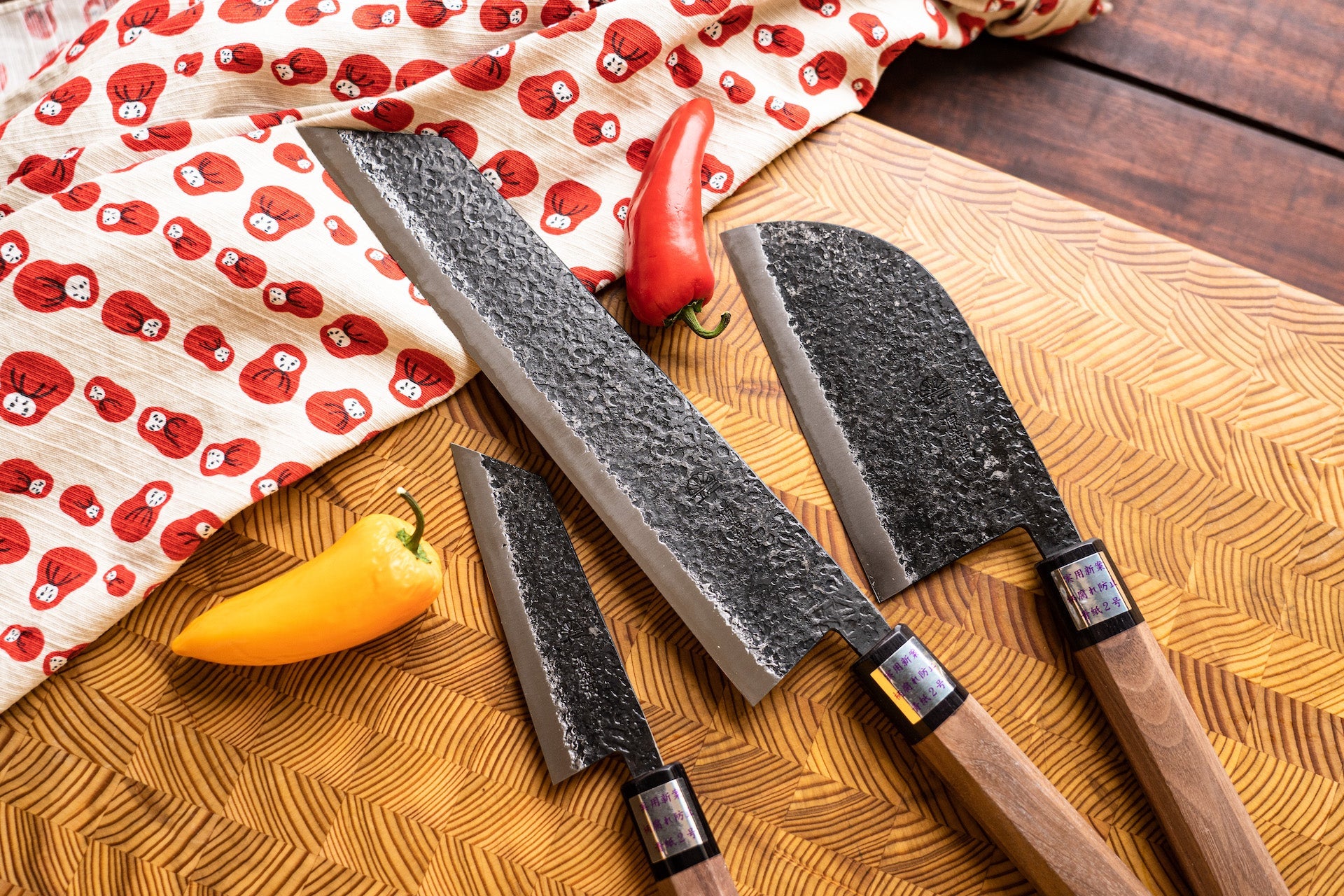
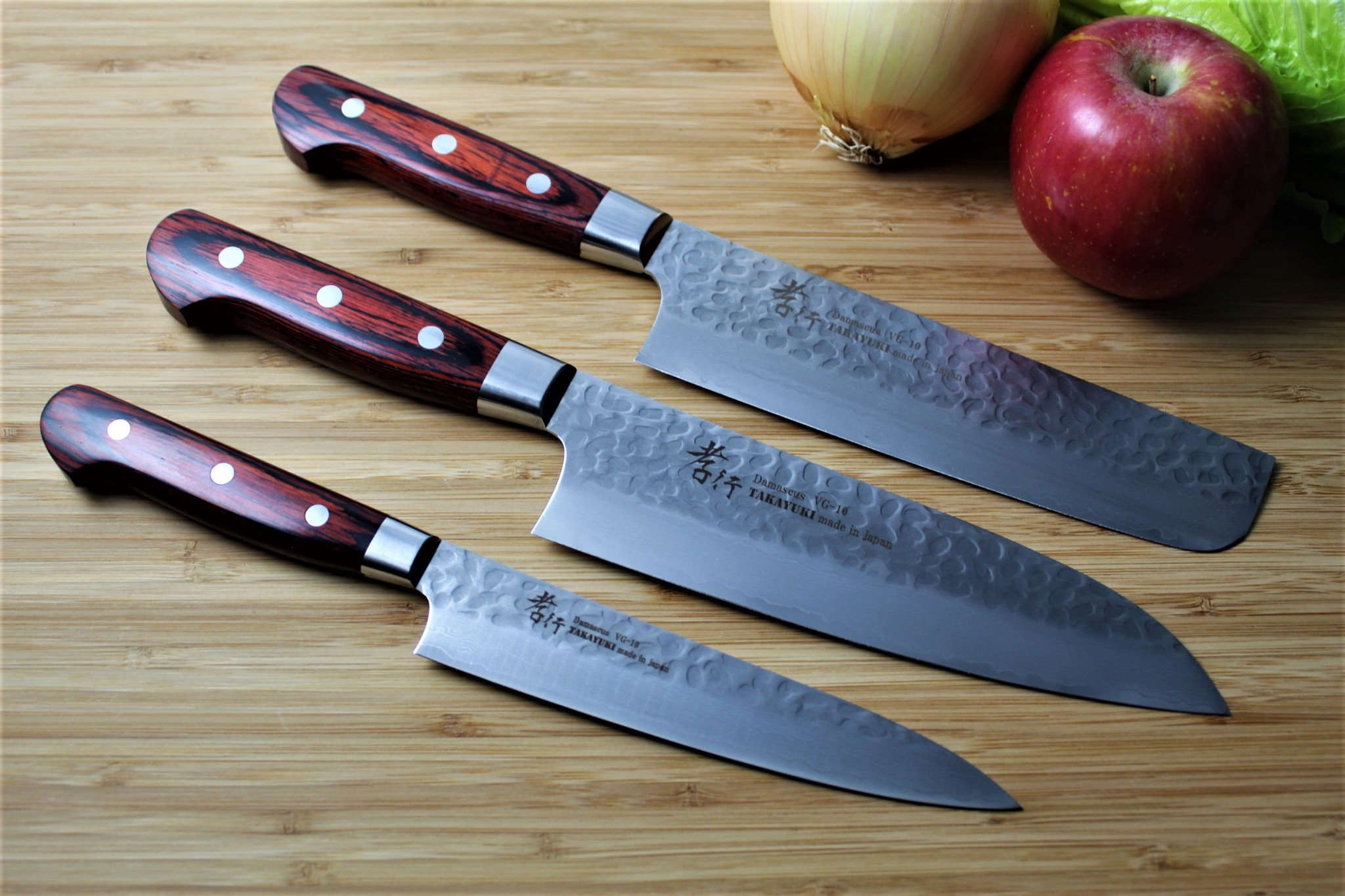
- Gyuto. The Japanese chef’s knife. Great all round. Good for meat, veg, and herbs.
- Santoku. Short and nimble. Flat spot for push cuts. Easy for small boards.
- Bunka. Like santoku with a pointed tip. Nice for detail and veg.
- Nakiri. Tall, flat veg knife. Great for piles of greens and clean push cuts.
- Petty. Small utility. Think of a long paring knife.
- Sujihiki. Long slicer. Good for proteins and long, clean slices.
- Deba. Thick fish butchery knife. Not for bone smashing.
If you ask what are the best japanese chef knives for most cooks, start with a 210 mm gyuto. It covers the most jobs with ease.

Steel and heat treatment basics
Steel choice sets the tone. Heat treatment locks it in. This is the heart of a knife’s feel.
- VG-10 and VG-MAX. Stainless and popular. Easy to live with. Takes a fine edge with a little care.
- SG2 or R2. Powder steel. Very hard and long lasting. It can be thin and still hold strong.
- Aogami, also called Blue #2 or Blue Super. Carbon steel. Great bite. Patina forms. Needs drying fast.
- Shirogami, or White #2. Very pure carbon steel. Sharpens fast. Needs care to avoid rust.
- Ginsan, or Silver 3. Stainless with a carbon feel. Easy maintenance and clean cuts.
- SKD or semi stainless. Feels like carbon but stains less. Common in workhorse grinds.
In my use, SG2 and Aogami Super hold an edge longest. White #2 is a joy to sharpen. VG-10 is a kind friend in busy homes. If you ask what are the best japanese chef knives for low care, choose stainless or semi stainless.
The best Japanese chef knives by budget and use
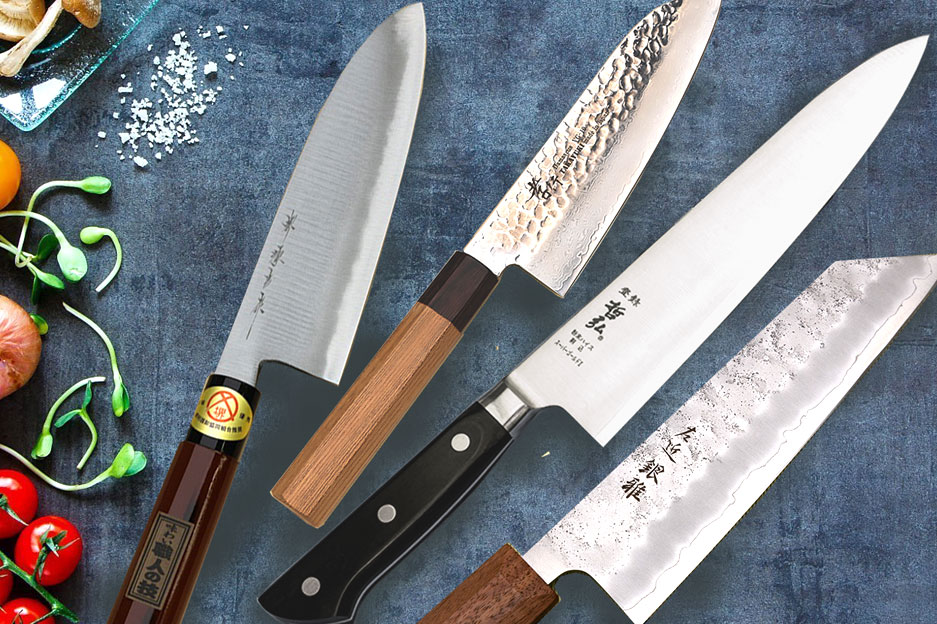
Below are knives I trust in real kitchens. Availability changes by region, so treat these as models or patterns to seek.
Best first gyuto under $100
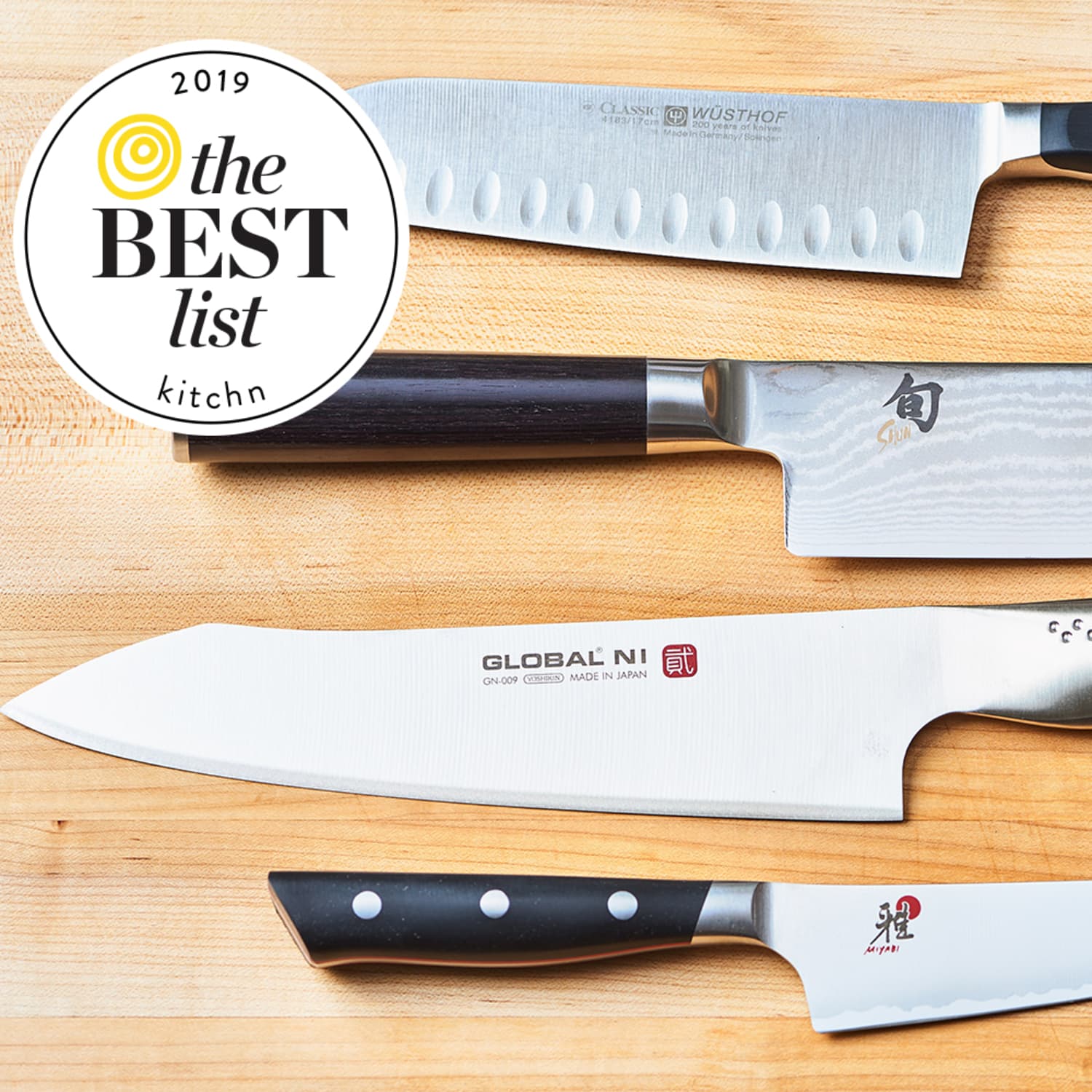
- Tojiro DP 210 mm. VG-10 core. Strong value, easy to sharpen, and tough for daily use.
- Why I like it. It answers what are the best japanese chef knives for a tight budget without big tradeoffs.
Best thin laser for effortless cuts
- Takamura R2 210 mm. Super thin and sharp. Glides through onions and tomatoes.
- Why I like it. Long edge life from SG2. I have used one for years in testing.
Best stainless pick you can find in big stores
- Shun Classic 8 inch (about 203 mm). VG-MAX steel. Western friendly handle and support.
- Why I like it. Easy to buy and service. Great for gifts and first upgrades.
Best carbon steel “pro favorite”
- Masamoto KS 240 mm. White #2. Classic profile with superb tip control.
- Why I like it. It feels alive on the board. Needs care. Wipes clean after use.
Best workhorse for meal prep
- Yoshikane SKD 210 or 240 mm. Semi stainless core. Thick spine, thin edge.
- Why I like it. Great food release and power through dense veg.
Best santoku for small boards
- MAC Professional Santoku 6.5 inch. Thin, stainless, and durable.
- Why I like it. Great bite. Easy for tight kitchens and quick meals.
If you came here asking what are the best japanese chef knives for beginners, start with Tojiro DP or a Shun Classic. If you asked what are the best japanese chef knives for edge life, pick Takamura R2 or a Yoshikane SKD. If your heart asks what are the best japanese chef knives for pure joy, the Masamoto KS is magic when cared for well.
How to choose the right knife for you
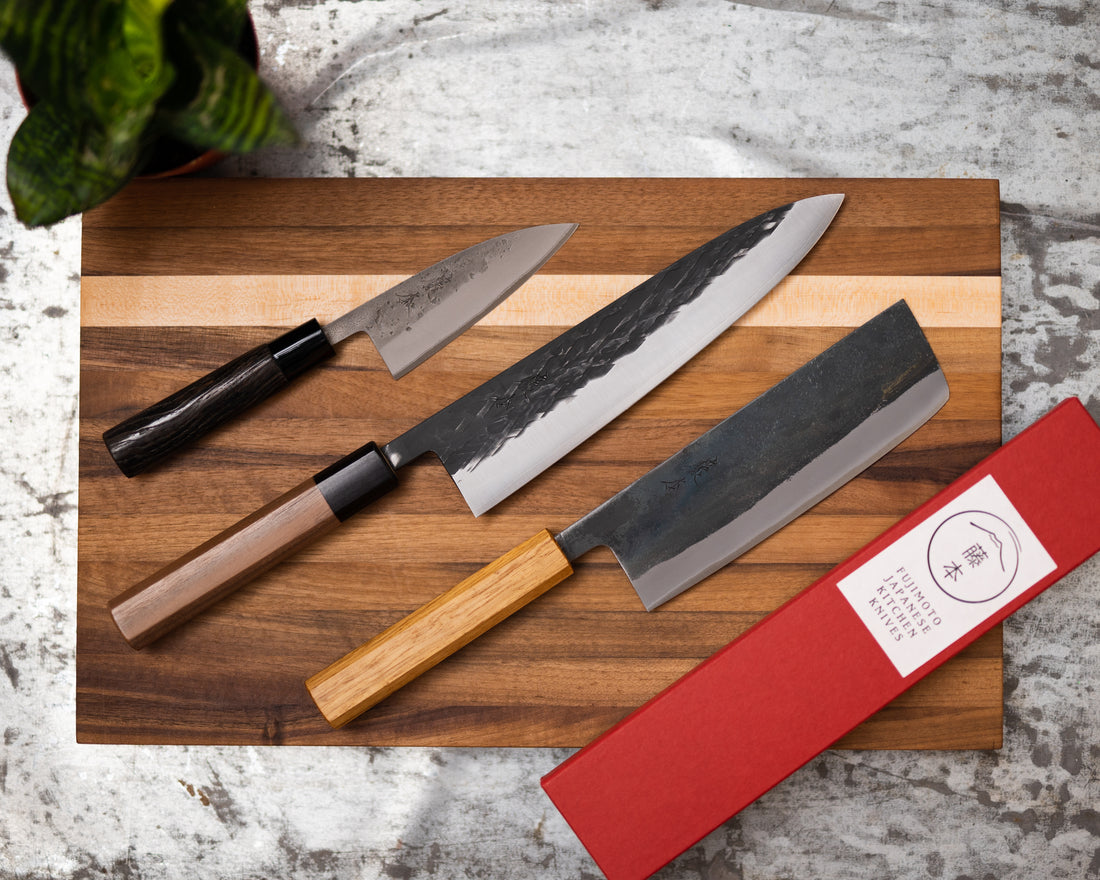
Use your habits as your guide. The best knife is the one you reach for every day.
- Hand size and grip. Try a pinch grip. The handle should not twist or dig in.
- Board space. Small boards like shorter blades. Big boards fit 210 to 240 mm.
- Cutting style. Rockers like more belly. Push cutters like flatter profiles.
- Care level. If you forget to wipe, go stainless. If you love patina, try carbon.
- Budget. Spend on grind and heat treat, not only brand.
If you still wonder what are the best japanese chef knives for you, make a short list by type, steel, and length. Then choose the one that fits your care habits first.
Care, sharpening, and maintenance
A sharp knife is safer and more fun. A few small habits make your edge last.
- Wash by hand. Dry right away. No dishwasher.
- Use a soft board. Wood or quality plastic saves your edge.
- Touch up often. A ceramic rod or fine strop helps between stones.
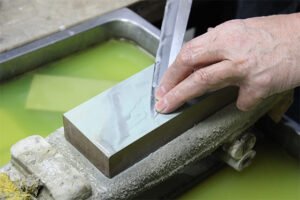
- Sharpen on whetstones. A 1000 grit for edges. A 3000 to 6000 for polish.
- Store safely. Use a sheath, rail, or block to protect the edge.
I sharpen my test knives every few weeks. With SG2 or Blue Super, I can go longer. If you ask what are the best japanese chef knives for low upkeep, pick stainless and use a soft board.
How I tested and what I look for
I run a simple, repeatable set of checks. This keeps me honest and fair.
- Paper and tomato test. Does the edge bite with no drag or tear?
- Onion wedge test. Does the tip track straight without cracking cells?
- Carrot split test. Does the blade wedge or pass through cleanly?
- Food release. Do slices fall off or stick hard up the face?
- Ergonomics. Is the spine and choil eased for comfort?
I also log edge life with the same stones and stropping routine. I test on soft and hard boards. When people ask what are the best japanese chef knives, I use these checks to give answers that hold up.
Frequently Asked Questions of what are the best japanese chef knives
Are Japanese knives better than Western knives?
They are different tools. Japanese knives are often harder and thinner, so they cut with less force. Western knives are often tougher and can take rougher use.
What size gyuto should I buy first?
A 210 mm gyuto fits most home kitchens. If you have a large board and prep big batches, a 240 mm feels great.
Do I need a carbon steel knife to get a sharp edge?
No. Many stainless steels take a very keen edge. Carbon steels are easier to sharpen but need fast drying.
How often should I sharpen my knife?
Touch up when slicing tomatoes starts to feel grabby. For home cooks, a full sharpening every 4 to 8 weeks is common.
What cutting board is best for my knife?
Use wood or a soft plastic board. Avoid glass, stone, or bamboo boards that can dull or chip an edge fast.
Which knife is best for beginners?
A 210 mm gyuto in stainless or semi stainless is best. Tojiro DP and Shun Classic are friendly and easy to keep.
Will a thin “laser” chip easily?
It can if you twist in hard foods or hit bone. Use good board skills and the right knife for the job.
Conclusion
You came here to learn what makes a knife worth buying, not just a brand to drop. Now you know how steel, grind, and shape meet your daily prep. You also have clear picks for value, edge life, and joy.
Choose one knife that fits your habits today. Practice safe, simple care. Then cook more and let the blade earn its place. Want more deep dives and test updates? Subscribe, share this guide, or drop your questions in the comments.
Maliha Akter is a kitchen knife reviewer and food preparation specialist with over 6 years of experience testing Japanese kitchen knives and everyday cooking tools. She focuses on performance, safety, durability, and real-world usability to help home cooks choose the right knives for efficient and enjoyable cooking.
Expertise:Japanese Knives • Vegetable Knives • Product Reviews • Kitchen Efficiency • Knife Care