A bunka knife is used for precise slicing, dicing, and delicate vegetable and fish preparation.
I’ve worked with Japanese knives for years and tested many designs in home and professional kitchens. In this guide I explain clearly what is a bunka knife used for, why its shape matters, how to use it safely, and when it outperforms other knives. Read on for practical tips, real-world examples, and buying and care advice you can trust.

What is a Bunka Knife Used For? — Main Uses
The short answer: a bunka shines at precise prep work. It is a multipurpose Japanese knife that bridges the gap between a santoku and a petty. Many cooks ask what is a bunka knife used for when they need a single versatile blade for everyday tasks. Use it for:
- Slicing vegetables cleanly, from thin rounds to broad sheets.
- Dicing and julienning vegetables with consistent results.
- Filleting small fish and trimming boneless meat.
- Mincing herbs and aromatics quickly and cleanly.
- Decorative cuts and katsuramuki (thin vegetable peeling) when you want control.
Its clipped tip and flat-ish belly make it great for straight push cuts and delicate tip work. The bunka often replaces multiple knives for home cooks who want one go-to blade.
Design and Anatomy: Why the Shape Matters
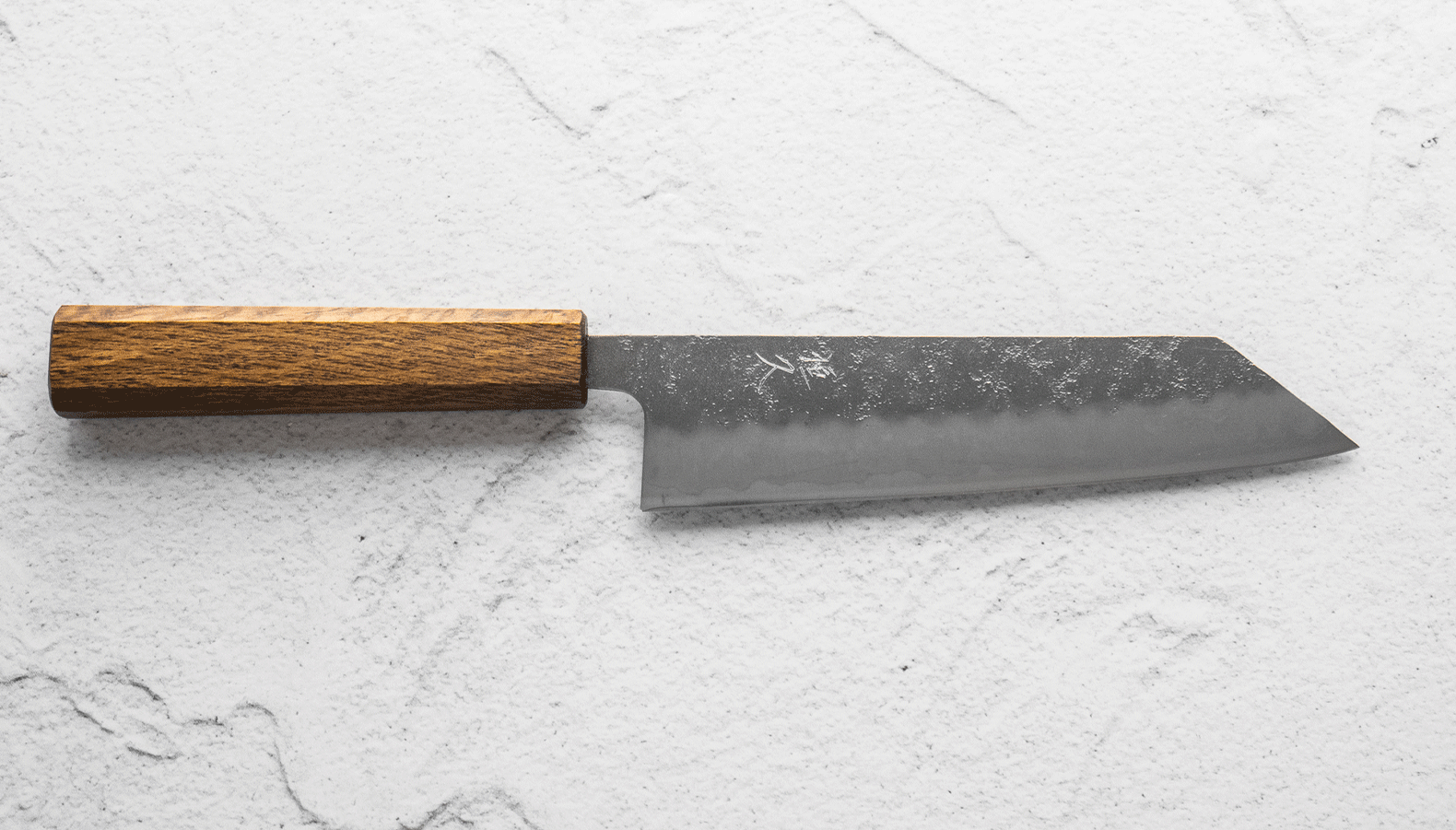
A bunka combines a tall blade, a slight belly, and a k-tip (angled clipped tip). This mix gives you reach, knuckle clearance, and a pointed tip for detail work. Knowing what is a bunka knife used for starts with understanding these features. Key elements:
- Blade height provides a stable platform for scooping and protects knuckles.
- Slightly curved belly allows both push cuts and small rocking motions.
- Clipped or k-tip focuses control for pierce work and decorative cuts.
- Typical length ranges from 165 mm to 180 mm, keeping the knife nimble.
The blade geometry lets you switch between broad chopping and fine slicing without changing tools. That versatility is the bunka’s main selling point.

How to Use a Bunka Knife: Techniques and Tips
Using the bunka well is about technique more than force. If you want to know what is a bunka knife used for in daily prep, practice these moves:
- Grip: Hold the handle with a pinch grip at the bolster or blade. Keep your index finger and thumb steady.
- Push cut: Use straight downward-and-forward strokes for clean slices on veggies and fruit.
- Tip work: Use the clipped tip for trimming, coring, and detailed cuts.
- Thin peeling and katsuramuki: Rock the vegetable along the board while guiding the blade with your other hand.
- Maintain a safe posture: Keep fingers curled on the guiding hand and use short strokes for precision.
Start slow. The bunka’s point gives control, but practice makes the cuts consistent and faster.

Caring, Sharpening, and Maintenance
A well-cared-for bunka lasts and performs. If you search what is a bunka knife used for over time, maintenance matters for consistent performance. Basic care steps:
- Hand wash and dry immediately to protect the edge and handle. Avoid the dishwasher.
- Hone regularly with a ceramic rod or fine steel to realign the edge between sharpenings.
- Sharpen on a whetstone when necessary; aim for the factory angle, usually around 15 degrees per side for double-bevel blades.
- Store in a magnetic strip or knife block to protect the edge and avoid nicks.
- Oil carbon steel blades lightly to prevent rust; stainless needs less attention but still benefits from drying.
Sharpness is safety. A sharp bunka cuts more predictably and reduces slips.
Choosing the Right Bunka Knife
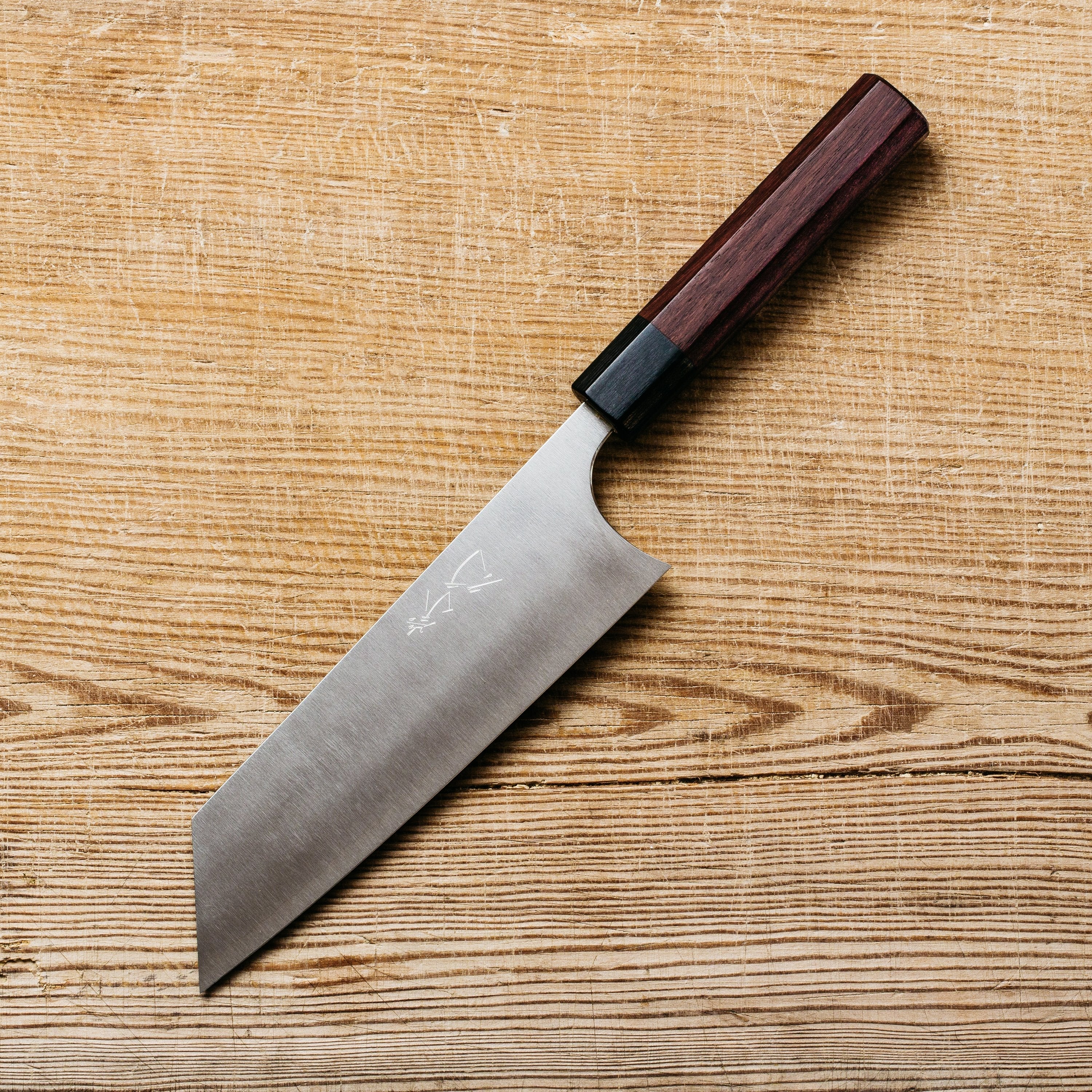
Picking the right bunka requires matching build and feel to how you cook. When people ask what is a bunka knife used for in different kitchens, the best choice varies. Consider:
- Steel type: Carbon steel takes a keen edge faster but needs more care. Stainless alloys resist stains and are easier for low-maintenance users.
- Blade length: 165 mm for precision, 180 mm for more reach and prep volume.
- Handle shape: Western handles give weight and comfort; Japanese wa-handles offer balance and a lighter feel.
- Weight and balance: Choose a knife that feels steady but not heavy in your hand.
- Budget: Higher-end steels and hand-forged blades cost more but hold an edge longer.
Try a few if possible. Comfort matters as much as specs.
Limitations and Common Mistakes
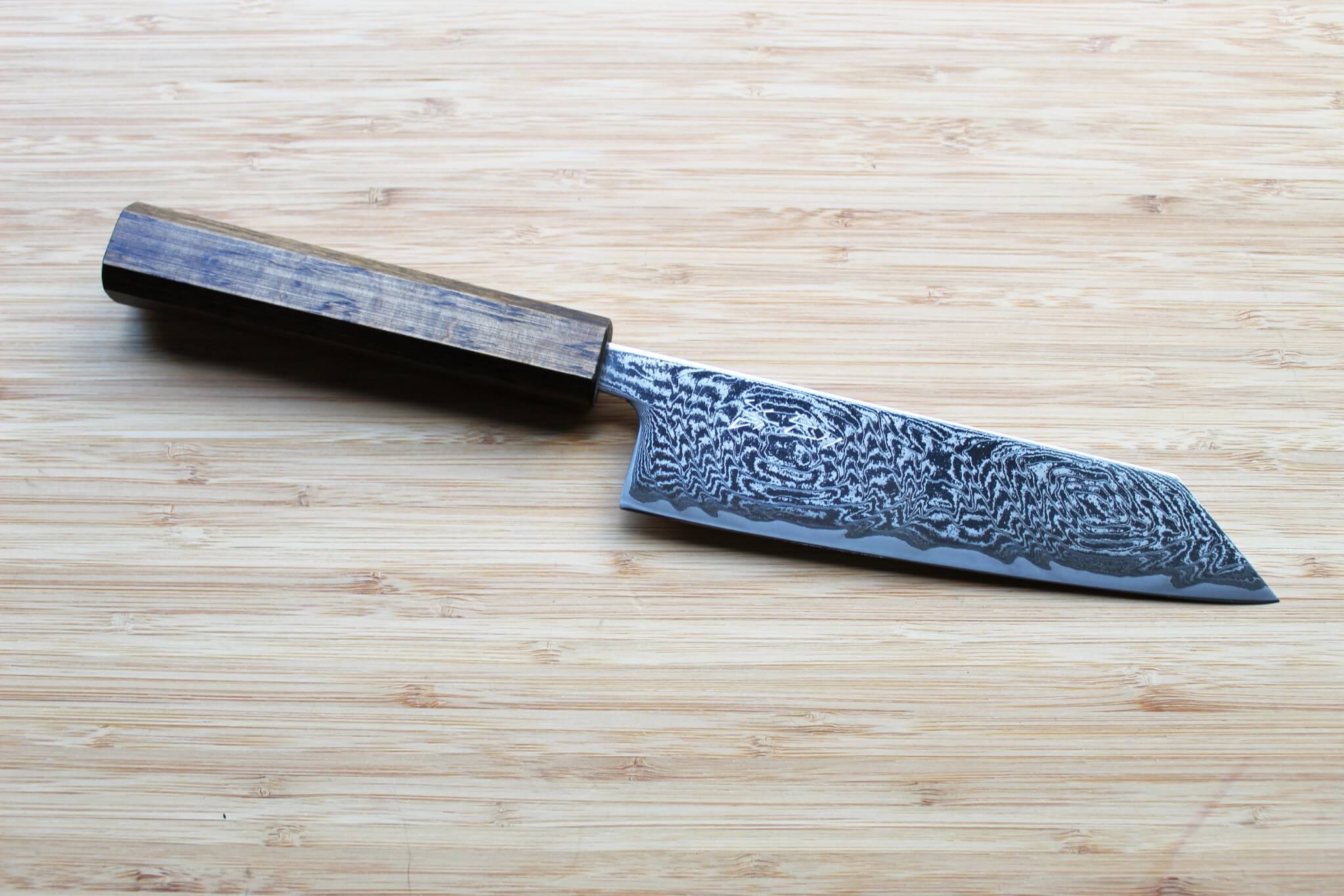
Knowing limits prevents damage and frustration. Many cooks confuse what is a bunka knife used for with what heavier knives should do. Avoid these errors:
- Do not use the bunka to cut through bones or frozen food; it’s not a cleaver.
- Avoid prying or twisting motions that can chip the tip.
- Do not store it loose with other knives; the edge will dull and chip.
- Overlooking sharpening leads to frustration; a dull bunka performs poorly and is unsafe.
Respecting the bunka’s strengths keeps it reliable.

Recipes, Examples, and My Personal Experience
Practical examples show what is a bunka knife used for best. From my kitchen:
- Vegetable prep: I use a bunka to prep salads, cut thin cucumber ribbons, and make paper-thin daikon for garnishes. The clipped tip makes starting delicate cuts easy.
- Fish and proteins: For small fillets and skin-on fish, the bunka gives control for trimming without switching to a fillet knife.
- Weeknight cooking: Its versatility lets me use one knife for most prep when I cook for two or four.
Lesson learned: don’t force heavy cuts. If a bone or tough squash resists, switch to a heavier blade. That saved me from chipping a prized edge.

Frequently Asked Questions of what is a bunka knife used for
What is a bunka knife used for in a home kitchen?
A bunka knife is a multiuse Japanese knife ideal for vegetables, small fish, and trimming boneless meat. It replaces several blades for daily prep tasks.
Can a bunka replace a chef’s knife?
Yes for many light to medium tasks, but it cannot replace a heavy chef’s knife for large bones or heavy-duty chopping. Use it for precision and everyday prep.
Is the bunka good for peeling and katsuramuki?
Yes. The clipped tip and tall blade give control for thin peeling and katsuramuki when you practice the technique. A steady hand yields the best results.
How often should I sharpen a bunka?
Hone the edge every few uses and sharpen on a whetstone when the knife no longer takes a clean slice. Frequency depends on steel type and use volume.
Can I use a bunka for meat and fish?
Yes for boneless meat and small fillets. Avoid heavy bones; use the tip and the blade’s edge for trimming and portioning.
Is a bunka suitable for left-handed cooks?
Many bunka knives are double-beveled and suitable for left-handed use, but check the bevel and handle comfort before buying. Some makers offer left-specific grinds.
Conclusion
A bunka knife is a highly versatile kitchen tool that excels at precise slicing, vegetable work, and delicate fish and meat prep. Understanding what is a bunka knife used for and matching it to the right tasks keeps the blade useful and safe. Try one if you want a single, nimble blade for most prep work, and maintain it with regular honing and proper storage. If this guide helped, try the bunka on a simple salad or fillet and share your experience below or subscribe for more knife guides.

Maliha Akter is a kitchen knife reviewer and food preparation specialist with over 6 years of experience testing Japanese kitchen knives and everyday cooking tools. She focuses on performance, safety, durability, and real-world usability to help home cooks choose the right knives for efficient and enjoyable cooking.
Expertise:Japanese Knives • Vegetable Knives • Product Reviews • Kitchen Efficiency • Knife Care