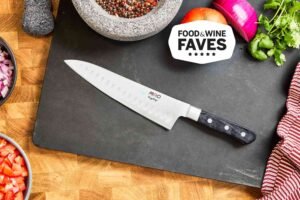
A nakiri knife is a Japanese double-bevel vegetable knife with a straight edge.
If you have ever wondered what is a nakiri knife and why chefs love it, you are in the right place. I have used nakiri knives for years in both home and pro kitchens. In this guide, I will break down what is a nakiri knife, how it works, and how to pick the right one. You will learn why it can change the way you prep vegetables and make cooking feel fun again.

What is a nakiri knife?
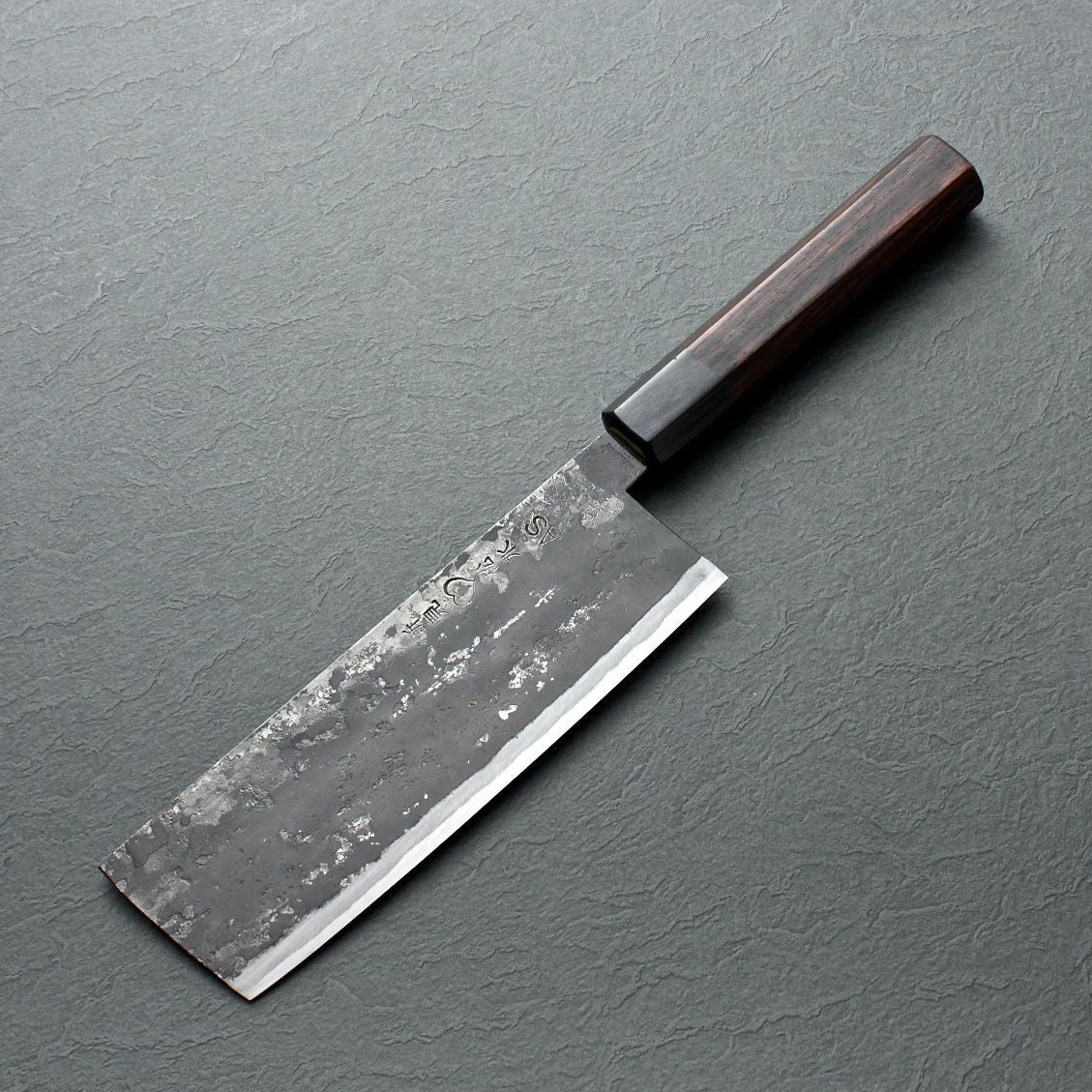
A nakiri knife is a Japanese vegetable knife with a tall, thin, rectangular blade. It has a straight cutting edge and a flat profile. That means it makes full contact with the board, so you get clean cuts and no accordion slices. If you ask what is a nakiri knife used for, the answer is simple: fast, precise vegetable work.
This style grew in home kitchens across Japan. It bridges fine work and speed. Unlike a chef’s knife, it is not for bones or hard joints. It shines with carrots, onions, herbs, and greens. When readers ask what is a nakiri knife best at, I point to even slices, tiny dice, and paper-thin cuts.
Source: chuboknives.com
Anatomy and design: what makes a nakiri special
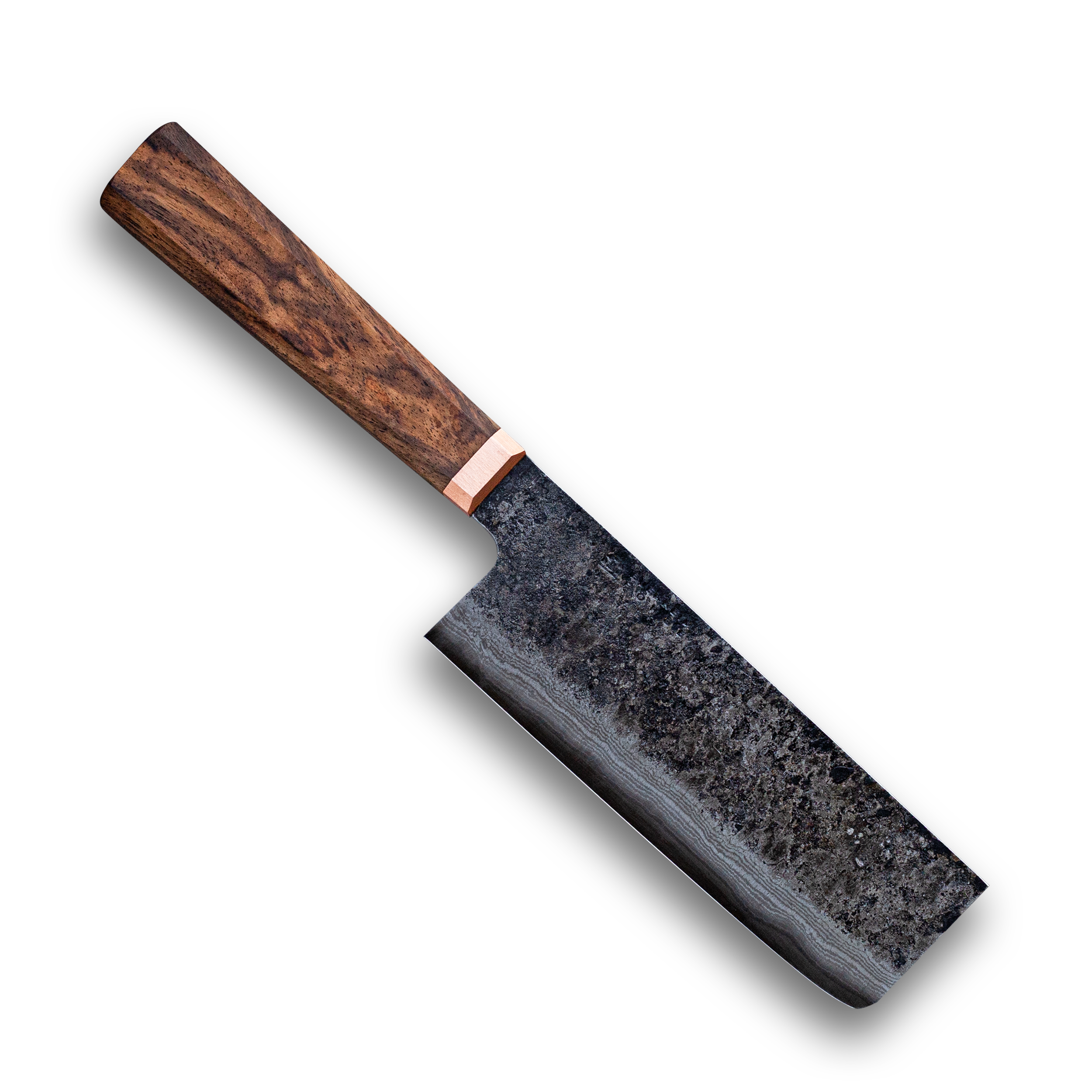
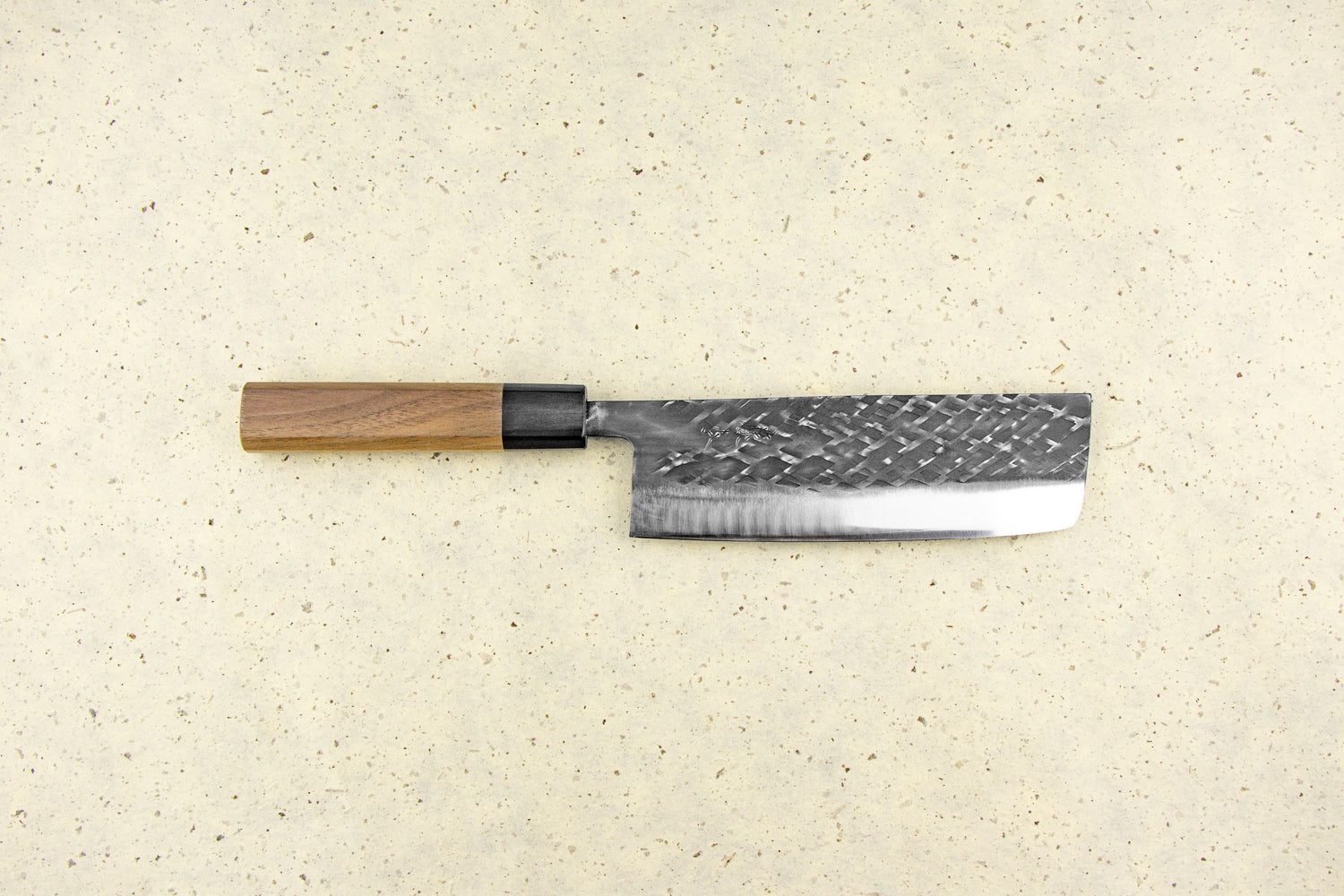
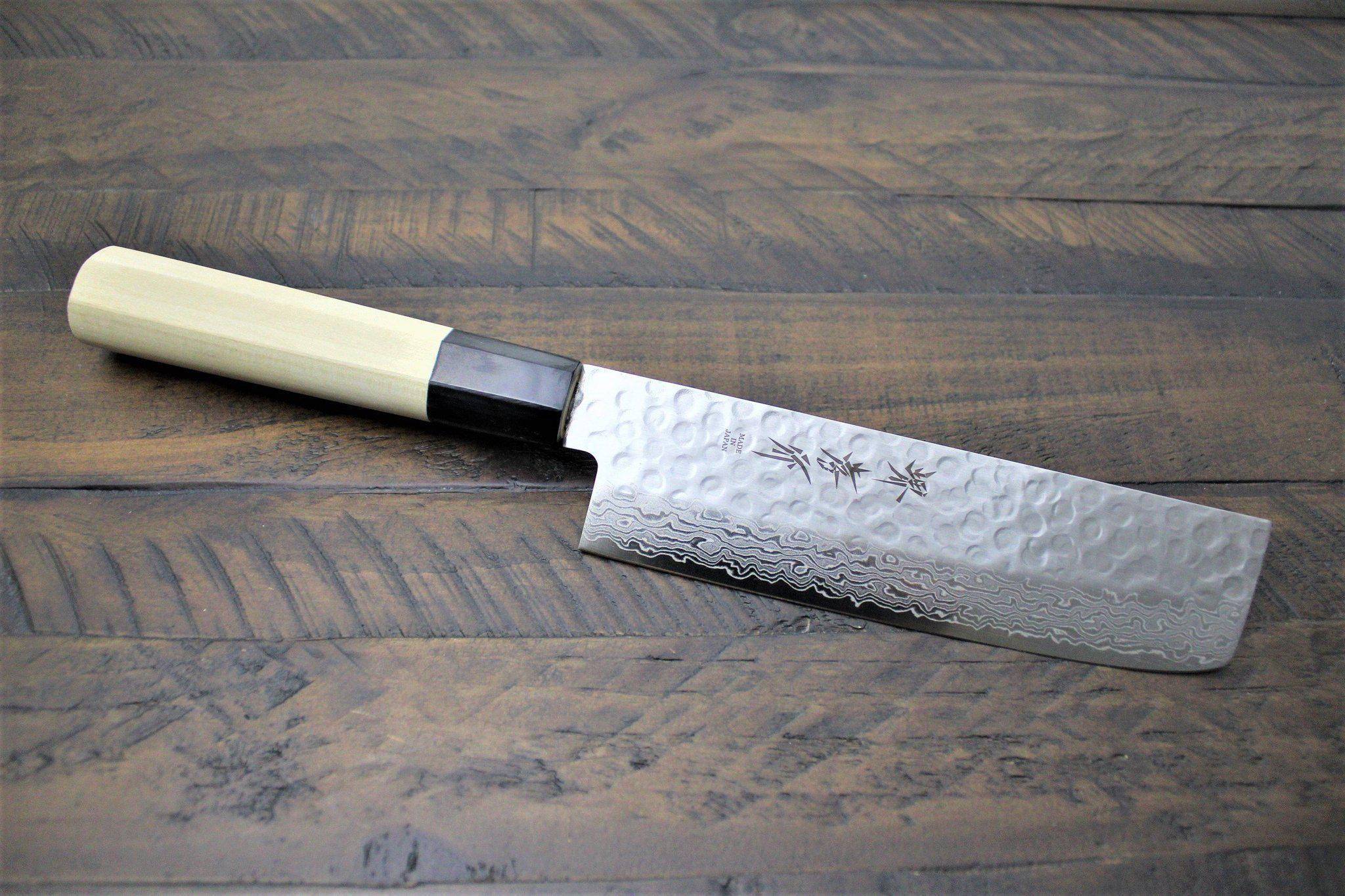
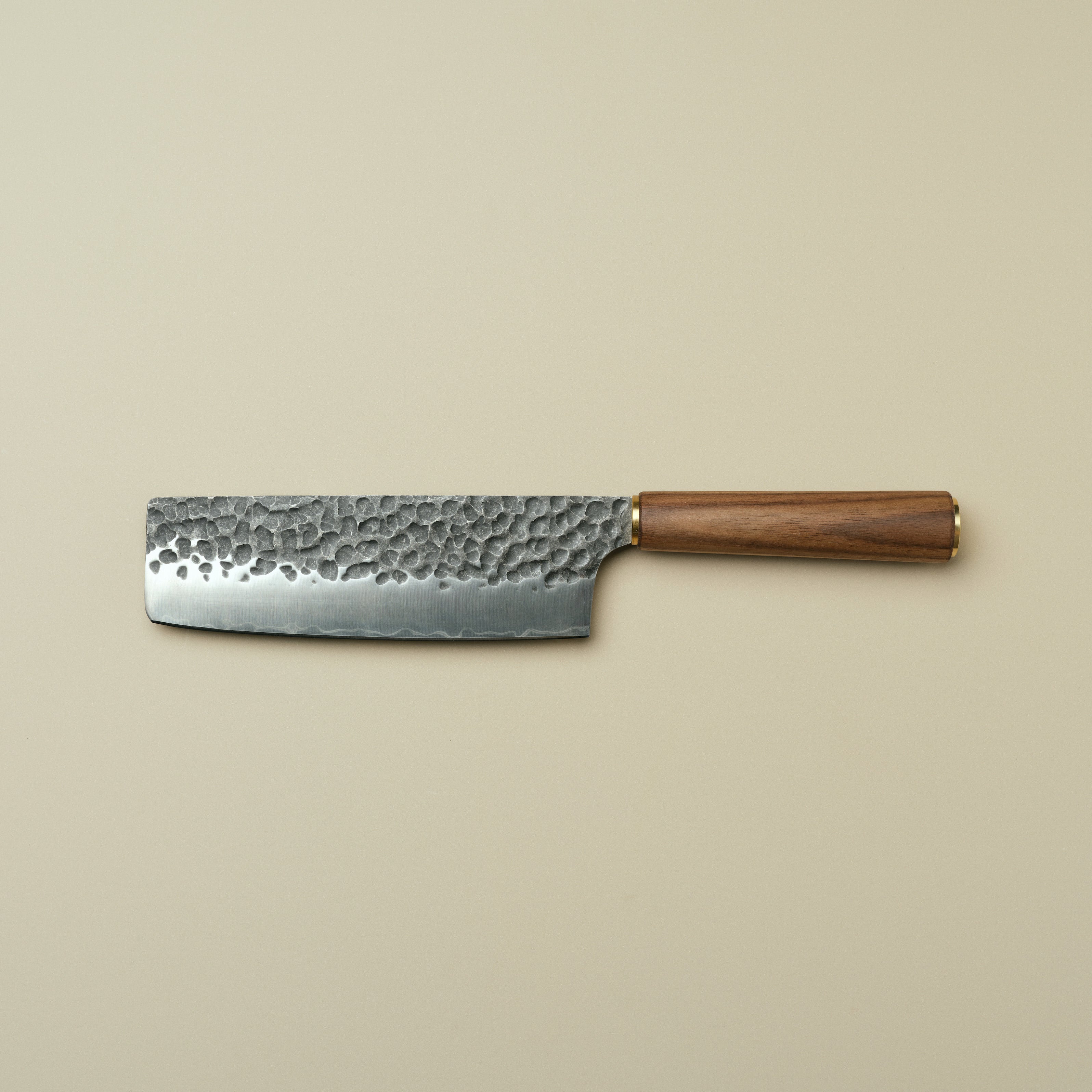
A nakiri knife looks like a small cleaver, but it is much thinner and lighter. The flat edge and squared tip help you chop straight down with control.
Key parts you should know:
- Blade height offers knuckle clearance for safe, quick chopping.
- Thin spine reduces wedging in dense produce.
- Straight edge gives full contact and clean cuts.
- Squared tip helps with push cuts and precise trimming.
Steel choices matter. Many nakiri knives use carbon steel like White or Blue paper steel for a keen edge. Others use stainless steel like VG-10, AUS-10, or German alloys for easier care. When you ask what is a nakiri knife made from, think thin, hard steel designed to take a sharp edge.
Source: co.uk
Nakiri vs other knives: how it compares
If you search what is a nakiri knife compared to a chef’s knife, here is the short answer. The nakiri has a straight edge for vegetables. A chef’s knife has a curve for rocking and more general tasks.
How it stacks up:
- Santoku: Great all-around. Slight belly for light rocking. Nakiri is flatter and better for straight chops.
- Gyuto: Japanese chef’s knife. Longer and more versatile. Nakiri is shorter and more focused on produce.
- Usuba: Single-bevel pro knife for extreme precision. Nakiri is double-bevel, easier to use and sharpen.
- Chinese cleaver: Taller and heavier. Nakiri is thinner and feels nimble.
When people ask what is a nakiri knife best compared to, I say it is the vegetable specialist. It is the right tool when you want speed and uniform cuts.

Source: youtube.com
Best uses and cutting techniques
A nakiri knife loves push cuts and tap-chops. It is not built for rocking. Think straight up and down, smooth and quick.
Try these moves:
- Push cut: Slide forward as you go down for silky slices.
- Tap-chop: Lift and drop with light taps for fast dicing.
- Draw cut: Pull back to start the cut on soft items like tomatoes.
- Guillotine-and-glide: A gentle drop followed by a glide to finish thin slices.
What is a nakiri knife good for at home? Prepping soup vegetables, salad fixings, and stir-fry mixes. I use mine to shred cabbage for slaw, slice scallions, and cut perfect batons of carrot. It also excels at cutting herbs with minimal bruising.
Source: knifewear.com
Choosing the right nakiri knife
When picking one, match your needs and habits. Ask yourself what is a nakiri knife feature that matters most to you: edge life, rust resistance, or feel in hand.
Consider:
- Steel: Carbon steels get razor sharp but can rust. Stainless steels are easier to maintain.
- Length: Common sizes are about 165 mm to 180 mm. Shorter feels nimble, longer adds speed.
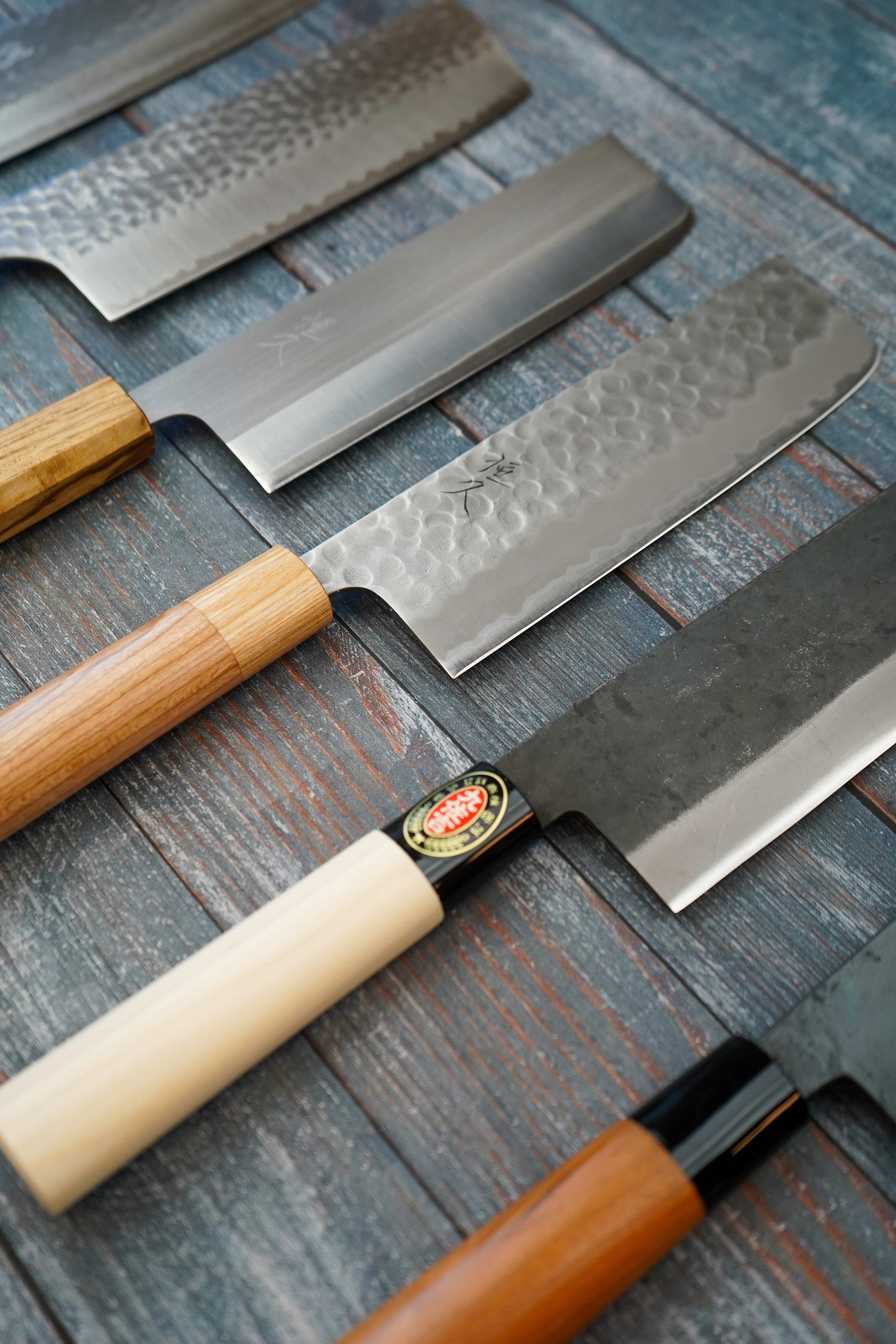
- Handle: Western handles feel familiar. Wa handles are lighter and shift balance forward.
- Grind and thickness: Thinner grinds glide through dense produce. Look for even grinds for straight cuts.
- Weight and balance: A slight forward balance helps with controlled chopping.
- Budget: Entry-level stainless is fine for beginners. Premium carbon steels reward skilled sharpening.
From my bench, the right choice is the one you will care for. If you wonder what is a nakiri knife you can grow with, pick a stainless core and practice sharpening.

Source: cutleryandmore.com
Care, maintenance, and sharpening
A nakiri knife needs simple care. Hand wash, dry right away, and store safely. Do not twist in hard foods. Use a wood or soft plastic board.
Sharpening tips:
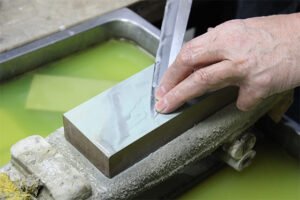
- Use a whetstone with a medium grit, then a fine grit.
- Keep a steady angle around 12 to 16 degrees per side.
- Finish with light passes to remove the burr.
- Hone with a ceramic rod for touch-ups.
What is a nakiri knife edge life like? It holds well if you avoid glass boards, dishwashers, and bone contact. A few minutes on a stone each month keeps it slicing like new.
Source: hasuseizo.com
Who benefits most from a nakiri?
Home cooks who prep a lot of produce will feel the payoff fast. Pros love the speed for service. If you cook plant-forward meals, a nakiri can be your daily driver.
If you ask what is a nakiri knife ideal kitchen role, here is my take. It handles 80 percent of vegetable prep. Pair it with a paring knife and a bread knife, and you are set.
Personal note: I used to fight with curved blades for thin slices of eggplant. My first real switch to a nakiri fixed that in one night. That lesson still holds.
Source: katto.shop
Common mistakes and how to avoid them
What is a nakiri knife mistake I see often? People rock it like a chef’s knife. It is not built for that.
Avoid these traps:
- Rocking the blade. Use push cuts and tap-chops instead.
- Twisting mid-cut. Keep cuts straight to avoid chipping.
- Cutting on hard boards. Use wood or soft plastic.
- Letting it sit wet. Dry at once to prevent rust and spots.
- Ignoring sharpening. A dull nakiri is harder to control.
Source: sharpedgeshop.com
Price ranges and value
What is a nakiri knife cost range? You will find good choices at many price points.
Typical tiers:
- Budget: Basic stainless, machine-made. Good for first timers.
- Mid-range: Better steel, improved grind, nicer handles. Great balance of quality and price.
- Premium: Harder steel, hand-finished grinds, standout fit and finish. Best for knife fans who sharpen often.
Spend where it counts. I would rather have a mid-range nakiri with a good grind than a fancy handle. The grind controls how it moves through food.
Real-world tips from the line
I have broken down boxes of kale, onions, and squash with a nakiri on busy nights. Here is what I learned.
Practical tips:
- For onions, make top-to-bottom cuts with a gentle push. The flat edge stops accordion slices.
- For herbs, bunch tight and use light tap-chops. Less bruising, brighter flavors.
- For sweet potatoes, start the cut with a draw. Then push through to finish clean.
- For tomatoes, let the heel start the cut with a soft pull. Then glide forward.
What is a nakiri knife outcome you can expect? Cleaner cuts, less crush, and produce that looks and tastes better.
Frequently Asked Questions of What is a nakiri knife
What is a nakiri knife in simple terms?
It is a Japanese vegetable knife with a straight, flat edge. It makes clean, fast cuts through produce without rocking.
Is a nakiri knife good for beginners?
Yes. It is easy to control and very forgiving. Its flat edge helps new cooks get even slices fast.
Can a nakiri replace a chef’s knife?
Not fully. It is great for vegetables but not for bones or hard joints. Keep a chef’s knife for meat and general tasks.
How do I sharpen a nakiri knife?
Use a whetstone and keep a steady low angle. Work both sides, then remove the burr with light strokes.
What is a nakiri knife best used for at home?
Daily vegetable prep, like onions, garlic, carrots, and greens. It also shines for thin slices of cabbage and herbs.
Is carbon steel better than stainless for a nakiri?
Carbon gets sharper and feels great on the board. Stainless is easier to care for and resists rust, which suits many home cooks.
Conclusion
A nakiri knife is the vegetable specialist that brings speed, control, and clean cuts. It turns prep into a smooth flow, whether you are slicing onions or shredding cabbage. If you have wondered what is a nakiri knife and whether you need one, consider your daily cooking. If produce is a big part of your meals, this tool will earn its spot.
Ready to try one? Start with a trusted mid-range model, learn a simple push cut, and keep it sharp. Share your questions or your first impressions in the comments, and subscribe for more hands-on kitchen gear guides.
Olivia Bennett is a knife care and sharpening specialist with 6+ years of hands-on experience in blade maintenance, whetstone sharpening, and rust prevention. She creates simple, safe guides to help users maintain razor-sharp kitchen knives at home.
Expertise: Knife Sharpening, Maintenance, Blade Care