A petty knife is a small, nimble kitchen knife for fine, everyday prep.
If you’ve wondered what is a petty knife and why cooks love it, you’re in the right place. I use one every day in my kitchen work. It blends speed, control, and comfort in a compact tool. By the end, you’ll know what is a petty knife, how it differs from other knives, and how to pick and care for one with confidence.
What Is a Petty Knife, Really?
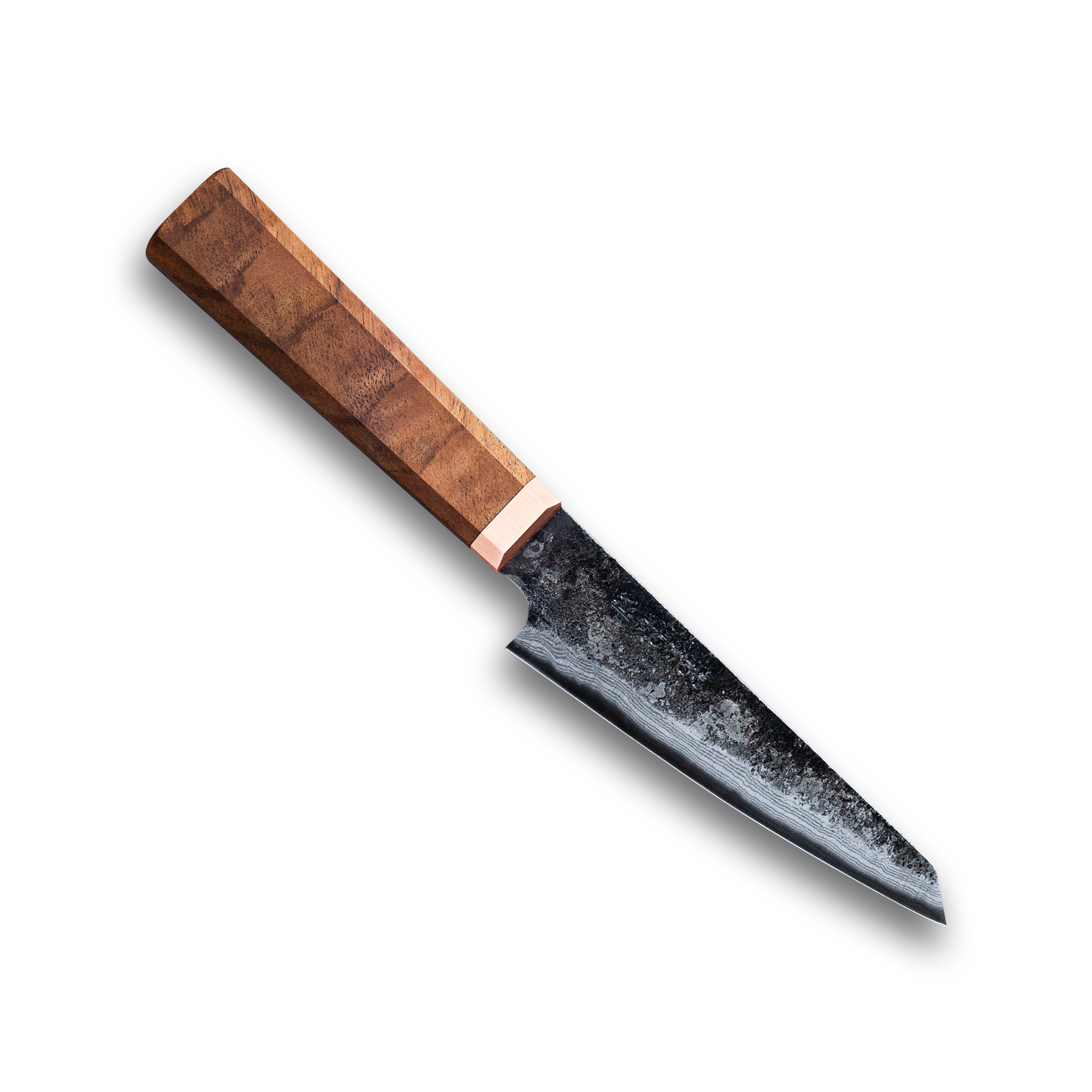
So, what is a petty knife? It is a short, thin, and light knife made for detail work. It sits between a paring knife and a chef’s knife. Think of it as a small utility blade with more finesse.
When people ask what is a petty knife, I say it’s the one knife that handles all the “in‑between” tasks. It trims fat, slices fruit, and preps herbs with ease. It also feels safe when a big blade feels like overkill.
In pro kitchens, a petty knife lives on the board. It is the go-to for quick cuts. At home, it can cover 60% of daily tasks if you want one knife out and ready.
Key traits:
- Size: Usually 120 to 150 mm blade length. Easy to control.
- Profile: Slight curve with a pointed tip. Good for detail.
- Feel: Thin blade, nimble tip, and light weight. Fast and precise.
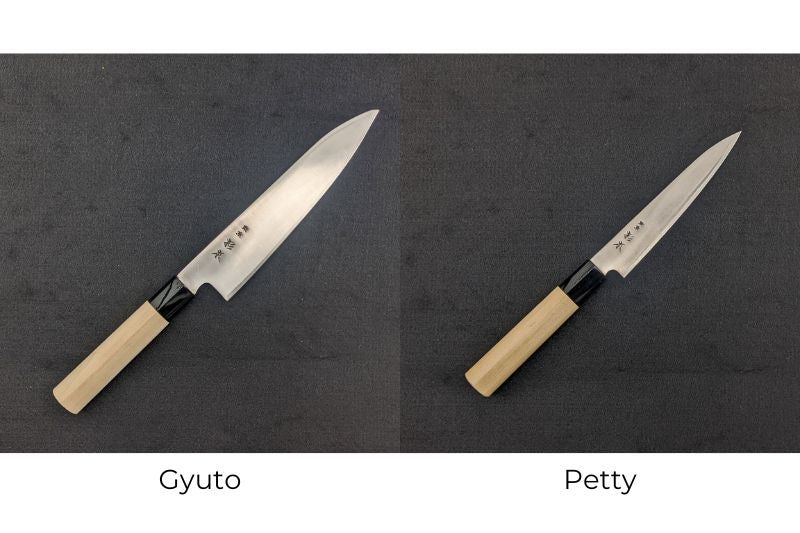
Petty Knife vs Paring vs Utility: What’s the Difference?
It helps to see where the petty sits among common knives. Many cooks mix them up. Here is the simple way to tell.
- Paring knife: Blade is 75 to 100 mm. Great in hand for peeling and coring. Not as good on a board.
- Petty knife: Blade is 120 to 150 mm. Works in hand and on the board. More reach and control.
- Western utility knife: Often thicker and heavier. The petty is thinner and sharper at the tip.
If you ask what is a petty knife compared with a paring knife, the petty has more range. It can slice a cucumber, trim herbs, and segment citrus. A paring knife feels cramped for that on a board.
Real use cases:
- Choose a paring knife for peeling apples in hand.
- Choose a petty knife for trimming chicken and slicing shallots.
- Choose a chef’s knife for big jobs like chopping squash.
Sizes, Shapes, and Profiles
Petty knives come in a few common sizes. Your choice should fit your hand and tasks.
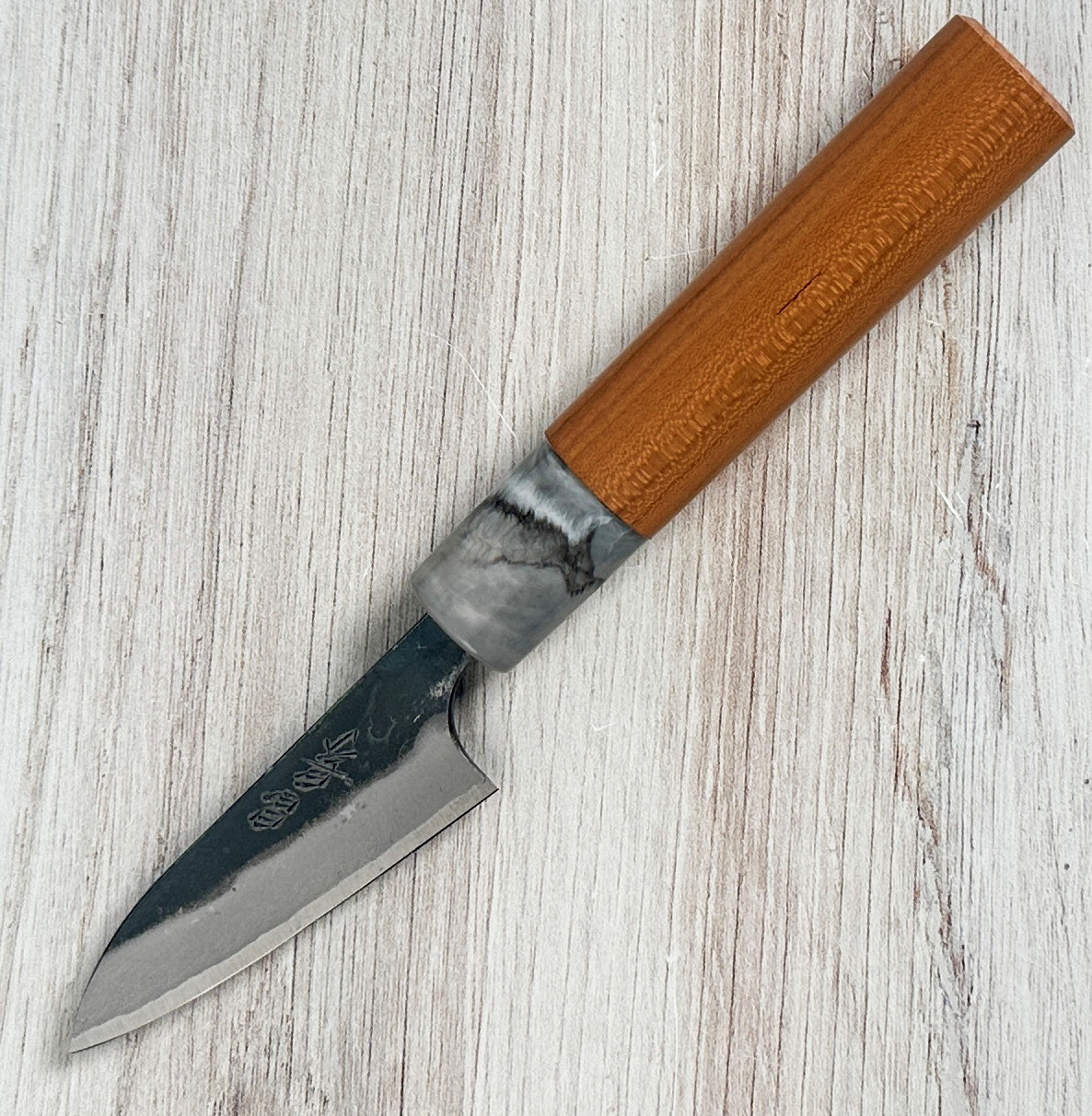
- 120 mm: Great for fruit, garlic, and trimming fat. Feels like a sporty paring upgrade.
- 135 mm: A popular sweet spot. Enough edge for light board work.
- 150 mm: Best for small onions, citrus, and herbs. More glide and reach.
Blade shapes:
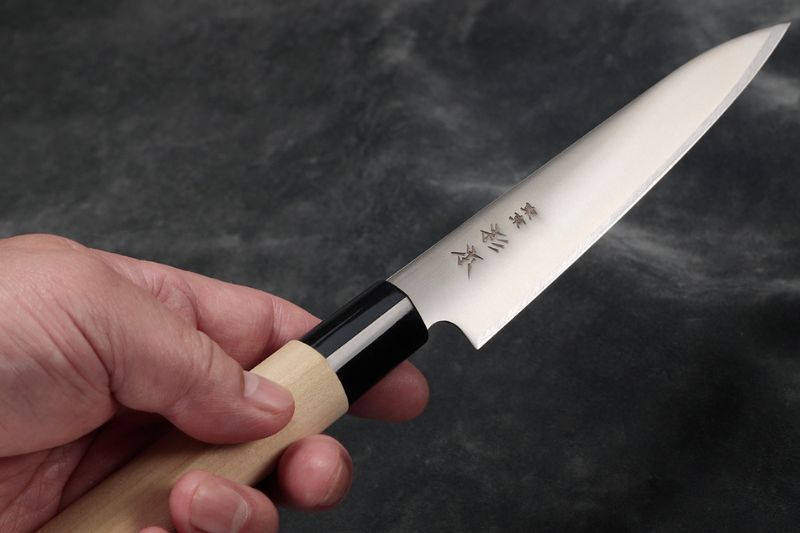
- Classic petty: Gentle belly and fine tip. All-around control.
- Swedish/Western utility style: Slightly taller with a bit more curve.
- Wa-petty (Japanese handle): Lighter handle, forward balance, very nimble.
Tip shapes:
- Needle tip: Sharp point for scoring and detail cuts.
- Soft tip: More durable and forgiving for new users.
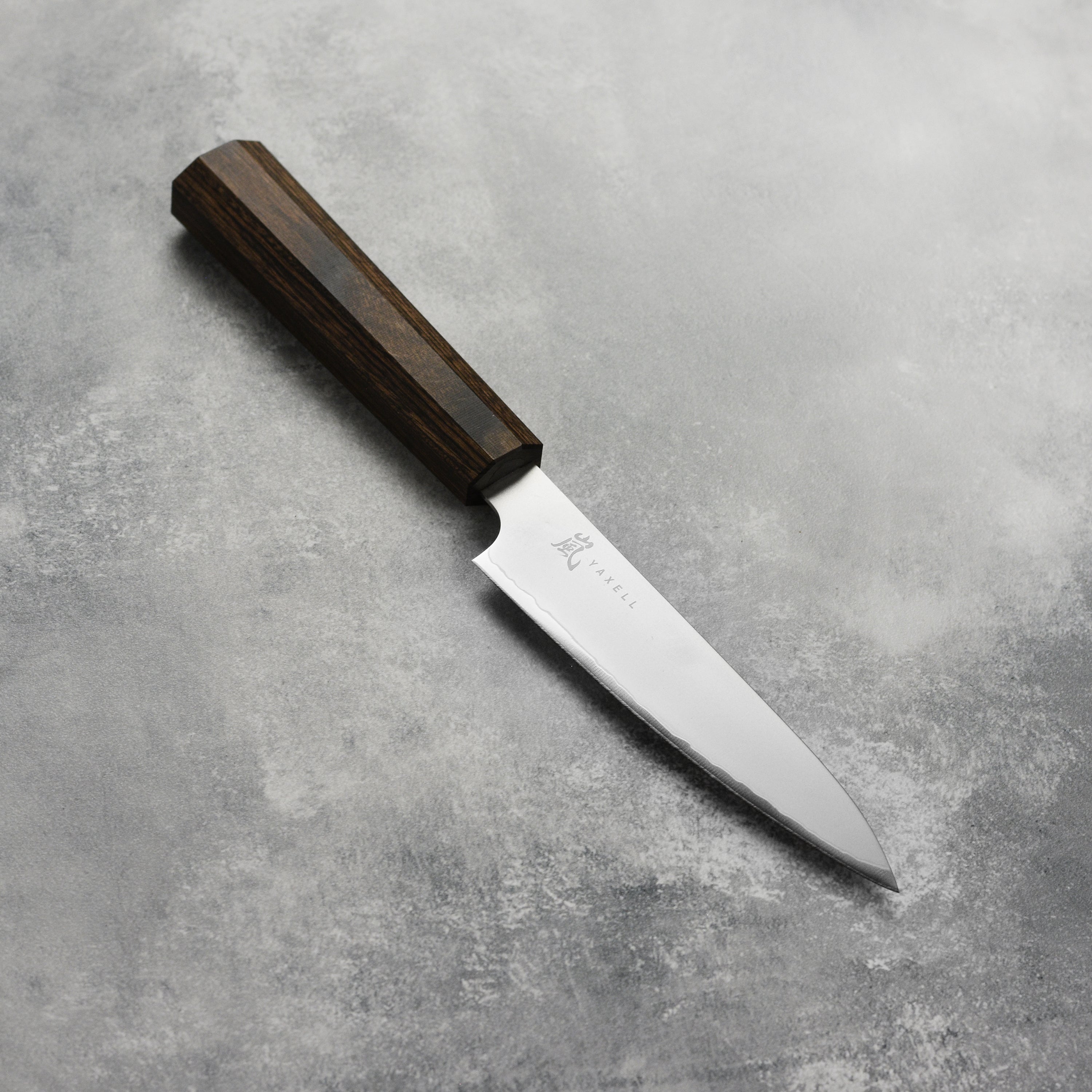
Steel, Grind, and Handles
The build of a petty knife affects ease of use, edge life, and care. Here is what matters most.
Steel choices:
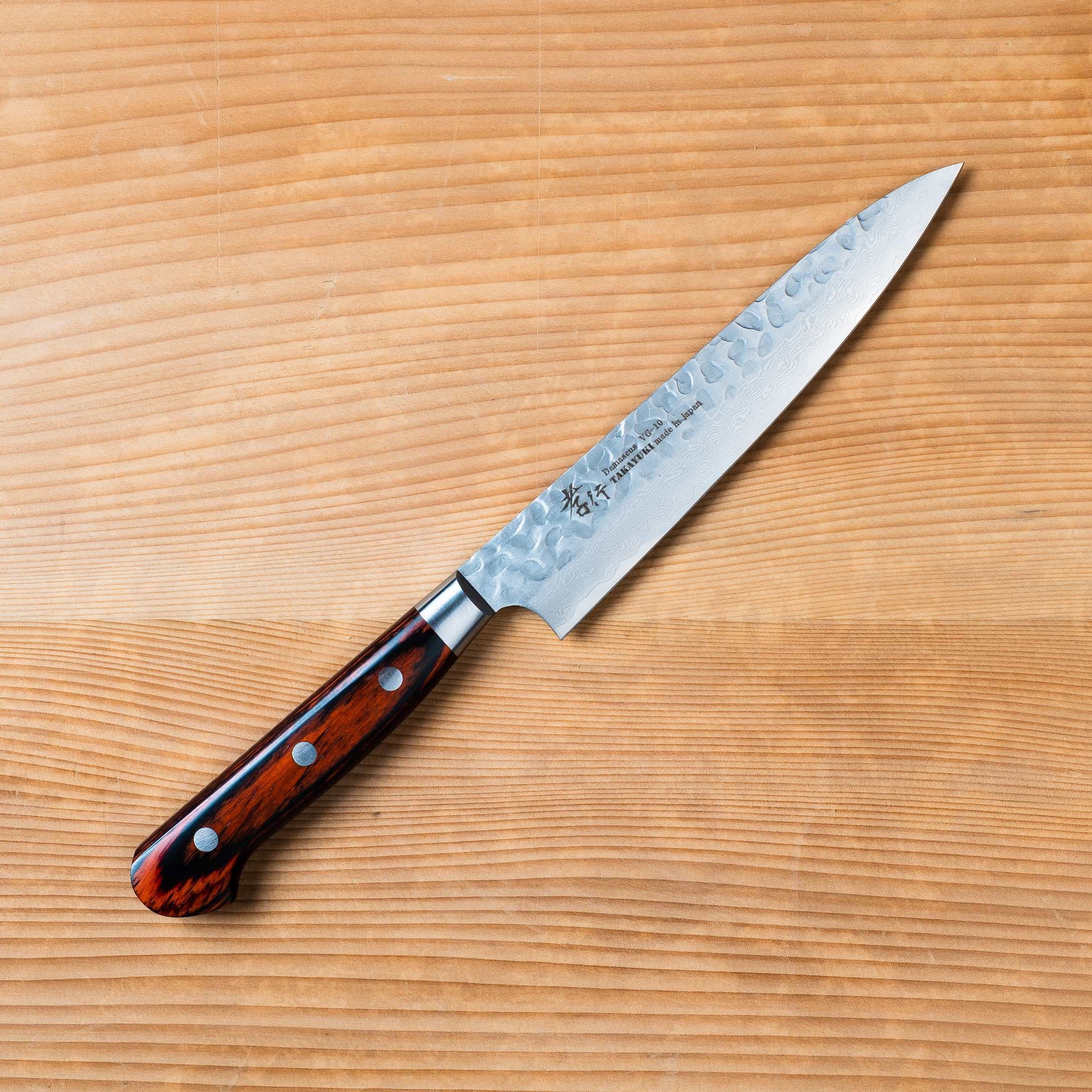
- Stainless steel: Easier care. Good for busy kitchens. Resists rust.
- Semi-stainless: Better edge life with fair care needs.
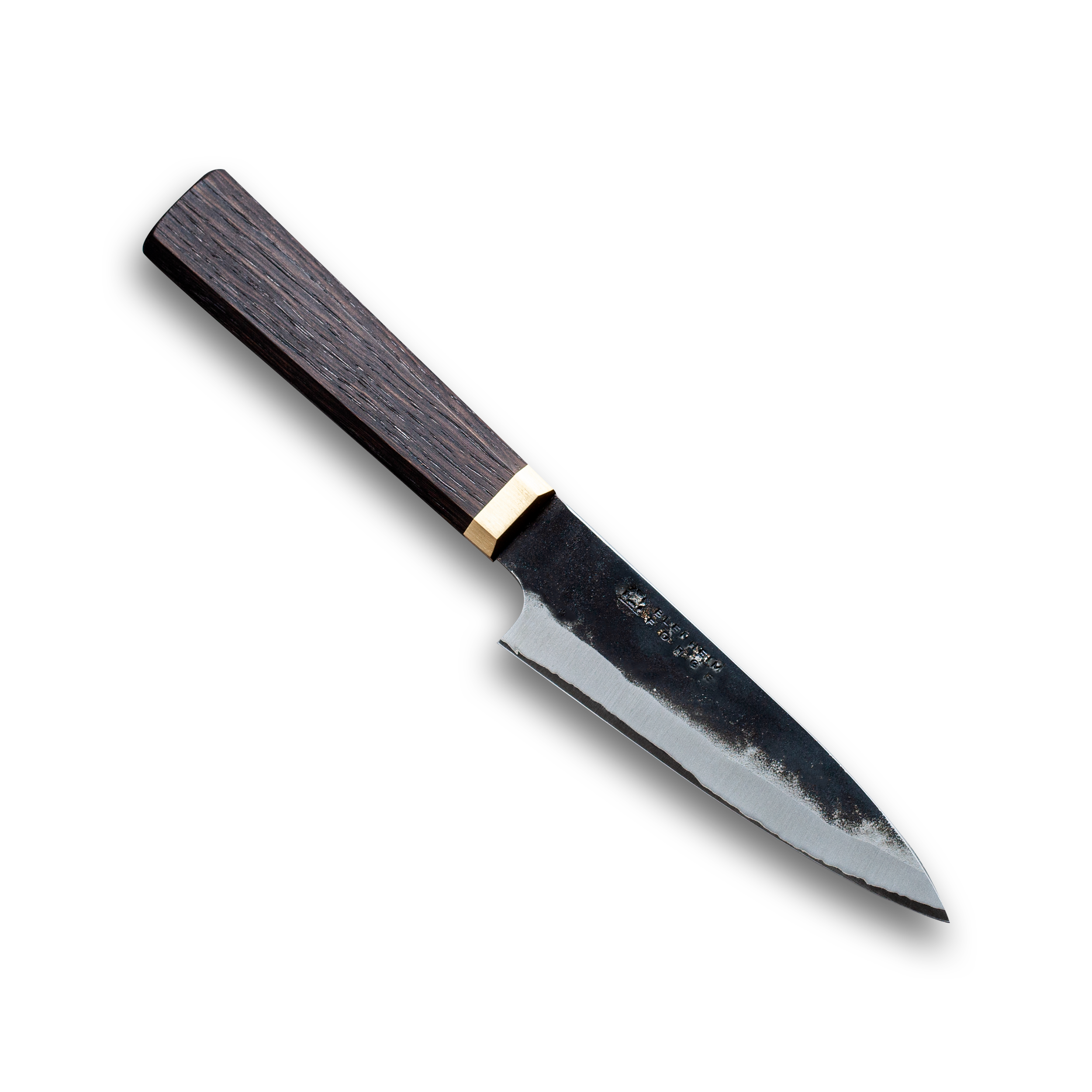
- High-carbon steel: Sharpens fast and can get very sharp. Needs dry care.
Grind and thickness:
- Thin behind the edge: Less wedge, cleaner cuts on herbs and tomatoes.
- Taper to tip: Helps with detail work and tight spaces.
- Micro-bevel: Adds chip resistance with little loss in bite.
Handles:
- Western handle: Heavier, secure feel, familiar for most users.
- Wa handle: Light and nimble. Shifts balance forward for control.
- Fit and finish: Smooth spine and choil reduce hot spots in long prep.

What You Can Do With a Petty Knife
Knowing what is a petty knife helps you see its many roles. It shines in small to mid tasks that need care and speed.
Everyday uses:
- Trim fat and silver skin on meat for clean portions.
- Slice strawberries, kiwis, and citrus without crushing.
- Mince shallots, garlic, and ginger with less mess.
- Segment oranges and grapefruit right over a bowl.
- Snip herbs and chives with tiny, even cuts.
Board and in-hand tasks:
- Board work: Fine cuts on small veg and soft fruit.
- In-hand work: Hull strawberries, core tomatoes, peel ginger.
Pro tip:
- Use a light pinch grip near the balance point. Keep your guide hand curled. For very fine cuts, choke up on the blade, not the handle.
Care, Sharpening, and Storage
A petty knife is easy to care for if you build small habits. These steps keep it sharp and safe.
Daily care:
- Wash by hand. Dry at once. Avoid dishwashers.
- Wipe during citrus or onions to protect the edge.
- Use a soft board like wood or quality plastic.
Sharpening:
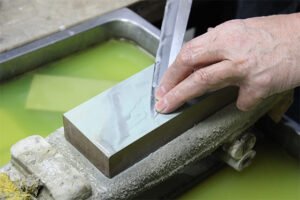
- Touch up on a ceramic rod or fine stone when it feels less keen.
- Full sharpen on 1000 grit, then refine on 3000 to 6000 grit.
- For carbon steel, strop lightly to boost bite.
Storage:
- Use a sheath or blade guard if it lives in a drawer.
- On a strip, keep space between blades to protect the tip.
How to Choose the Right Petty Knife
Before you buy, ask yourself what is a petty knife for you and your kitchen. The right pick fits your tasks and care style.
Pick by size:
- Small hands or in-hand work: 120 to 135 mm.
- More board work: 150 mm.
Pick by steel:
- Busy cook, low care: Stainless.
- Edge life with easy touch-ups: Semi-stainless.
- Love to sharpen and want top bite: High-carbon.
Pick by feel:
- Want nimble cuts: Wa handle, thin grind.
- Want comfort and heft: Western handle with a rounded spine.
Budget tips:
- Entry level: Choose stainless with good heat treatment and a thin grind.
- Mid range: Seek better steel and smoother finishing at the choil and spine.
- High end: Hand-forged or high-hardness steel for superb edge life.
Brands and makers:
- Look for makers known for good heat treatment, not just steel type.
- Read grind and thickness specs. A thin grind matters more than fancy steel.

Safety, Common Mistakes, and Pro Tips
Even a small blade can bite. Use these habits for safe, clean work.
Common mistakes:
- Forcing cuts on hard produce. Use a chef’s knife instead.
- Twisting the tip while prying. It can snap or chip.
- Cutting on glass or stone. It ruins edges fast.
Pro tips:
- Keep the tip down for onion work. Use short strokes.
- For citrus segments, slice to the membrane, then pivot the tip.
- When trimming meat, pull the blade as you cut to keep it smooth.
Mindset:
- A petty knife is not a pry bar. Let the edge do the work.
- If it drags, it is time for a quick touch-up.
My Experience Using a Petty Knife at Home and Work
In my line work days, my petty lived beside my chef’s knife. It handled garnish, citrus, and quick herb work. I could grab it, make three clean cuts, and move on.
At home, it is the first knife I reach for most nights. I trim chicken, slice grapes for kids, and mince garlic in seconds. It saves board space and feels low stress.
What I learned:
- Keep it very sharp. A petty rewards a fine edge.
- Size matters. My 150 mm sees more board time than my 120 mm.
- A smooth spine and choil help. My fingers thank me on long prep days.
Frequently Asked Questions of What is a petty knife
What is a petty knife?
A petty knife is a small, thin kitchen knife for fine prep. It sits between a paring knife and a chef’s knife in size and use.
Why does what is a petty knife matter if I already own a chef’s knife?
A chef’s knife is great, but it can feel bulky for small tasks. Knowing what is a petty knife shows why it is faster and safer for detail work.
What size petty knife should I buy?
Most home cooks do well with 135 to 150 mm. Choose 120 mm if you prefer in-hand work and very tight cuts.
Is stainless or carbon better for a petty knife?
Stainless is easier to care for and resists rust. Carbon can get sharper and is easy to hone, but it needs you to dry it at once.
Can a petty knife replace a paring knife?
Often yes, especially at 120 to 135 mm. If you peel a lot in hand, keep a paring knife too for comfort.
How often should I sharpen a petty knife?
Touch up when it starts to slide on tomato skin. For most cooks, a light hone weekly and a stone session monthly works well.
Is a petty knife safe for beginners?
Yes, because it is small and easy to control. Use a soft board, keep fingers tucked, and avoid twisting the tip.
Conclusion
A petty knife is the quiet workhorse that makes daily prep faster, cleaner, and more fun. You now know what is a petty knife, how it differs from other blades, and how to choose, use, and care for one that fits your style.
Pick a size, choose a steel you can maintain, and give it a home on your board this week. You will feel the difference in your next salad, fruit plate, or dinner prep. Want more gear guides and hands-on tips? Subscribe, share your questions, or drop a comment with your favorite petty knife.

Maliha Akter is a kitchen knife reviewer and food preparation specialist with over 6 years of experience testing Japanese kitchen knives and everyday cooking tools. She focuses on performance, safety, durability, and real-world usability to help home cooks choose the right knives for efficient and enjoyable cooking.
Expertise:Japanese Knives • Vegetable Knives • Product Reviews • Kitchen Efficiency • Knife Care