A modern bunka knife blends Japanese tradition with Western practicality for precise, versatile kitchen work.
I have spent years testing and teaching knife skills in home and professional kitchens, and I can tell you the modern bunka knife is one of the most useful blades you can own. This guide explains what a modern bunka knife is, why its shape and balance matter, how to use and care for one, and how to choose the right model for your needs. Expect clear, actionable advice, hands-on tips from experience, and the facts you need to make smarter buying and handling decisions with confidence.
What is a Modern Bunka Knife?
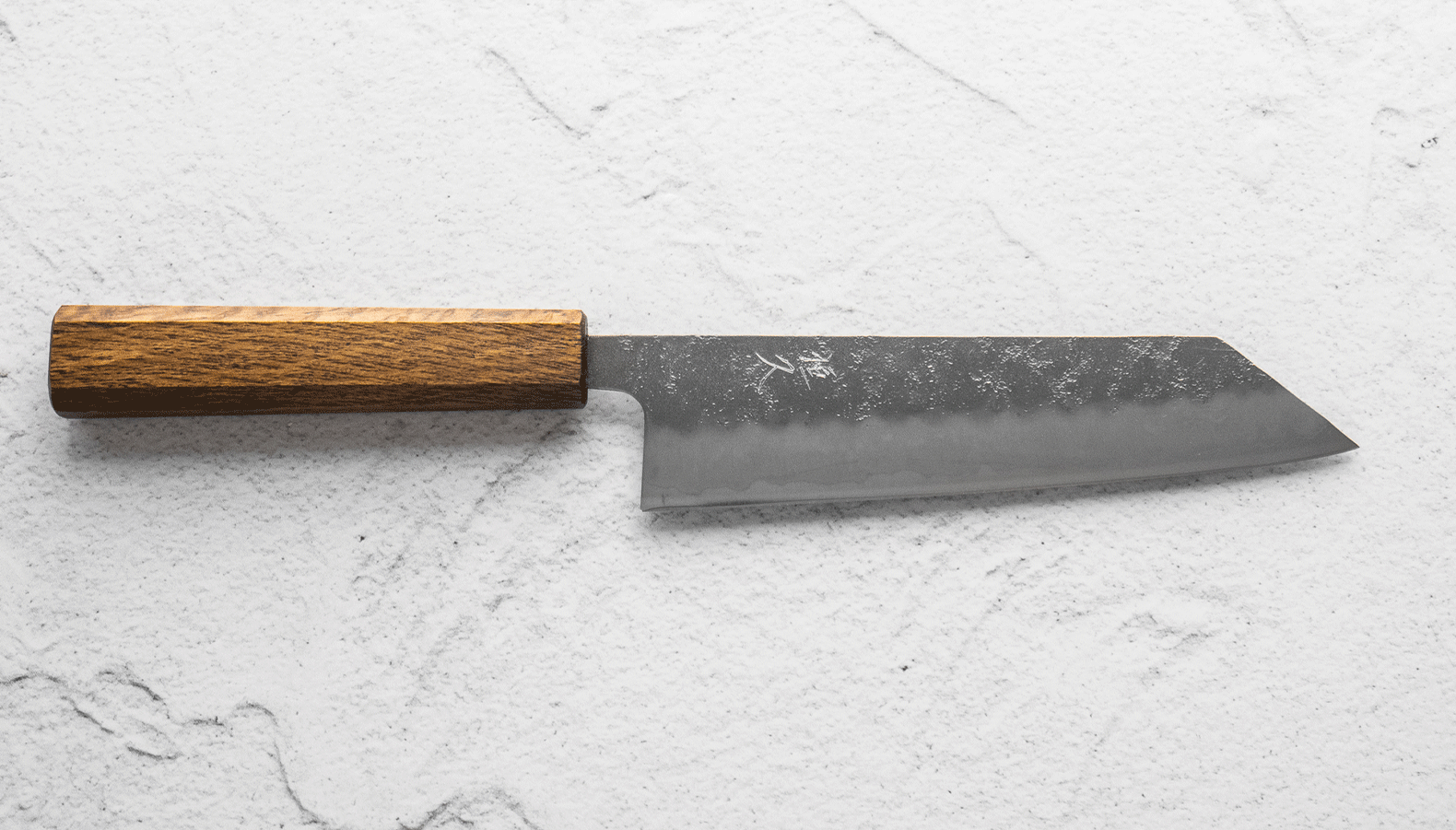
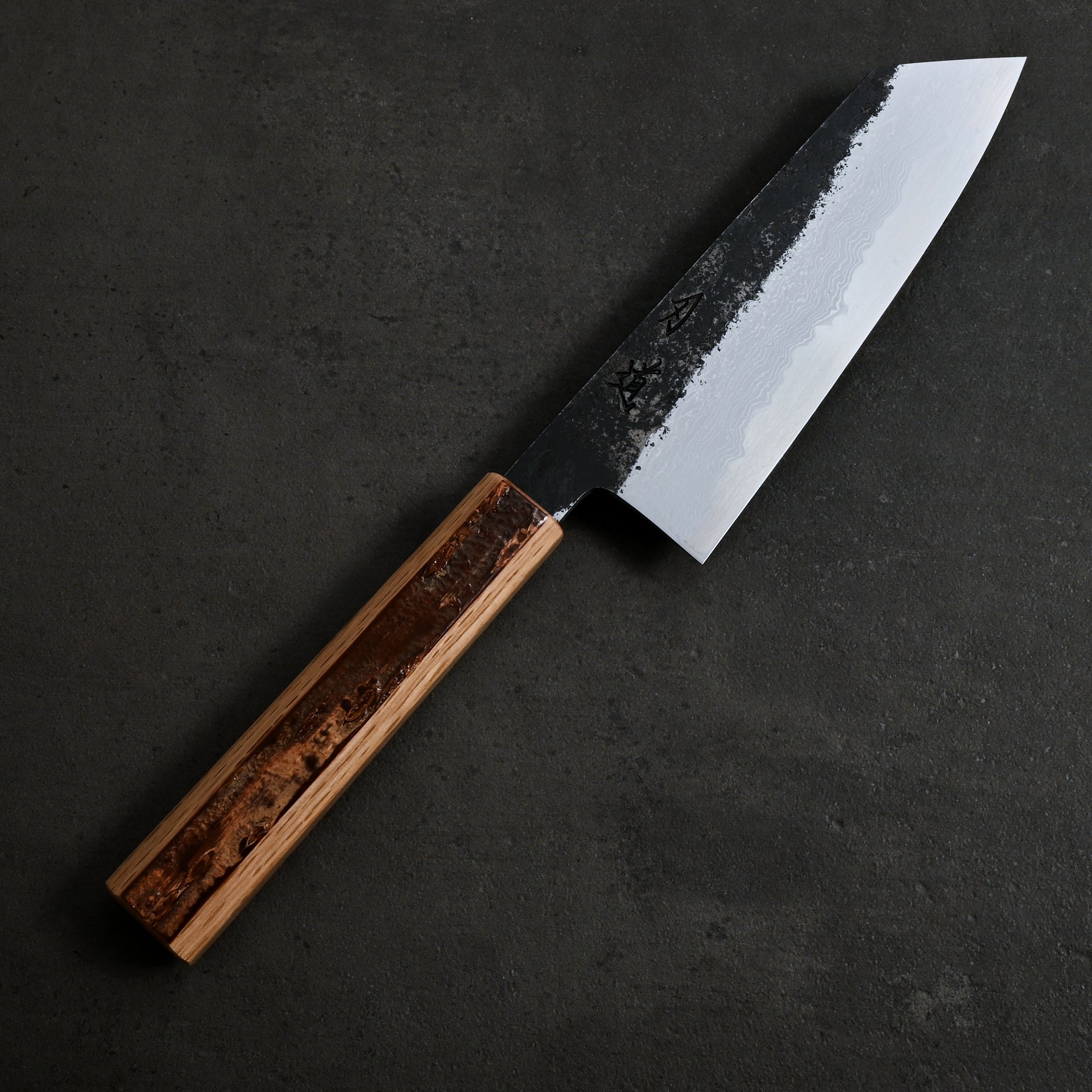
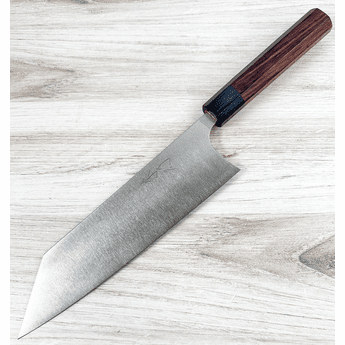
A modern bunka knife is a Japanese-style chef’s blade with a distinctive angled tip and flat cutting edge. It blends a pointed profile for piercing with a roomy belly for slicing. The design makes it ideal for precise vegetable work, small meat cuts, and everyday kitchen tasks.
Key features of the modern bunka knife:
- Pointed, triangular tip for controlled piercing and fine work.
- A relatively straight edge for clean push cuts and thin slicing.
- Compact blade length, typically 5 to 7 inches, for nimble handling.
- Balanced weight between blade and handle for easy control and less fatigue.
Why it matters:
- The modern bunka knife offers a lot of utility in a compact package.
- It’s a strong choice for cooks who want one reliable blade for prep.

Source: moderncooking.com

History and Evolution
The bunka evolved from traditional Japanese knives and 20th-century kitchen needs. It borrows elements from the santoku and usuba but adds a pointed tip for versatility. As modern cooks demanded multi-purpose tools, makers refined the bunka for broader tasks.
How the modern bunka knife developed:
- Traditional shapes inspired the straight cutting edge and flat profile.
- Western cooking influenced handle ergonomics and length.
- Modern metallurgy improved edge retention and ease of sharpening.
Practical takeaway:
- The modern bunka knife is a hybrid built for both precision and everyday use.

Source: com.au
Design and Key Features
A modern bunka knife has a distinct silhouette and functional details that set it apart.
Blade profile and tip
- The blade combines a straight or gently curved edge with a sharp, angled tip.
- The tip allows for detail work like trimming and scoring.
Edge geometry
- Many modern bunka knives use a thin, acute edge for clean cuts.
- Edge angles range from 15 to 20 degrees per side in high-quality models.
Handle and balance
- Handles can be Western-style or Japanese wa-style. Both aim to center balance near the heel.
- Good balance reduces wrist strain and improves control.
Blade length and weight
- Typical blade lengths are 5, 6, or 7 inches.
- The lighter, shorter blade helps with speed and precision.
Materials and finishes
- Blades are often made of stainless or high-carbon stainless steel.
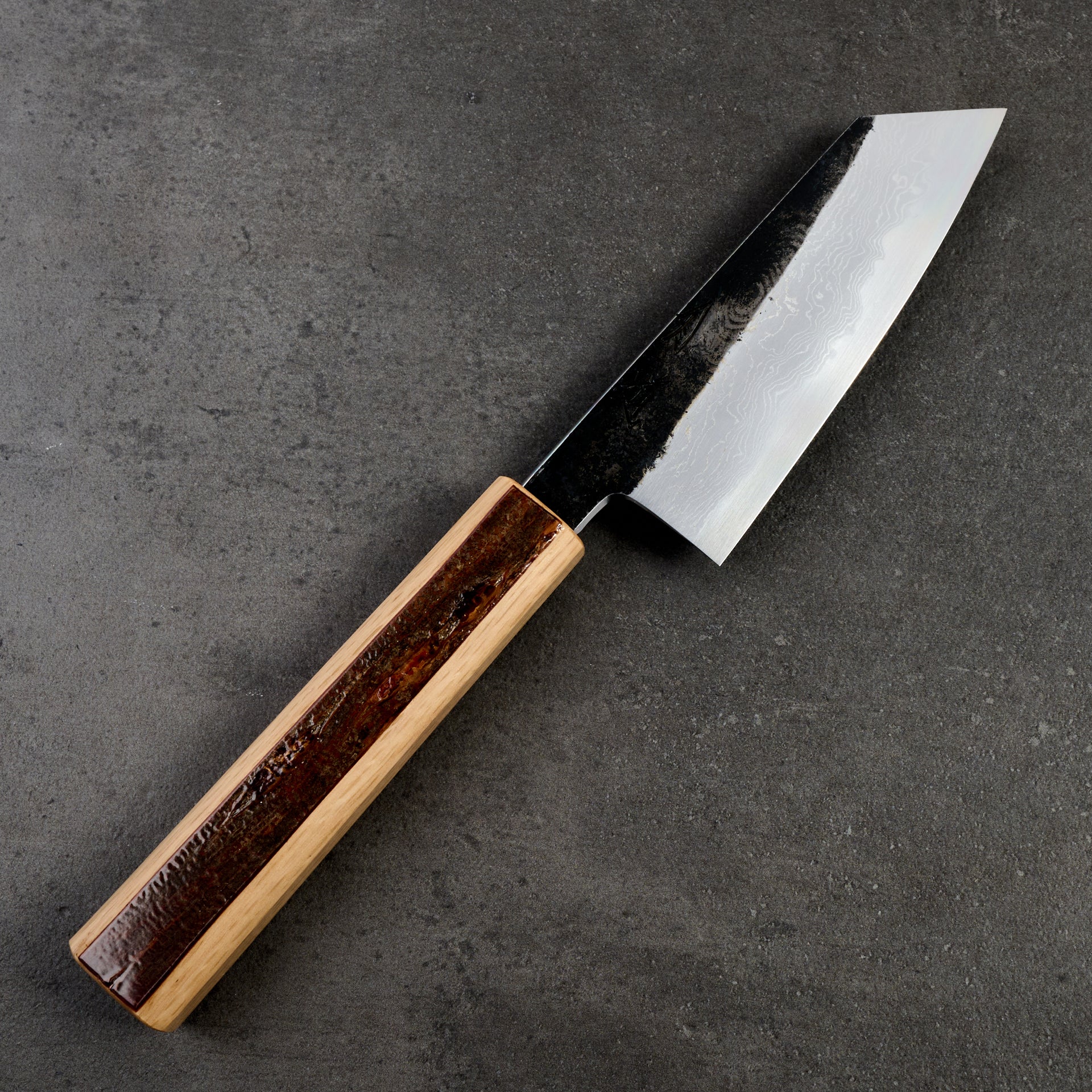
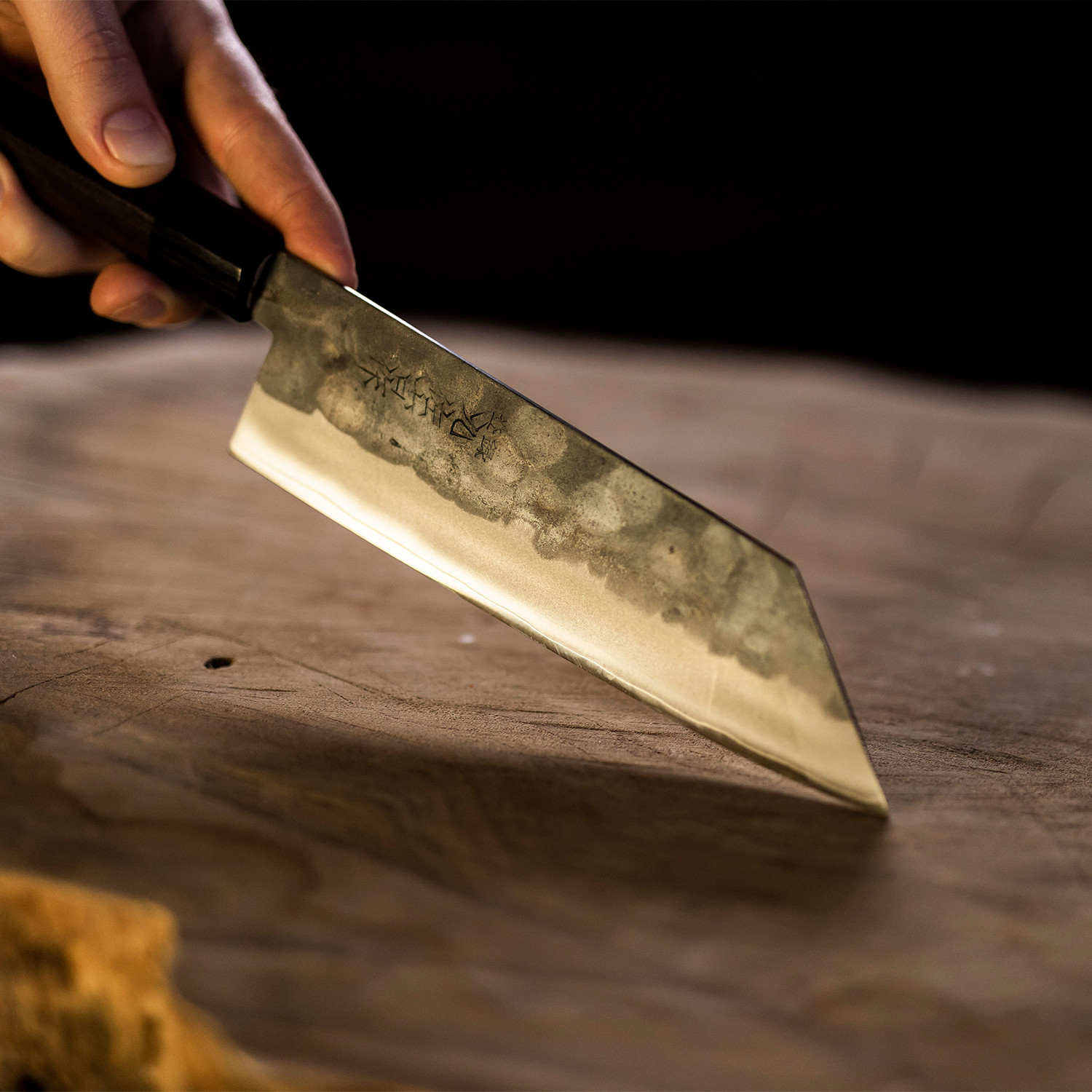
- Some models feature hammered (tsuchime) finishes that reduce sticking.
How these features help you
- Precision tip for intricate work.
- Straight edge for push and pull cuts.
- Compact size for cramped kitchen spaces.
Source: moderncooking.com
How to Use a Modern Bunka Knife
The modern bunka knife is versatile. Use it for vegetables, boned meats, herbs, and small fish.
Basic techniques
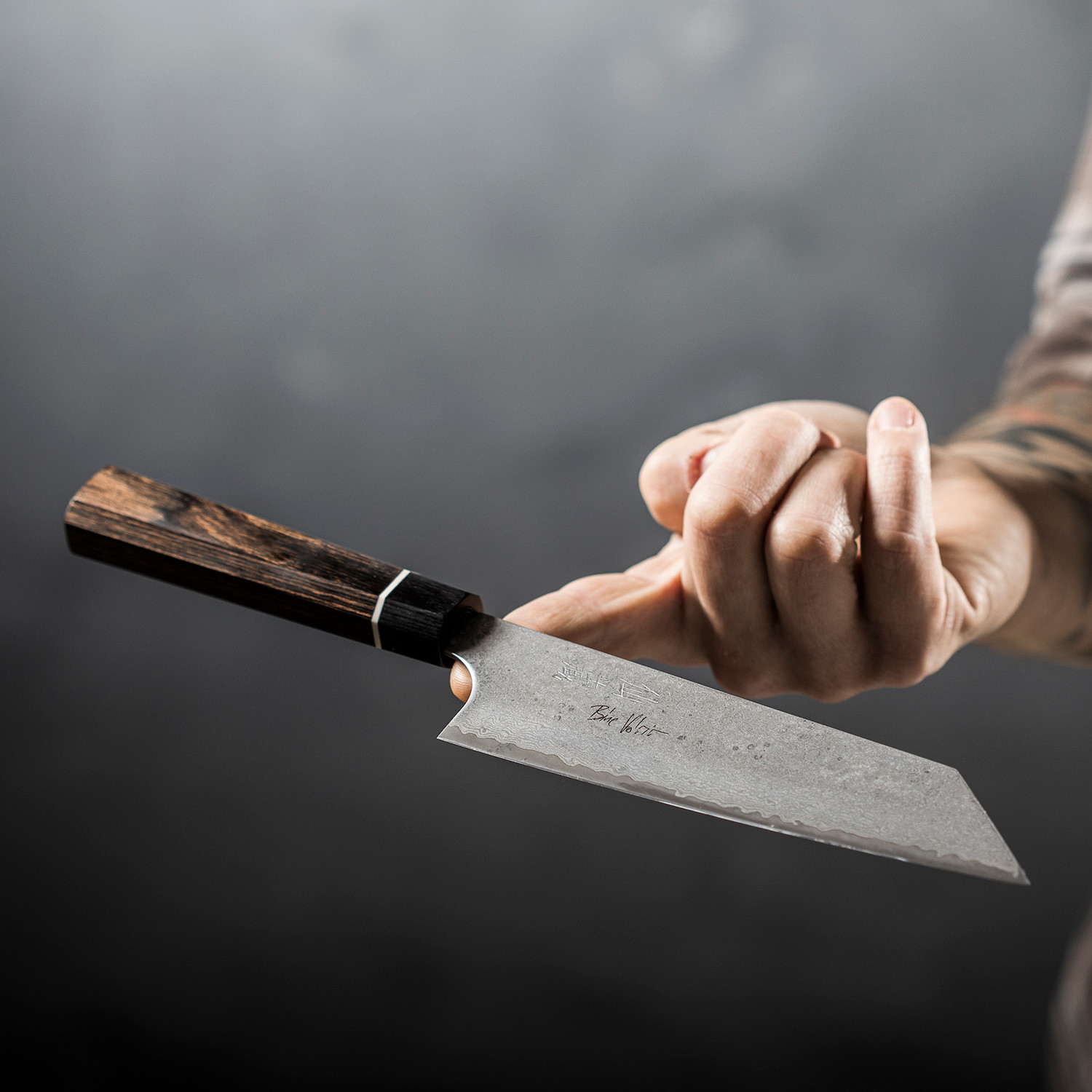
- Hold the handle firmly with a pinch grip on the blade for control.
- Use the tip for trimming, peeling, and scoring.
- Use the middle and heel for slicing and push cuts.
- Rock slightly when you need continuous motion, but the flat edge works well for push cutting.
Task-specific tips
- Vegetables: use the straight section for thin, even slices.
- Herbs: use the tip to chop and the spine to gather herbs.
- Small proteins: use the tip to trim and the belly to slice fillets.
Safety and efficiency
- Keep your fingers curled and use a stable cutting board.
- Work in short, controlled motions for accuracy.

Source: chefknivestogo.com
Materials, Construction, and Steel Types
Modern bunka knives come in a range of steels and constructions. Choose based on your needs and skill.
Common steel types
- Stainless steel: low maintenance, stain resistant, easier to sharpen for beginners.
- High-carbon stainless: good edge retention and reasonable rust resistance.
- Carbon steel: holds a very sharp edge but needs prompt cleaning and oiling.
Construction styles
- Forged: one-piece blade and bolster; often heavier and more durable.
- Stamped: cut from sheet steel; lighter and often less expensive.
- San-mai and clad: hard core steel laminated with softer layers for a mix of sharpness and toughness.
Handle materials
- Wood: offers warmth and tradition but needs care.
- Pakkawood or resin: durable, stable, and low maintenance.
- Composite or polymer: best for high-moisture environments.
What I recommend from experience
- Beginners: choose a high-carbon stainless stamped or clad bunka for ease of care.
- Enthusiasts: a forged bunka with a hard core steel gives better edge performance.

Source: moderncooking.com

Maintenance: Sharpening, Honing, Care
Proper care keeps a modern bunka knife performing at its best for years.
Daily care
- Rinse and dry after use to prevent stains and corrosion.
- Avoid dishwashers and hard surfaces like glass or stone.
Honing and sharpening
- Hone with a rod once or twice a week to realign the edge.
- Sharpen on a whetstone when the knife begins to drag, typically every few months depending on use.
- Use a 15–20 degree angle per side for steel edges; consistent angles matter.
Storage
- Use a magnetic strip, knife block, or blade guard to protect the edge and keep safety.
- Letting the blade sit wet or acidic residue overnight.
- Using a dishwasher.
- Sharpening without consistent angles.

Source: touchofmodern.com
Uses and Recipes
The modern bunka knife shines in many kitchen tasks. Here are practical uses and simple ideas.
Everyday uses
- Vegetables: julienne, dice, and shred with ease.
- Proteins: trim and portion small cuts like chicken breasts or fish fillets.
- Garnishes: precise scoring and decorative cuts.
Quick recipe ideas
- Thin cucumber ribbons for salads using the straight edge.
- Quick herb chiffonade with the tip and middle of the blade.
- Boneless chicken stir-fry cuts trimmed and sliced for even cooking.
Why chefs like it
- The modern bunka knife reduces the need to switch tools often.
- Its compact size makes it fast in prep and nimble for small tasks.
Source: moderncooking.com
Buying Guide: What to Look For
Choosing the right modern bunka knife depends on budget, feel, and intended use.
Key considerations
- Blade length: 5–7 inches fits most home cooks.
- Steel type: stainless for low care, carbon for keen edges.
- Construction: forged for durability, stamped for budget.
- Handle comfort: test grip feel before purchasing if possible.
Budget tiers
- Entry-level: practical stainless stamped bunka, good for starters.
- Mid-range: high-carbon stainless, clad construction for balance of care and edge retention.
- Premium: forged, single-core steel with custom handle for longevity and performance.
Test before you buy
- If possible, hold the knife to judge balance and comfort.
- Look for even grind lines and a secure handle fit.
Warranty and brand trust
- Buy from reputable makers who stand behind their blades.
- Check return and sharpening policies.
Source: touchofmodern.com
Personal Experience and Tips
I’ve used many bunka knives in home kitchens and classrooms. A compact bunka often becomes my go-to when space and time are tight.
What I learned
- A 6-inch bunka is the sweet spot for most cooks.
- Lighter blades boost speed but require steady technique.
- Pair a bunka with a larger chef’s knife for heavy-duty tasks.
Mistakes I made early on
- Buying a very hard carbon blade without learning proper care, which led to rust spots.
- Choosing a handle that looked good but felt awkward in long prep sessions.
Practical tips
- Start with a mid-range, corrosion-resistant bunka to learn the shape.
- Practice pinch grip and using the tip for detailed work.
- Keep a small, flat whetstone at home for quick touch-ups.
A story
- I once prepped a full dinner for eight with only a 6-inch bunka and a small paring knife. The bunka handled every slicing and trimming task without switching blades. It taught me that the right shape can replace multiple tools.
Frequently Asked Questions of modern bunka knife
What is the difference between a bunka and a santoku?
A bunka has a pointed tip and straighter edge, while a santoku usually has a rounded tip and more pronounced belly. The bunka excels at piercing and detail work, while the santoku favors chopping and scooping.
Is a modern bunka knife good for meat?
Yes. A modern bunka knife can trim and slice small cuts of meat and boneless poultry well, though heavy bones require a cleaver or larger chef’s knife.
How should I sharpen a modern bunka knife?
Use a whetstone and maintain a consistent angle, typically 15–20 degrees per side. Hone regularly and sharpen on the stone when the blade loses smooth slicing ability.
Can I use a bunka as my only kitchen knife?
You can for many everyday tasks, especially in small kitchens, but most cooks pair it with a larger chef’s knife for heavy-duty jobs and a paring knife for tiny tasks.
How often should I oil a carbon-steel bunka?
Oil lightly after cleaning and drying, especially if you won’t use it for a while. A thin coat of food-safe mineral oil prevents rust and keeps the steel healthy.
Conclusion
The modern bunka knife is a smart, versatile tool that blends Japanese form with modern needs. It offers precision, compactness, and broad utility for cooks of all levels. Choose a bunka that fits your hand, select steel that matches your care habits, and practice basic techniques to get the most from the blade. Start with a mid-range model if you’re new, and upgrade as your skill and needs grow. Try using a modern bunka knife for a week as your main prep blade and notice how it speeds your work; then share your results or questions below to continue learning.
Maliha Khatun has spent 5 years hands-on testing Japanese knives for everyday home cooks. She has evaluated over 60 blades across nakiri, santoku, gyuto, and petty categories — scoring each on edge retention, steel quality, handle comfort, and value for money. She writes to help home cooks buy the right knife without the guesswork.
Expertise:Japanese Knives • Vegetable Knives • Product Reviews • Kitchen Efficiency • Knife Care
Leave a Reply