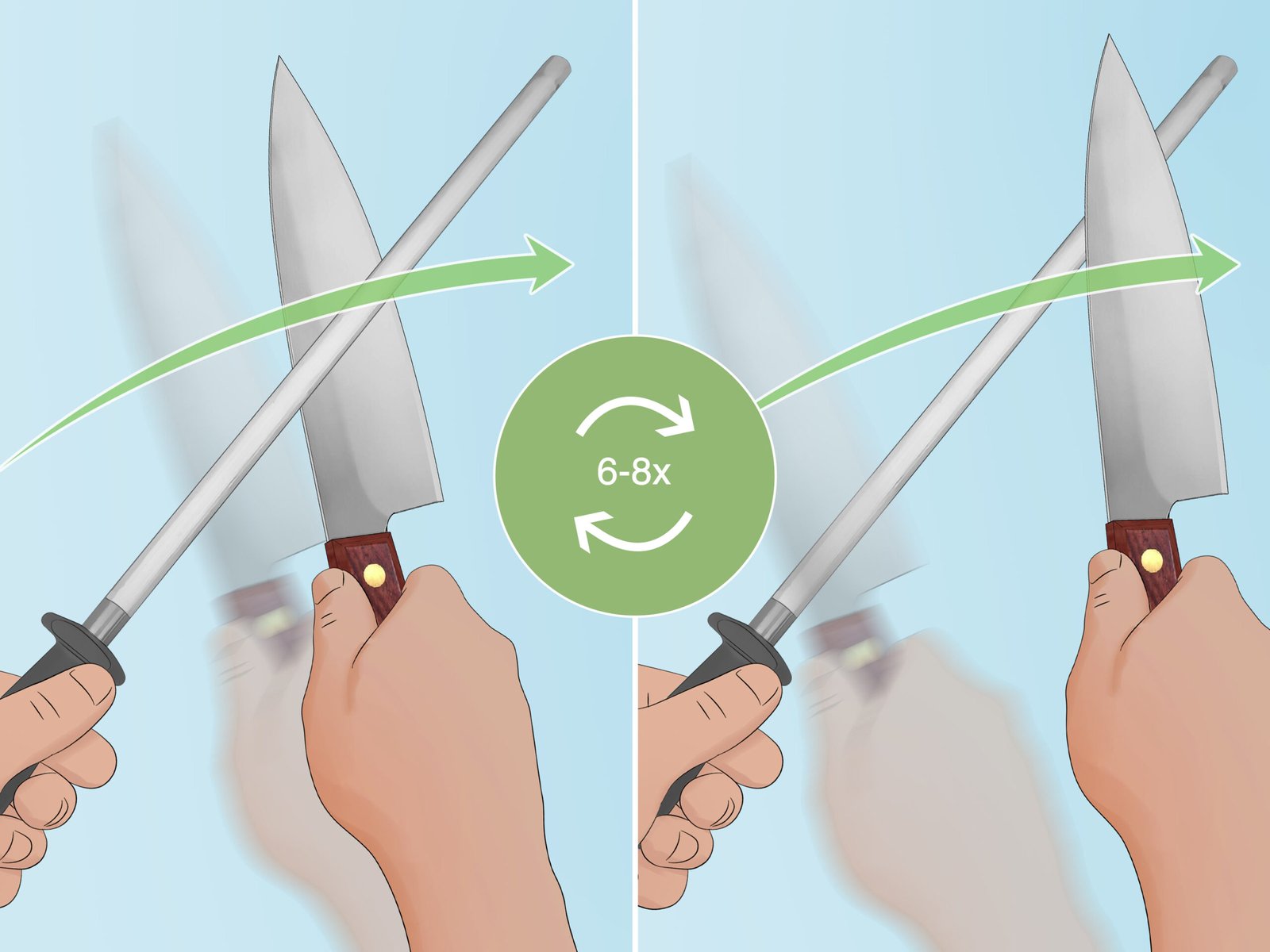
Honing a knife means realigning the blade’s edge with gentle strokes to restore cutting performance.
I have spent years working with kitchen knives as a chef and as a content creator for cutlery guides, so I know practical, repeatable methods for how to hone a knife. This article walks through what honing does, the tools you need, precise step-by-step technique, common mistakes to avoid, and realistic expectations so you can keep blades true and safe at home.
What honing is and why it matters
Honing is not the same as sharpening. Honing straightens the microscopic teeth and bends of the edge. Sharpening removes metal and creates a new edge. Understanding this difference is the first step in learning how to hone a knife.
Honing improves day-to-day cutting without removing steel. It prolongs sharpness and reduces the need for frequent sharpening. For home cooks and pros, knowing how to hone a knife saves time and keeps food prep efficient.
Source: worksharptools.com
Tools you need to hone a knife
Use simple tools. Many are affordable and last long.
- Honing rod (steel, ceramic, or diamond-coated). A steel rod is common; ceramic is gentler.
- Towel or non-slip mat. Keeps the rod steady and protects counters.
- Good lighting and a comfortable angle. Clear view makes a big difference.
Optional extras
- Magnetic guide for angle consistency.
- Leather strop for finishing.
- Bench stone or guided sharpener if you need to sharpen, not just hone.
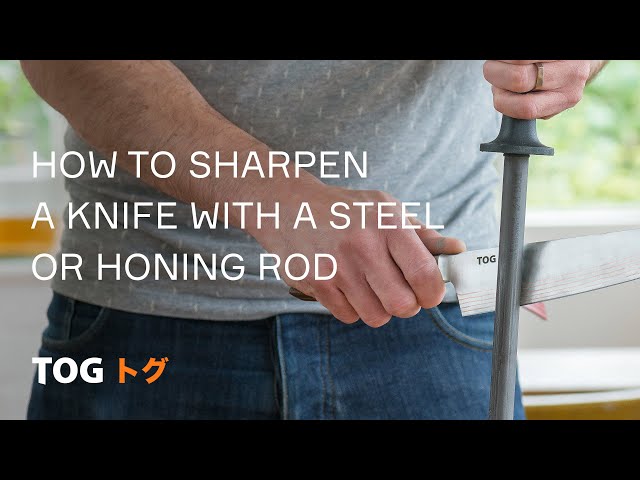
How to hone a knife depends on choosing the right rod. A ceramic rod is excellent for thin, hard steel. A steel rod works well for softer steels and quick touch-ups.
Step-by-step: how to hone a knife
Follow these steps slowly the first few times. Practice builds confidence and consistency.
- Prepare your workspace
- Place a towel or non-slip mat on the counter.
- Hold the honing rod vertically with the tip on the mat.
- Set the angle
- Match the knife’s edge angle. Most kitchen knives use 15–20 degrees per side.
- If unsure, aim for about 18 degrees as a safe general angle.
- Position the blade
- Start with the heel of the blade at the top of the rod.
- Tilt the blade slightly so the edge touches the rod at the correct angle.
- Stroke the blade
- Draw the blade down and toward you, from heel to tip, maintaining angle.
- Repeat on the other side of the blade. One stroke per side counts as a cycle.
- Repeat cycles
- Do 4–8 cycles per side for daily maintenance.
- Test the edge on a tomato or paper. Stop when cutting feels smooth.
- Clean and store
- Wipe the blade and rod clean after honing.
- Store the rod safely to avoid damage.
Practice this routine to internalize how to hone a knife. Keep strokes smooth and even. Speed is less important than control.
Honing angles, technique details, and variations
Angles matter. Low angles are sharper but more fragile. High angles are tough but less razor-like.
- 10–15 degrees per side: very sharp, used for fine chefs’ knives.
- 15–20 degrees per side: common for Western kitchen knives.
- 20–25 degrees per side: good for heavy-use blades and outdoor knives.
Technique tips
- Use light pressure. Honing is gentle; pressing hard bends the edge the wrong way.
- Maintain the same angle. Visual cues help, or use an angle guide.
- Stroke in a single smooth motion. Avoid scrubbing or rocking.
Variations
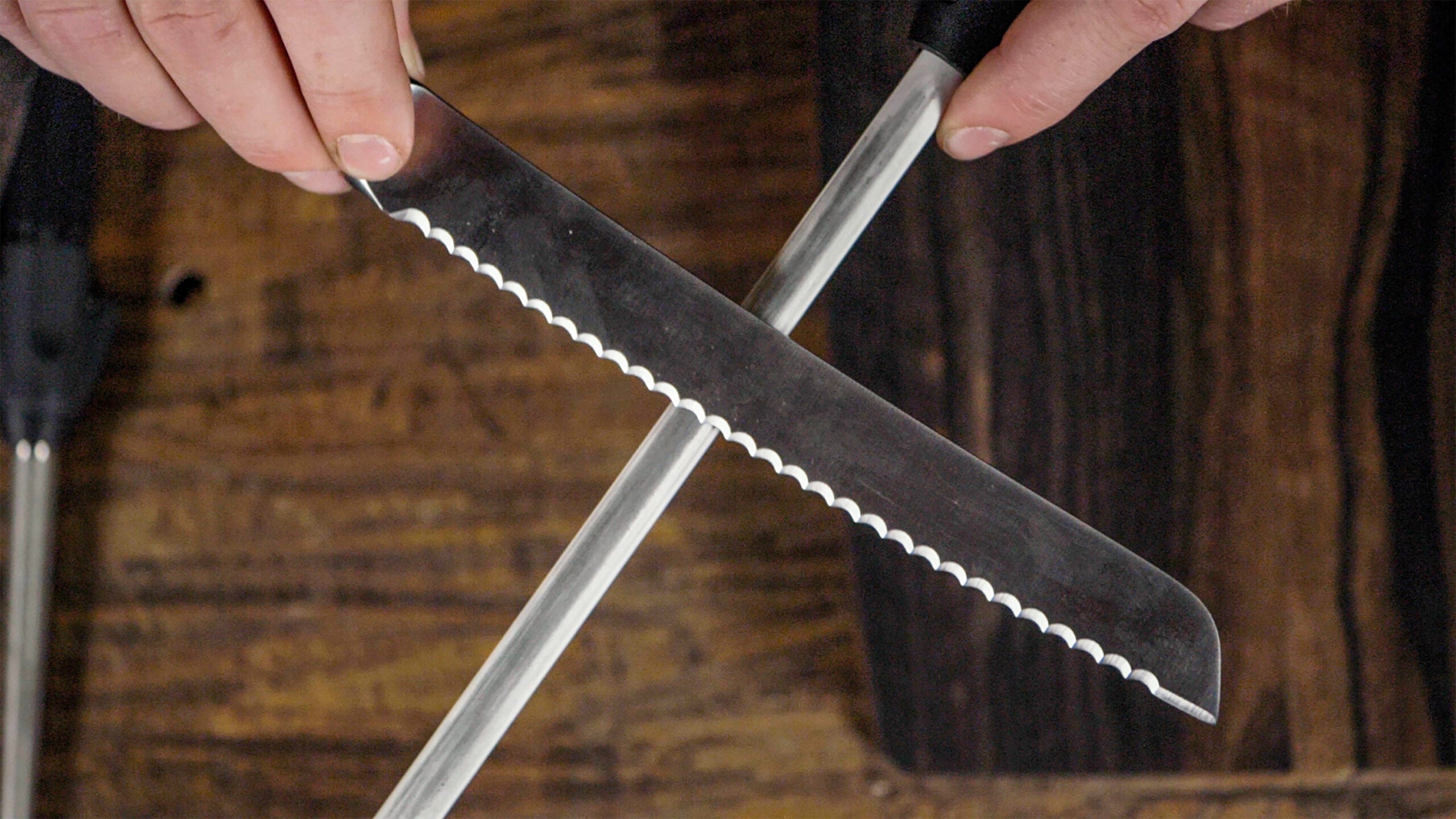
- Ceramic rod: smoother finish, good for stainless and hard steels.
- Diamond-coated rod: removes small burrs and is slightly abrasive.
- Leather strop: polish after honing for a mirror edge.
These details shape how to hone a knife based on steel type and use.
How often to hone, maintenance, and common mistakes
Frequency depends on use. A home cook may hone once a week. A busy cook hones daily. If cutting feels dull between hones, sharpening is likely needed.
Maintenance checklist
- Hone regularly to keep edges true.
- Sharpen when honing no longer restores the edge.
- Clean rods occasionally to remove metal particles.
Common mistakes to avoid
- Pressing too hard during honing.
- Using the wrong angle or inconsistent strokes.
- Confusing honing with sharpening and over-honing with abrasive rods.
- Neglecting safety—keep fingers clear of the blade path.
From my experience, the biggest mistake is rushing. Slow, deliberate strokes beat fast, sloppy ones when learning how to hone a knife.

Source: youtube.com
When honing won’t help: sharpening and alternatives
Honing realigns; it doesn’t fix chips or a very dull edge. If the blade no longer bites, you need to sharpen. Sharpening removes metal and recreates an edge on stones, guided sharpeners, or professional services.
Alternatives and complements
- Whetstones: for full sharpening and re-profiling.
- Guided sharpeners: consistent angles for beginners.
- Professional sharpening: good for very expensive or damaged blades.
Combine techniques. Regular honing reduces the frequency of full sharpening. That is the practical goal when learning how to hone a knife.

Source: wikihow.com
Personal experience and practical tips
As a chef, I honed knives before every shift. I learned three lessons fast.
- Consistency matters. I used the same angle and rod for a month before changing anything.
- Test with food. A tomato slice and paper test tell more than guessing.
- Record mistakes. I once bent a carbon steel edge by pressing too hard on a diamond rod. I fixed it by light honing and a gentle stone pass.
A simple routine changed my workflow. Honing feels fast and becomes part of prep. It keeps knives safe and predictable.
Source: youtube.com
Frequently Asked Questions of how to hone a knife
How often should I hone my kitchen knife?
Hone based on use. For daily cooks, hone daily or every other day; casual cooks can hone weekly. If the edge resists cutting, it needs sharpening instead.
Can honing sharpen a dull knife?
No. Honing realigns the edge; it does not remove enough metal to reshape a dull blade. Use a whetstone or professional sharpening to restore a dull edge.
Which rod is best for beginners when learning how to hone a knife?
A ceramic or smooth steel rod is a good start for beginners. Ceramic is gentle and provides a polished edge; steel is durable and forgiving.
What angle should I use when honing?
Aim for the knife’s original edge angle. Common angles are 15–20 degrees per side. If unsure, 18 degrees per side is a safe middle ground.
Is it safe to hone a knife at home?
Yes, if you follow safe technique. Use a stable base, keep fingers clear of the blade, and move slowly. Practice with a cheap knife first if you are nervous.
Will honing remove rust or stains from my blade?
No, honing realigns the edge and won’t remove rust. Clean and treat rust separately with proper metal care before honing.
Conclusion
Honing is a simple, high-impact skill that keeps knives performing at their best between sharpenings. Learn the right angle, use a proper rod, practice deliberate strokes, and make honing a short, regular habit. Start today by setting aside five minutes before your next prep session to practice how to hone a knife — your knife will thank you and your cooking will be smoother.
Leave a comment about your honing routine, subscribe for more knife care tips, or try the step-by-step guide and report back on your results.
Maliha Khatun has spent 5 years hands-on testing Japanese knives for everyday home cooks. She has evaluated over 60 blades across nakiri, santoku, gyuto, and petty categories — scoring each on edge retention, steel quality, handle comfort, and value for money. She writes to help home cooks buy the right knife without the guesswork.
Expertise:Japanese Knives • Vegetable Knives • Product Reviews • Kitchen Efficiency • Knife Care
Leave a Reply