Use simple, safe tests like paper, tomato, and thumbnail cuts to judge sharpness quickly.
I have tested hundreds of blades and taught others how to test knife sharpness. This guide explains safe, repeatable tests. You will learn what each test shows, the tools to use, common errors to avoid, and when to trust a pro. Read on to make faster, safer decisions about your knives.

Why test knife sharpness
Testing ensures a knife cuts well and safely. A dull blade needs more force. That raises the chance of slips and accidents. Knowing how to test knife sharpness helps you keep food prep fast, clean, and safe.
Safety first: how to test knife sharpness without getting hurt
Always point the blade away from your body. Use a stable surface and good light. Wear a cut-resistant glove for thumbnail or skin tests if you feel unsure. Never test on people or in a rush. These safety rules make every sharpness check low risk.

Common tests and what they reveal about how to test knife sharpness
Here are the main tests you will use. Each is quick and tells you different things about the edge.
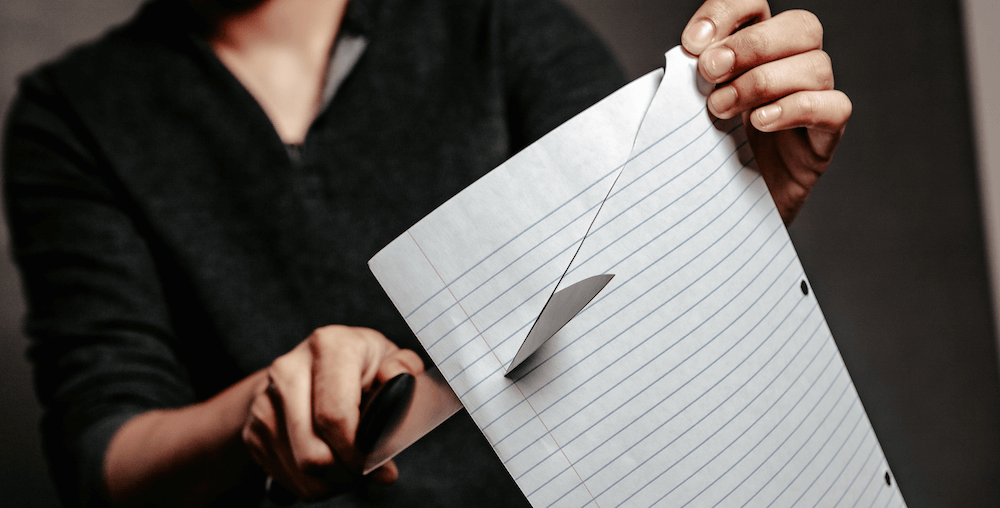
- Paper test. Feed a sheet of paper to the blade. A very sharp knife slices cleanly with little force. If the paper tears, the edge needs work. This test shows slicing ability.
- Tomato test. Slice a ripe tomato without pressing down. A sharp blade will enter and slice the skin smoothly. This tests thin-edge performance.
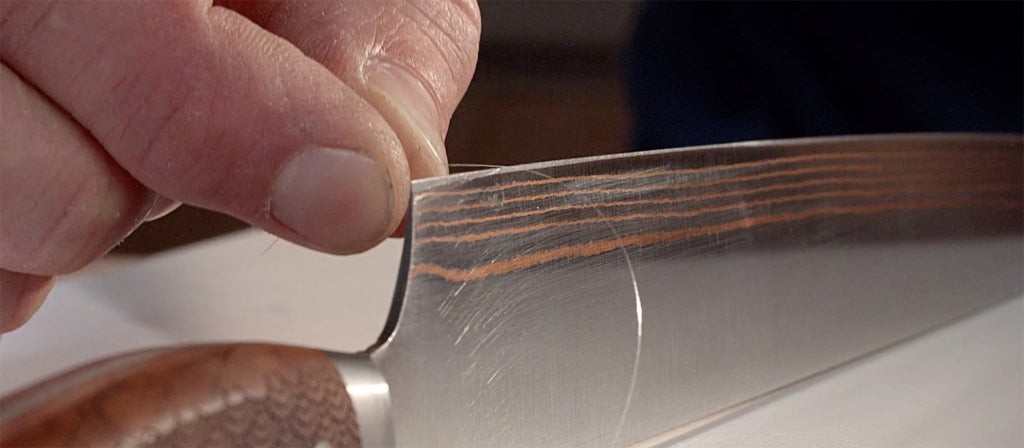
- Thumbnail or fingernail test. Very light drag of the edge across a thumbnail at a low angle checks for a burr. Do this gently and never press hard. If the blade bites slightly, it is quite sharp.
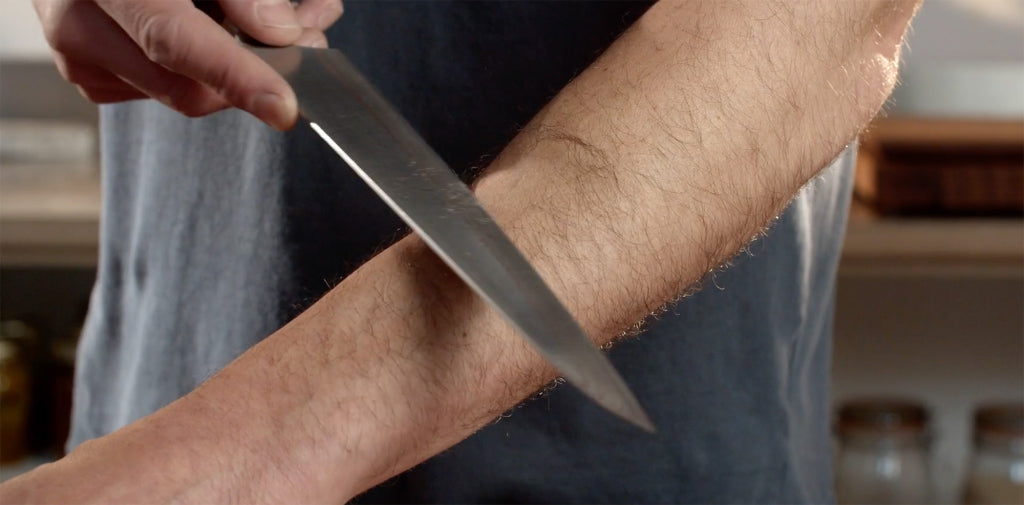
- Hair test. Pull a single hair across the blade or try shaving a small patch of arm hair. If the blade cuts hair easily, the edge is extremely keen. This is more advanced and not needed for kitchen knives.
- Slice test. Slice a soft object like bread or paper towel. Watch for smooth cuts. This checks real-world slicing.
- Marker or magnifier check. Color the edge with a permanent marker then strop once. If the ink is removed evenly, the bevel is consistent. Use a 10x loupe to inspect for chips or roundness.
- Depth or bite test (wire or rope). Cut lightweight cord to test bite. This shows how the edge holds on fibrous material.
People also ask: Can I use the paper test for all knives? The paper test works for most blades but is less useful for heavy cleavers and serrated knives. Use a tomato or rope test for those.
Can a very sharp knife fail the tomato test? Yes. A damaged bevel or sticky residue can stop a clean tomato cut. Clean and inspect the edge first.
Step-by-step: how to test knife sharpness at home
Follow these steps for a reliable check.
- Prepare. Clean the blade and dry it. Put the knife on a stable mat. Wear a glove if you want.
- Do the paper test. Hold paper vertical. Slice the top edge with the knife using a smooth motion. Note if the blade slices or tears.
- Try the tomato test. Place a ripe tomato on a board. Use the knife tip to start a light cut and let the blade do the work. No heavy force should be needed.
- Check the thumbnail gently. Hold the knife at a shallow angle to your thumbnail. Drag very lightly from heel to tip. Feel for a slight catch or no slip.
- Finish with a slice test. Cut bread, onion, or a paper towel. Evaluate smoothness and effort.
- Inspect. Look for chips and roundness with a loupe or good light. Run a finger along the spine (not the edge) to feel burrs or rough spots.
Repeat tests after honing or stropping to confirm improvement. These steps teach you how to test knife sharpness in a safe, repeatable way.
Tools and indicators that improve how to test knife sharpness
Better tools give clearer results. Here are helpful items.
- 10x loupe. Helps spot chips and roll-over at the edge.
- Marker pen. Use to check contact across the bevel.
- Cut-resistant glove. Adds safety during close checks.
- Strop and compound. Use to polish after sharpening and then re-test.
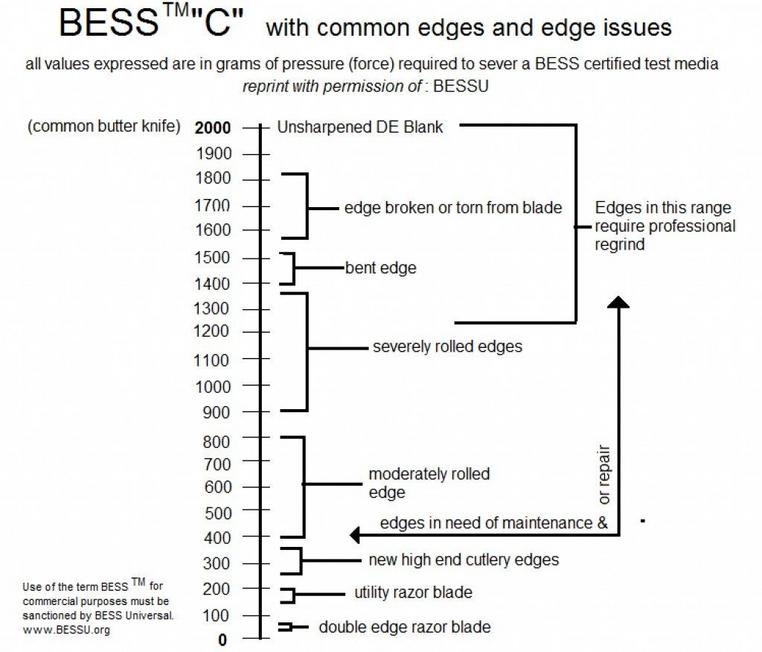
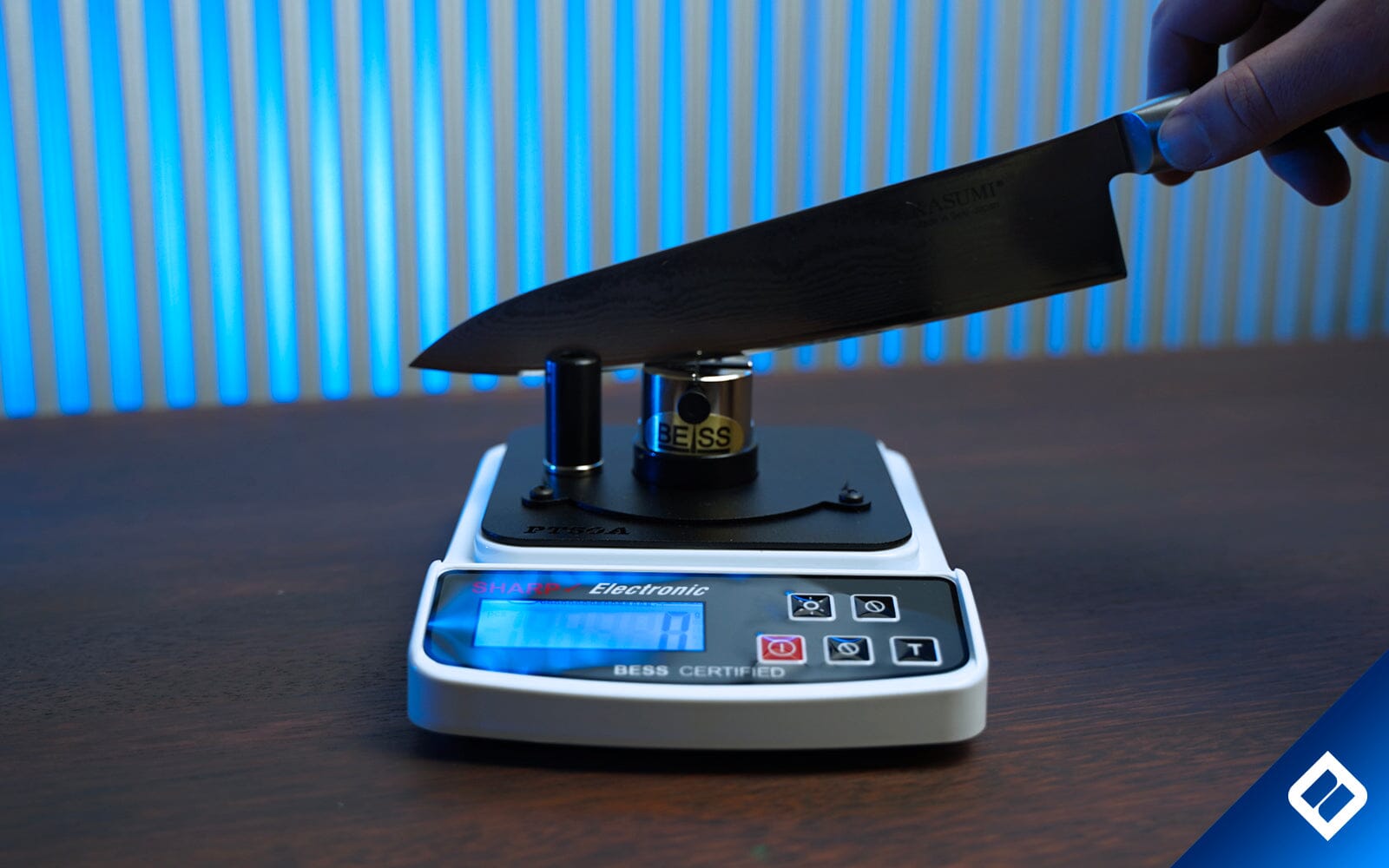
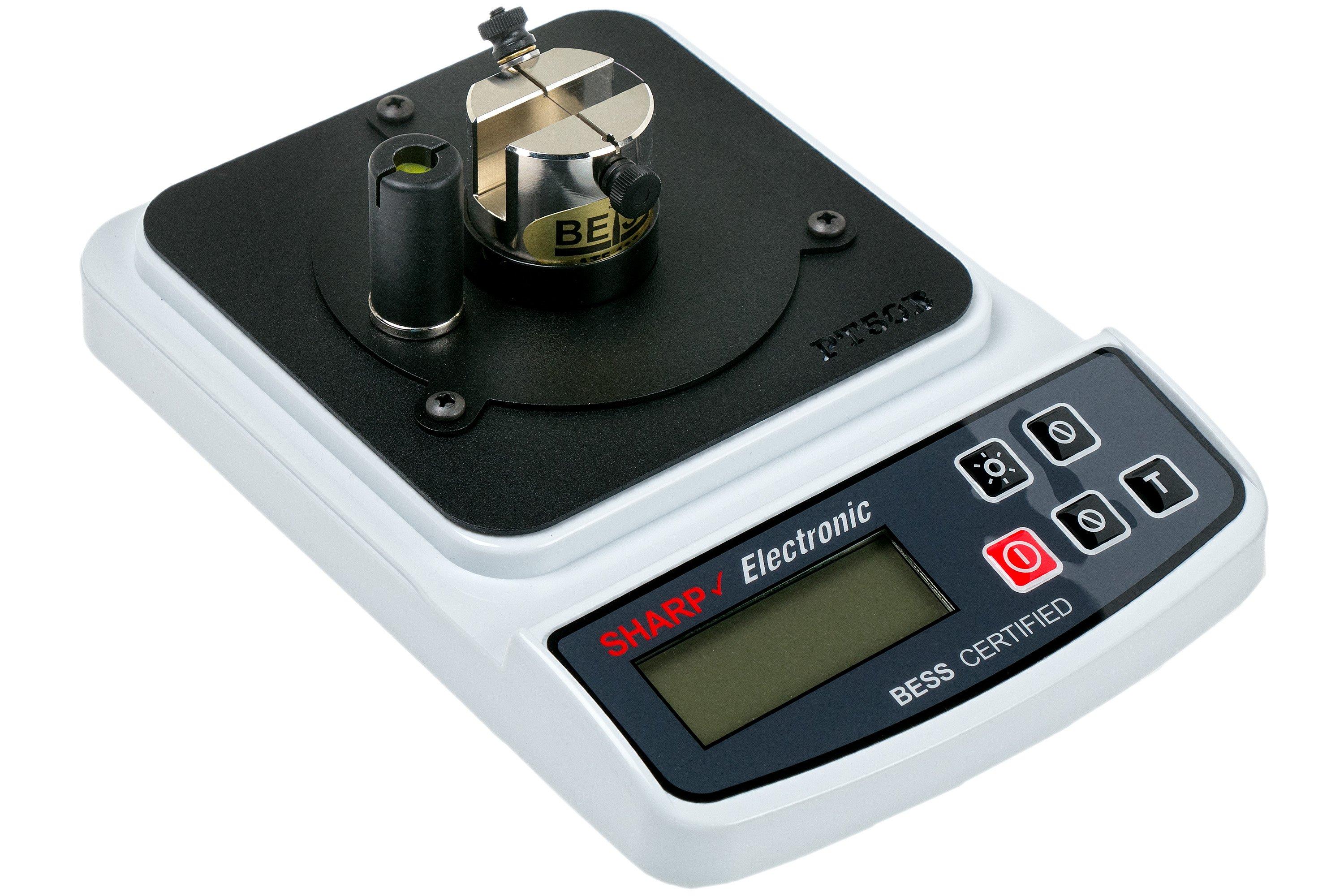
- Force gauge or pro tester. For precise measurements by serious hobbyists or shops.
Key indicators to watch for
- Burr. A thin wire of metal on one side shows the edge reached a full bevel.
- Bite. How well the edge catches into soft material.
- Smoothness. Whether a cut is even or ragged.
- Edge geometry. A consistent bevel means a steady edge.
Limitations and common mistakes when you learn how to test knife sharpness
Tests are not perfect. Paper can lie if you use low-quality paper. Serrated edges often pass paper tests when dull between teeth. Hair tests can give false confidence for kitchen tasks. Over-testing can dull a fine edge. Never push the edge into hard materials to test sharpness. That risks chips and injury.
When to seek professional testing or sharpening
If the edge has big chips, a rolled tip, or uneven bevels, take the knife to a pro. Professional shops can measure edge angle and perform regrinds. If you need repeatable force data, a pro uses tools that give real numbers. For most home cooks, simple tests and a strop or stone are enough.
Personal experience and tips from the field
I sharpened and tested knives for friends and restaurants. Early on I used only the paper test. I missed small chips. I learned to pair paper with a loupe and a tomato test. That combo saved time and prevented food tears. My tips: test before and after sharpening, and always prioritize safety. A quick thumb check taught me to stop when the edge felt risky.

Practical maintenance routine after you learn how to test knife sharpness
Keep this simple routine.
- Wipe and dry your knife each use.
- Hone weekly with a steel or ceramic rod.
- Strop after major sharpening sessions.
- Test with paper and tomato before serving.
- Send complex edges to a pro once a year or when damaged.
This routine keeps edges reliable and reduces the need for frequent full sharpening.
Frequently Asked Questions of how to test knife sharpness
What is the safest quick test for sharpness?
The paper test is the safest quick check. It keeps the blade away from your body and shows slicing ability without skin contact.
Can I test sharpness by touching the edge?
Avoid touching the edge with your finger. Use a thumbnail or cut-resistant glove for close checks. Direct finger contact risks cuts and is not recommended.
How often should I test my knife sharpness?
Test before any important prep or once a week for heavy users. Frequent light checks catch dulling early and keep performance steady.
Will the paper test work on serrated knives?
Not reliably. Serrated knives cut paper differently. Use a rope or real food test to judge serrated edges.
Does a sharp knife reduce accidents?
Yes. A sharp knife cuts with less force. Less force means less slip risk. Keep edges sharp and use proper technique.
Conclusion
Regular checks keep knives safe and effective. Learn how to test knife sharpness with simple steps: paper, tomato, a gentle thumbnail check, and a quick slice test. Use a loupe or marker for more detail. Test before key meals and after sharpening. Take blades to a pro if you see chips or big problems. Put these checks into your routine to save time, reduce waste, and prevent accidents. Try the paper and tomato test today, and share your results or questions below to keep improving your skills.
Maliha Khatun has spent 5 years hands-on testing Japanese knives for everyday home cooks. She has evaluated over 60 blades across nakiri, santoku, gyuto, and petty categories — scoring each on edge retention, steel quality, handle comfort, and value for money. She writes to help home cooks buy the right knife without the guesswork.
Expertise:Japanese Knives • Vegetable Knives • Product Reviews • Kitchen Efficiency • Knife Care
Leave a Reply