Remove the burr by stropping or light deburring strokes until the wire edge disappears.
I have sharpened knives, chisels, and tools for over a decade. I will show clear, tested steps on how to remove burr while sharpening so your edge is clean, strong, and safe. This guide breaks down what a burr is, how to find it, and several reliable methods to remove it. Follow these simple actions and learn from real experience to get repeatable results.
Understanding the burr: what it is and why it matters
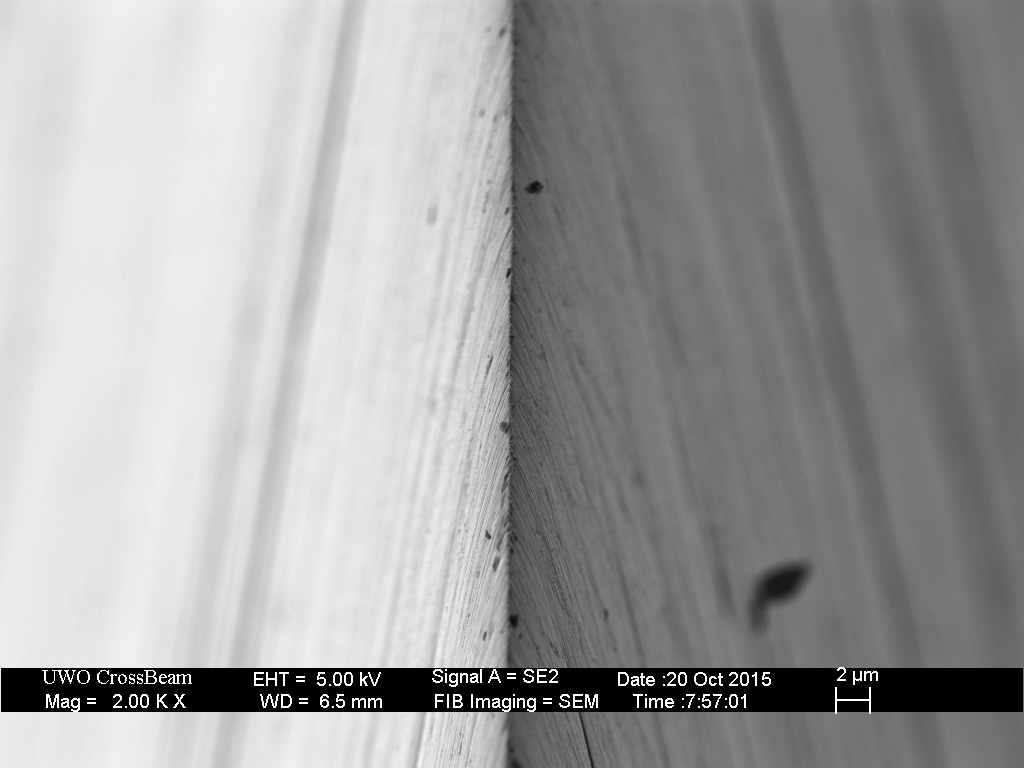
A burr is a thin wire of metal that forms on the opposite side of a cutting edge during sharpening. It is a byproduct of metal being pushed over the apex. Removing the burr is essential because a burr can tear, fold, or fall off during use. Learning how to remove burr while sharpening improves cut quality, edge life, and safety.

How to detect the burr quickly
Run a fingertip lightly across—not along—the blade to feel for a hooked wire. Use the thumbnail test: press the nail at a low angle across the edge to catch the burr. Shine a light along the edge to look for a thin reflective wire. Knowing how to remove burr while sharpening starts with consistent detection after each grit pass.

Step-by-step: how to remove burr while sharpening
- Make progressive grit passes
- Move from coarse to fine stones. Stop after each grit and check for a burr.
- Flip and count strokes or match the burr side
- Use equal strokes on both sides or work until a burr forms and then flip to remove it.
- Deburr with light strokes on the stone
- Use 5 to 20 lighter strokes on the opposing face at the same angle to relieve the burr.
- Strop to finish
- Use a leather strop or compound. Pull the edge away from the strop. Do many light passes until no burr remains.
- Final check
- Use the thumbnail or paper test to confirm the burr is gone. If you still feel a wire, repeat the light deburring strokes and strop again.
Knowing how to remove burr while sharpening means you build that thin wire deliberately and then remove it with control.
Techniques and tools for removing the burr
- Stones
- Use fine stones for final deburring with light, controlled strokes.
- Ceramic rods or hones
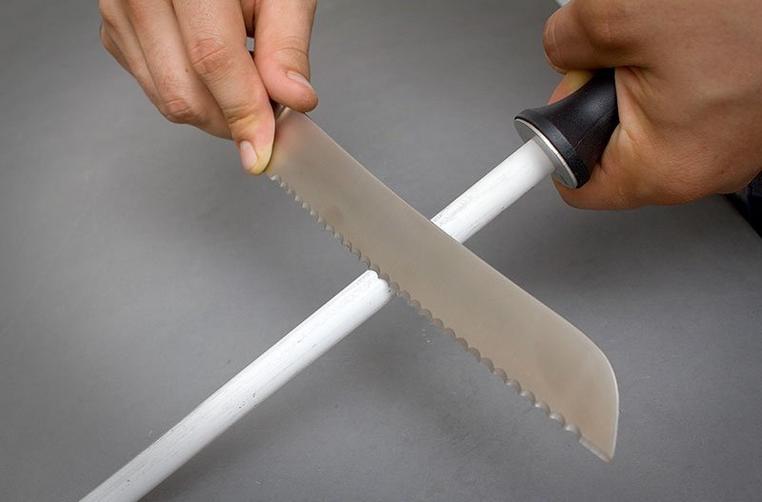
- A few light strokes on a ceramic rod can lift and remove a burr.
- Leather strop with compound
- Strops polish and remove the last micro-burr for a keen edge.
- Sandpaper on flat glass (scary-good budget strop)
- Use 800–1200 grit sandpaper glued to glass as a finishing strop.
- Micro-bevel and back-steeling
- Create a micro-bevel and then remove the burr with light back-steel strokes.
Each tool fits different needs. Practicing how to remove burr while sharpening with each tool builds skill and confidence.
- Create a micro-bevel and then remove the burr with light back-steel strokes.

Common mistakes and how to avoid them
- Overworking one side
- This makes uneven bevels and hard-to-remove burrs. Balance strokes.
- Pressing too hard on final grits
- Heavy pressure buries the burr and makes removal harder. Use light pressure.
- Skipping the burr check
- Always confirm the burr before moving to finer grit.
- Relying only on stropping too early
- Stropping before lifting or forming a proper burr can leave a weak edge. Learn how to remove burr while sharpening by forming and then removing it.
- Using poor strop technique
- Pull away from the edge, not toward it, to avoid cutting the leather.

Personal tips from my sharpening work
I learned to trust small tactile cues. Early in my work, I erased burrs by stropping too aggressively. That left edges that rolled in use. Now I spend two minutes on light deburring strokes before stropping. For kitchen knives I use 10 matched strokes on the backside after a burr forms. For chisels I use a leather strop with a tiny amount of compound and ten slow pulls. These habits show you how to remove burr while sharpening reliably.

Testing the edge and signs the burr is gone
- Paper test
- Slice paper. A clean slice signals a removed burr. If the blade snags, a burr may still be present.
- Thumb feel at a low angle
- No hooked wire should be felt across the edge.
- Cutting performance in use
- A properly deburred edge cuts cleanly and lasts longer.
Confirming that you know how to remove burr while sharpening means the tool behaves predictably in real work.
- A properly deburred edge cuts cleanly and lasts longer.

Advanced options: power tools and assisted methods
- Belt grinders and slow speed belts
- Use light passes and finish with a stone or strop to remove micro-burrs.
- Honing guides and jigs
- Guides help maintain angle and make burr control repeatable.
- Ultrasonic or vibratory finishing (industrial)
- These remove burrs at scale but are not typical for home sharpening.
Even with power tools, the principle is the same: form the burr, then remove it. Keep safety in mind.
- These remove burrs at scale but are not typical for home sharpening.

Frequently Asked Questions of how to remove burr while sharpening
How long should I strop to remove the burr?
Strop until you feel no wire left on the edge, usually 10 to 30 light passes. Use light pressure and pull the blade away from the leather.
Can I remove the burr with only a stone?
Yes. Use light, controlled strokes on the fine stone and check with a thumbnail. Finish with a few extra light strokes to lift the burr off.
Is a burr bad for knives?
A burr is normal during sharpening. It is not bad if you remove it properly. Leaving it can cause a weak edge or tearing.
How do I know I formed a burr correctly?
You will feel a consistent wire along the entire edge with a fingertip or nail. If the burr is patchy, repeat matched strokes until it is continuous.
Will stropping remove a large burr?
Stropping removes small, flexible burrs and polishes the edge. For a large burr, reduce it first on a fine stone then strop to finish.
Is there a risk of shortening blade life by removing the burr?
No. Proper burr removal improves blade life. Removing the burr prevents the edge from folding or chipping in use.
What pressure should I use to remove a burr?
Use light pressure on the finishing grit and strop. Heavy pressure can create a new burr or damage the edge.
Conclusion
Mastering how to remove burr while sharpening is a simple step that changes edge quality and reliability. Form a consistent burr, remove it with light deburring strokes, and finish with stropping for a keen, durable edge. Practice the steps, pay attention to feel, and keep tools sharp and safe. Try these methods on a known tool, note the results, and refine your technique. If you found this useful, try the steps on a single blade today, leave a comment with your experience, or subscribe for more sharpening tips.

Maliha Khatun has spent 5 years hands-on testing Japanese knives for everyday home cooks. She has evaluated over 60 blades across nakiri, santoku, gyuto, and petty categories — scoring each on edge retention, steel quality, handle comfort, and value for money. She writes to help home cooks buy the right knife without the guesswork.
Expertise:Japanese Knives • Vegetable Knives • Product Reviews • Kitchen Efficiency • Knife Care
Leave a Reply