Choose the right knife size for the job: paring 3–4", utility 5–6", chef 8–10".
I’ve spent years testing blades in home and pro kitchens. This knife size guide gives clear, practical advice so you pick the right blade for each task. You will learn sizes, uses, fit, safety, maintenance, and real-world tips I learned the hard way. Read on to make confident, lasting choices about your knives.

Why knife size matters
Knife size affects efficiency, control, and safety. A blade that is too long or too short makes tasks harder. The right size helps you cut faster and with less risk of slipping.
This knife size guide helps match blade length to tasks and hand size. It also explains how size influences balance and sharpening needs. Knowing this saves time and money.

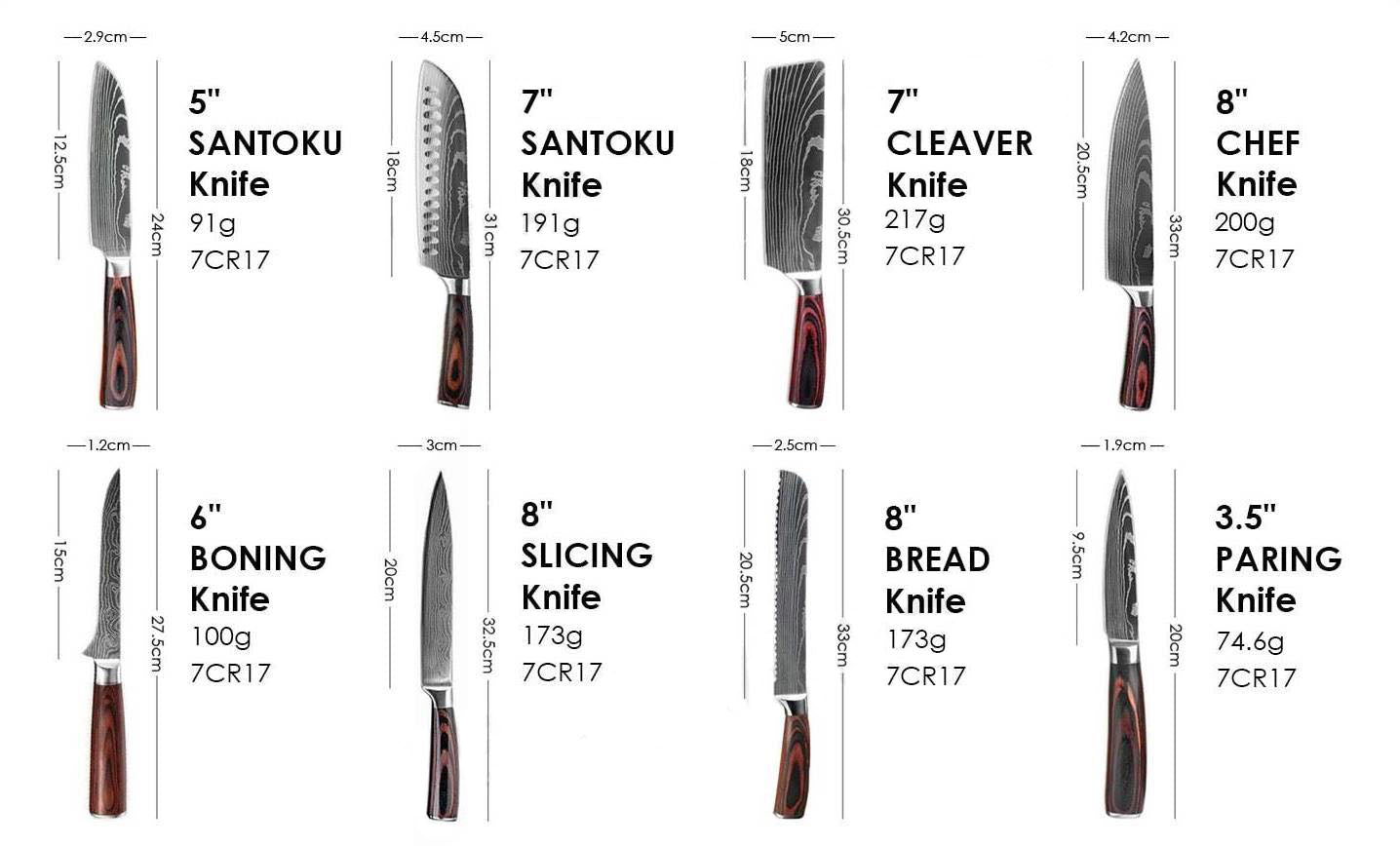
Common knife sizes and uses
Below are common blade lengths and what they do best. Use this part of the knife size guide to find the right tool fast.
- 2.5–4 inch (paring knife)
- Best for peeling, trimming, and small precision cuts. Easy to control with one hand.
- 5–6 inch (utility knife)
- Good for sandwiches, small fruits, and light prep. A handy middle option.
- 6–7 inch (boning or small chef)
- Useful for filleting fish and trimming meat. Offers more reach than a paring knife.
- 7–9 inch (santoku, chef’s knife)
- Ideal for most kitchen tasks: chopping, dicing, and slicing. An 8-inch chef’s is the common choice.
- 8–10 inch (bread or large chef’s)
- Bread knives and large chef knives give long, even cuts and handle big produce.
- 10+ inch (cleaver, slicing)
- For heavy-duty chopping, but not precise work. Use with care and proper technique.
This knife size guide shows why having two or three sizes covers most needs. A paring knife and an 8-inch chef’s knife solve most kitchen jobs.

How to choose knife size for different tasks
Match blade length to the job. Short blades give control. Long blades give reach and speed.
Consider these factors:
- Task type
- Use short blades for fruits and small work. Use longer blades for roasts and large vegetables.
- Cutting surface
- A long blade needs a long board. Short blades work on small boards.
- Hand size and strength
- Small hands often prefer 6–8 inch blades. Larger hands may prefer 8–10 inch blades.
- Storage and transport
- Travel cooks may prefer foldable or smaller knives.
People also ask
What size knife should a beginner buy?
Choose a mid-size chef’s knife around 8 inches and a small paring knife. They cover most tasks and are easy to learn with.
Is a bigger knife always better?
No. Bigger knives give reach but reduce control for small tasks. Choose size by task, not size alone.
Can one knife do it all?
A good 8-inch chef’s can do most work, but a paring and bread knife fill key gaps. A simple set of three is ideal.

How to test fit and balance
A knife must feel right in your hand. Test grip, reach, and balance before buying.
- Grip test
- Hold the handle with your normal cutting grip. The bolster should sit near your thumb and index finger.
- Reach test
- With the blade down, your fingertips should reach the food without stretching.
- Balance test
- Rest the knife on your finger at the handle-blade junction. A balanced knife feels steady and doesn’t tip forward or back.
Try the knife in real motions. Push cut a tomato or chop an onion to feel control. This practical test is the most reliable part of any knife size guide.

Maintenance, storage, and safety by size
Different sizes need different care. Longer blades need longer stones and cases. Smaller blades need careful storage to avoid bending.
- Sharpening
- Short blades sharpen faster on small stones. Long blades need longer stones or pull-through systems.
- Storage
- Use a block, magnetic strip, or blade guards. Match storage to blade length to prevent damage.
- Safety
- Always cut on a stable board. Use the right size so you don’t overreach or crowd your fingers.
Follow manufacturer care instructions for the blade steel and handle. Proper care keeps any knife sized right for many years.
My personal experience and practical tips
I started with a large 10-inch chef’s. It felt impressive but slowed down fine work. Switching to an 8-inch chef’s and a 3.5-inch paring changed my prep speed and reduced wrist strain.
Lessons learned:
- Buy the right tool, not the biggest tool.
- Test knives in motion, not just in your hand.
- Keep two core sizes: one chef’s and one paring. Add a serrated for bread.
A useful rule: if a task needs more than two comfortable strokes, consider a larger blade. If you lose control when slicing, try a smaller blade. These simple checks keep you safe and efficient.

Frequently Asked Questions of knife size guide
What is the ideal chef knife size for home cooks?
Most home cooks prefer an 8-inch chef knife. It balances control, reach, and ease of use for common tasks.
Are smaller knives easier to sharpen?
Yes. Smaller blades often fit more sharpening tools and take less time to maintain. However, long blades require consistent technique to keep an even edge.
How many knife sizes should a beginner buy?
Start with two knives: an 8-inch chef’s and a 3–4 inch paring knife. Add a serrated or utility knife later if needed.
Does blade length affect safety?
Yes. A blade that is too long can be harder to control and increase accident risk. Choose a size that matches your hand size and the task.
Can one size fit all cooking styles?
No. While an 8-inch chef’s covers most tasks, specialty jobs like filleting or heavy chopping benefit from dedicated sizes.
Conclusion
Choosing the right knife size improves speed, control, and safety. Use this knife size guide to pick sizes based on tasks, hand fit, and care needs. Start with an 8-inch chef’s and a small paring knife, test blades before buying, and maintain them properly. Try these tips in your next meal prep. Share your experience, ask questions, or subscribe for more practical cooking and gear advice.
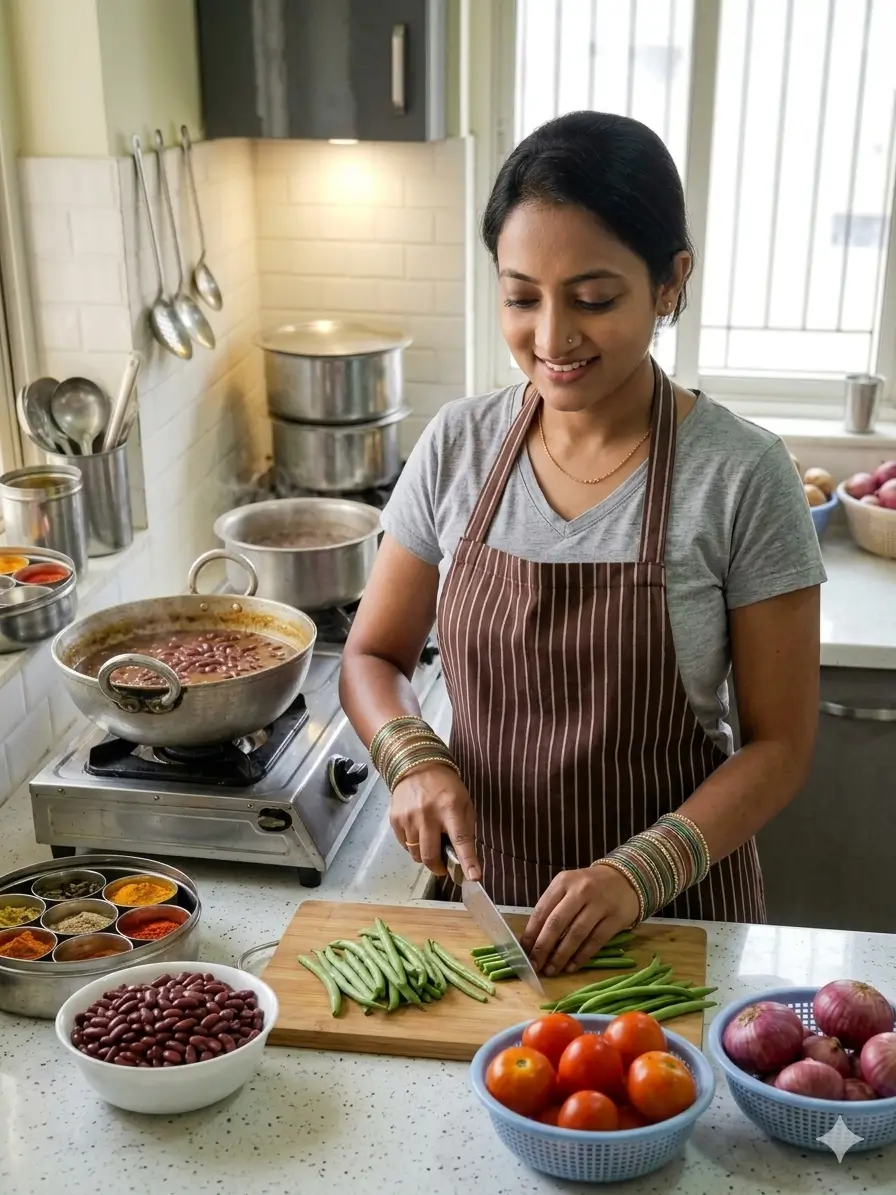
Maliha Khatun has spent 5 years hands-on testing Japanese knives for everyday home cooks. She has evaluated over 60 blades across nakiri, santoku, gyuto, and petty categories — scoring each on edge retention, steel quality, handle comfort, and value for money. She writes to help home cooks buy the right knife without the guesswork.
Expertise:Japanese Knives • Vegetable Knives • Product Reviews • Kitchen Efficiency • Knife Care
Leave a Reply