Use a soaked 1000/6000 grit waterstone, hold ~15° per side, and finish with a strop.
I’ve sharpened dozens of Japanese knives, including many bunka knives, and I’ll walk you through a reliable, detailed process so you can learn exactly how to sharpen bunka knife safely and effectively. This guide explains the bunka’s edge geometry, the best tools to use, step-by-step sharpening on waterstones, finishing and maintenance tips, common mistakes, and my hands-on lessons learned. Read on and you’ll gain the confidence to restore a razor edge to your bunka and keep it sharp for everyday kitchen work.

Why sharpening a bunka knife matters
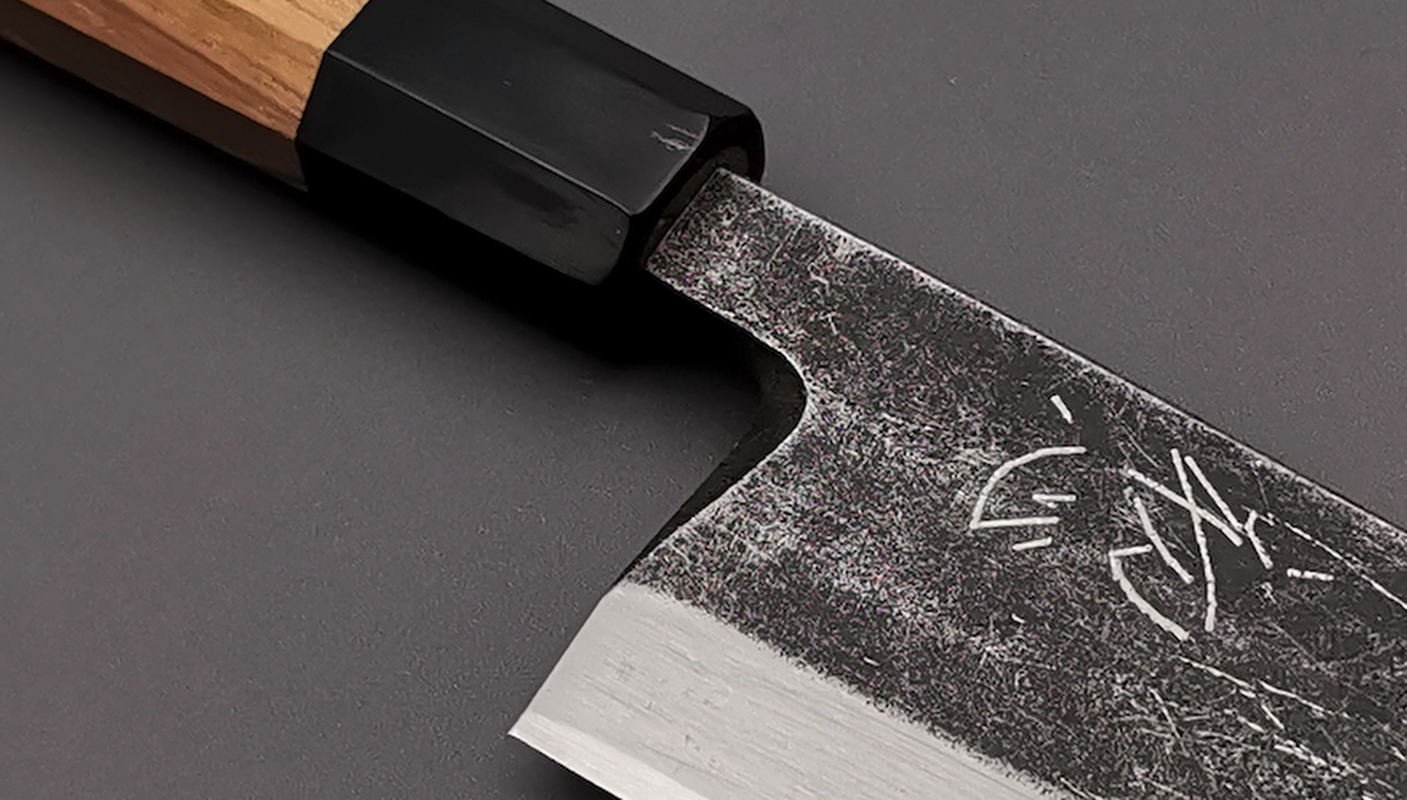
A bunka knife blends a pointed tip with a flat belly and thin blade. It is designed for precise chopping, slicing, and pick-and-cut tasks. Keeping the edge sharp preserves performance, reduces effort, and improves safety. Dull knives slip and force you to apply more pressure, which leads to accidents and poor cuts. Learning how to sharpen bunka knife restores the original edge angle and extends blade life.

Tools you’ll need to sharpen a bunka knife
Use proper tools to get consistent results. Here’s what I recommend from experience:
- Soaked waterstones
- 1000 grit for shaping and sharpening.
- 3000–6000 grit for refining the edge.
- 8000+ grit optional for a mirror finish.
- Flattening plate or coarse diamond lapping plate to keep stones flat.
- Leather strop and polishing compound for a razor finish.
- A towel or rubber mat to stabilize stones.
- A marker to check bevel angle and wear.
- Safety gloves if you prefer extra hand protection.

Step-by-step sharpening guide: how to sharpen bunka knife
Follow these clear, repeatable steps. Keep motions slow and controlled. I sharpen most bunkas at roughly 15 degrees per side unless the blade is thin and benefits from 12–14 degrees.
- Prepare and flatten stones
- Soak waterstones as recommended. Dry stones can chip edges.
- Check flatness with a straight edge and lap if needed.
- Inspect the blade
- Run a marker along the edge to see wear.
- Look for chips, roll, or heavy dulling.
- Set and test the angle
- Aim for 12–20 degrees per side. Typical bunka: 14–16°.
- Practice the angle on the spine of the knife with your thumb or use an angle guide.
- Coarse grit pass (1000 grit)
- Place the heel on the stone and push the edge away from you in a sweeping motion, covering heel to tip.
- Maintain angle and count strokes. Use light even pressure on the push stroke and less on the return.
- Repeat on the other side until a consistent burr forms along the full edge.
- Remove burr and refine (3000–6000 grit)
- Move to a finer stone and repeat balanced strokes. The burr will get smaller.
- Use fewer strokes per side at higher grits to polish the edge.
- Polish and strop
- Use a leather strop with light compound. Pull the spine-first across the strop to remove the last burr.
- Alternate sides and check sharpness often.
- Test edge safely
- Slice a sheet of paper or a tomato to test. The bunka should slice cleanly without tearing.
I repeat this sequence when I teach sharpening to friends. It’s reliable for most double-bevel bunka knives. If the knife has heavy damage, start with a coarser grit or use a grinder carefully.

Honing vs sharpening vs stropping — what each does
Many people confuse these steps. Clear roles make maintenance easier.
- Honing
- Realigns a rolled edge without removing significant metal. Use a fine ceramic rod or honing steel.
- Sharpening
- Removes metal to recreate an edge. Done on stones or sharpening systems.
- Stropping
- Polishes and removes the last burr for a razor finish. Use leather and compound.
Knowing how to sharpen bunka knife also means knowing when to hone instead of sharpening. Hone frequently. Sharpen less often.

Angle, bevels, and bunka-specific tips
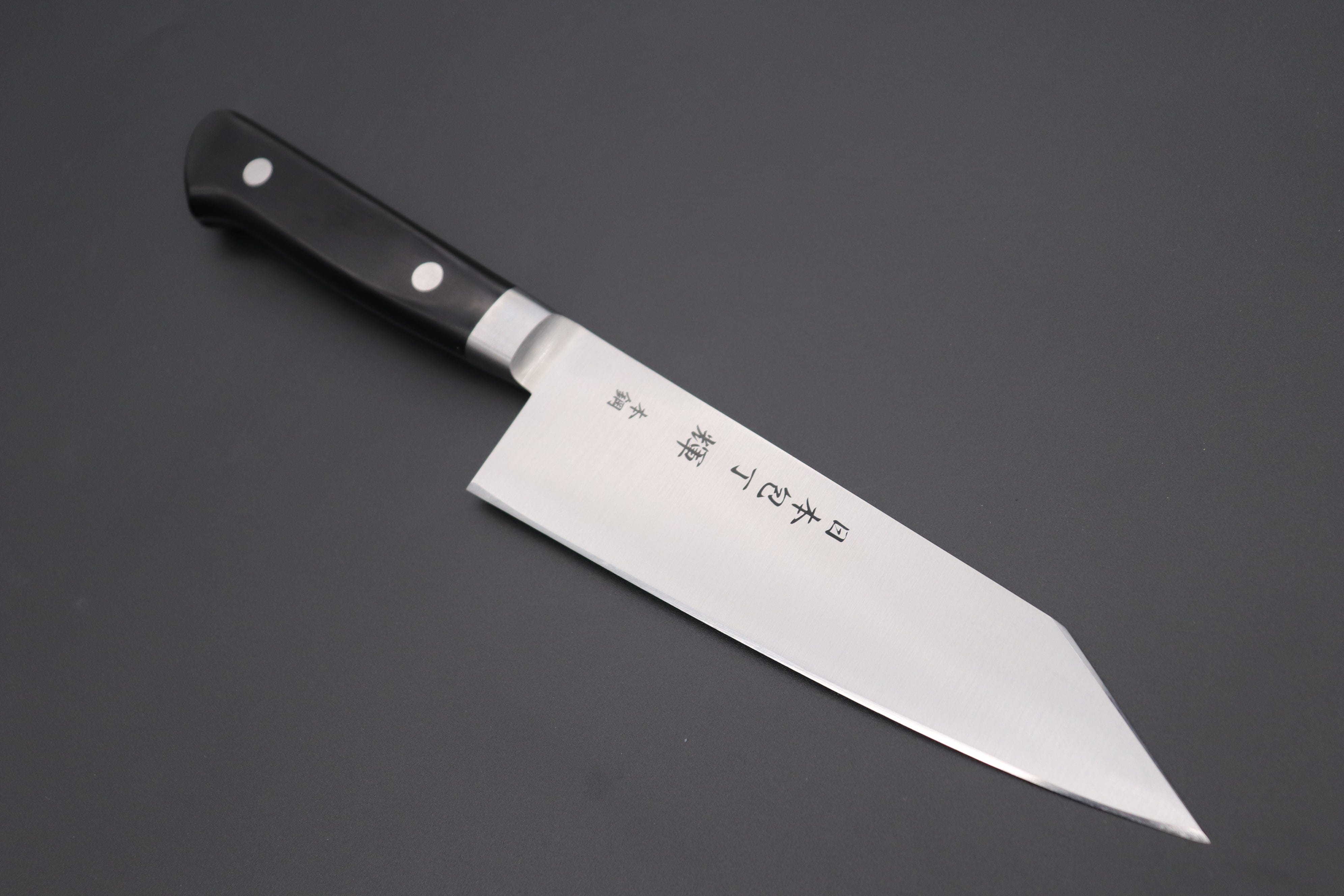
Bunka blades often have a triangular tip and a relatively flat, thin edge. Respect these traits:
- Angle
- Keep it around 14–16° per side for balance between sharpness and durability.
- Stroke pattern
- Use a slightly flatter stroke near the tip to preserve the bunka’s k-tip geometry.
- Pressure
- Use more pressure for coarse grit, lighter pressure for fine grits.
- Edge profile
- If your bunka has a slight convex grind, preserve it by using smooth, slightly rounded strokes.
These small adjustments make a big difference in how the knife performs after sharpening.

Common mistakes and how to avoid them
Avoid these frequent errors I’ve seen and made early on:
- Mistake: Using an uneven stone
- Fix: Flatten stones regularly with a lapping plate.
- Mistake: Inconsistent angle
- Fix: Use an angle guide or practice on the spine and check with a marker.
- Mistake: Skipping burr formation
- Fix: Don’t rush the coarse pass. A clean burr signals you’ve reached the edge.
- Mistake: Excessive pressure at fine grits
- Fix: Lighten pressure to polish instead of cutting metal.
- Mistake: Not cleaning the stone and strop
- Fix: Wipe stones and refresh compound to prevent cross-contamination.
These corrections will save time and keep your bunka knife healthy.
Maintenance schedule and care for a bunka knife
A regular routine keeps your blade sharp longer and reduces the need to learn how to sharpen bunka knife frequently.
- Daily
- Hone lightly with ceramic rod after heavy use.
- Wipe dry and store properly.
- Weekly
- Stropping after several uses or when slicing soft foods becomes less effortless.
- Monthly or as needed
- Perform a light sharpening on a 3000–6000 grit stone if the knife slowly dulls.
- Annually or with heavy wear
- Reprofile or sharpen on 1000 grit if the edge is damaged or very dull.
Proper storage and cutting surface choices also matter. Use wood or plastic boards and avoid glass or stone.
My personal experiences and lessons learned
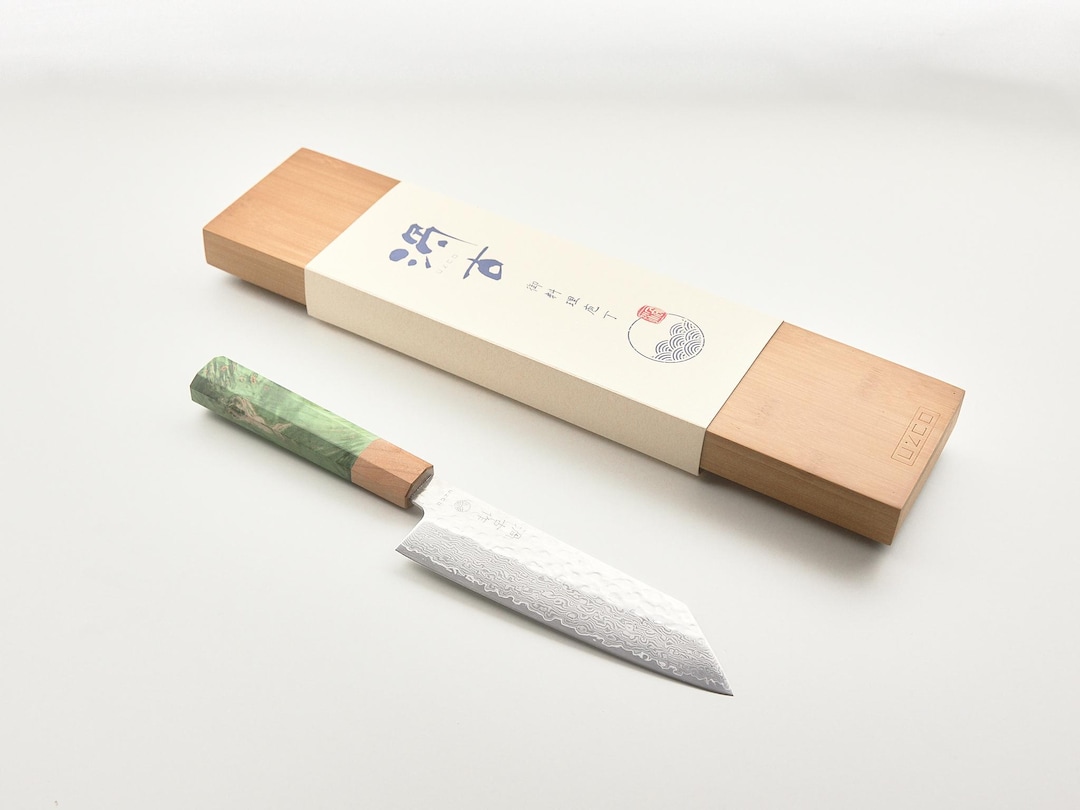
I sharpened my first bunka years ago and made classic mistakes. I used too coarse a grinder and lost edge geometry. Since then I switched to stones and a strop. My bunka now holds a consistent edge and slices tomatoes without crushing them. Key lessons:
- Invest time in flattening stones. It pays off.
- Learn to feel the burr; it’s the best indicator you reached the edge.
- Start slow. Rushed sharpening ruins an edge.
These practical tips come from repeated sharpening sessions and teaching others how to sharpen bunka knife.
Safety tips when sharpening
Safety keeps your hands and knives in good shape.
- Always sharpen away from your body.
- Keep fingers clear of the edge path.
- Use a stable base for stones.
- Wear cut-resistant gloves if uncertain.
- Take breaks to stay focused and consistent.
Frequently Asked Questions of how to sharpen bunka knife
How often should I sharpen my bunka knife?
Sharpen only when honing and stropping no longer restore the edge. For regular home use, a light sharpening every 3–6 months is common.
Can I use a pull-through sharpener on a bunka?
You can, but pull-through sharpeners risk changing the edge angle and removing metal unevenly. Waterstones give better control and results.
What angle is best for a bunka knife?
Aim for about 14–16 degrees per side on most double-bevel bunkas. Thinner blades may take 12–14 degrees for sharper slicing.
Will sharpening remove a lot of metal from my bunka?
Proper sharpening removes minimal metal when done correctly. Heavy regrinds or incorrect angles remove more. Use finer grits for maintenance.
Can I sharpen a bunka at home without experience?
Yes. Start with a 1000/3000 or 1000/6000 waterstone, practice angle control, and follow step-by-step routines. Take your time and practice on older knives first.
Conclusion
Sharpening a bunka knife is a practical skill that pays off in better cuts, safer work, and longer blade life. Follow a steady routine: flatten stones, set a consistent angle around 14–16°, create a burr on 1000 grit, refine on finer stones, and finish with a strop. Practice, patience, and small adjustments make the difference. Try these steps on your next sharpening session, and share your results or questions below to keep improving your technique.
Maliha Khatun has spent 5 years hands-on testing Japanese knives for everyday home cooks. She has evaluated over 60 blades across nakiri, santoku, gyuto, and petty categories — scoring each on edge retention, steel quality, handle comfort, and value for money. She writes to help home cooks buy the right knife without the guesswork.
Expertise:Japanese Knives • Vegetable Knives • Product Reviews • Kitchen Efficiency • Knife Care
Leave a Reply