Modern Japanese knives blend tradition and modern engineering for precise, long-lasting cutting tools.
I have worked with professional kitchens and tested dozens of modern japanese knives over years. This guide explains what makes modern japanese knives unique, how they are made, and how to choose and care for them. Expect clear recommendations, practical tips from real-world use, and concise comparisons to help you pick the right knife. Read on to gain a confident, expert view of modern japanese knives and how they can change your cooking.
What are modern Japanese knives?
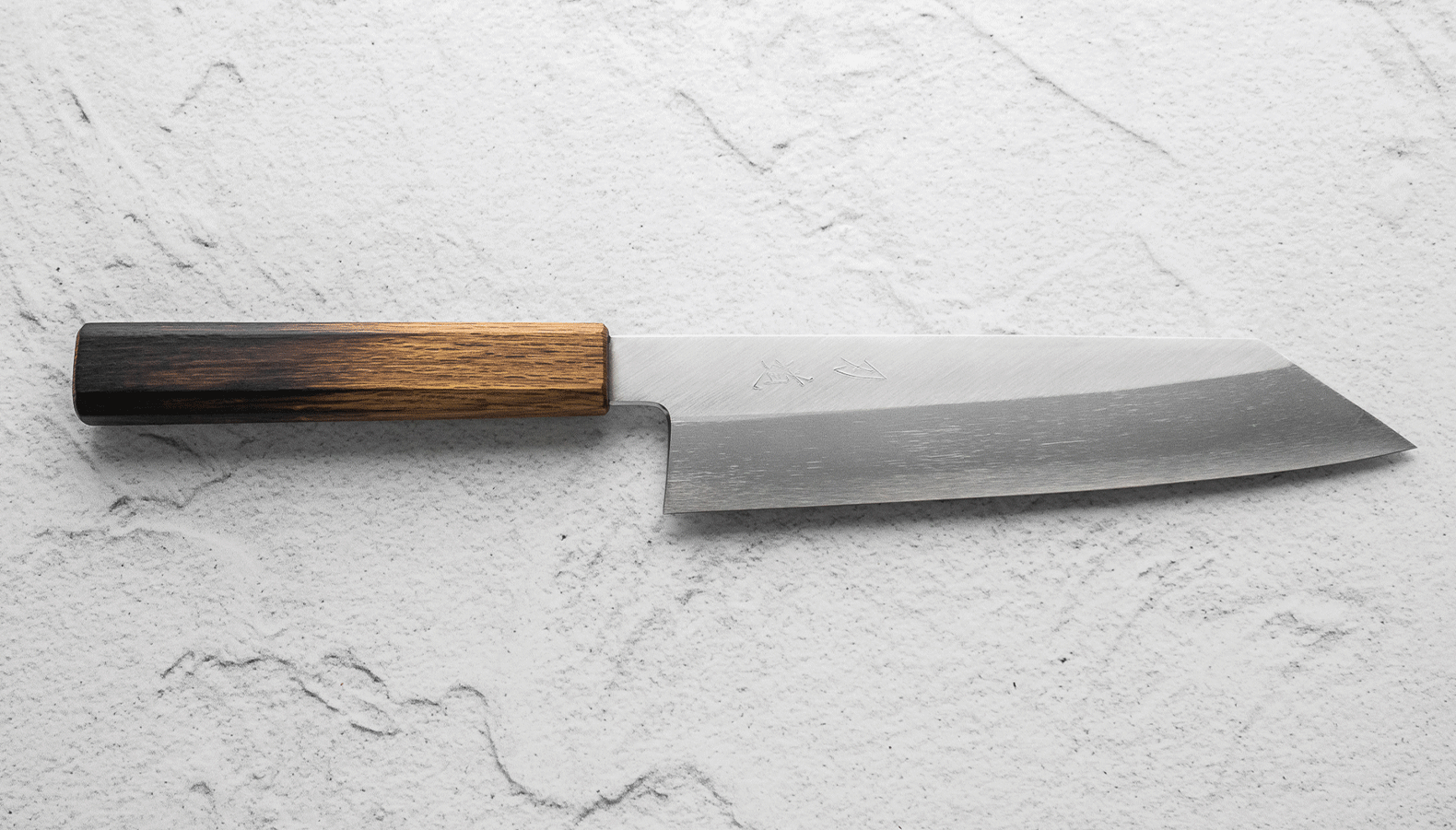
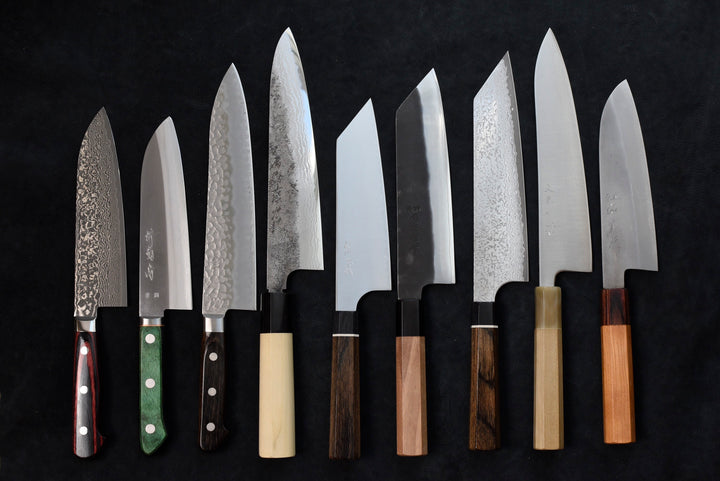
Modern japanese knives are contemporary blades that combine centuries-old Japanese blade-making with new steels and modern design. They keep classic shapes like gyuto, santoku, and yanagiba while using high-performance steels and refined edge geometry. Makers focus on thin, acute edges for precise cuts and on ergonomics for long kitchen sessions. The result is a knife family that offers sharpness, control, and beauty in one tool.
Key types and styles
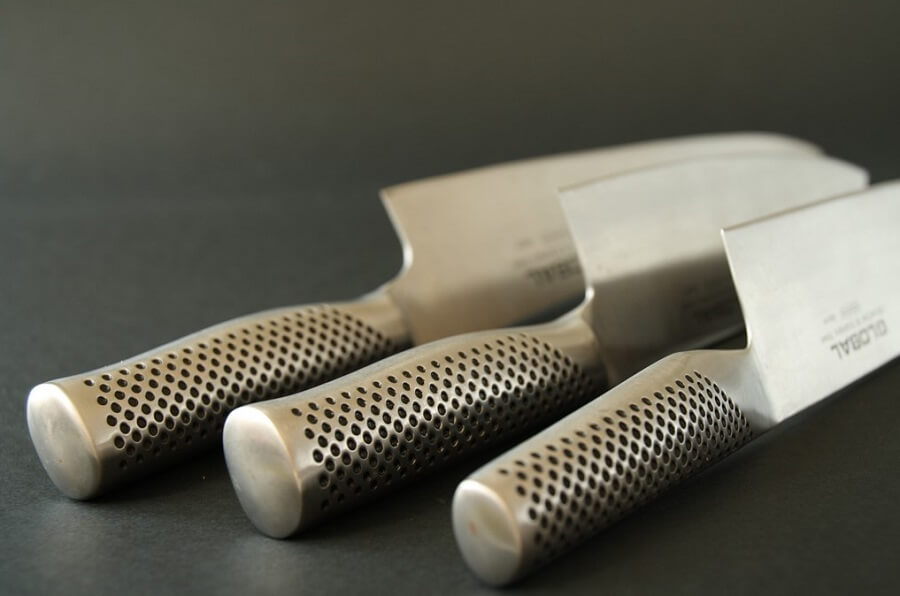
Understanding styles helps you match a knife to tasks and skills. Common modern japanese knives include:
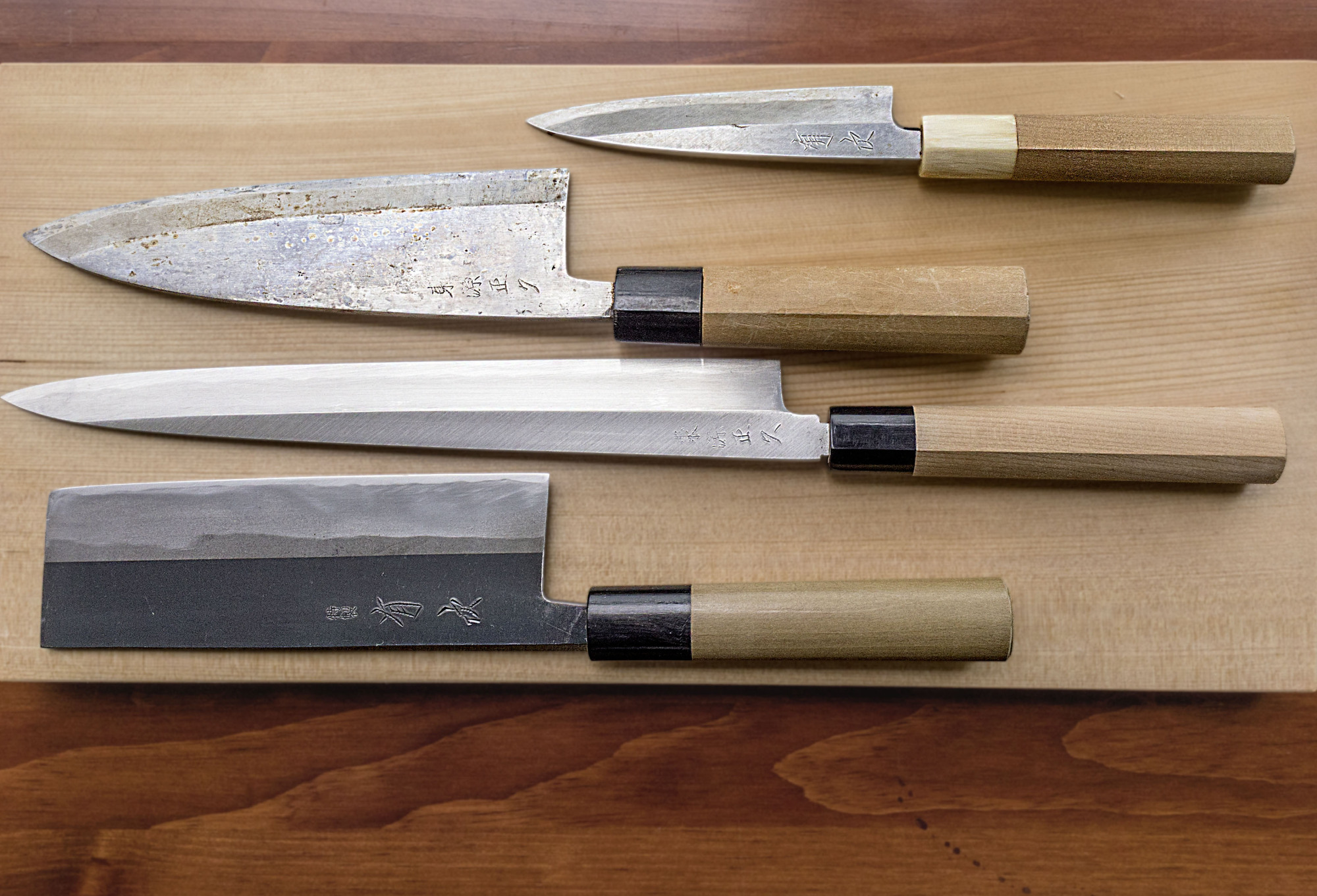
- Gyuto: A multipurpose chef's knife for slicing, dicing, and chopping.
- Santoku: Shorter, flatter profile for push-cutting and home cooks.
- Nakiri: Square blade tailored for vegetables and thin slicing.
- Yanagiba: Long, single-bevel slicer for fish and precise fillets.
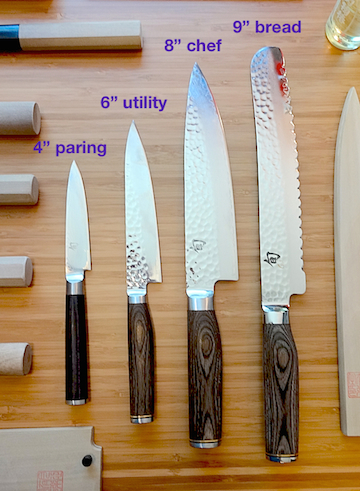
- Petty: Small utility knife for trimming and small prep.
Each of these modern japanese knives has variations for left- or right-handed users, double- or single-bevel edges, and different spine thicknesses. Choose a style that matches your cooking habits and blade maintenance willingness.
Steel types and blade construction
Modern japanese knives use a range of steels and constructions to balance sharpness, durability, and ease of sharpening. Typical choices include:
- High-carbon stainless steels: Offer corrosion resistance and can take a very sharp edge.
- Powder metallurgy steels: Provide excellent edge retention and toughness.
- Carbon steels: Extremely sharp and easy to sharpen, but require more care against rust.
- San-mai and damascus: Layered constructions that combine a hard core with softer cladding for strength and aesthetics.
Blade hardness (measured by HRC) for modern japanese knives often ranges from about 59 to 66. Higher HRC equals better edge retention but more careful handling. Choose a steel that fits your sharpening routine and patience with rust prevention.

Blade geometry and performance
Blade geometry defines how a knife cuts. Modern japanese knives favor thin, acute bevels and narrow blade faces for low resistance and clean slices. Common geometries include:
- Double-bevel: Symmetrical edges for versatile use.
- Single-bevel: Extremely precise, favored for sushi and professional filleting.
- V-grind and convex grinds: Influence food release and durability.
A sharp, thin edge excels at slicing and precision work but may chip under heavy twisting. Modern japanese knives often use micro-bevels or secondary edges to boost durability while keeping performance high.

Handle materials and ergonomics
Handle design matters for comfort and control. Modern japanese knives pair traditional wa (octagonal or D-shaped) handles with modern western handles. Materials include:
- Pakkawood and stabilized wood: Durable and water-resistant.
- Micarta and composite resins: Stable and low-maintenance.
- Traditional magnolia or rosewood: Classic look but require care.
Ergonomics should match your grip style. I prefer wa-style handles for balance and lightness during long prep. Try a knife in hand before buying when possible to avoid fatigue.
Care and maintenance for longevity
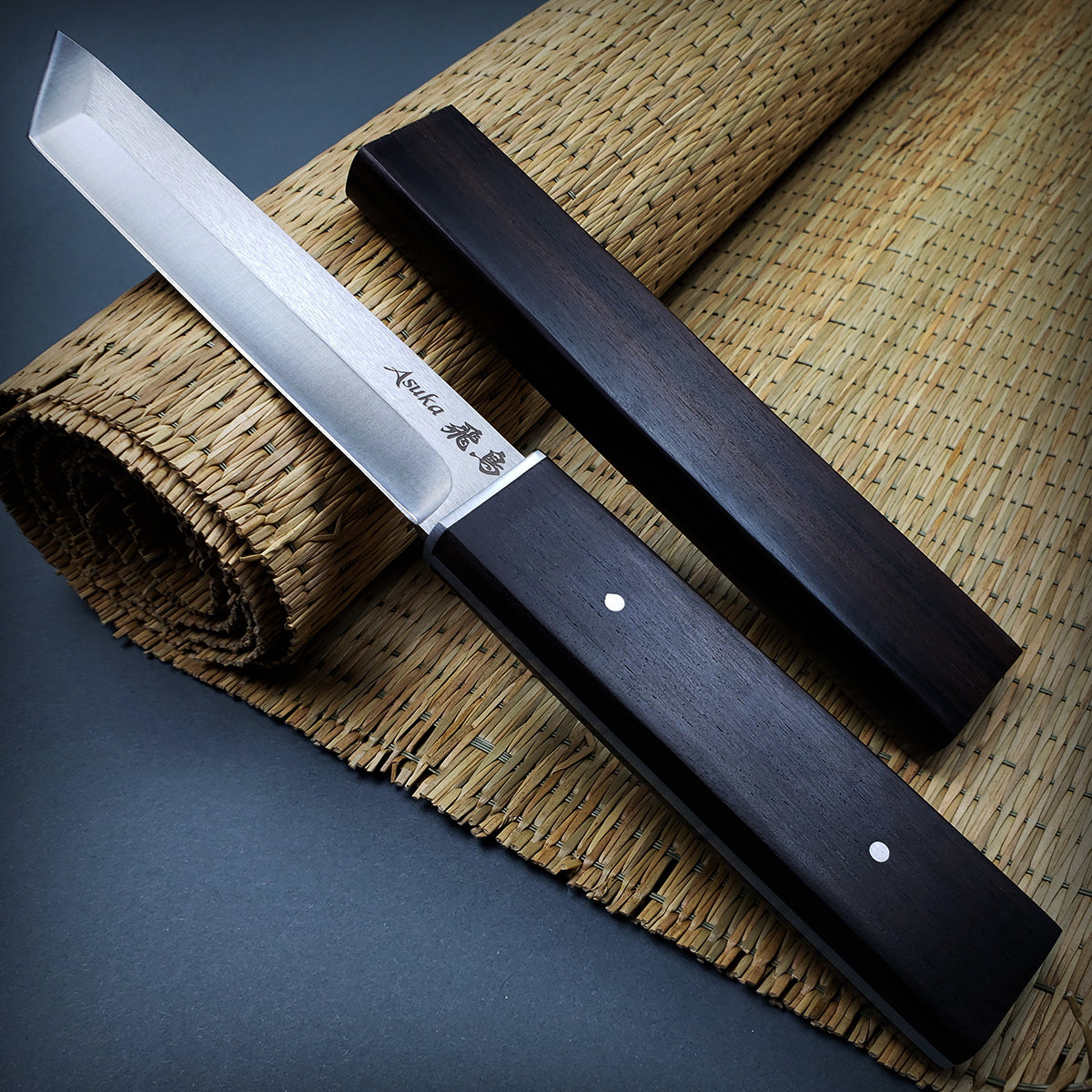
Caring for modern japanese knives keeps them sharp and safe. Follow these steps:
- Hand wash and dry immediately to prevent corrosion.
- Use a soft cutting board like wood or high-quality plastic to protect edges.
- Hone regularly and sharpen when needed using whetstones suitable for the steel.
- Store in a knife block, magnetic strip, or blade guard to avoid nicks.
Avoid dishwashers and aggressive scrubbing. Proper care extends edge life and protects the knife’s finish.

How to choose the right modern Japanese knife
Selecting the right modern japanese knives depends on cuisine, technique, and budget. Consider:
- Primary tasks: Choose gyuto or santoku for all-around work, nakiri for vegetables, yanagiba for sashimi.
- Maintenance level: Pick stainless variants for low upkeep; carbon for top sharpness if you can maintain it.
- Handle fit: Comfort matters more than looks.
- Budget: Decide between entry-level modern japanese knives and custom or hand-forged options.
Try to own two knives: a multipurpose gyuto or santoku and a petty or nakiri for specialty work. This covers most home cooking without overwhelming your drawer.
People also ask
Are modern Japanese knives better than Western knives?
Modern japanese knives excel at precision, thin slicing, and acute edges; Western knives often offer thicker spines and more durability for heavy-duty tasks. The right choice depends on your cutting style and maintenance willingness.
How often should I sharpen a modern Japanese knife?
Hone before each use and sharpen on a whetstone when you notice reduced performance, typically every few months for regular home use. High-end steels retain edges longer and need less frequent sharpening.
Can modern Japanese knives go in the dishwasher?
No. Dishwashers can dull the blade, damage the handle, and cause corrosion. Always hand wash and dry immediately for best results.
Buying guide and price ranges
Price reflects materials, maker skill, and finish. Typical ranges:
- Entry-level: Affordable stainless modern japanese knives suitable for beginners.
- Mid-range: Better steels and fit with improved edge retention.
- Premium: Hand-forged blades and high-performance steels, often with artisan finishing.
Expect to pay more for specialized steels, hand-finishing, or custom handles. Balance cost against how much time you spend cooking and sharpening. A well-chosen modern japanese knife is an investment that pays off every meal.
Personal experience and practical tips
I have tested dozens of modern japanese knives in home kitchens and professional settings. My practical takeaways include:
- Start with a gyuto or santoku to learn technique before investing in specialty blades.
- Use a 1000–3000 grit whetstone to re-profile and a 6000–8000 grit stone for polishing.
- Avoid cutting frozen foods or bones with thin-edged modern japanese knives to prevent chipping.
- Keep a consistent angle when sharpening; I use a 15-degree guide for many modern japanese knives.
These simple habits preserved edge life and improved cut quality in daily use. Treat the knife like an extension of your hands for best results.
Common mistakes and how to avoid them
Many users make the same mistakes when buying or using modern japanese knives. Avoid these pitfalls:
- Buying solely on looks: Test weight and balance first.
- Using the wrong board: Hard surfaces shorten edge life.
- Neglecting sharpening: Dull knives are less safe and less precise.
- Ignoring steel choice: Pick one that fits your willingness to clean and sharpen.
Learning a little sharpening and basic maintenance saves money and improves performance.
Frequently Asked Questions of modern japanese knives
What is the difference between gyuto and santoku?
The gyuto is a Japanese chef's knife with a slightly curved edge suited for rocking cuts. The santoku is shorter with a flatter profile, ideal for push cuts and daily home cooking.
Are modern Japanese knives hard to sharpen?
They can be more demanding due to harder steels, but they sharpen predictably with whetstones and basic technique. Invest in a coarse and a fine stone to maintain them properly.
Should I choose a single-bevel or double-bevel knife?
Single-bevel blades offer extreme precision for specific tasks like sushi. Double-bevel knives are more versatile and easier for most cooks to maintain.
How long will a modern Japanese knife stay sharp?
Edge life depends on steel and use; high-end steels can stay sharp for weeks with normal home use. Regular honing extends that interval significantly.
Can I use a modern Japanese knife for boning or cutting bones?
No. Thin, acute modern japanese knives are not designed for bones and can chip. Use a sturdy boning or cleaver-style knife for bones and heavy tasks.
Conclusion
Modern japanese knives offer unmatched slicing precision, elegant design, and a range of steels and styles to suit cooks at every level. With sensible care and the right choices, modern japanese knives can transform your prep work and make cooking more precise and joyful. Start with a versatile knife, learn basic sharpening, and treat your blade well to enjoy years of performance. Explore the styles, try knives in hand, and share your experiences or questions below to continue the conversation.
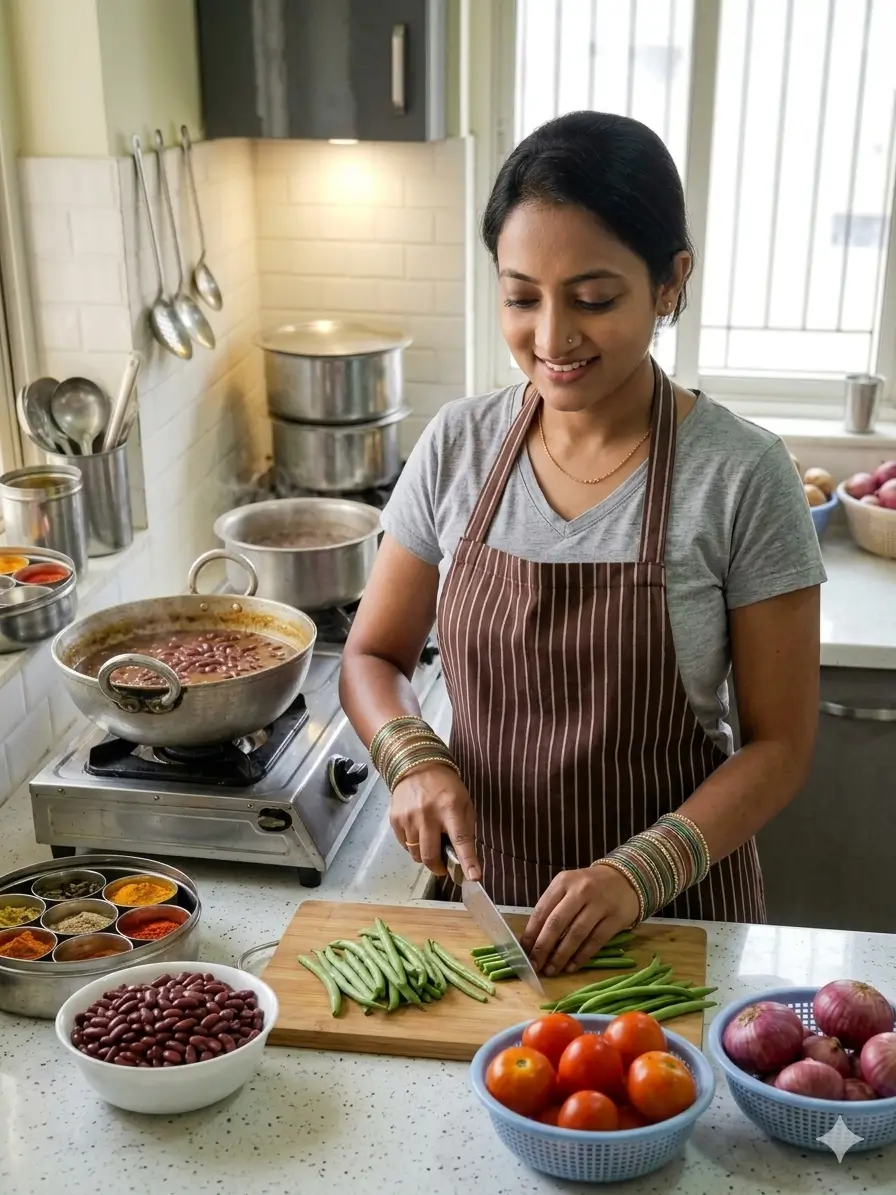
Maliha Khatun has spent 5 years hands-on testing Japanese knives for everyday home cooks. She has evaluated over 60 blades across nakiri, santoku, gyuto, and petty categories — scoring each on edge retention, steel quality, handle comfort, and value for money. She writes to help home cooks buy the right knife without the guesswork.
Expertise:Japanese Knives • Vegetable Knives • Product Reviews • Kitchen Efficiency • Knife Care
Leave a Reply