Knife thickness shapes performance: thinner for slicing, thicker for strength and chopping.
I’ve spent years testing blades in kitchens and workshops, and this knife thickness guide will give you clear, practical answers about blade thickness. You’ll learn how thickness affects cutting, which ranges suit each task, how to measure thickness at home, and how to choose the right blade for your needs. Read on for hands-on tips, real examples, and a simple decision flow to pick the best blade thickness for any job.

What knife thickness means and why it matters
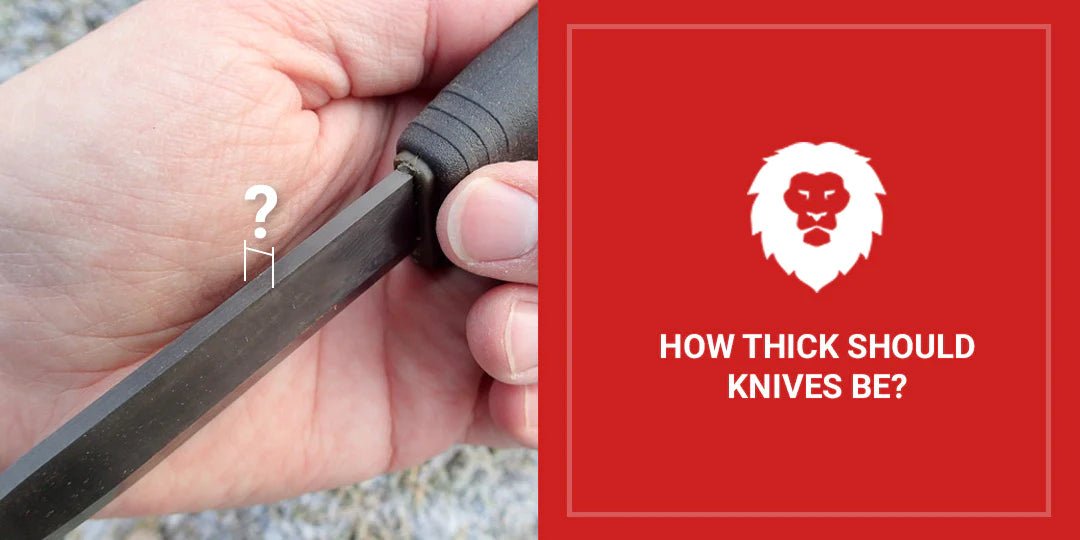
Knife thickness refers to the blade’s cross-section, usually measured at the spine near the heel. It is expressed in millimeters (mm) or inches. Thickness is different from edge thinness; the spine thickness affects strength, stiffness, food release, and how the blade moves through food.
Why thickness matters
- A thin blade slices cleanly and resists tearing.
- A thick blade resists bending and can handle heavy work.
- Thickness influences the grind, edge angle, and how often you sharpen.
My experience testing blades taught me that small differences in mm change feel and performance a lot. That’s why this knife thickness guide focuses on real numbers and clear use cases.

How to measure knife thickness accurately
Measuring thickness is simple if you have the right tools. Use a caliper or micrometer for best accuracy.
Steps to measure
- Find the heel: measure at the spine just above the handle. This is the standard spot.
- Use a caliper: close the jaws gently and read the mm value.
- Check other spots: measure middle and near the tip to detect taper.
- Measure edge thickness separately if needed: use a microscope or feeler gauge for micro-bevels.
Tips
- Digital calipers are affordable and precise to 0.01 mm.
- Record three readings: heel, mid-blade, tip. Note whether the blade has a distal taper.
- When comparing knives, ensure you measure the same spot on each blade.

Typical thickness ranges by knife type
This knife thickness guide lists common ranges to help you choose.
- Paring knife: 1.5–2.5 mm — precise cuts, low force.
- Utility knife: 2.0–3.0 mm — versatile, everyday tasks.
- Chef’s knife (Western): 2.5–3.5 mm — balance of chop and slice.
- Santoku: 2.0–3.0 mm — thin for slicing and scooping.
- Nakiri: 1.8–2.8 mm — thin, good for clean veg cuts.
- Boning knife: 1.5–2.5 mm — flexible for bones and joints.
- Fillet knife: 1.0–2.0 mm — very thin, flexible, precision filleting.
- Cleaver: 4.0–8.0 mm — heavy, high strength for chopping bones.
- Outdoor/Survival knives: 3.0–6.0 mm — sturdy and durable.
- Pocket knives: 2.0–4.0 mm — varies by use and carry.
These ranges are guidelines. Steel type, heat treatment, and grind also change how a blade feels and performs.
How thickness affects cutting performance
Understanding trade-offs makes choosing simple. Thickness influences four main traits.
- Cutting ability
- Thin blades slice with less drag.
- Thick blades push food apart and may tear softer items.
- Strength and durability
- Thick spines resist chips and bends.
- Thin spines are more prone to damage on hard use.
- Food release and drag
- Thicker blades create more suction and stick to food.
- Thin blades let food slide off easily.
- Flex and precision
– Thin blades flex more, which helps filleting and delicate work.- Stiff blades excel at chopping and heavy duty.
From my tests, a chef’s knife around 2.7–3.2 mm hits a sweet spot for most home cooks. For bread or tomatoes, thinner is better. For bones or heavy squash, thicker wins.
How to choose the right thickness for your needs
Use this simple decision flow from my real-world kitchen testing.
- Identify the primary task
- Slicing and fine prep: pick 1.0–2.5 mm.
- General prep and chopping: pick 2.5–3.5 mm.
- Heavy chopping and bone work: pick 4.0+ mm.
- Consider steel and edge angle
- Harder steels can be thinner with good edge retention.
- Softer steels need a bit more thickness to avoid rolling.
- Think about maintenance and skill
- Thin blades need frequent care and careful use.
- Thicker blades are more forgiving for beginners.
- Test balance and feel
- A thin blade can feel flimsy if the handle is heavy.
- Choose a blade that balances with your grip.
Practical example: If you cook veggies and fish daily, a 2.0–2.8 mm Santoku or chef’s knife in a harder steel is ideal. If you break down large bones, choose a cleaver at 5 mm or more.
Maintenance and sharpening tips by thickness
Thickness affects how you sharpen and care for blades.
Thin blades
- Use finer grits and light pressure.
- Avoid chopping on hard bones or frozen food.
- Hone often to maintain the edge.
Thicker blades
- Use coarser stones for initial bevel work.
- Keep a consistent angle when thinning the edge.
- Don’t over-thin the spine; preserve strength for heavy tasks.
General tips
- Use a guided sharpening jig if you’re new.
- Strop leather after honing for a razor edge.
- Avoid dishwashers and acidic soak; they harm steel and finish.
From my experience, beginners tend to over-thin a strong, thick blade. Preserve some spine until you’re comfortable with sharpening.

Buying and testing tips for the store or online
How to test blade thickness prospects quickly.
In-store testing
- Hold the knife and feel the balance.
- Look at spine thickness visually and compare mm ranges if listed.
- Try a simple slice test on paper to see drag.
Online buying
- Read specs: spine thickness at heel is often listed.
- Look for close-up photos of the edge and spine.
- Check maker notes on grind and steel hardness.
Watch for misleading claims. Some sellers emphasize edge geometry but omit spine thickness. If you can, ask for measurements or a short video of the blade slicing to judge real-world performance.

Common quick questions (PAA-style)
Q: Does thicker mean better for heavy work?
A: Yes. Thicker blades resist bending and handle heavy chopping and bone work better.
Q: Can a thin knife be durable?
A: Yes. With harder steel and proper heat treatment, a thin knife can keep an edge and resist damage.
Q: Will a thicker knife be harder to sharpen?
A: Slightly. Thicker blades may need more material removal when resharpening, but proper stones make it manageable.

Frequently Asked Questions of knife thickness guide
What is the best thickness for an all-purpose chef’s knife?
For most home cooks, 2.5–3.2 mm at the spine provides a balance of slicing and chopping. That range works well with common steels and edge angles.
How thin can a fillet knife be?
Fillet knives can be as thin as 1.0–1.5 mm to allow precise, flexible cuts. Very thin blades require careful handling.
Does blade thickness affect food sticking to the blade?
Yes. Thicker blades create more drag and can stick to food more often. Thin blades shed food more easily.
Should I worry about thickness when buying a pocket knife?
Yes. If you plan to use a pocket knife for heavy tasks, choose 3.0 mm or thicker. For light everyday carry, 2.0–3.0 mm is fine.
How does steel type change ideal thickness?
Harder steels allow thinner spines because they hold edge better. Softer steels need more thickness for durability and resistance to rolling.
Can I thin a thick knife to make it slice better?
Yes, but do it carefully. Thinning changes strength and grind. Only thin a blade if you understand edge geometry or consult a pro.
Conclusion
This knife thickness guide gives you clear steps to measure, compare, and pick blade thickness for any use. Use the ranges and rules above to match the knife to your cooking or work needs. Start by listing your main tasks, check the spine thickness at the heel, and balance that with steel and edge angle. Try one change at a time and learn how thickness alters feel and performance. If you found this useful, test a few blades, share your experience, or subscribe for more guides and tips on knives and care.
Maliha Khatun has spent 5 years hands-on testing Japanese knives for everyday home cooks. She has evaluated over 60 blades across nakiri, santoku, gyuto, and petty categories — scoring each on edge retention, steel quality, handle comfort, and value for money. She writes to help home cooks buy the right knife without the guesswork.
Expertise:Japanese Knives • Vegetable Knives • Product Reviews • Kitchen Efficiency • Knife Care
Leave a Reply