Choose blade length by task: short for detail, medium for kitchen, long for heavy work.
I have spent years testing blades and helping cooks, hunters, and everyday users pick the right knife. This knife length guide explains what blade sizes do best and why. You will learn how length affects control, cut style, safety, and legal limits. Read on to choose the perfect blade for your needs with confidence.

How to choose the right knife length
Choosing a blade starts with the task. A short blade gives control for fine work. A medium blade balances speed and reach. A long blade handles big cuts and heavy tasks.
Think about hand size and storage. A very long blade can feel awkward if your hand is small. Storage needs matter too; long blades need larger sheaths or blocks. Use this knife length guide to match length to use and comfort.
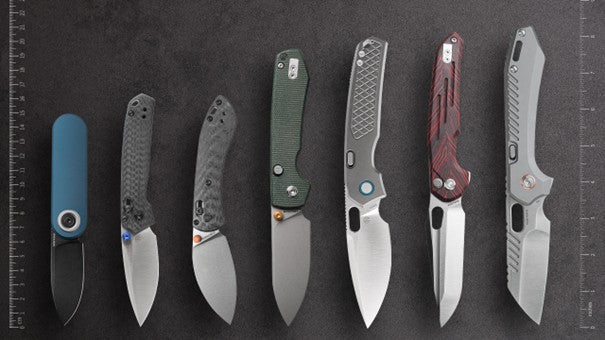
Common knife lengths and their uses
Different uses fit different lengths. Here are common sizes and where they shine.
2–3 inches
Used for small detail work. Ideal for peeling, carving small food, and precise cuts. EDC users like this for light chores.3.5–4.5 inches
A popular EDC length. Good for most daily tasks. It balances portability and cutting power.6–8 inches
Common in kitchens. Chefs use 6–8 inch blades for slicing, dicing, and chopping. It gives good reach and control.9–12 inches
For large kitchen or butcher tasks. Also used in some outdoor knives for batoning and heavy slices. Offers strong leverage.12+ inches
Specialized use. Typically for commercial or heavy outdoor work. Less common for everyday carry.
This knife length guide covers these sizes so you can match length to task and comfort.

Key factors that affect knife length choice
Several factors shape the best blade length for you. Consider these to make a smart pick.
Task type
Cutting, slicing, chopping, or precision work require different lengths. Match the blade to the primary task.Hand size and grip style
Smaller hands often prefer shorter blades for control. Larger hands may handle longer blades safely.Weight and balance
Blade length changes balance. Longer blades can feel blade-heavy. Pick a length that feels stable in your hand.Legal and safety limits
Local laws can restrict blade length for carry. Check rules before buying a longer blade.Storage and transport
Consider sheath size, kitchen block slots, or carry options for the chosen length.
This knife length guide helps you weigh these factors before you buy.
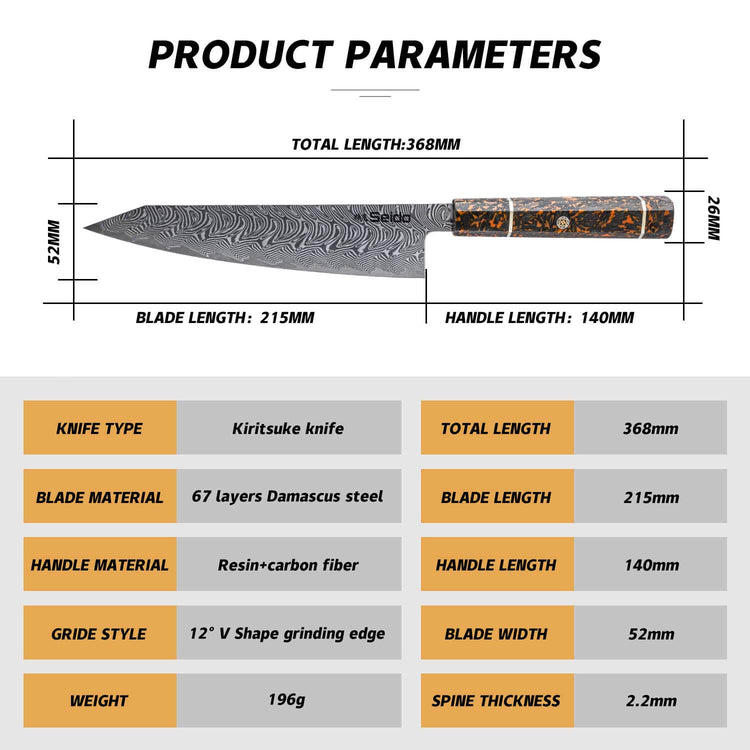
Knife length for specific tasks
Match length to purpose. Here are clear recommendations for common needs.
Kitchen prep
Use 6–8 inch chef knives for most tasks. Small paring knives of 2–4 inches handle detail work. Bread and carving knives can be 8–12 inches.Everyday carry (EDC)
Choose 3–4.5 inches for legal and practical carry. This length fits pockets and handles daily chores.Camping and bushcraft
Pick 4–6 inches for camp knives or 6–9 inches for heavy woodwork. Longer blades help with batoning.Hunting and field dressing
A 4–6 inch fixed blade is common for skinning and dressing. It gives control without excess weight.Tactical and survival
Many tactical knives range 6–9 inches. They offer reach and strength for demanding tasks.
Use this knife length guide to select the ideal blade for your day-to-day or specialty needs.
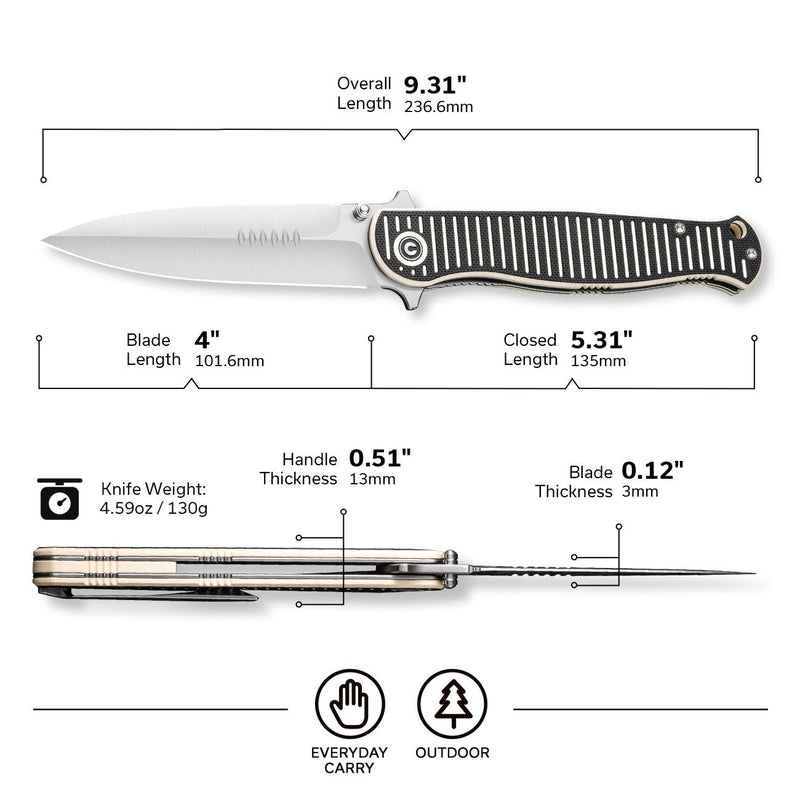
How to measure and test blade length
Measure from the blade tip to the point where the blade meets the handle. Many listings show this clearly. For folding knives, open the blade fully to measure.
Test length with real tasks. Try slicing a tomato, chopping herbs, or cutting rope. Pay attention to control, reach, and how your wrist feels. I recommend visiting a store to handle knives when possible. Field testing saves buyer’s regret and fits this knife length guide to real life.
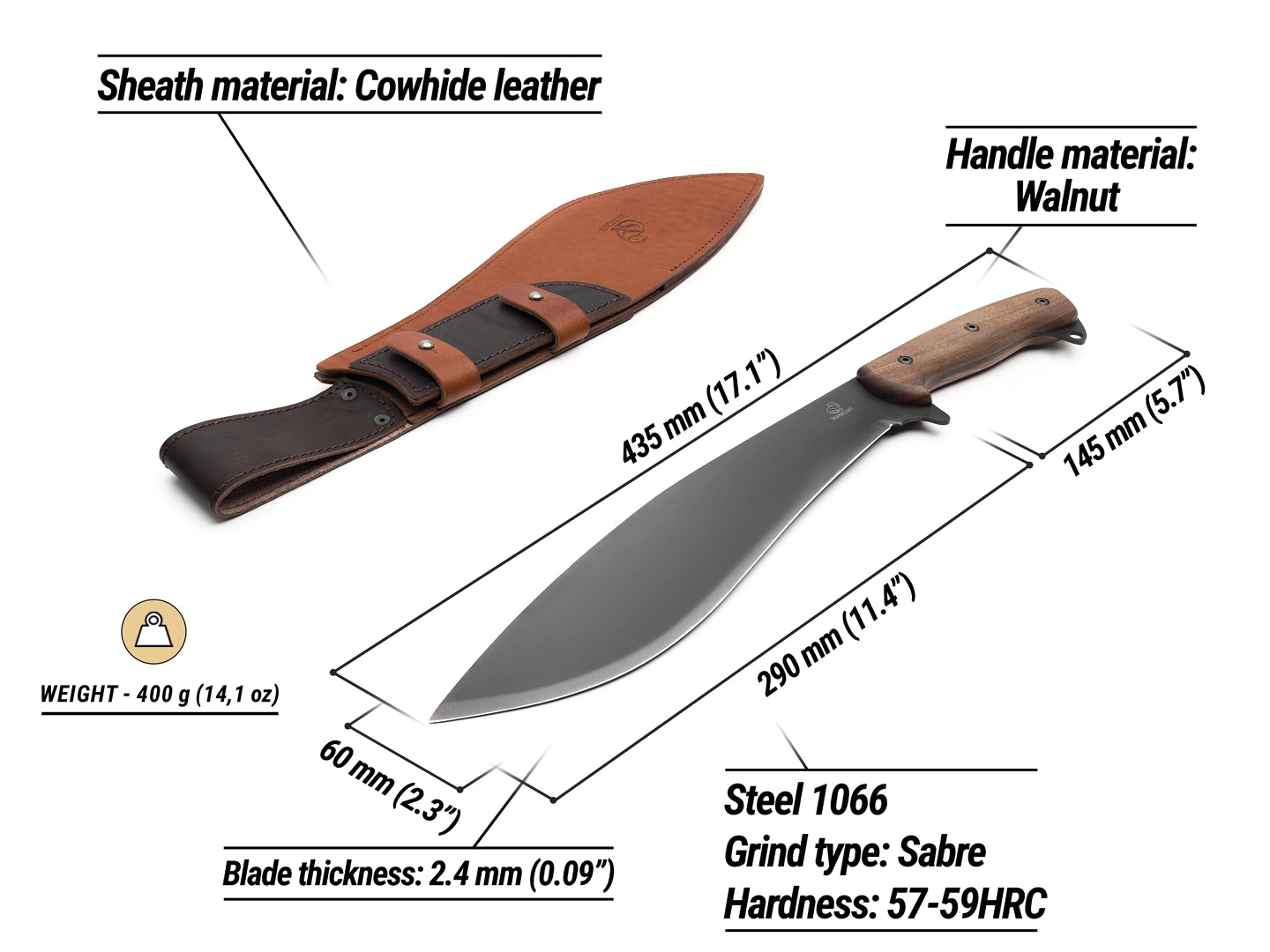
Maintenance, storage, and safety by length
Longer blades need different care and storage than short ones. Follow these practical steps.
Cleaning and sharpening
Use proper stones or systems sized to the blade. Longer blades require more even stropping to keep the edge straight.Storage options
Use blocks or wall racks for kitchen knives. Sheaths and MOLLE-compatible holders work for long outdoor knives. Short knives fit most drawers and pouches.Safe handling
Practice drawing and sheathing in a controlled way. Longer blades need more space when in use. Keep fingers clear of the edge and tip.
This knife length guide encourages safe habits and easy upkeep.

Personal experience and recommendations
I have used many blades for cooking, camping, and daily use. I learned a few simple truths. Short blades win for precision. Medium blades serve most kitchens and EDC needs well. Long blades only make sense for heavy or specialized tasks.
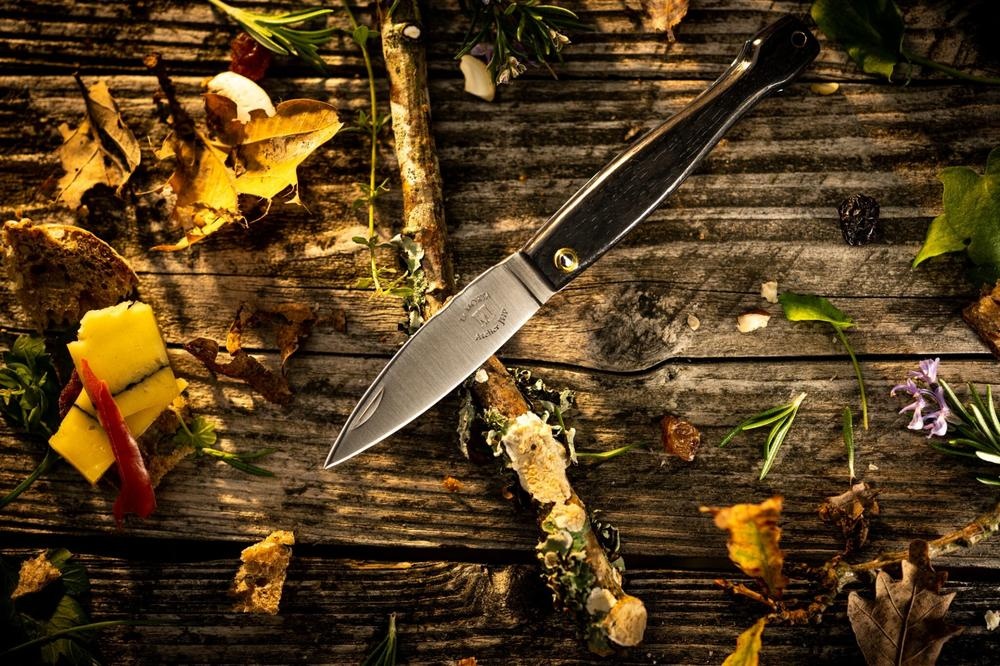
Mistakes I made include choosing a knife too long for kitchen prep and one too short for batoning. Those taught me to test sizes first. My go-to set: 3.5-inch EDC, 8-inch chef knife, and a 6-inch camp knife. This trio covers most needs and reflects this knife length guide in action.
Professional tips to avoid buyer regret
Follow these quick tips when choosing length.
Try before you buy
Handle the knife. Feel its balance and reach.Think of tasks first
Buy one main-use blade rather than one that tries to do everything.Check legal rules
Research local blade length restrictions before purchase.Consider multi-piece setups
A set with varied lengths often beats a single all-purpose blade.
These tips come from years of testing and match the advice in this knife length guide.

Frequently Asked Questions of knife length guide
What blade length is best for everyday carry?
For most people 3.5 to 4.5 inches is ideal. It balances utility, comfort, and legal carry in many places.
Is a longer knife better for chopping?
Longer blades can slice large items in fewer strokes. But they can be harder to control for fine work.
Can I use a chef’s knife for all kitchen tasks?
A chef’s knife covers most tasks well. For peeling or precision work, add a 3-4 inch paring knife.
How do I measure a folding knife blade?
Open the blade fully and measure from tip to where the blade meets the handle. That gives the real blade length.
Are there legal limits on knife length?
Many regions set limits for carrying knives. Check local laws before carrying a long blade.
Conclusion
Choosing the right blade length boils down to matching the knife to the task, your hand, and local rules. Short blades give control. Medium blades fit most jobs. Long blades serve heavy work. Test sizes, think about storage, and follow safety rules. Try one recommended length for daily use and add specialized blades as needed. Share your experience, ask questions below, or subscribe to learn more about knives and gear.
Maliha Khatun has spent 5 years hands-on testing Japanese knives for everyday home cooks. She has evaluated over 60 blades across nakiri, santoku, gyuto, and petty categories — scoring each on edge retention, steel quality, handle comfort, and value for money. She writes to help home cooks buy the right knife without the guesswork.
Expertise:Japanese Knives • Vegetable Knives • Product Reviews • Kitchen Efficiency • Knife Care
Leave a Reply