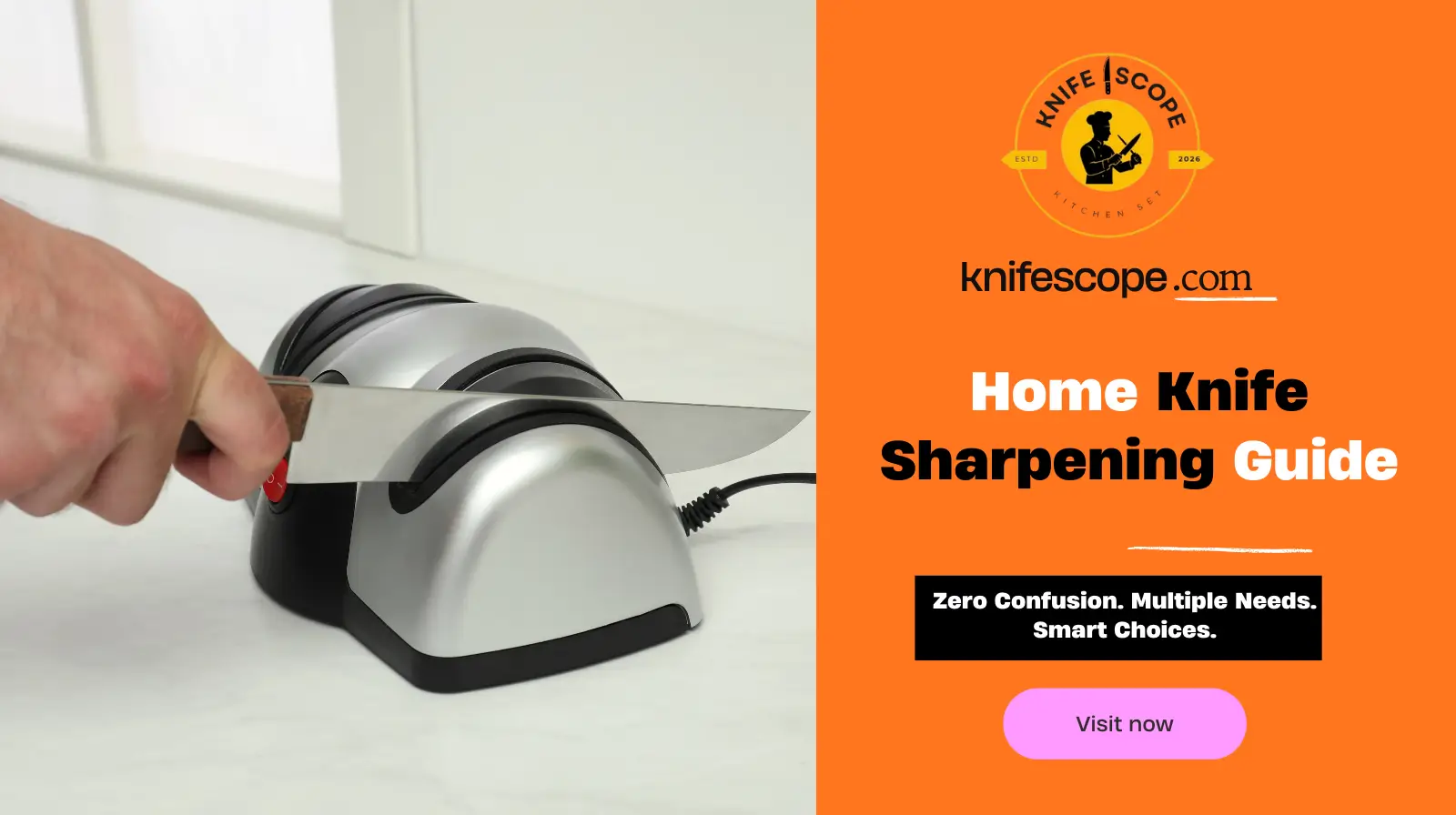
Sharpen home knives by setting angle, using proper grits, raising and removing burrs.
If you want a safe, fast kitchen, a sharp knife is step one. I’ve spent years sharpening blades for cooks and home chefs. In this home knife sharpening guide, I’ll show you how to get pro results with simple tools, clear steps, and zero fluff. You’ll learn what works, what to avoid, and how to keep edges keen for months.
Why sharp knives matter
A sharp knife is safer than a dull one. It needs less force, so slips are rare. It cuts clean, so food looks better and stays fresher. You gain control and speed.
Dull blades crush food. They tear tomato skins and mash herbs. You fight the cut and tire fast. If your knife skates on a ripe tomato, it is dull. This home knife sharpening guide shows how to fix that fast.
I learned this the hard way in a busy prep kitchen. A dull chef’s knife slowed me down and raised my risk. A sharp edge changed my day. It can change yours too.
Source: knife-life.jp
How sharpening works
Sharpening is steel removal. You grind until both sides meet in a thin line. That line is the edge. You build a burr, then remove it. Honing is different. It realigns the edge but does not remove much steel.
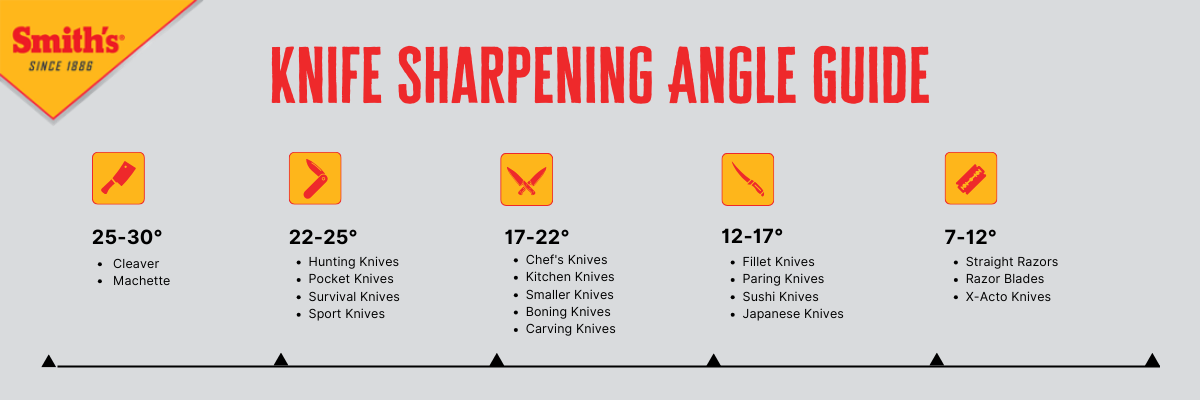
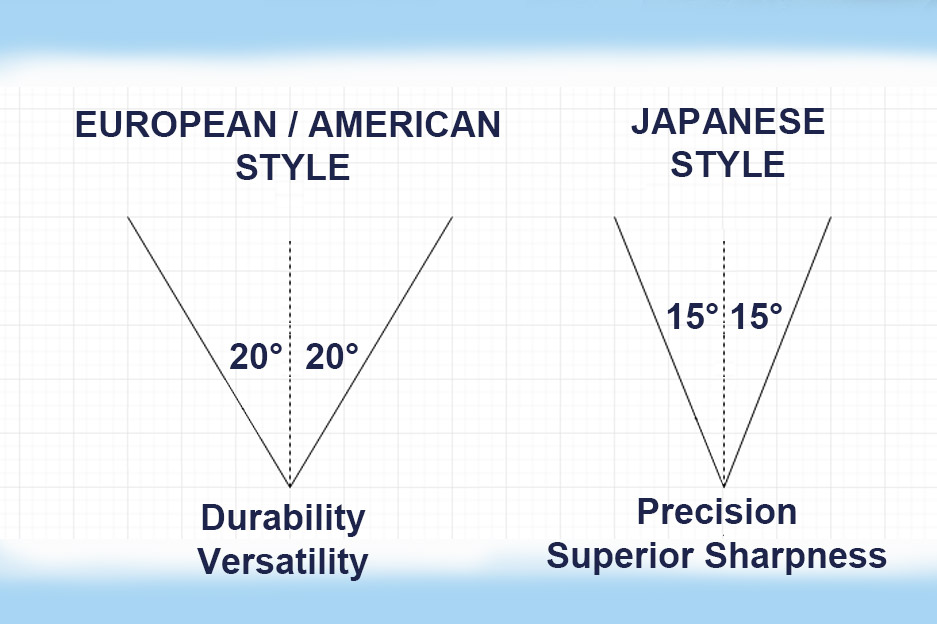
Angle matters. Most Western knives like 18–22 degrees per side. Many Japanese knives run 12–16 degrees per side. Lower angles cut easier but can chip. Higher angles last longer but feel thicker. Grits matter too. Coarse grits shape. Medium grits set the edge. Fine grits refine and polish.
Think of it like sanding wood. Start coarse to shape. Move finer to smooth. Stop when the cut feels clean. In this home knife sharpening guide, I’ll show both the burr and the stroke you need.

Source: sharpedgeshop.com
Tools you can use at home
You can get a sharp edge with many tools. Pick the one that fits your time and skill.
- Whetstones. Most control. Best results. Use water stones or splash-and-go stones.
- Pull-through sharpeners. Fast and easy. Good for quick work. Can remove more steel.
- Guided systems. Fixed angles. Consistent results. Slower but very reliable.
- Electric sharpeners. Quick and simple. Great for busy kitchens. Pick a trusted brand.
- Honing rods. Steel or ceramic. For touch-ups only. Not a full sharpen.
- Strops. Leather or fiber with compound. Great for final polish and burr removal.
Each has a place. For the best edge, a whetstone wins. For speed, a pull-through or electric is fine. This home knife sharpening guide explains how to use each safely.

Source: knifemaking.com
Choose angles and grits for your knives
Match the edge to the knife and the job.
- Western chef’s knives. 20 degrees per side is common. 15–18 if steel is hard.
- Japanese gyuto or santoku. 12–16 degrees per side. Use gentle pressure.
- Heavy work knives. 20–25 degrees per side for toughness.
Use grits like a ladder:
- 220–400 grit. Repair chips. Set a new bevel.
- 800–1000 grit. Set a working edge.
- 2000–3000 grit. Smooth and refine.
- 4000–8000+ grit. Polish for push cuts.
If you only buy one stone, pick 1000 grit. If you buy two, get 1000 and 3000. A 1000/6000 combo stone is a great start. In this home knife sharpening guide, I favor a 1000/3000 path for most home cooks.

Source: amazon.com
Step-by-step: Whetstone method
This is my go-to process. It is simple and repeatable. It gives clean, long-lasting edges.
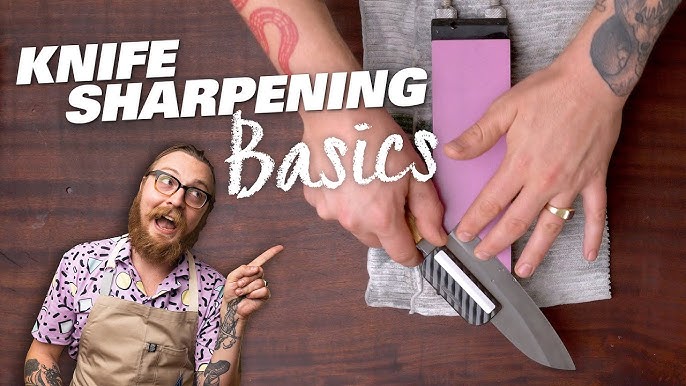
- Soak or wet the stone. Follow the maker’s note. Keep the surface wet as you work.
- Secure the stone. Use a base or a damp towel. Stability is key.
- Mark the edge with a marker. It shows if your angle is right.
- Set the angle. Raise the spine to your target angle. Lock your wrist.
- Push or pull in strokes. Use even, light to moderate pressure. Keep the angle steady.
- Work one side until you feel a burr along the full edge. Check with your finger, moving from spine to edge.
- Flip and repeat. Build a burr on the other side.
- Move to a finer grit. Use lighter pressure. Your goal now is to refine, not remove.
- Deburr. Use very light alternating strokes. Then strop on leather or a kitchen cork.
- Test the edge. Slice paper. Cut a tomato. It should bite with no force.
Tips from the field:
- Count your strokes to keep sides even.
- Use lighter pressure as you move up in grit.
- Keep the tip in contact. Lift your elbow to follow the curve.
This home knife sharpening guide method works for almost any straight edge.

Source: walmart.com
Step-by-step: Pull-through and electric sharpeners
These tools trade control for speed. Use them right to avoid extra wear.
Pull-through:
- Pick the right slot. Coarse to set, fine to polish.
- Hold the knife straight. Keep steady, light pressure.
- Pull from heel to tip, slow and smooth. 5–8 passes per slot is enough.
- Wipe the blade clean.
Electric:
- Start with the coarse stage if the knife is dull. Skip to fine for touch-ups.
- Guide the knife with a gentle hand. Let the machine work.
- Finish on the fine stage. Clean the blade.
Use these for everyday cooks who want fast results. For your best knives, switch to stones now and then. This home knife sharpening guide keeps both paths open for you.

Source: amazon.com
Honing and daily care
Honing keeps the edge true between sharpens. It is like brushing teeth between cleanings.
How to hone:
- Hold the rod vertical. Tip on a towel.
- Set your angle. About the same as your edge.
- Draw the blade heel to tip in a smooth arc.
- Do 5 light passes per side. Less is more.
- Use wood or soft plastic boards. Avoid glass, stone, or bamboo.
- Hand wash and dry right away. No dishwashers.
- Store on a magnetic strip or in a block.
- Wipe and strop before big prep days.
Follow this home knife sharpening guide routine, and you will sharpen less often.
Source: youtube.com
Safety and common mistakes
Safety first:
- Keep fingers above the spine, never in line with the edge.
- Work slow. Speed comes later.
- Dry hands and tools. Wet hands slip.
Common mistakes I see often:
- Too much pressure. It kills feedback and eats steel.
- Angle drift. Lock the wrist and use guides if needed.
- Skipping the burr. No burr, no true apex.
- Not deburring. A wire edge feels sharp, then dies fast.
- Lifting off the tip. Raise your elbow to keep contact.
- Sharpening on glass boards. It dulls your edge at once.
Avoid these and this home knife sharpening guide will give you clean results.

Source: amazon.com
Troubleshooting and edge testing
Edge tests I trust:
- Paper slice. Clean cut, no snag, is good.
- Tomato skin. Should bite with almost no push.
- Light reflection. A dull flat spot will shine.
- Nail test. Very light touch. The edge should grab, not skate.
Fixes for common issues:
- Chips. Start at 220–400 grit. Grind until chips are gone. Then refine.
- Bent tips. Rebuild on coarse grit. Blend the profile smooth.
- Thick edges. Raise the angle a little or thin the blade first.
- Recurring burr. Use feather-light finishing strokes. Strop to end it.
Use this home knife sharpening guide to diagnose fast and fix with care.
Special cases: Serrated, cleavers, pocket knives
Serrated knives:
- Use a tapered rod. Match the scallop size.
- Hone each gullet from the beveled side. Light passes only.
- Remove any burr from the flat side with a soft strop.
Cleavers:
- Veg cleavers can be thin and sharp like chef’s knives.
- Bone cleavers need stout, higher angles. Skip high polish.
Pocket knives:
- Aim for 17–20 degrees per side for a tough edge.
- Finish with a strop for clean push cuts.
This home knife sharpening guide applies to all, with small tweaks by blade type.
Maintenance schedule and quick reference
How often to sharpen?
- Daily cooks. Hone each session. Sharpen every 2–4 weeks.
- Weekend cooks. Hone before use. Sharpen every 2–3 months.
- Light use. Hone as needed. Sharpen twice a year.
Quick reference plan:
- Hone little, often.
- If honing fails, go to 1000 grit.
- If the edge still slips, drop to 400 grit.
- Always finish with light, even strokes and a strop.
Print this home knife sharpening guide plan and keep it in your kitchen. It saves time and steel.
Frequently Asked Questions
How do I know my knife is dull?
Try a paper test. If the blade snags or slides, it needs work. A dull edge also reflects light along the bevel.
What angle should I use at home?
Most Western knives like 18–20 degrees per side. Many Japanese knives do best around 12–16 degrees per side.
How long does sharpening take?
A touch-up takes 5–10 minutes. A full reset with chips can take 20–30 minutes.
Do I need multiple stones?
One 1000-grit stone can work. Adding a 3000–6000 grit makes edges cleaner and longer lasting.
Can I sharpen a serrated knife?
Yes, but do it gently with a tapered rod. Focus on each scallop and strop the flat side to finish.
Is honing the same as sharpening?
No. Honing realigns the edge. Sharpening removes steel to form a new apex.
Will an electric sharpener ruin my knives?
Good ones will not if used right and not too often. Use light pressure and finish on the fine stage. A home knife sharpening guide can help you choose wisely.
Conclusion
Sharp knives make cooking a joy. With the right angle, the right grit, and a steady hand, you can do pro-level work at your sink. Follow the steps in this home knife sharpening guide, hone often, and use safe habits. Your food will look better, and prep will feel easy.
Ready to get started? Grab a 1000-grit stone, pick one knife, and try the burr method today. Want more tips and gear picks? Subscribe, explore the rest of the guides, or drop your sharpening questions in the comments.
Maliha Khatun has spent 5 years hands-on testing Japanese knives for everyday home cooks. She has evaluated over 60 blades across nakiri, santoku, gyuto, and petty categories — scoring each on edge retention, steel quality, handle comfort, and value for money. She writes to help home cooks buy the right knife without the guesswork.
Expertise:Japanese Knives • Vegetable Knives • Product Reviews • Kitchen Efficiency • Knife Care
Leave a Reply