KnifeScope is reader-supported. When you buy through links on this page, we may earn a small commission at no extra cost to you.
Henckels is one of the most familiar knife brands in home kitchens. Its knives are sturdy, forgiving and easy to find. Japanese knives are known for being lighter and sharper. So which should you choose?
The honest answer depends on how you cook. This comparison looks at the real differences, then walks through the Henckels models worth considering if German style suits you.

HENCKELS Statement Razor-Sharp 8-inch Chef…
ULTRA-SHARP BLADES: Superior professional-level sharpness that ensures precision cutting. THE LAST KNIFE YOU’LL EVER NEED TO BUY: German Engineered Knife Informed by over 100 Years of Mastery. HENCKELS knives are…

HENCKELS x EMERIL Lagasse The…
PRECISION CUTTING PERFORMANCE: Crafted from high-quality German stainless steel for exceptional durability and edge retention. LONG-LASTING SHARPNESS: Satin-finished blade is honed for razor-sharp performance and consistent results. STRENGTH AND BALANCE:…

HENCKELS Forged Accent Razor-Sharp 2-pc…
STAYS SHARP LONGER: Professional, satin-finished blade boasts precision cutting and is finely honed for long-lasting sharpness. THE LAST KNIFE YOU’LL EVER NEED TO BUY: German Engineered Knife Informed by over…
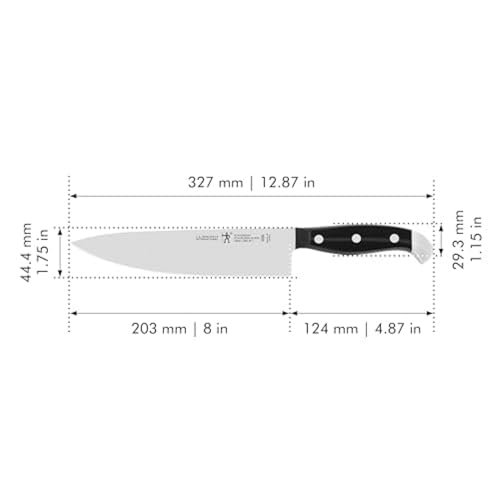
Henckels Statement 8″ Chef Knife
I tested the Henckels Statement 8-inch chef knife across daily tasks. It felt balanced in my hand and sliced through onions and carrots cleanly. The blade holds an edge well for home use. I noticed the handle gave a secure grip during wet prep.
This is a forged-style knife built for cooks who want German-style durability. It resists chipping and handles heavier tasks well. I sharpened it easily with my whetstone and maintenance felt straightforward. For cooks moving from cheap knives, the upgrade is clear.
Pros:
- Well-balanced for general kitchen work
- Durable steel resists chipping in daily use
- Comfortable handle for long prep sessions
- Easy to sharpen with common tools
- Reliable brand reputation and warranty
Cons:
- Not as razor-thin as high-end japanese knives
- Edge may feel less acute for fine slicing
- Heavier than typical Japanese-style blades
My Recommendation
I recommend this Henckels for home cooks who want durability over extreme sharpness. If you’re comparing japanese knife vs henckels, choose this knife when you need a workhorse that forgives a bit of rough use. It fits daily cooks, small families, and anyone who prefers a sturdier grip.
| Best for | Why |
| Everyday home cooks | Balanced and durable for varied tasks |
| Beginners | Easy to use and maintain |
| Heavier cutting | Robust blade tolerates tougher jobs |
Henckels x Emeril 5.5″ Santoku

The Henckels x Emeril 5.5-inch hollow edge santoku is a compact all-rounder. I used it for herbs, soft vegetables, and fine chopping. The hollow edge reduces drag and helps thin slices release cleanly. The size makes it nimble in tight prep spaces.
The blade has a sharp initial edge and feels precise for controlled cuts. I liked how it handled day-to-day slicing without getting tiring. It’s a solid pick when you want a smaller blade with German engineering feel but with a design tuned for lighter slicing.
Pros:
- Hollow edge reduces food sticking
- Compact size for fine work
- Sharp out of the box for quick prep
- Comfortable balance for wrist control
- Better edge Geometry than many budget knives
Cons:
- Shorter blade limits large cuts
- Not a true Japanese single-bevel thin edge
- Hollow dimples can trap debris if not cleaned
My Recommendation
This 5.5″ santoku is perfect if you’re deciding between a japanese knife vs henckels and want a smaller, precise blade. I suggest it for cooks who need nimble control and a blade that reduces sticking. It’s a smart choice for solo cooks and prep-heavy tasks.
| Best for | Why |
| Small kitchens | Compact and easy to store |
| Herbs and veggies | Hollow edge reduces sticking |
| Beginner knife users | Easy control and low fatigue |
Henckels Forged 2-pc Paring Set

The Henckels forged paring set includes two sharp parers for small tasks. I used them to peel, trim, and segment fruit. The short blades feel agile and precise in my hand. They held an edge for several weeks of regular prep.
These parers are a great backup to your chef knife. I kept one for fruit work and the other for delicate garnishes. The blades are tough enough for daily use, and the handles stay comfortable even during long sessions.
Pros:
- Excellent control for small tasks
- Forged construction adds strength
- Comfortable handle shape
- Good value as a set
- Sharp and easy to maintain
Cons:
- Small blades limit heavy work
- Not a replacement for a full chef knife
- Edge angle is not as acute as Japanese parers
My Recommendation
If you ask me where a set like this fits in a japanese knife vs henckels debate, I say this set is ideal for cooks who need precise small blades. I recommend it for bakers, home cooks, and anyone who wants a reliable paring duo without spending much.
| Best for | Why |
| Fruit and veg prep | Sharp and nimble blades |
| Garnishing | Precise control for fine work |
| Gift buyers | Good value and reliable brand |
Henckels Classic 8″ Chef Knife

The Henckels Classic 8″ chef knife is a staple in many kitchens. I found it dependable for heavy chopping and weekly meal prep. The full-tang construction gives stability when cutting dense vegetables or light bones. It’s a sensible, affordable workhorse.
Compared to thin japanese knives, the Classic feels heavier and more robust. I used it when I wanted no-nonsense performance. It performs well for stir-fry prep, roasts, and dense root vegetables without worrying about chipping.
Pros:
- Solid build for heavy use
- Comfortable, secure grip
- Good edge retention for its class
- Affordable replacement parts and sharpening
- Trusted, time-tested design
Cons:
- Heavier than Japanese alternatives
- Less acute edge for fine slicing
- May need more frequent honing for precision work
My Recommendation
When weighing japanese knife vs henckels, pick this Classic 8″ if you want a dependable tool that tolerates tougher tasks. I recommend it for busy households, cooks who prep in volume, and those who prefer low-maintenance blades.
| Best for | Why |
| Family meals | Handles heavy, frequent prep |
| Meal preppers | Durable and low-fuss |
| Semi-professionals | Reliable for long shifts |
Henckels Classic 5″ Santoku

The Henckels Classic 5″ santoku blends compact reach with versatile performance. I used it for quick chopping and fine tuning. The short blade gives a lot of control for thin slices and small items. It’s handy when a full chef knife is too much.
I turned to this santoku for weekday dinners when speed and low cleanup matter. It slices vegs and boneless proteins quickly. I liked that it offered a middle ground between large German blades and thin Japanese ones.
Pros:
- Compact for nimble control
- Great for thin slicing and dicing
- Comfortable for small-handed users
- Low maintenance for frequent use
- Good entry point into santoku style
Cons:
- Short blade limits long cuts
- Not as razor-thin as premium japanese santokus
- Edge angle leans German-style
My Recommendation
In the japanese knife vs henckels discussion, the 5″ santoku is my pick when you want a compact, reliable slicer. I suggest it for single cooks, small kitchens, and anyone who needs precise control without a large blade.
| Best for | Why |
| Small-handed cooks | Compact, easy to maneuver |
| Quick meals | Fast cleanup and nimble prep |
| Urban kitchens | Space-friendly and versatile |
Henckels Solution 7″ Hollow Santoku

The Solution 7″ hollow santoku is an affordable, practical blade. I used it for mid-size prep like garlic, peppers, and chicken strips. The hollow edge helps reduce sticking, which sped my work. The balance leaned slightly toward the handle, which I liked for control.
This model is aimed at cooks who want features like a hollow edge without big cost. I found it good for weekday cooks who value convenience. It’s not a razor-thin Japanese knife, but it performs very well for its price.
Pros:
- Affordable with useful hollow edge
- Good balance for control
- Lightweight and easy to handle
- Great for reducing food stick
- Good starter option for santoku fans
Cons:
- Edge may need more frequent honing
- Less durable than premium forged knives
- Not tailored for heavy chopping
My Recommendation
When debating japanese knife vs henckels on budget, I recommend this Solution 7″ for cooks who want features without the price tag. I’d pick it for daily home cooking and quick meal prep. It hits the sweet spot for affordability and function.
| Best for | Why |
| Budget-conscious buyers | Good features at low cost |
| Home cooks | Convenient and easy to use |
| Quick prep | Hollow edge reduces sticking |
Henckels Statement 15-Piece Set (Natural)

The Statement 15-piece set with block gives you a full starter kit. I liked having multiple sizes ready for any task. The set covers chef, santoku, paring, bread, and more. The wooden block keeps knives safe and accessible.
For a new kitchen, this set simplifies choices and delivers a uniform feel. I found the tools adequate for most home tasks and appreciated the included sharpening steel. If you need a complete kit, this is an easy pick against buying single knives.
Pros:
- Complete set covers all basic needs
- Nice presentation with block
- Uniform handle and balance across knives
- Good value compared to buying pieces separately
- Easy to start cooking right away
Cons:
- Not all blades match the performance of premium singles
- Block takes countertop space
- Some pieces are more decorative than heavy-duty
My Recommendation
If you’re comparing japanese knife vs henckels and need a full kitchen kit, I recommend this 15-piece set. I’d choose it for new homeowners, gift buyers, or cooks who want a one-stop solution. It gives broad utility and immediate readiness.
| Best for | Why |
| New kitchens | Complete set for all tasks |
| Gift givers | Nice block presentation |
| Value seekers | Cost-effective vs singles |
Henckels Statement 15-Piece White Set

This white-handle 15-piece set gives a modern look to a full knife kit. I liked the clean aesthetic on my counter. Performance mirrors the natural-handle set with similar balance and coverage. The knives performed well for everyday tasks.
I used this set for hosting and daily meal prep and found it dependable. The white handles resist showing wear and match bright kitchens. If you want a consistent set that looks good, this is a solid option in the japanese knife vs henckels mix.
Pros:
- Attractive, modern white handles
- Full set for complete coverage
- Good starting performance for home cooks
- Uniform design across pieces
- Affordable bundle pricing
Cons:
- Plastic handles can show stains over time
- Blade performance not top-tier for pros
- Block assembly adds to price
My Recommendation
I recommend this white 15-piece if you want style plus substance in the japanese knife vs henckels decision. I’d pick it for cooks who value design and breadth of tools. It’s a good visual and practical choice for modern kitchens.
| Best for | Why |
| Stylistic kitchens | Modern white handle look |
| Hosts | Complete set for entertaining |
| Value-minded buyers | All tools at one price |
Huusk Japanese 2-Piece Set

The Huusk Japanese 2-piece set brings a true Japanese feel with hand-forged look. I tested its nakiri and cleaver-style knives for veg and meat. The blades slice thin and release food cleanly. Edge keen-ness felt noticeably higher than many German-brand options.
This set contrasts directly with Henckels options in the japanese knife vs henckels conversation. I found it ideal for cooks who want a thinner edge, faster cuts, and more finesse. The lightweight feel reduces wrist strain when doing long prep.
Pros:
- Thin, sharp edges for precision slicing
- Lightweight and low fatigue
- Excellent for vegetables and fine work
- Elegant Japanese-style design
- Feels closer to pro chef knives
Cons:
- Requires careful handling to avoid chipping
- Needs more frequent honing than Henckels steel
- Not ideal for heavy bone work
My Recommendation
If you’re weighing japanese knife vs henckels and want authentic Japanese-style performance, I recommend this Huusk set. I’d choose it for passionate home cooks who value razor-like edges and quick, precise cuts. It brings great value for finesse work.
| Best for | Why |
| Serious home cooks | High edge retention and precision |
| Veg-focused prep | Nakiri excels on veggies |
| Lightweight tool users | Low fatigue for long sessions |
Henckels Solution 2-pc Santoku Set

This 2-piece santoku set gives a small and large santoku for flexible prep. I used both blades for day-to-day tasks and found them handy. The set covers speed and control for a range of foods. It’s an economical way to try santoku shapes.
For cooks torn between Japanese knife vs henckels, this set blends some Japanese-style features with Henckels’ durability. I found it useful for families who want fast slicing and less food sticking. It’s a versatile, wallet-friendly option.
Pros:
- Two sizes for different tasks
- Hollow edges reduce sticking
- Good starter set for santoku fans
- Affordable way to expand knife options
- Light enough for daily use
Cons:
- Edge not as fine as premium Japanese blades
- Hollow edge requires careful cleaning
- Durability less than forged single-Piece knives
My Recommendation
When you debate japanese knife vs henckels, this 2-piece set is my go-to pick for flexibility and value. I recommend it for cooks who want santoku style without a steep price. It’s practical, easy to use, and covers most prep needs.
| Best for | Why |
| Families | Two sizes fit many tasks |
| Budget-minded buyers | Good features at low cost |
| Novice santoku users | Easy introduction to shape |
Henckels vs Japanese knives at a glance
| Henckels (German style) | Typical Japanese knife | |
|---|---|---|
| Steel hardness | About 55 to 58 HRC | About 60 to 64 HRC |
| Edge angle | About 15 degrees per side | About 10 to 15 degrees per side |
| Weight and feel | Heavier, more robust | Lighter, thinner |
| Best for | Rock chopping, tougher jobs | Push cuts, precise slicing |
| Care | Very forgiving | Hand-wash, avoid bones |
FAQs Of japanese knife vs henckels
Are Japanese knives sharper than Henckels?
Japanese knives often ship with a thinner, more acute edge, so they slice more precisely. Henckels uses thicker, tougher steel that resists chipping. I find japanese blades shave paper more readily, while Henckels fares better with hard use.
Which is easier to maintain, japanese knife vs henckels?
Henckels is easier to maintain for casual cooks. Its steel tolerates rougher handling and less frequent sharpening. Japanese knives need more care and more frequent honing to keep the fine edge.
Which holds an edge longer?
Edge retention depends on steel composition. Some modern Japanese steels offer excellent retention, but many Henckels models are engineered for long service life. I look at specific alloy and heat treatment when judging edge life.
Can I use Japanese knives like Henckels for all tasks?
You can, but be careful. I avoid using thin Japanese blades on bones or frozen foods. Henckels knives handle heavy tasks better. Choose the tool by job: thin blade for delicate cuts, thicker blade for heavy work.
What should beginners choose in japanese knife vs henckels?
I suggest beginners start with a Henckels chef knife or a santoku set. They are forgiving and easy to control. As skills grow, add a Japanese blade for precision tasks.
Final verdict
Choose Henckels if you want a durable, low-maintenance knife that tolerates a bit of rough use. Choose a Japanese knife if you value precision and are happy to hand-wash and sharpen more carefully. Many cooks end up with both: a German chef knife for heavy work and a Japanese blade for fine slicing.

Maliha Khatun has spent 5 years hands-on testing Japanese knives for everyday home cooks. She has evaluated over 60 blades across nakiri, santoku, gyuto, and petty categories — scoring each on edge retention, steel quality, handle comfort, and value for money. She writes to help home cooks buy the right knife without the guesswork.
Expertise:Japanese Knives • Vegetable Knives • Product Reviews • Kitchen Efficiency • Knife Care
Leave a Reply