
KnifeScope is reader-supported. When you buy through links on this page, we may earn a small commission at no extra cost to you.
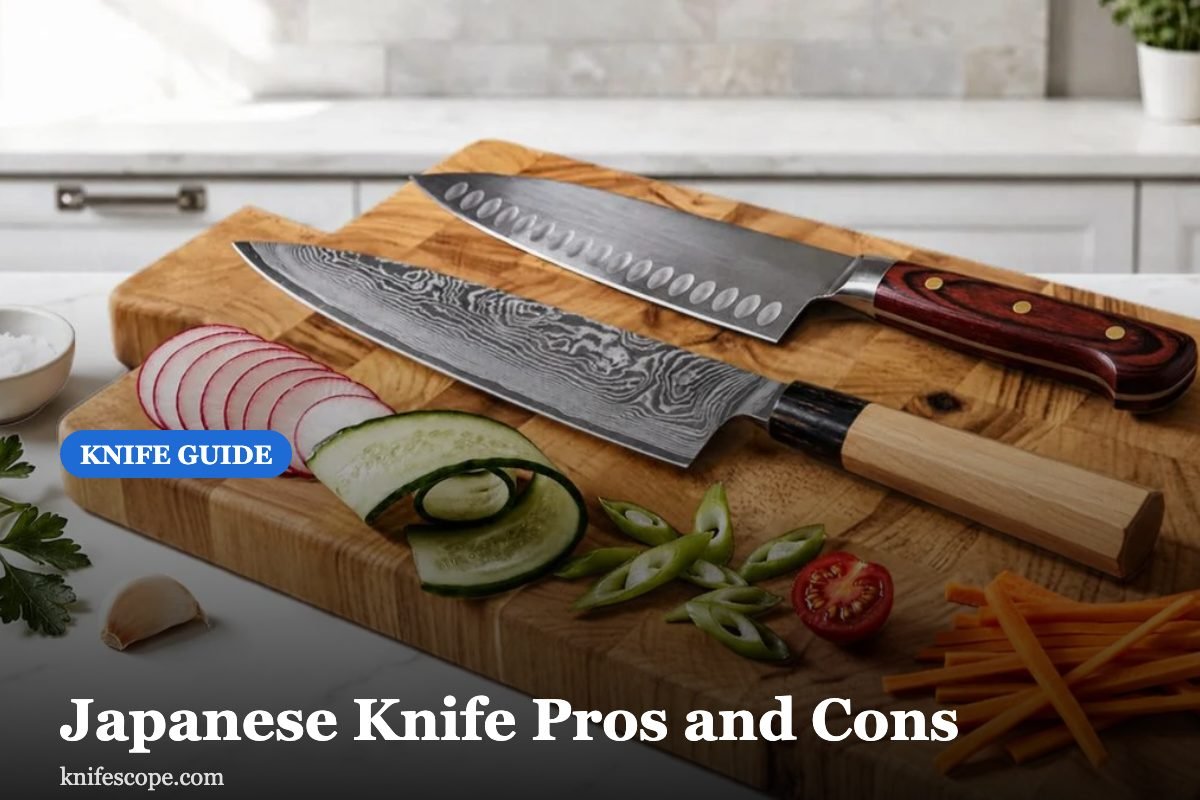
Japanese knives have a reputation for being incredibly sharp. That is true, but it is only half the story. They are also thinner, harder and a bit less forgiving than the German knives many people grew up with.
Before you buy a full Japanese-style set, it helps to know both sides. Here is a plain look at the pros and cons, followed by sets worth considering if you decide to go Japanese.

XCHIEF PRO Japan Knife Set,…
One Set for Most Tasks: This XCHIEF PRO Chef’s Knife Set includes 4 meat and vegetable cutters( 8″ Kiritsuke Knife, 8″ Gyutou Knife, 7″ Santoku Knife, 7″ Nakiri Knife), a…
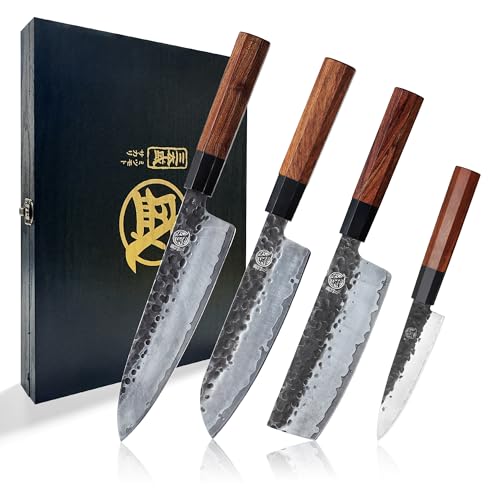
MITSUMOTO SAKARI Japanese Chef’s Knife…
[Traditional Japanese Hand Forging] Professional Japanese chef’s knife inherits the traditional Japanese hand forging method; combined with advanced technology and materials. Through the knifemaker’s manual fine knife shape and pounding…
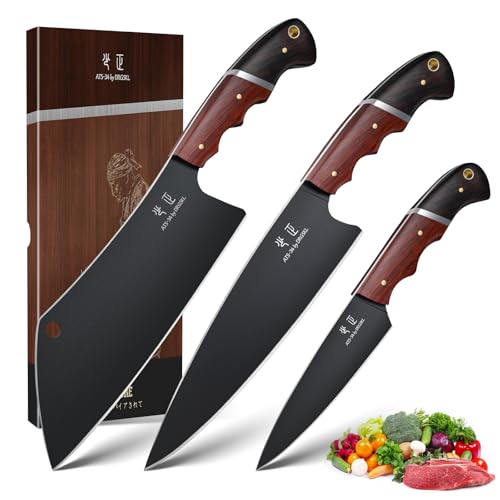
DRGSKL Japanese Chef Knife Set…
ATS-34 Steel – Forged with Traditional Japanese Precision.This knife set is forged using time-honored Japanese craftsmanship and premium ATS-34 steel, a high-carbon steel known for its hardness and fine grain….
XCHIEF PRO Nakiri & Santoku Set
The XCHIEF PRO set brings Japanese edges to home cooks. The nakiri and santoku blades are thin and sharp. They cut vegetables and boneless meat with ease. The set includes a butcher-style cleaver that holds an aggressive edge.
The knives are hand forged from high carbon steel. They arrive very sharp out of the box. Expect some maintenance for rust prevention. They are light and balanced for long prep sessions.
Pros:
- Very sharp straight from the box
- Thin blades excel at slicing and chiffonade
- Nice balance that reduces hand fatigue
- Includes cleaver for heavier chopping tasks
- Carrying bag makes it portable for camping or BBQs
Cons:
- High carbon steel needs prompt drying and oiling
- Edge can chip if misused on bones
- Handles may require breaking in for comfort
My Recommendation
This set fits cooks who want bold sharpness and variety. If you value precise vegetable work and occasional heavier cuts, it serves well. I found it ideal for someone who is willing to learn basic maintenance to handle japanese knife pros and cons.
| Best for | Why |
| Home cooks who prep lots of veg | Thin nakiri slices cleanly and fast |
| Camp or BBQ cooks | Bag and cleaver add portability and strength |
| Sharpness lovers | High carbon gives a keen edge quickly |
MITSUMOTO SAKARI 4-Pc Chef Set

The MITSUMOTO SAKARI set is hand forged and feels premium. The rosewood handles bring classic balance. The blades are intended for pro style tasks in a home kitchen. Each knife arrives sharp and ready for fine cuts.
The set includes essential sizes for daily use. I noticed the thin edge slices proteins and veg cleanly. These knives demand mindful use to avoid chips. With care, they reward you with long-lasting performance.
Pros:
- Hand forged for consistent edges
- Comfortable rosewood handles
- Excellent edge retention with proper care
- Attractive presentation box for gifting
- Balanced weight ideal for long prep
Cons:
- High carbon is prone to surface rust
- Sharpening angle requires skill
- More costly than entry-level sets
My Recommendation
I Recommend this set to cooks who want a near-pro feel. If you enjoy precision slicing, these knives will impress. Keep in mind the japanese knife pros and cons: they need care but reward with superior cuts.
| Best for | Why |
| Gift buyers | Elegant box and finish make a strong impression |
| Serious home cooks | Handles and balance support long sessions |
| People seeking sharp edges | Hand forging yields a keen edge |
DRGSKL 3-Piece Utility Set
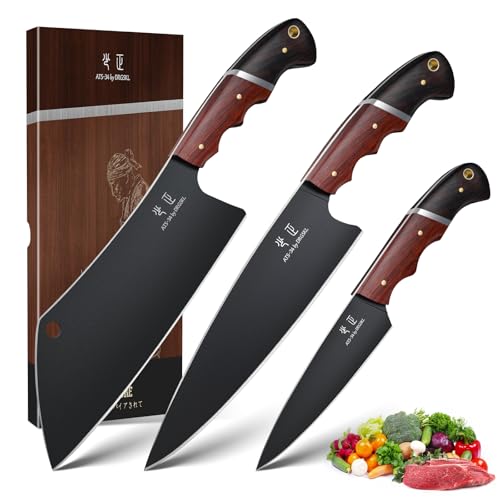
The DRGSKL set keeps things simple. It pairs a cleaver with smaller utility knives. The full tang wooden handles feel sturdy and secure. This trio covers prep, light chopping, and trimming tasks well.
I found the blades hold good edge for common kitchen tasks. They are robust enough for root veg and boneless meat. Still, they are not meant for heavy bone work. Proper stropping extends the edge life.
Pros:
- Solid full-tang build for durability
- Wood handles that are comfortable and tactile
- Versatile trio covers most daily tasks
- Great value for a hand forged look
- Easy to control for precise trimming
Cons:
- Not suited for heavy bones or frozen cuts
- Edge may need frequent touch-ups with hard use
- Finish can show wear without oiling
My Recommendation
This set is best for cooks who want dependable tools without fuss. If your kitchen work is mostly veg and boneless meat, it fits well. I mention japanese knife pros and cons here: you trade heavy-duty toughness for nimble, sharp blades.
| Best for | Why |
| Everyday home cooks | Versatile sizes handle most tasks |
| Wood-handle fans | Full-tang wood feels classic and secure |
| Budget-conscious buyers | Good value for a forged-style set |
Huusk 6-Piece Pro Set

The Huusk 6-piece kit comes with covers, a bag, and a sharpener. That makes it great for storage and travel. The high carbon steel gives a fine edge for long tasks. The knives are forged and feel precise.
I liked the inclusion of accessories. The sharpener keeps the edge usable in minutes. The covers protect the blades and reduce rust risk. Still, these knives need oil and drying after washing.
Pros:
- Comes with covers, bag, and sharpener
- High carbon steel for keen edges
- Forged construction for solid feel
- Good balance for long prep sessions
- Bag provides safe storage and travel use
Cons:
- High carbon requires maintenance to avoid stains
- Sharpener quality is basic; pro stones still needed
- Handles may show wear with heavy use
My Recommendation
Choose this if you want a ready-to-go set with tools. The bag and covers make it easy to store and carry. I advise thinking about japanese knife pros and cons: you get superb edge but you must commit to upkeep.
| Best for | Why |
| Traveling cooks | Bag and covers protect the blades |
| New sharpness learners | Included sharpener helps maintain edges |
| Gifts for cooks | Complete kit feels thoughtful and useful |
Imarku 8″ Gyutou Chef Knife
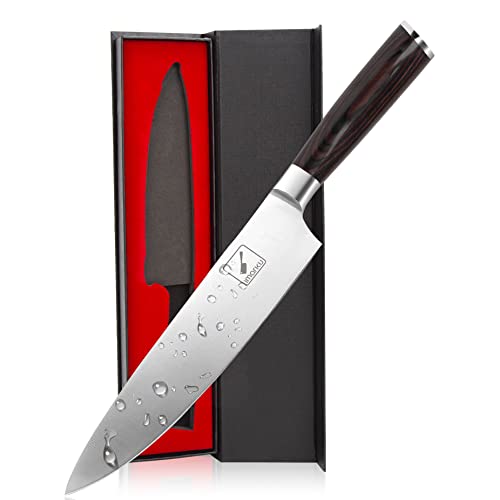
The imarku gyutou is a versatile 8-inch chef knife. It blends eastern blade geometry with western length. The HC steel holds an edge and is easy to resharpen. It becomes a workhorse in most kitchens.
I use this shape when I need a single all-purpose knife. It handles veg, fish, and meat with equal grace. The weight is moderate and the point is controllable. With a gentle touch it excels at delicate work.
Pros:
- Great all-rounder for many kitchen tasks
- Edge retention is solid for the price
- Moderate weight suits long prep sessions
- Sharp point helps with detail tasks
- Good balance between western and Japanese styles
Cons:
- Not as thin as specialized Japanese single-bevel knives
- Edge may dull faster with heavy chopping
- Handle finish can become slick when wet
My Recommendation
I recommend the imarku gyutou for a one-knife kitchen. It handles most jobs well and is forgiving. For those weighing japanese knife pros and cons, this knife balances care needs with daily utility.
| Best for | Why |
| One-knife home kitchens | Versatile gyutou shape covers many tasks |
| Users wanting control | Thin profile aids precision cuts |
| Casual to serious cooks | Balanced weight fits varied skill levels |
SHAN ZU Damascus 7-Piece Set

The SHAN ZU Damascus set looks refined with layered steel patterns. It uses 10Cr15CoMoV super steel. The set packs knives for all kitchen jobs and a nice block for storage. The blades are thin and cut smoothly.
Edge retention is good for daily home cooking. I appreciated the comfortable G10 handles that resist moisture. The set blends Japanese-style thin edges with modern steel alloys. You get visual style and performance together.
Pros:
- Attractive Damascus pattern on blades
- G10 handles are durable and water-resistant
- Good edge retention from modern steel mix
- Comprehensive set covers many tasks
- Knife block keeps blades safe and accessible
Cons:
- Block takes counter space
- Damascus finish may require careful cleaning to avoid stains
- Not the lightest knives for extended use
My Recommendation
Pick this set if you want a full kit with style. The G10 handles and steel mix suit frequent home use. Remember japanese knife pros and cons: aesthetics and edge come with a need for proper care to keep the finish pristine.
| Best for | Why |
| Style-conscious cooks | Damascus finish looks premium on the block |
| Daily home kitchens | Set covers most chopping and slicing tasks |
| Moisture-prone kitchens | G10 handles resist water and stains |
SHAN ZU 3-Pc Chef Knife Set

This SHAN ZU trio simplifies kitchen needs with three core knives. The 10Cr15Mov steel keeps edges sharp with ordinary care. Ergonomic pakkawood handles feel warm in hand. The set is a smart starter for many cooks.
I like how the knives slice proteins and veg with similar ease. They are lighter than some western sets and offer Japanese control. Keep them oiled after washing to protect the steel. They are a practical pick for tidy kitchens.
Pros:
- Balanced, lightweight design for control
- Pakkawood handles blend comfort and style
- Good edge sharpness for daily use
- Compact set for small kitchens
- Attractive gift presentation
Cons:
- Pakkawood needs care to avoid swelling
- Not ideal for heavy bone work
- Requires occasional honing to stay keen
My Recommendation
I recommend this 3-piece set for cooks who want reliable basics. It balances performance with neat storage and style. Learning japanese knife pros and cons will help you keep these in top shape while enjoying precise cuts.
| Best for | Why |
| Small kitchens | Compact trio covers most jobs without clutter |
| Gift givers | Elegant presentation and useful tools |
| Control-focused users | Light blades enable precise slicing |
HOSHANHO 3-Piece High Carbon Set

HOSHANHO offers a simple 3-piece kit with octagonal rosewood handles. The high carbon steel is thin and incredibly sharp. I found the knives cut with great precision. The handles give a secure grip, even when wet.
These knives are lightweight and acute in angle. They require careful handling and storage. If you respect maintenance, they yield exceptional slicing performance. They are ideal for cooks who like a traditional feel.
Pros:
- Extremely sharp edges for fine slicing
- Comfortable octagonal rosewood handles
- Lightweight blades enhance control
- Thin profile reduces food sticking
- Good value for high carbon steel
Cons:
- Prone to rust if left wet
- Angle needs skillful sharpening
- Not suited for heavy chopping tasks
My Recommendation
Choose HOSHANHO for delicate slicing and traditional feel. If you enjoy precise cuts and don’t mind upkeep, it’s a great match. The japanese knife pros and cons are clear here: you pay in care and gain fine, long-lasting edges.
| Best for | Why |
| Sushi and sashimi makers | Thin, razor edges create clean fillets |
| Fans of classic handles | Octagonal rosewood feels traditional and secure |
| Light-handed chefs | Light blades favor control over brute force |
Tenkumun 8″ VG-10 Gyutou

The Tenkumun gyutou uses VG-10 Damascus steel in a handcrafted profile. This steel is famed for a good edge and easy maintenance. The knife feels like a pro tool in mid-weight balance. The Damascus adds visual interest and strength.
I used it for fish, veg, and meat and saw steady edge holding. The point and belly give control for both push cuts and rocking. It needs basic care, but less fuss than raw high carbon steel. It is a good pick for cooks who want high performance with less worry.
Pros:
- VG-10 core holds a keen edge and resists corrosion
- Beautiful Damascus finish
- Balanced weight for versatile use
- Handcrafted feel with precise geometry
- Less maintenance than pure high carbon steel
Cons:
- Price higher than budget options
- May require professional sharpening for best results
- Not ideal for heavy bone work
My Recommendation
I recommend the Tenkumun gyutou to ambitious home chefs. Its VG-10 core blends sharpness with easier upkeep. If you weigh japanese knife pros and cons, this model leans toward performance with reduced maintenance.
| Best for | Why |
| Performance seekers | VG-10 gives top-tier edge retention |
| Aesthetics lovers | Damascus layers look elegant on the counter |
| Busy cooks | Less finicky than raw high carbon blades |
Kai PRO 5″ Multi Prep Knife

The Kai PRO 5-inch multi prep knife is a compact powerhouse. It’s hand sharpened from Japanese AUS6M stainless steel. The short blade fits tight work and delicate trimming. It’s NSF certified, showing a pro-level standard for cleanliness.
I used it for trimming fat, filleting small fish, and small chopping jobs. The blade is nimble and stays sharp with modest care. It is an easy add-on to a larger chef knife. If you need detail work, this is a great choice.
Pros:
- Compact and precise for detailed tasks
- NSF certified for durability and sanitation
- Hand sharpened edge delivers immediate performance
- Stainless steel resists rust and stains
- Comfortable handle for controlled cuts
Cons:
- Too small for large chopping jobs
- Edge can be damaged by prying or bone work
- Not a replacement for a full chef knife
My Recommendation
This Kai PRO is perfect as a second, detail knife. It shines when you need control for trim and small fillets. Consider japanese knife pros and cons: this one offers low upkeep with focused precision.
| Best for | Why |
| Detail-oriented cooks | Small blade fits precision tasks |
| Food safety pros | NSF certification supports clean use |
| Those who want a backup | Great complement to a larger chef knife |
Pros and cons at a glance
| Pros | Cons |
|---|---|
| Very sharp, thin edges that slice cleanly | Edges can chip on bones or frozen food |
| Hard steel holds an edge longer | Harder to sharpen on a basic pull-through sharpener |
| Lighter and less tiring for long prep | Carbon steel versions need drying and oiling |
| Beautiful finishes and handles | Not ideal for rock-chopping |
Good fit if: you cut a lot of vegetables, fish or boneless meat and do not mind hand-washing. Maybe not if: your knives go in the dishwasher or you often cut through bone.
FAQs Of japanese knife pros and cons
What makes Japanese knives different from Western knives?
Japanese knives often have thinner blades and harder steels. They slice with a finer edge and less force. This gives cleaner cuts but calls for gentler use. I recommend matching the knife to your prep style to balance japanese knife pros and cons.
Do Japanese knives require special sharpening?
Yes. Many Japanese blades are ground at acute angles and do best with whetstones. I use a 1000/6000 grit combo for daily sharpening and polishing. A gentle touch preserves the edge and lowers the risk of chips.
Are Japanese knives prone to rust?
High carbon Japanese knives can rust if left wet. Stainless and VG-10 alloys resist rust better. Wipe blades dry and apply a thin oil coat if you store them long-term. That simple step reduces common japanese knife pros and cons like staining.
Can I use Japanese knives on a cutting board regularly?
Yes, but use wood or plastic boards to protect the edge. Hard surfaces like glass will dull blades quickly. Rotate between boards and strops to keep the edge keen. Good boards help you enjoy the benefits without the downsides of japanese knife pros and cons.
Which steel type is best for home cooks?
VG-10 and modern stainless blends balance sharpness and low maintenance. High carbon offers superb edge but needs care. I recommend VG-10 or similar alloys for a mix of performance and ease of use when weighing japanese knife pros and cons.
What are the pros and cons of Damascus steel knives?
Pros: attractive layered pattern and, on good knives, a hard core steel that holds an edge well. Cons: higher price, and the pattern itself does not make a knife cut better; performance depends on the core steel and heat treatment. Etched patterns can fade with heavy sharpening of the bevel.
Final verdict
Japanese knives are a great upgrade for cooks who value precision and are happy to treat their tools with a little care. If that sounds like you, a small set with a gyuto, a utility knife and a paring knife covers almost everything. If not, a single Japanese chef knife alongside your existing knives is a low-risk way to try one.
Maliha Khatun has spent 5 years hands-on testing Japanese knives for everyday home cooks. She has evaluated over 60 blades across nakiri, santoku, gyuto, and petty categories — scoring each on edge retention, steel quality, handle comfort, and value for money. She writes to help home cooks buy the right knife without the guesswork.
Expertise:Japanese Knives • Vegetable Knives • Product Reviews • Kitchen Efficiency • Knife Care