Bunka knife safety tips keep you steady, prevent slips, and protect hands during prep.
As a chef and long-time knife user, I’ve used and taught bunka knife safety tips in home and pro kitchens. This guide breaks down must-know practices, explains why each tip matters, and gives step-by-step, practical advice you can apply today. Read on to master safe handling, sharpening, storage, and real-world techniques for the bunka knife.

Understand the bunka knife: shape, uses, and risks
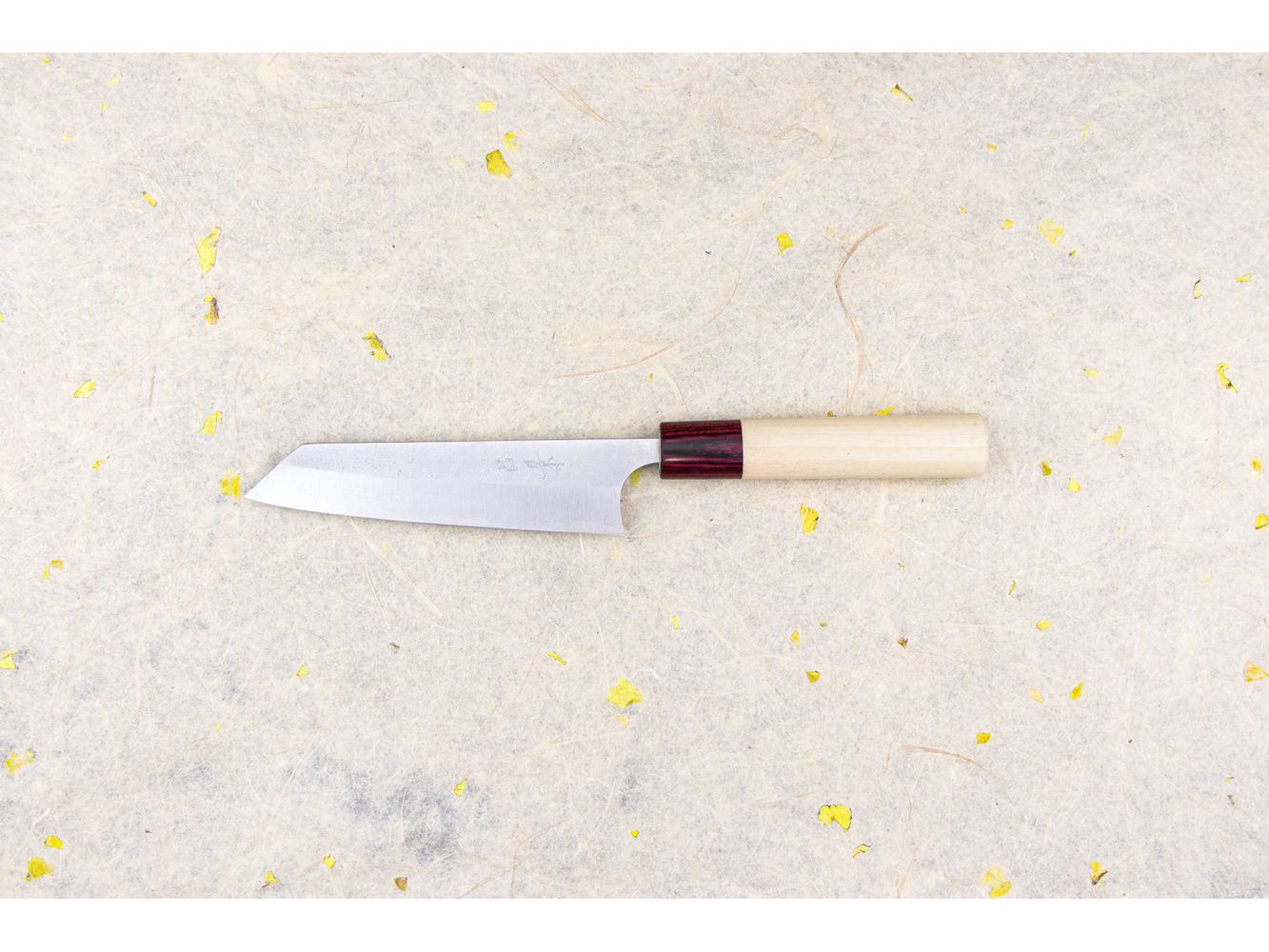
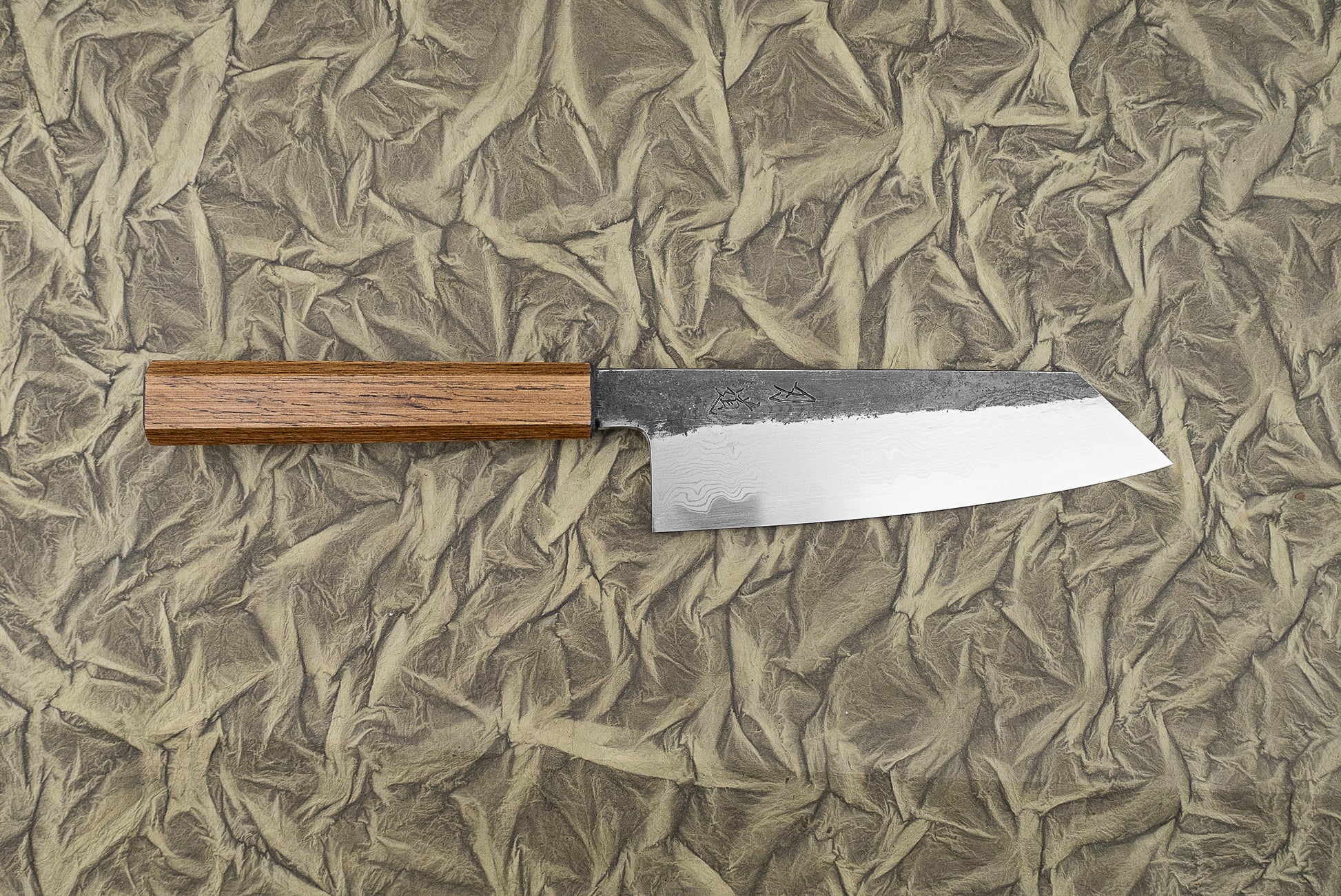
The bunka knife is a Japanese-style multipurpose blade. It has a short point, a slightly angled tip, and a wide belly. This shape makes it ideal for slicing, chopping, and delicate work. With that versatility comes risk: its thin, sharp edge can cut deeply and cleanly. Understanding the blade’s geometry helps you control it.
Key facts to remember:
- Blade profile: wide heel for push cuts; angled tip for precision.
- Typical length: 165–200 mm, compact but powerful.
- Common uses: vegetables, boneless meats, herbs, fine slicing.
Knowing these details helps you apply bunka knife safety tips correctly. Treat the blade like a precision tool, not a blunt instrument.
Basic safety principles for every use
Safety starts before you touch the knife. Follow simple rules every time to lower risk and stay confident.
Core principles:
- Keep focus: no phones or distractions while cutting.
- Clear workspace: remove clutter and spills from the board area.
- Stable surface: use a damp towel under the cutting board to prevent sliding.
- Knife awareness: always know where the blade points and where your fingers are.
I teach apprentices to name each action aloud: “slice,” “move,” “set down.” This small habit reduces mistakes. Apply these bunka knife safety tips before and during every prep session.

Proper grip, stance, and cutting techniques
Good technique reduces slips and improves speed. Use grips that give control and protect fingers.
Grip options:
- Pinch grip: pinch the blade near the bolster with thumb and index finger, wrap other fingers on the handle for control.
- Handle grip: all fingers around handle for lighter control and long cuts.
Stance and motion:
- Feet shoulder-width for balance.
- Bend knees slightly and keep elbows relaxed.
- Use the knuckle guide: curl fingertips of the guide hand slightly and use knuckles to steady the blade.
- Use push-and-pull motions for slicing; use short, controlled chops for tougher items.
Practice these bunka knife safety tips slowly at first. Speed follows control.

Sharpening, honing, and blade maintenance
A sharp knife is a safe knife. Dull blades force you to use more force, which leads to slips.
Sharpening steps:
- Use a whetstone or guided sharpener. Start with 1000 grit, finish with 3000–6000 grit for a fine edge.
- Maintain a consistent angle, typically 15–20 degrees per side for bunka knives.
- Hone regularly with a ceramic rod between sharpening sessions to realign the edge.
Maintenance tips:
- Dry immediately after washing to prevent rust on carbon steel blades.
- Oil the blade lightly if the knife is carbon steel.
- Inspect for chips or cracks before each use and repair or retire damaged blades.
I once cut myself trying to force a dull blade through a tomato. Since then I sharpen daily and never skip honing. These bunka knife safety tips will save time and injury.
 cleaning and sanitizing practices”
style=”max-width: 100%; height: auto; border: 2px solid black; border-radius: 10px; display: block; margin: 0 auto;”
loading=”lazy”
/>
Safe cleaning and sanitizing practices
Cleaning is a high-risk moment. Most cuts happen during washing or handling after use.
Safe cleaning rules:
- Wash by hand using the spine-first method: keep the sharp edge away from your palm.
- Use a soft cloth and warm soapy water. Never let the knife soak with other utensils.
- Dry immediately and store properly.
Sanitizing steps:
- Use a food-safe sanitizer or hot water rinse for protein prep.
- Avoid dishwasher use; heat and detergents dull and warp the blade.
I always clean knives right after use and place them in a designated tray. That habit prevents accidents and contamination.
Correct storage and transport
Proper storage protects you and the blade. Avoid loose drawers and shared bins.
Storage options:
- Magnetic strip: mount at arm height, blade away from reach of children.
- Knife block or in-drawer tray: blades secure and separated.
- Sheath or knife guard: for transport or drawer storage.
Transport tips:
- Use a proper knife roll or rigid case when commuting with a bunka knife.
- Never wrap a blade in a towel or place it loose in a bag.
I travel with a padded roll and always lock the case. These bunka knife safety tips reduce theft and injury risk.

Safety for different environments: home, professional, and outdoor
Context matters. Adjust bunka knife safety tips to fit your setting.
Home kitchens:
- Keep knives out of reach of children.
- Teach basic knife respect and only allow use under supervision.
Professional kitchens:
- Follow kitchen protocols for blade handling, handoffs, and cleaning.
- Use color-coded boards to prevent cross-contamination.
Outdoor or camping:
- Use a stable cutting surface and keep a first-aid kit nearby.
- Secure the blade with a sheath when not in use.
I’ve worked in busy restaurants and found that clear, repeated rules cut accidents by half. Consistency matters.

Common mistakes and how to avoid them
Recognize common errors to stop them before they start.
Mistakes and fixes:
- Forcing a dull blade: sharpen or switch knives.
- Holding food incorrectly: use the knuckle guide to protect fingertips.
- Walking with the blade exposed: always sheath or carry point-down and close to your side.
- Improper storage: keep blades secured and separate.
Learn from small errors. I once stored knives loose in a drawer and nearly cut a colleague. After that, I introduced a strict storage protocol. These bunka knife safety tips come from hard-earned lessons.
Personal tips, lessons learned, and real-world examples
I want to share a few actionable habits I developed over years in kitchens.
Personal practices I recommend:
- Nightly check: inspect each knife after service for chips and sharpness.
- Training drill: practice 10 minutes of basic cuts daily to build muscle memory.
- Safety pause: before handing a knife to someone, announce, “Knife set down” and place it flat.
A memorable lesson: I learned to respect the tip of the bunka knife after a small but painful finger nick. That single event changed how I teach safe hand placement. Use these bunka knife safety tips as habits, not chores.
Frequently Asked Questions of bunka knife safety tips
What basic safety gear should I use with a bunka knife?
Wear a cut-resistant glove on the guide hand if you feel unsure. Use a stable cutting board and keep a first-aid kit nearby.
How often should I sharpen my bunka knife?
Hone daily and sharpen on a whetstone every few months or when the blade resists slicing. Frequency depends on use and cutting surfaces.
Is it safe to use a bunka knife for bones or frozen food?
No. The bunka is not designed for bone or frozen work. Use a cleaver or heavy-duty knife for those tasks.
Can children learn to use a bunka knife safely?
Yes, with supervision and age-appropriate tasks. Teach proper grip, slow cuts, and respect for the blade.
How do I carry a bunka knife at work?
Use a sheath or secure roll. Carry point-down and close to your body, and announce movements when around others.
Conclusion
Mastering bunka knife safety tips protects you and boosts confidence in the kitchen. Practice grip, sharpening, cleaning, storage, and situational rules until they become second nature. Start with one habit today—like honing daily—and build from there. Share your experience, ask questions, or subscribe to learn more safety techniques and knife skills.
Maliha Khatun has spent 5 years hands-on testing Japanese knives for everyday home cooks. She has evaluated over 60 blades across nakiri, santoku, gyuto, and petty categories — scoring each on edge retention, steel quality, handle comfort, and value for money. She writes to help home cooks buy the right knife without the guesswork.
Expertise:Japanese Knives • Vegetable Knives • Product Reviews • Kitchen Efficiency • Knife Care
Leave a Reply