Bunka knife tip control relies on light wrist rotation and precise fingertip pressure for clean cuts.
I have trained and cooked with bunka knives for years, and I will explain bunka knife tip control techniques clearly and practically. This guide shows why tip control matters, how to set your grip, simple drills to build muscle memory, common mistakes to avoid, and how to tune your knife for better performance. Expect step-by-step tips you can try at home or in a professional kitchen.
What bunka knife tip control techniques are and why they matter
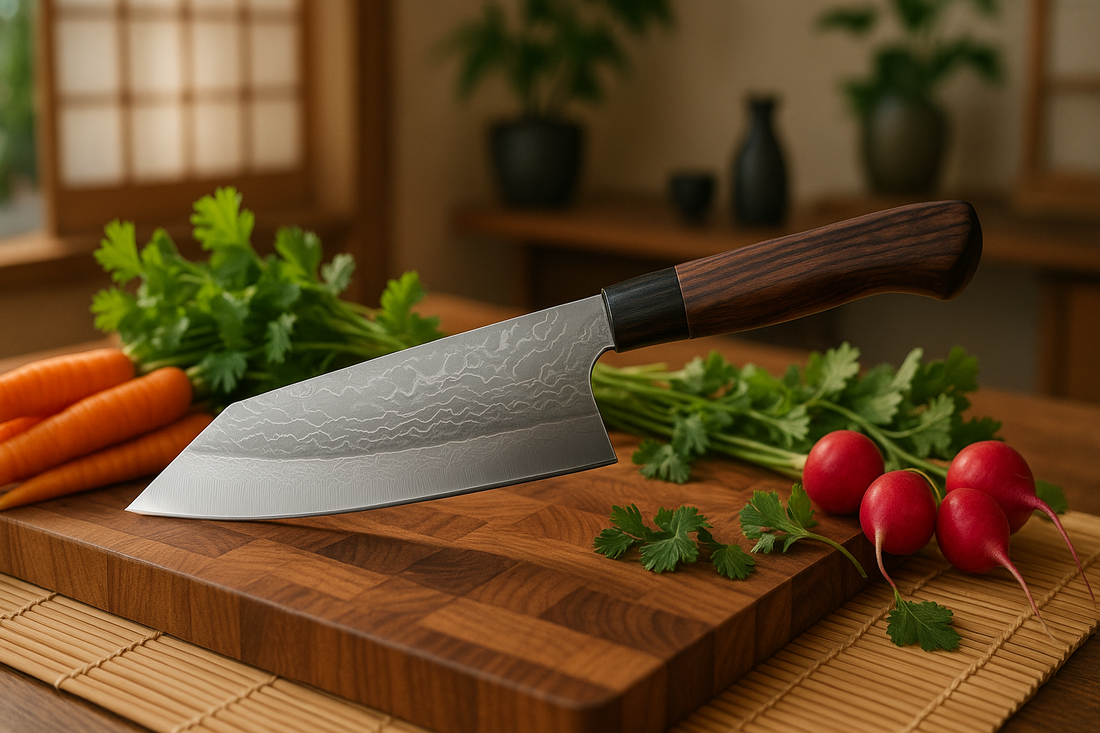
Bunka knife tip control techniques are the ways you move and steady the blade tip. They help you cut thin slices, trim vegetables, and make precise cuts near bones. Good tip control makes your work faster and cleaner. It also keeps you safe.
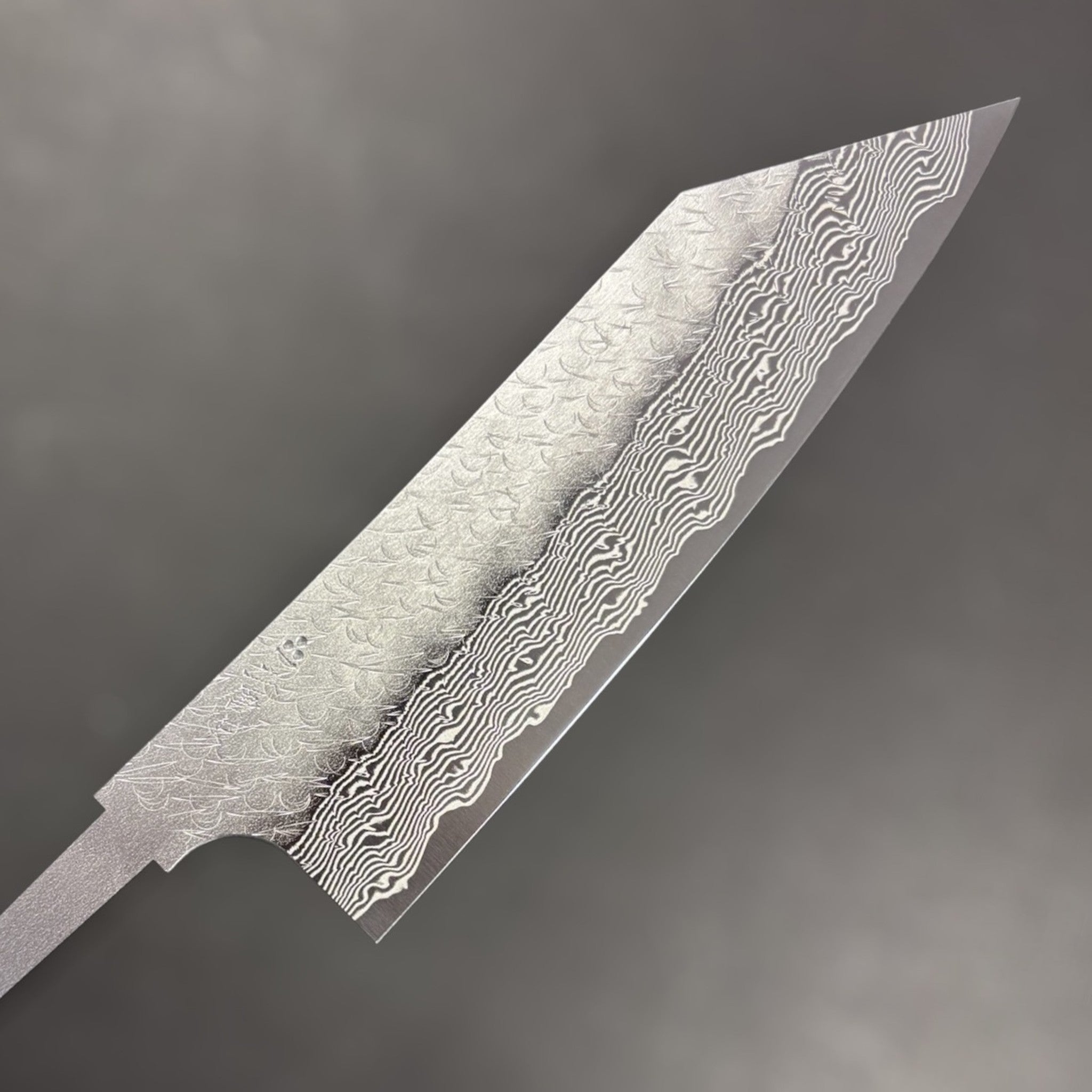
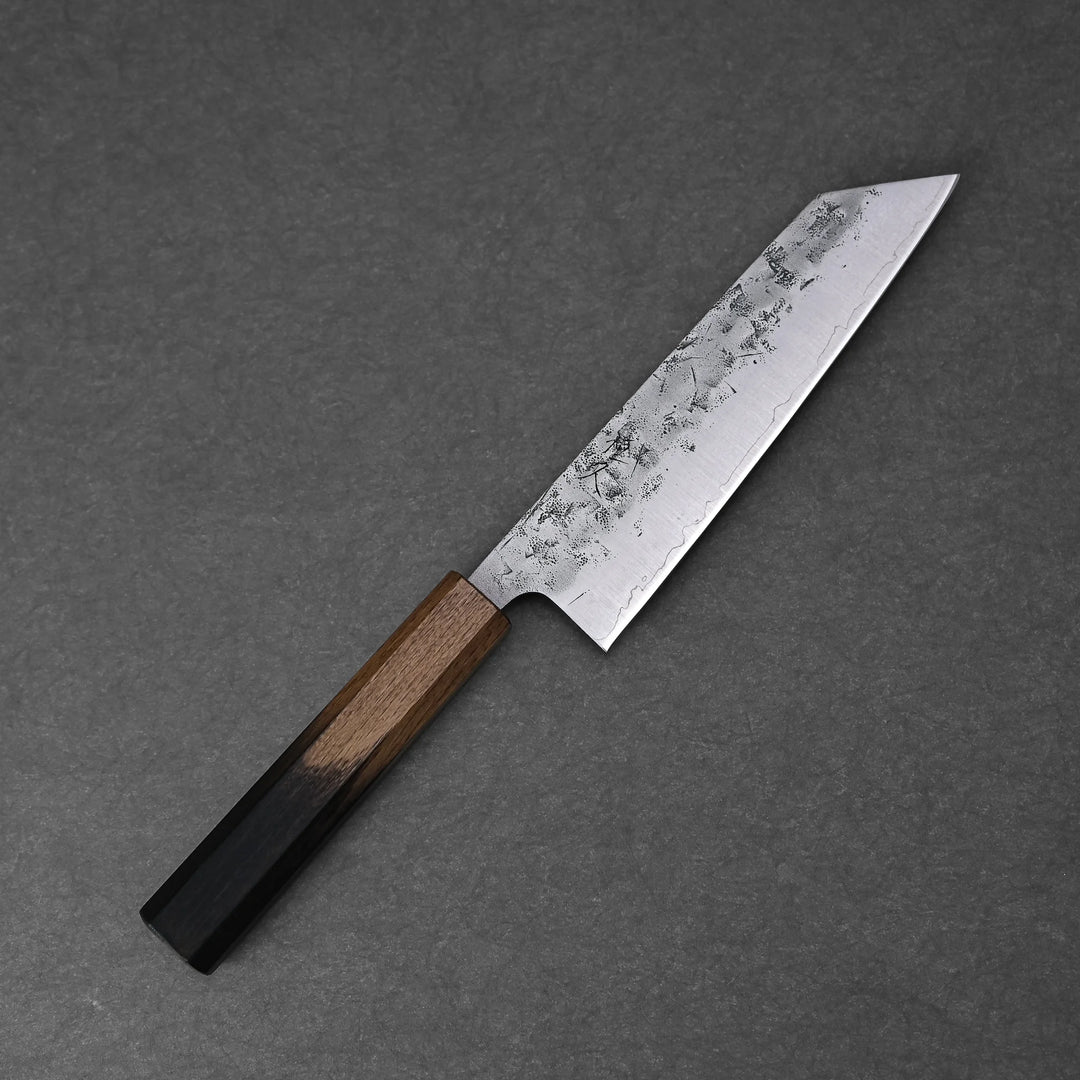
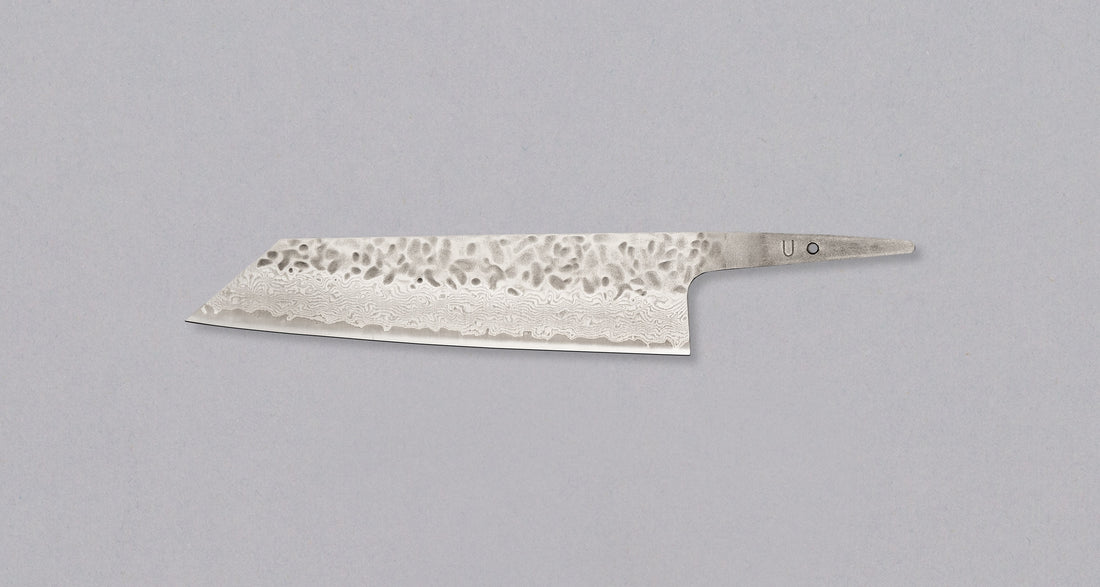
The bunka knife has a pointed tip and a flat belly. This shape is great for rocking and fine cuts. Tip control is a set of habits: grip, wrist angle, fingertip pressure, and blade path. Mastering these will make the knife feel like an extension of your hand.

Anatomy of the bunka knife that affects tip control
The knife shape affects how the tip moves. The main parts that matter are:
- Pointed tip
- Short to mid-length blade
- Slightly concave or flat belly
- Thin, sharp edge
A sharp tip needs less force. A well-balanced handle helps with fingertip precision. If the blade is blunt or heavy at the tip, tip control gets harder. Knowing these parts helps you pick the right bunka knife for the techniques you want to learn.
Core grips for bunka knife tip control techniques
There are a few grips that help tip control. Use them to match the cut you plan to make.
- Pinch grip: Hold the blade between thumb and side of index finger near the bolster. This gives the best control for precise tip work.
- Fingertip guide grip: Curl your guiding hand and rest the fingertips on the food while the tip does small moves. This keeps the cut straight and safe.
- Forward grip: Hold farther forward on the handle for detailed tip work on small items.
Practice each grip for 10 minutes. Switch grips to feel which one suits the cut. The pinch grip is my go-to for fine work.

Posture, wrist, and movement fundamentals
Good posture makes small motions stable. Stand with feet shoulder-width apart. Keep elbows relaxed and close to your body. Let your wrist lead small tip motions.
Key movement points:
- Use short wrist rotations for tip lifts.
- Move the knuckles along the food as a reference.
- Let the blade tip kiss the cutting board for controlled cuts.
Think of the tip as a pencil. Small, steady motions are better than big forceful ones.
Step-by-step bunka knife tip control techniques practice drills
Train with short drills. Repeat slowly and build speed.
- Tip taps drill: Tap the blade tip along the board in place for 60 seconds. Focus on even pressure and steady rhythm.
- Pinch-slide drill: Hold a carrot, pinch the blade, and slide the tip to create thin ribbons. Do 20 thin layers.
- Rock-and-tip drill: Rock the blade lightly while lifting and placing the tip for each cut. Use soft veg like cucumber.
- Dead-stop accuracy drill: Slice small grape tomatoes by stopping the tip at a mark. Aim for the same point each time.
Do each drill daily for 5–10 minutes. You will build feel and accuracy.

Common mistakes and how to fix them
These errors come up a lot. They are fixable.
- Gripping too hard makes motions stiff. Loosen your grip and breathe.
- Using the wrong part of the blade. Use the tip for detail. Use the belly for slicing.
- Over-rotating the wrist. Keep rotations small. Use the knuckle guide method.
- Cutting on a dull blade. Sharpen regularly. A sharp knife needs less tip force.
Fixes are simple. Slow down. Watch the tip. Adjust grip. Practice drills.

How blade sharpness and setup affect bunka knife tip control techniques
Sharpness changes everything. A sharp edge needs less push. It makes tip control lighter and safer.
Set up tips:
- Keep the edge at the right angle when sharpening.
- Maintain a thin, clean tip without chips.
- Check balance. A tip-heavy blade needs a different feel.
I sharpen my bunka every few weeks and strop it before service. That routine kept my tip control precise and reduced wrist strain.
Practical cuts and recipes where tip control matters
Tip control helps for many kitchen tasks. Here are practical uses:
- Fine julienne for garnishes
- Trimming fish and removing pin bones
- Decorative cuts on fruit and vegetables
- Detailed garnishes like chrysanthemum petals
Try a simple task: make thin radish roses. Use the tip to notch and shape. You will see how much detail the tip can add.
Safety and knife care for consistent tip control
Safety keeps practice productive. Keep your workspace stable. Use a non-slip board. Keep your fingers curled. Replace damaged knives. Store the blade safely.
Care tips:
- Dry the knife after washing.
- Use a honing rod between uses.
- Sharpen on a stone when needed.
Safe habits preserve your hand and the knife. They make tip control more reliable.
Personal experience, lessons learned, and real-world tips
I began with large chef knives and switched to a bunka for detail work. Tip control felt odd at first. I made these discoveries:
- Start slow and steady. Speed will come.
- Short daily drills beat long weekly practices.
- A small change to grip can fix big accuracy issues.
- Keep a small towel under your wrist for comfort on long prep shifts.
One mistake I made was sharpening the tip too bluntly. It robbed me of fine control. Fixing that restored my precision and confidence. Try small adjustments and track progress.
People also ask — quick PAA-style answers
Q: How long to practice bunka knife tip control techniques to see improvement?
A: You will notice small gains in a week with daily 5–10 minute drills. Real consistency takes a few months of regular practice.
Q: Can tip control reduce food waste?
A: Yes. Better tip control leads to cleaner trims and thinner slices, which saves usable product. It also improves presentation.
Q: Is bunka better than a petty knife for detail work?
A: The bunka is a hybrid. It gives a longer blade with a fine tip. For many cooks, it replaces petty and small chef knives for detail work.
Q: Should I change my cutting board for tip work?
A: Use a stable, forgiving board. Soft wood or quality plastic boards help the tip bite and give steady feedback.
Q: Can left-handed cooks use these techniques?
A: Absolutely. All drills and grips apply to left-handed cooks. Mirror the motions and keep the same focus on small wrist control.
Frequently Asked Questions of bunka knife tip control techniques
What is the best grip for bunka knife tip control techniques?
The pinch grip is usually best. It gives direct control near the blade and helps with small tip movements.
How often should I sharpen my bunka for good tip control?
Hone before each session and sharpen on a stone every few weeks, depending on use. A sharp tip is easier to control and safer.
Are there specific foods to practice tip control on?
Start with soft items like cucumber, tomato, and radish. Move to firmer veg like carrot once you feel stable.
Can tip control reduce finger injuries?
Yes. Better control reduces slips and saves fingers. Always guide cuts with curled fingernails and steady knuckles.
How long before I can use bunka knife tip control techniques in a restaurant?
With daily practice, you can be restaurant-ready in a few months. Speed and consistency improve with repetition and real service experience.
Conclusion
Tip control is a small skill with big payoff. Practice pinch grip, short wrist rotations, and daily drills. Keep your bunka sharp and balanced. Start with slow, focused sessions and build speed over time. Apply these bunka knife tip control techniques consistently, and you will see cleaner cuts, less waste, and faster prep. Try one drill today, track your progress, and share your wins or questions in the comments.
Maliha Khatun has spent 5 years hands-on testing Japanese knives for everyday home cooks. She has evaluated over 60 blades across nakiri, santoku, gyuto, and petty categories — scoring each on edge retention, steel quality, handle comfort, and value for money. She writes to help home cooks buy the right knife without the guesswork.
Expertise:Japanese Knives • Vegetable Knives • Product Reviews • Kitchen Efficiency • Knife Care
Leave a Reply