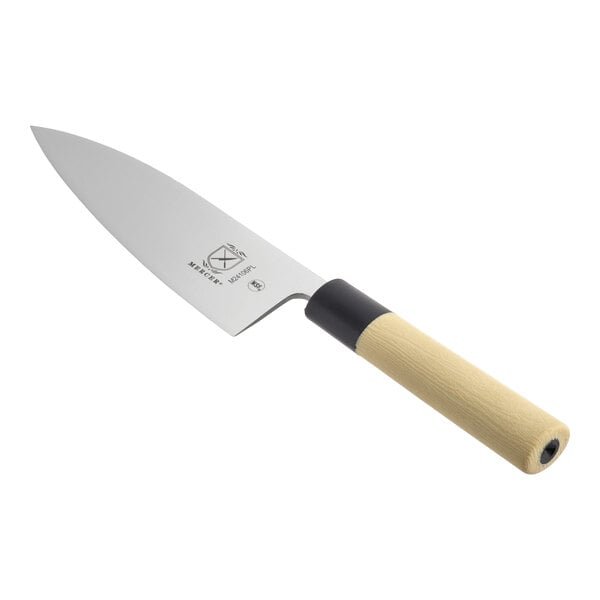
A deba knife guide explains use, care, and selection for Japanese fish butchery.
I have worked with Japanese knives for years and wrote this deba knife guide to share clear, practical expertise. This guide breaks down what a deba is, how it differs from other kitchen knives, and how to choose, use, sharpen, and care for one. Read on to get confident with your deba knife and avoid common mistakes that ruin blades or fish.
What is a deba knife? — Clear definition and purpose
A deba knife guide starts with a simple definition. A deba is a single-bevel, heavy Japanese knife designed for cutting fish and light butchery. It has a thick spine, a pointed tip, and a bevel that favors one side for precise cuts. This tool excels at filleting, severing heads and bones, and tasks where weight and control matter.

Source: co.jp
History and cultural role of the deba knife
A good deba knife guide notes the knife’s roots in Japan’s fishing culture. Craftsmen in Sakai and other regions shaped deba over centuries to process whole fish efficiently. Traditional forging and single-bevel geometry come from a need for clean cuts and long edge life. Today, the deba remains central in sushi and sashimi work and in households that prepare whole fish.
Anatomy and key features to know
A proper deba knife guide explains the parts and why they matter.
- Blade profile — Thick near the spine with a tapered edge for strong, precise cuts.
- Single bevel — One flat side and one angled side for very sharp, directional slicing.
- Heel and tip — Heavy heel for cutting through bone; pointed tip for detailed trimming.
- Handle — Often octagonal or D-shaped for grip and control during heavy use.
Understanding these elements helps you pick and use the right deba for the job.
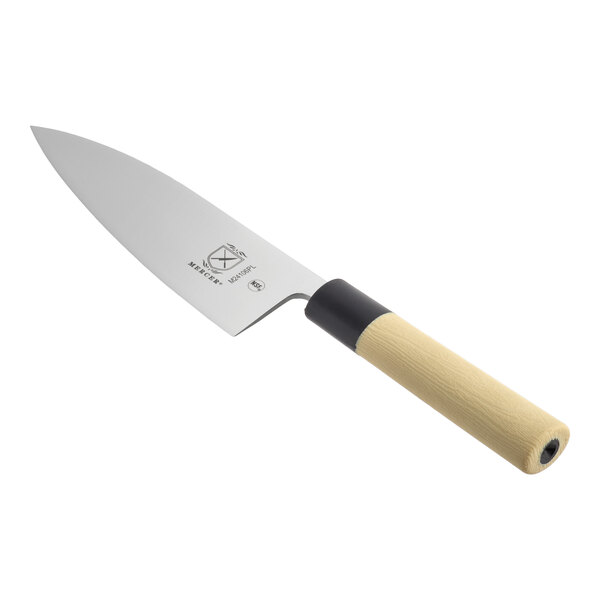
Source: webstaurantstore.com
Types of deba and common uses
This deba knife guide covers the main styles and their uses.
- Traditional Japanese deba — Single-bevel, heavier, best for larger fish and bone work.
- Double-bevel or westernized deba — Easier to use for beginners and ambidextrous cooks.
- Mini or petty deba — Smaller for delicate tasks and small fish.
Use cases: - Filleting whole fish and removing heads.
- Cutting through small bones and joints.
- Breaking down poultry or light butchery when needed.
How to choose the right deba knife for you
A practical deba knife guide helps match the knife to your needs.
- Consider blade size — 165–210 mm suits most home cooks; larger blades for big fish.
- Choose bevel type — Single-bevel for precision and traditional work; double-bevel for ease.
- Steel choice — Carbon steel sharpens easily and holds an edge; stainless is low-maintenance.
- Handle comfort — Try grips that fit your hand; wood feels traditional, synthetics resist moisture.
Test balance and feel before buying when possible, and prioritize fit over brand.

Source: foodgear.dk
Care, cleaning, and storage best practices
A useful deba knife guide stresses proper care to extend blade life.
- Clean by hand — Rinse and wipe immediately after use; avoid dishwashers that damage steel and handle.
- Dry fully — Prevent rust on carbon steels by drying and airing after wiping.
- Oil lightly — Apply food-safe oil to carbon blades for rust prevention when storing long-term.
- Store safely — Use a wooden saya, magnetic strip, or knife block to protect the edge and prevent accidents.
Sharpening and edge maintenance
This deba knife guide explains sharpening basics in plain terms.
- Use whetstones — Start coarse for chips, progress to 1000–6000 grit for a fine edge.
- Respect the bevel — Single-bevel deba require sharpening on the bevel side and light stropping on the flat side.
- Angle control — Maintain the original angle. Typical single-bevel angles range 10–15 degrees on the edge side.
- Frequency — Light honing before each use keeps the edge; full sharpening depends on use, often every few months.
If you are new to stones, practice on inexpensive steels first or consult a professional sharpener.
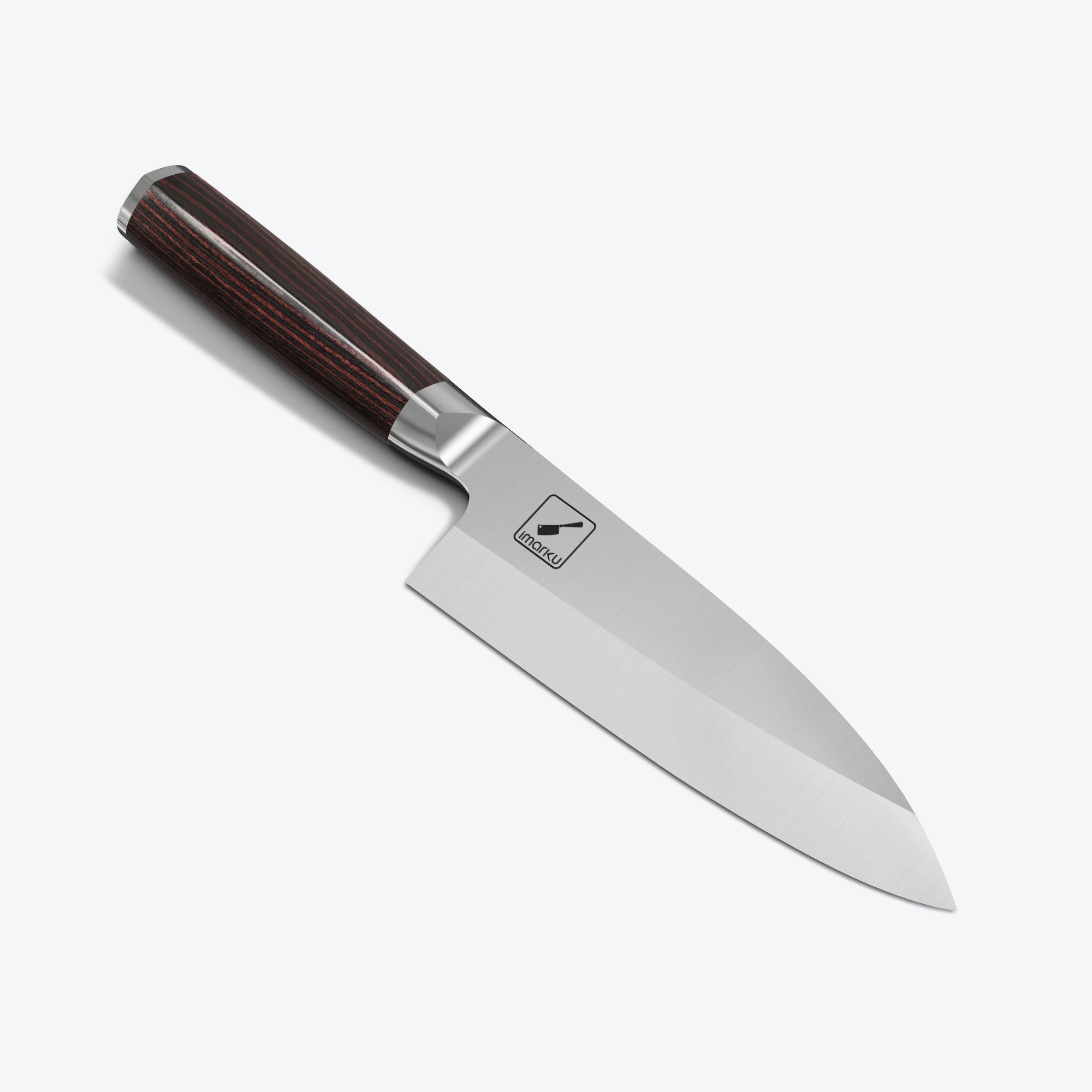
Source: imarku.net
Safety and cutting techniques
A deba knife guide should teach safe handling and efficient technique.
- Use a sturdy cutting board — Thick wood or plastic reduces slipping and protects the blade.
- Control with your non-cutting hand — Grip fish firmly and move the blade with a single, decisive motion.
- Avoid twisting the blade in bone — Let the heel’s weight do the work and cut repeatedly rather than force.
- Maintain posture — Keep your blades and body aligned to reduce slips and strain.
These habits protect both you and the knife.
Buying guide, brands, and price expectations
This deba knife guide helps you shop smart.
- Price ranges — Entry-level deba can start around $80–$150; mid-range $150–$400; high-end artisanal knives go above $400.
- Brand and maker — Look for reputable makers and honest steel specs. Authentic Japanese-forged knives often command higher prices.
- Test the balance and weight — A good deba feels steady in the hand and not awkwardly heavy.
- Warranty and return policy — Buy where you can return or service the blade if it arrives damaged or poorly finished.
My personal experience and lessons learned
I have used deba knives in kitchens and at fish markets. I learned to respect the single-bevel edge early on. One mistake I made was forcing a dull deba through bones; the blade chipped and needed pro-level repair. Now I keep a whetstone handy and use the deba for head removal and filleting only. That care extended the blade life and made daily prep much faster.
Frequently Asked Questions of deba knife guide
What is the main use of a deba knife?
A deba knife is primarily used for filleting fish and cutting through fish heads and small bones. It can also handle light butchery tasks like breaking down poultry.
Can a deba knife be used for vegetables?
A deba is not ideal for delicate vegetable work due to its weight and single-bevel geometry. Use a thinner, double-bevel knife for precision vegetable slicing.
How do I sharpen a single-bevel deba knife?
Sharpen on a whetstone, working the bevel side with the original angle and lightly polishing the flat side. If unsure, practice on inexpensive blades or consult a professional.
Is carbon steel or stainless steel better for a deba?
Carbon steel sharpens easily and holds an edge well but needs more care to prevent rust. Stainless steel resists corrosion but may require more frequent sharpening.
How often should I sharpen my deba knife?
Light honing can be done before or after many uses, and full sharpening is typically needed every few months depending on frequency and what you cut. Monitor performance and sharpen when you notice resistance or irregular cuts.
Conclusion
This deba knife guide gives you the tools to choose, use, and care for a deba with confidence. Start with the right size and bevel for your needs, maintain the edge with simple stropping and wetstone work, and handle the knife with proper technique. Take one practical step today: try cleaning and lightly oiling your deba after the next use, or book a sharpening lesson to feel the difference. Share your experience or questions below and subscribe for more hands-on knife guides and tips.
Maliha Khatun has spent 5 years hands-on testing Japanese knives for everyday home cooks. She has evaluated over 60 blades across nakiri, santoku, gyuto, and petty categories — scoring each on edge retention, steel quality, handle comfort, and value for money. She writes to help home cooks buy the right knife without the guesswork.
Expertise:Japanese Knives • Vegetable Knives • Product Reviews • Kitchen Efficiency • Knife Care
Leave a Reply