A gyuto knife guide helps you pick, use, and maintain a versatile Japanese-style chef's knife.
I have spent years testing knives in busy kitchens and at home. This gyuto knife guide brings that hands-on experience to you. Expect clear advice on styles, steels, sizes, and care. I will show what works, what fails, and how to choose the best gyuto for your cooking.

What is a Gyuto Knife?
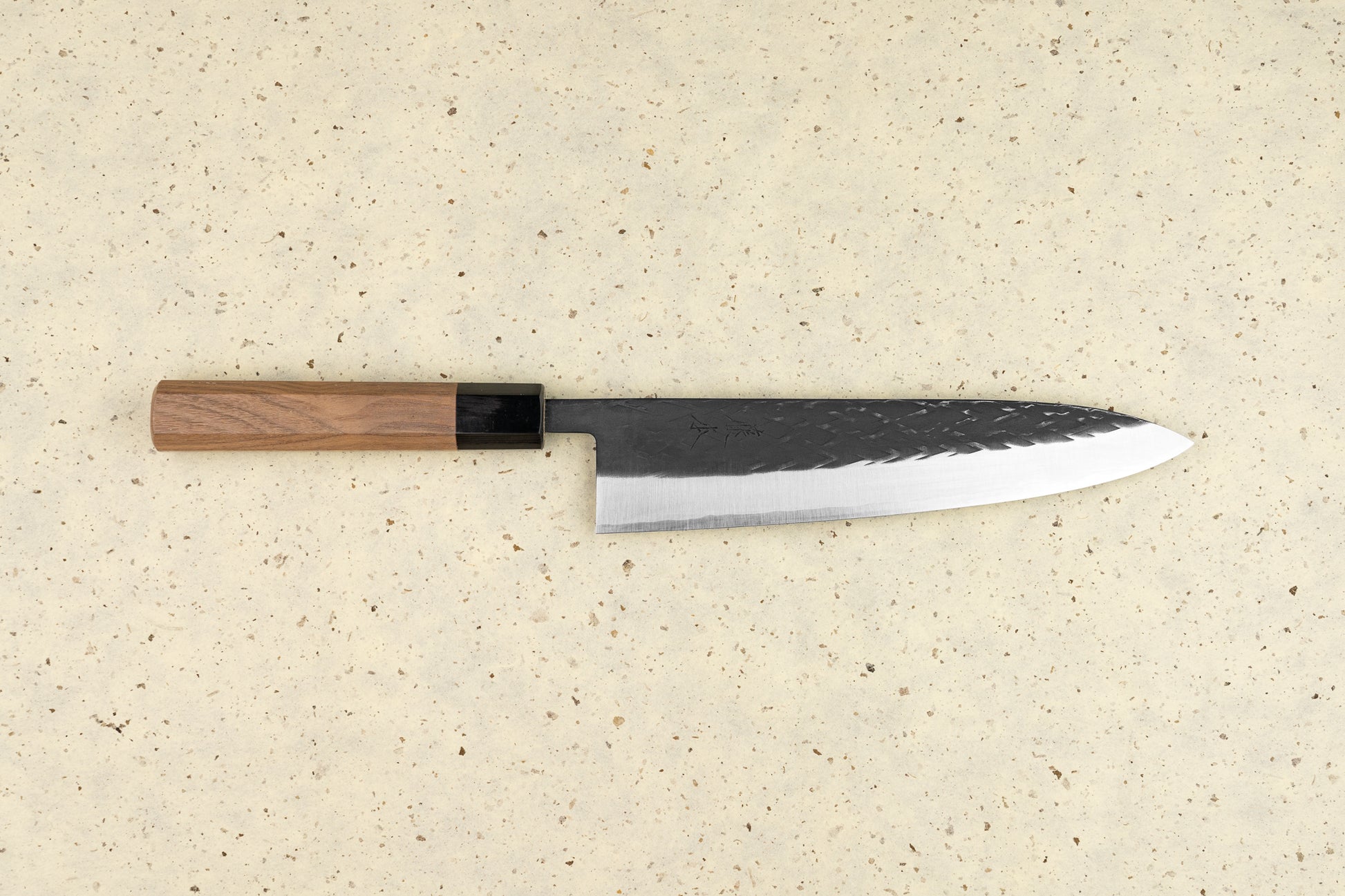
A gyuto knife guide begins with a clear definition. A gyuto is a Japanese chef's knife. It blends Western chef-knife length with a thinner, often sharper Japanese blade profile. Gyuto means "beef sword" in Japanese, but cooks use it for everything. It is ideal for slicing, dicing, chopping, and fine work.
Key traits of a gyuto:
- Blade length commonly ranges from 180 mm to 300 mm.
- Blade shape tapers to a pointed tip for precision.
- Edge angles are usually sharper than Western knives, often 15 degrees per side or less.
- It can be single-bevel or double-bevel depending on maker and use.
This gyuto knife guide will help you understand how those traits affect performance. Many chefs favor gyuto knives for their speed and versatility. I have used gyutos for meat, fish, and vegetables. They handle each task well.
Gyuto vs Other Knives: What Makes It Unique
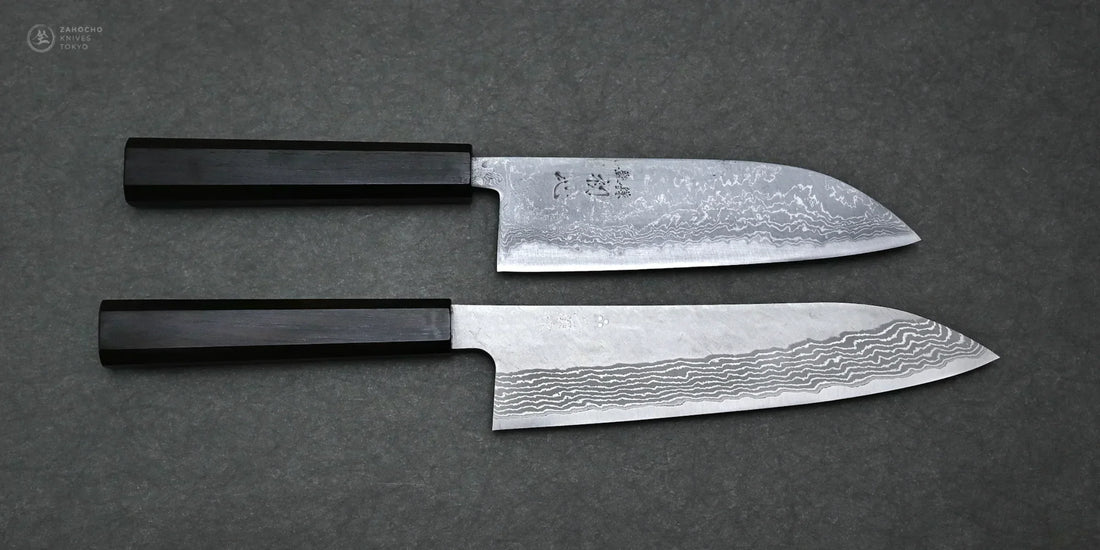
This part of the gyuto knife guide compares similar knives. Knowing the differences helps you choose the right tool.
Gyuto vs Western chef's knife:
- Gyuto has a thinner blade and a steeper edge angle.
- Western chef's knives use heavier blades and rounder tips for rock-chopping.
Gyuto vs Santoku:
- Gyuto usually has a longer blade and a pointed tip.
- Santoku is shorter with a flatter profile and is optimized for push-cutting.
Gyuto vs Nakiri:
- Nakiri is a vegetable knife with a straight edge.
- Gyuto is more versatile and better at pointed cuts and long slices.
Gyuto vs Yanagiba:
- Yanagiba is a long single-bevel slicer for sashimi.
- Gyuto is multipurpose and easier for everyday use.
This gyuto knife guide shows that the gyuto fits cooks who want one strong, versatile blade. Many kitchens replace multiple knives with a good gyuto.
Anatomy and Materials of a Gyuto Knife
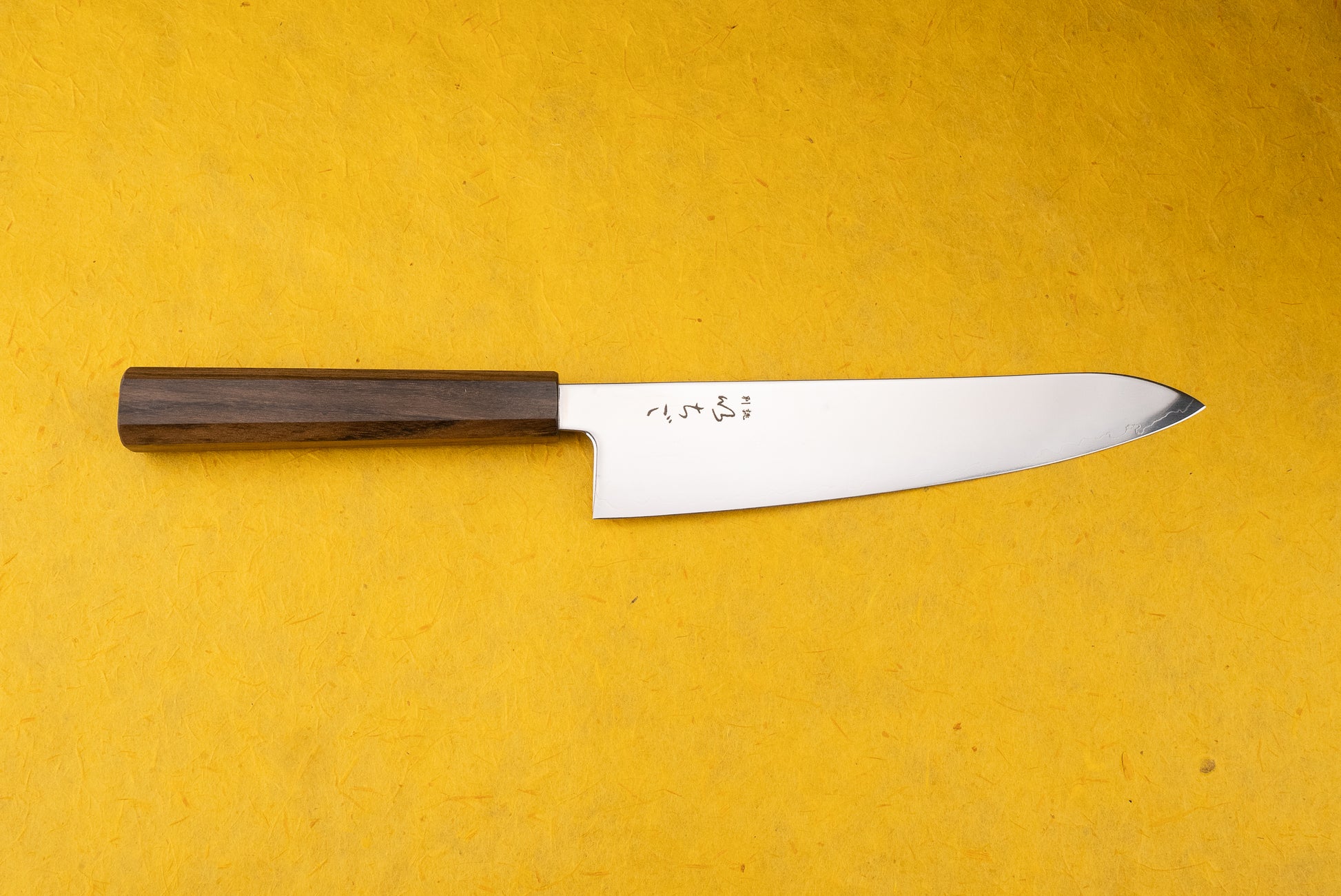
A strong gyuto knife guide must explain anatomy and steel. Knowing parts and materials helps you care for and choose a knife.
Blade components:
- Edge — the sharpened cutting surface. Angle affects sharpness and durability.
- Spine — the top, uncut thickness. Thicker spine adds heft.
- Belly — the curved part used for rocking cuts.
- Tip — used for detail work and piercing.
Common steels:
- Carbon steel offers sharpness and ease of resharpening. It can rust if not cared for.
- Stainless steel resists corrosion and is low maintenance. It may be harder to sharpen to extreme edges.
- Powder metallurgy and high-alloy steels balance edge retention and toughness.
Construction styles:
- Forged — typically fuller-bodied. Often balanced and durable.
- Stamped — lighter and less costly. Common in budget gyutos.
- San-mai and clad — a hard core steel clad by softer layers for strength and corrosion resistance.
Handles:
- Western-style handles are rounder and thicker.
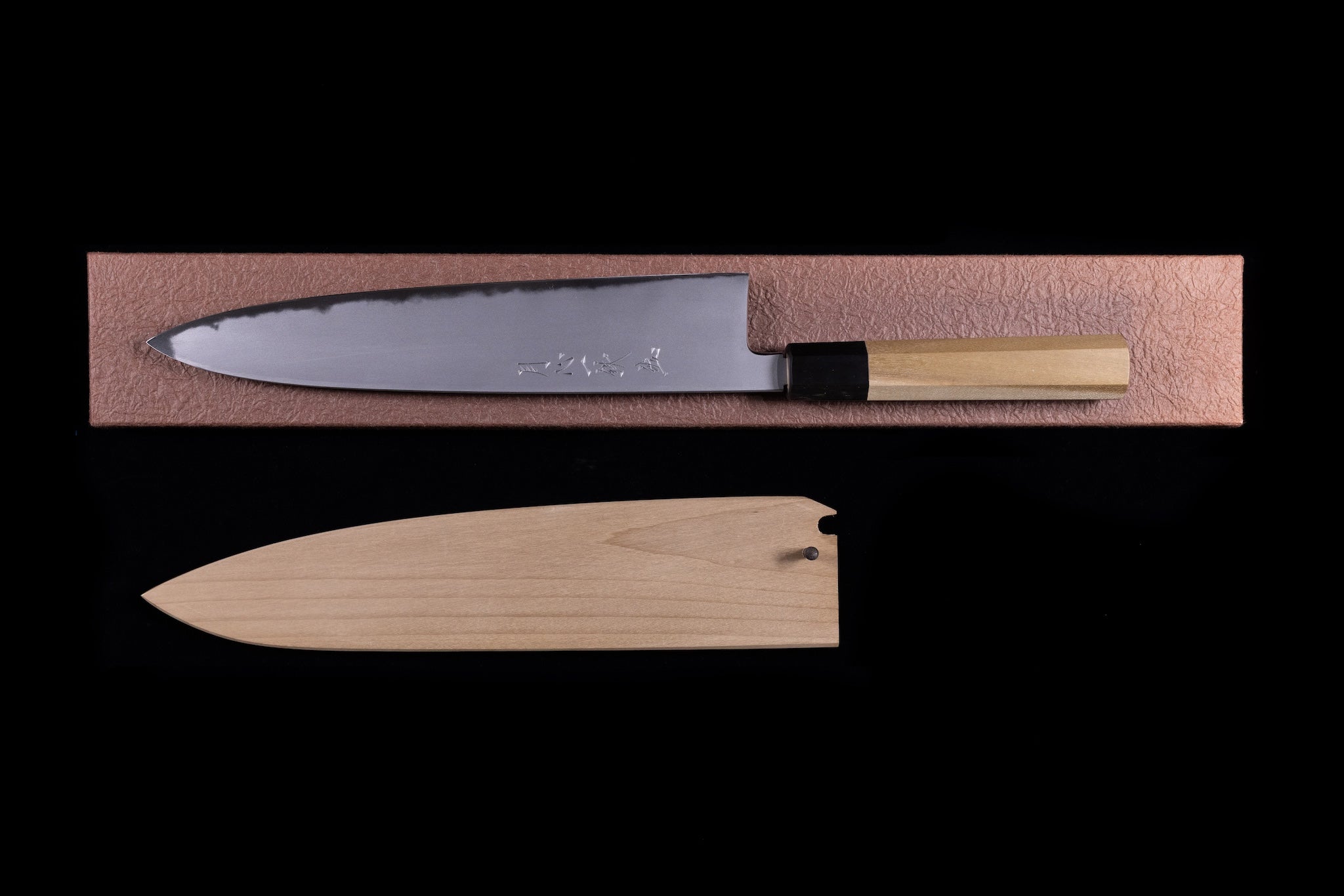
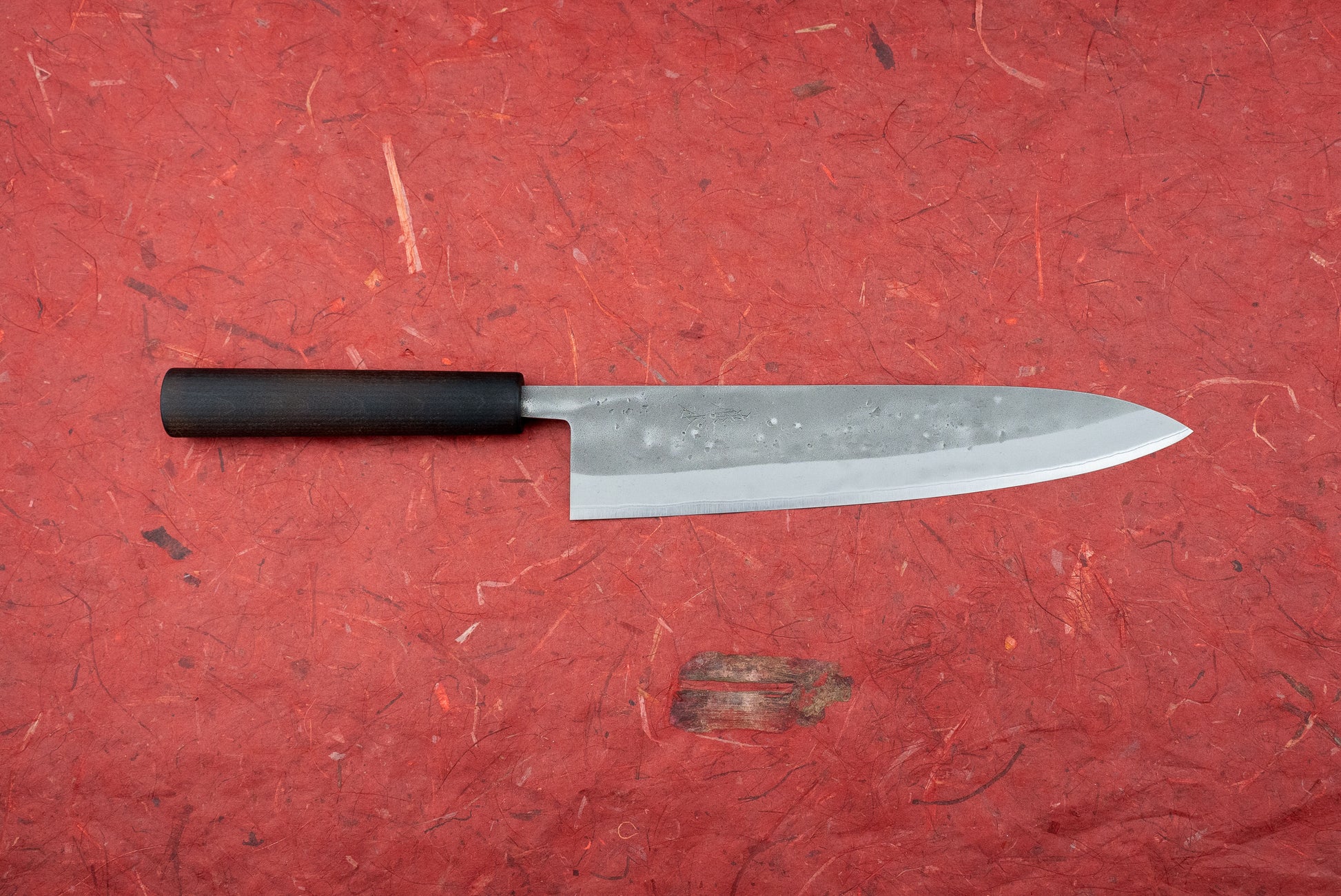
- Wa-style handles are lighter and often octagonal, favored in Japanese knives.
- Material ranges from wood to composite stabilized materials.
This gyuto knife guide helps you match steel and handle to cooking style. I prefer a clad steel gyuto with a wa handle for control and lighter weight in long prep sessions.
How to Choose the Right Gyuto Knife
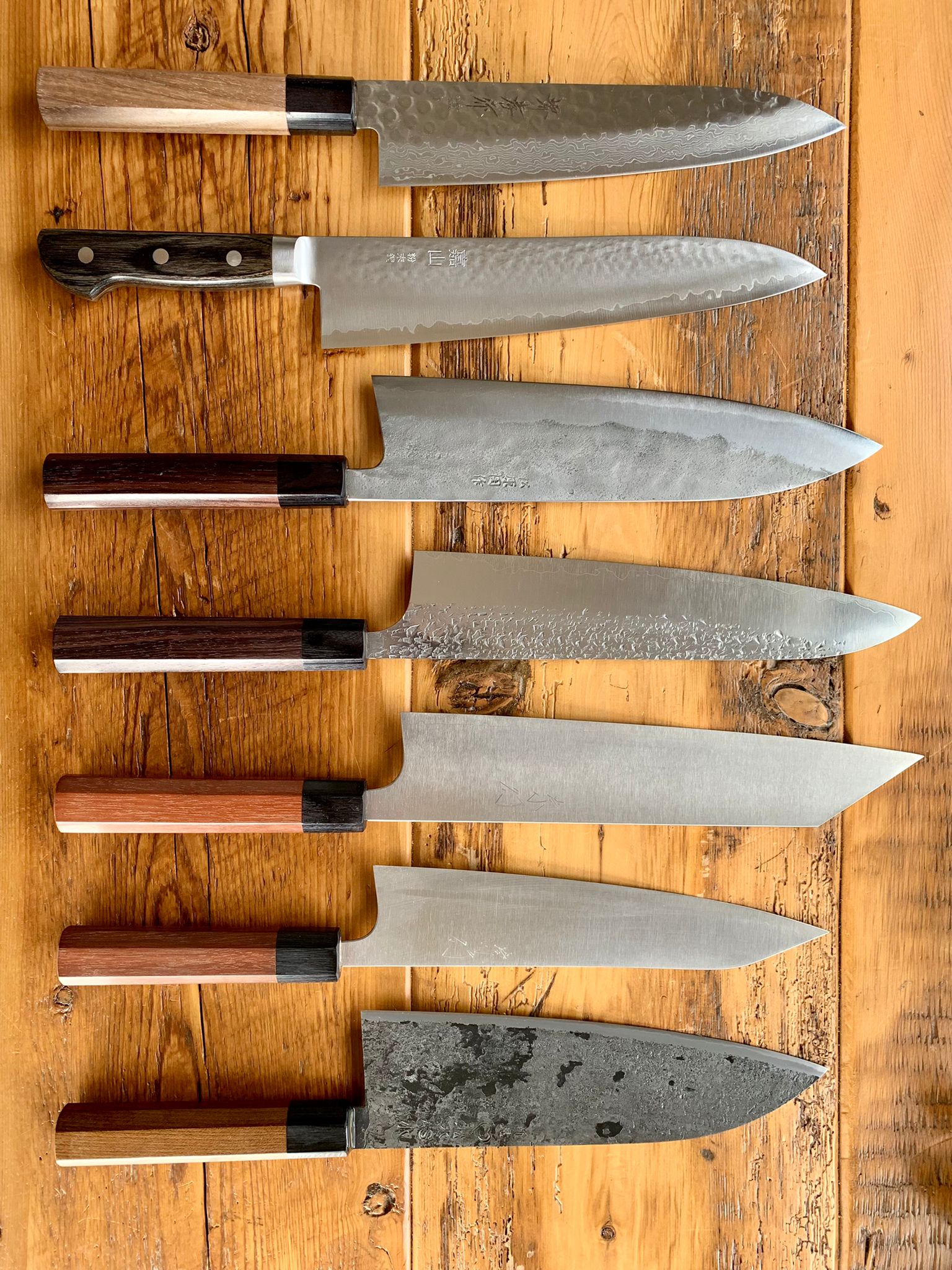
Use this gyuto knife guide to choose a good fit. Pick a blade that matches your hands and cooking.
Decide on blade length:
- 180–210 mm is great for home cooks and small kitchens.
- 210–240 mm is the sweet spot for most cooks and pros.
- 240–300 mm suits large kitchens and big cutting tasks.
Consider steel and edge:
- Choose carbon steel if you want the sharpest edge and can maintain it.
- Choose stainless or powder steels for low maintenance and long edge life.
- Edge angle: 15 degrees per side for a balance of sharpness and durability.
Balance and weight:
- Heavier gyutos power through dense items.
- Lighter gyutos give more speed and finesse.
- Try holding the knife if possible to test balance and comfort.
Budget tiers:
- Entry-level gyuto knives often use stamped stainless steel and simple handles.
- Mid-range models use better steels, cladding, and improved handle fit.
- High-end gyutos use premium core steels, custom shaping, and artisan finishing.
This gyuto knife guide recommends trying a few knives in person. If you can’t, read specs and reviews carefully. I have found that a mid-weight gyuto around 210 mm fits most home cooks best.
How to Use and Care for a Gyuto Knife
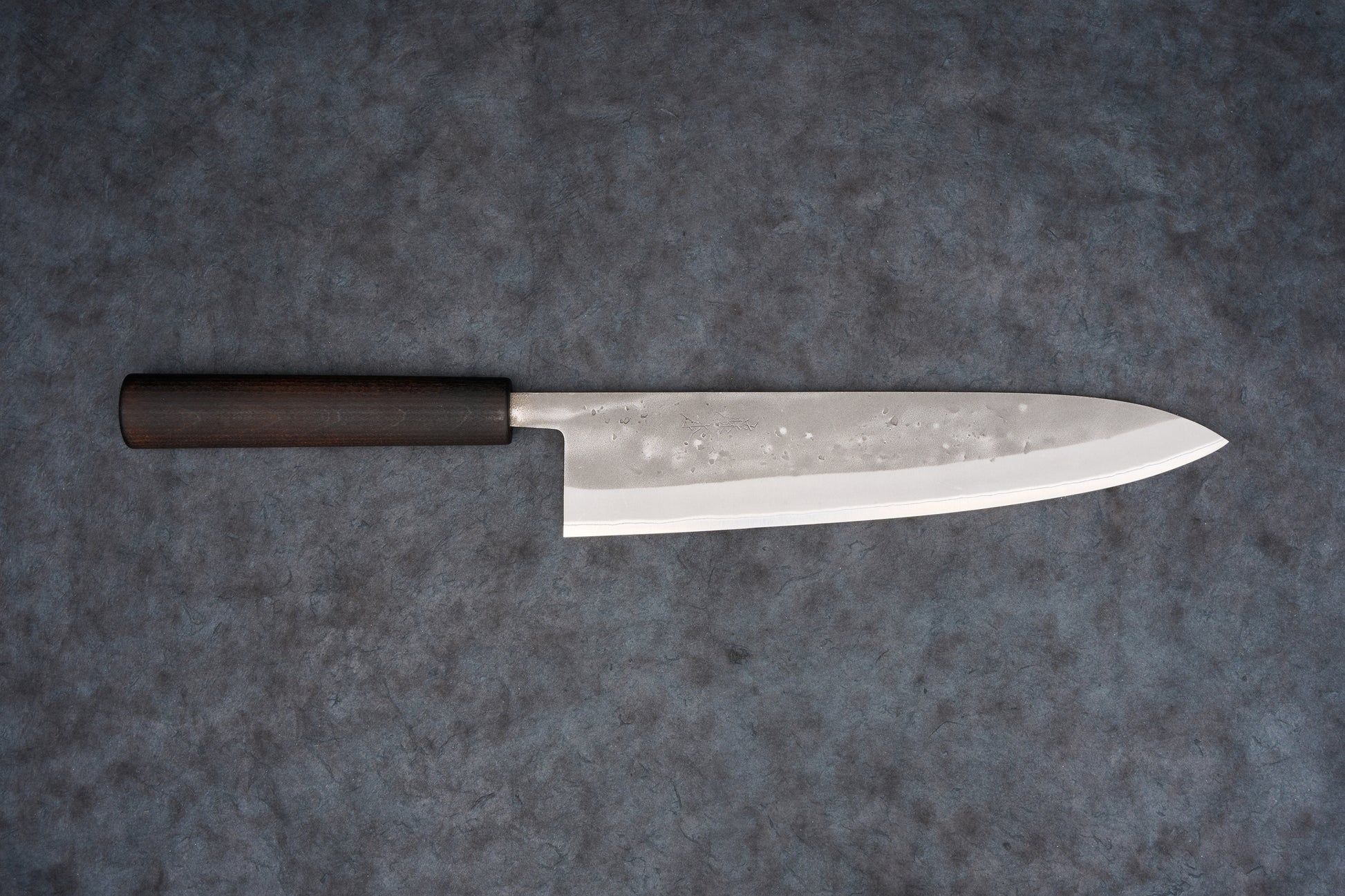
A complete gyuto knife guide must include safe use and care. Proper technique keeps your knife sharp and safe.
Basic cutting technique:
- Hold the handle with a firm but relaxed grip.
- Use your other hand to guide food with a claw grip.
- Use long slicing motions for proteins and short rocking for vegetables.
Sharpening and honing:
- Hone often with a ceramic rod or honing steel to realign the edge.
- Sharpen on stones when honing no longer restores the edge. Start with 1000 grit, finish with 3000–6000 grit for home use.
- Use consistent angle; a 15-degree per side angle is common for gyutos.
Cleaning and storage:
- Wash by hand with warm water and mild soap.
- Dry immediately to prevent rust, especially with carbon steel.
- Store in a magnetic strip, wooden block, or sheath to protect the edge.
Regular care tips:
- Avoid cutting frozen foods or bones.
- Don’t use dishwasher cycles or harsh detergents.
- Reprofile the edge only if the bevel is damaged or very worn.
This gyuto knife guide reflects my routine. I hone daily and stone-sharpen monthly for light home use. That keeps the blade fast and reliable.

Common Mistakes and Tips from Experience
This gyuto knife guide shares common errors and practical fixes. Learning from mistakes saves money and time.
Mistakes to avoid:
- Using a gyuto on frozen items or bones, which can chip the edge.
- Putting a high-carbon gyuto in the dishwasher and causing rust.
- Sharpening with inconsistent angles, which ruins the edge profile.
Practical tips I learned:
- Use a soft cutting board like wood or dense plastic. It preserves the edge.
- Pair a gyuto with a smaller paring knife to avoid overusing the gyuto on tiny tasks.
- If you buy a very hard steel, accept that sharpening will be slower but less frequent.
Small habits improve long-term use. I once ruined a beloved blade by leaving it wet overnight. I now dry and oil my carbon steel gyutos after use.
Buying Guide and Recommended Profiles
This gyuto knife guide helps you choose by use case. Below are recommended profiles for common buyers.
Home cook on a budget:
- Seek a stamped stainless 200–210 mm gyuto.
- Look for a comfortable handle and decent edge retention.
Enthusiast and weekend chef:
- Choose a clad gyuto with a VG10, AUS10, or similar core steel.
- 210–240 mm is a versatile size.
Professional and serious home chefs:
- Consider powder metallurgy steels or high-carbon steels like Aogami or white steel.
- Custom or forged gyutos provide superior balance and edge performance.
What to inspect when buying:
- Edge finish and uniformity.
- Handle fit and joint quality.
- Blade flatness and straightness.
This gyuto knife guide suggests trying before buying when possible. If ordering online, check return policies and warranties. My best purchases came after holding a knife in the hand and feeling the balance.
Maintenance Schedule and Troubleshooting
A practical gyuto knife guide must provide a maintenance plan. Follow this schedule to keep blades ready.
Maintenance schedule:
- Daily: hone with a ceramic rod or steel.
- Monthly: light resharpen on a 1000–3000 grit stone for casual users.
- Quarterly: full sharpening progression and polish for heavy users.
- Yearly: pro-level honing and check for chips or regrind if needed.
Troubleshooting:
- Chips in the edge — stop using and repair on a coarse stone or by a pro sharpener.
- Rust spots — remove with a fine abrasive and oil the blade often.
- Roll-over edge — hone lightly to realign the edge. If deep, sharpen on a stone.
This gyuto knife guide values prevention. Routine honing and careful use remove most problems before they grow.
Frequently Asked Questions of gyuto knife guide
What is the ideal size for a gyuto for home cooks?
A 210–240 mm gyuto suits most home kitchens. It balances control, reach, and versatility without feeling bulky.
How often should I sharpen a gyuto knife?
Hone daily or before heavy use and sharpen on stones when honing no longer restores the edge. For regular home use, stone-sharpen every 1–3 months.
Can I use a gyuto for boning or heavy meat cutting?
Avoid cutting through bones with a gyuto. It can chip the edge. Use a cleaver or boning knife for heavy bone work.
Is a carbon steel gyuto better than stainless?
Carbon steel gets sharper and is easier to reprofile, but it will rust without care. Stainless is lower maintenance and suits busy kitchens.
How do I maintain the edge angle on a gyuto?
Use a guide or train your wrist to keep a consistent angle when sharpening. Many pros use a 15-degree per side angle for balance.
Can I use a gyuto for vegetables and fish?
Yes. A gyuto is designed for multi-tasking. It slices fish and chops vegetables well when kept sharp.
Conclusion
This gyuto knife guide has given clear steps to choose, use, and care for a gyuto. You now know blade types, steels, sizes, and maintenance routines. Start by picking a size that fits your hand. Hone regularly and sharpen on stones when needed. Practice safe cutting technique and use the right knife for tough jobs.
Take action today: try a 210 mm gyuto if you own none. Sharpen and hone it for a week. Notice the change in speed and precision. Share your experience or ask questions below to refine your choice.

Maliha Khatun has spent 5 years hands-on testing Japanese knives for everyday home cooks. She has evaluated over 60 blades across nakiri, santoku, gyuto, and petty categories — scoring each on edge retention, steel quality, handle comfort, and value for money. She writes to help home cooks buy the right knife without the guesswork.
Expertise:Japanese Knives • Vegetable Knives • Product Reviews • Kitchen Efficiency • Knife Care
Leave a Reply