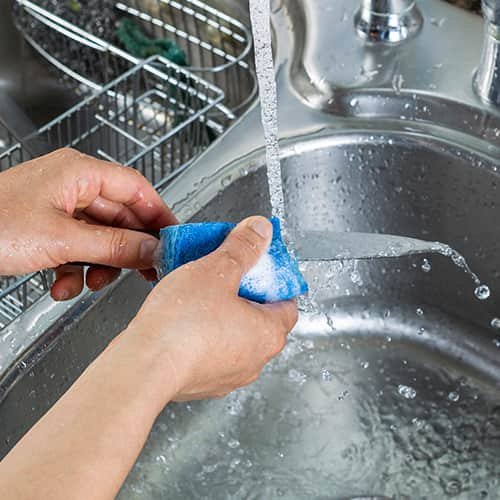
Wash knives by hand with warm water, mild soap, and a soft cloth; dry immediately.
I have decades of hands on experience as a home cook and kitchen instructor, and I’ll walk you through exactly how to clean kitchen knives so they stay sharp, safe, and long-lived. This guide covers simple daily care, deep cleaning for stains and rust, sanitizing tips, material-specific advice, and real-world mistakes to avoid everything you need to treat your knives like pro tools.
Why clean kitchen knives matter
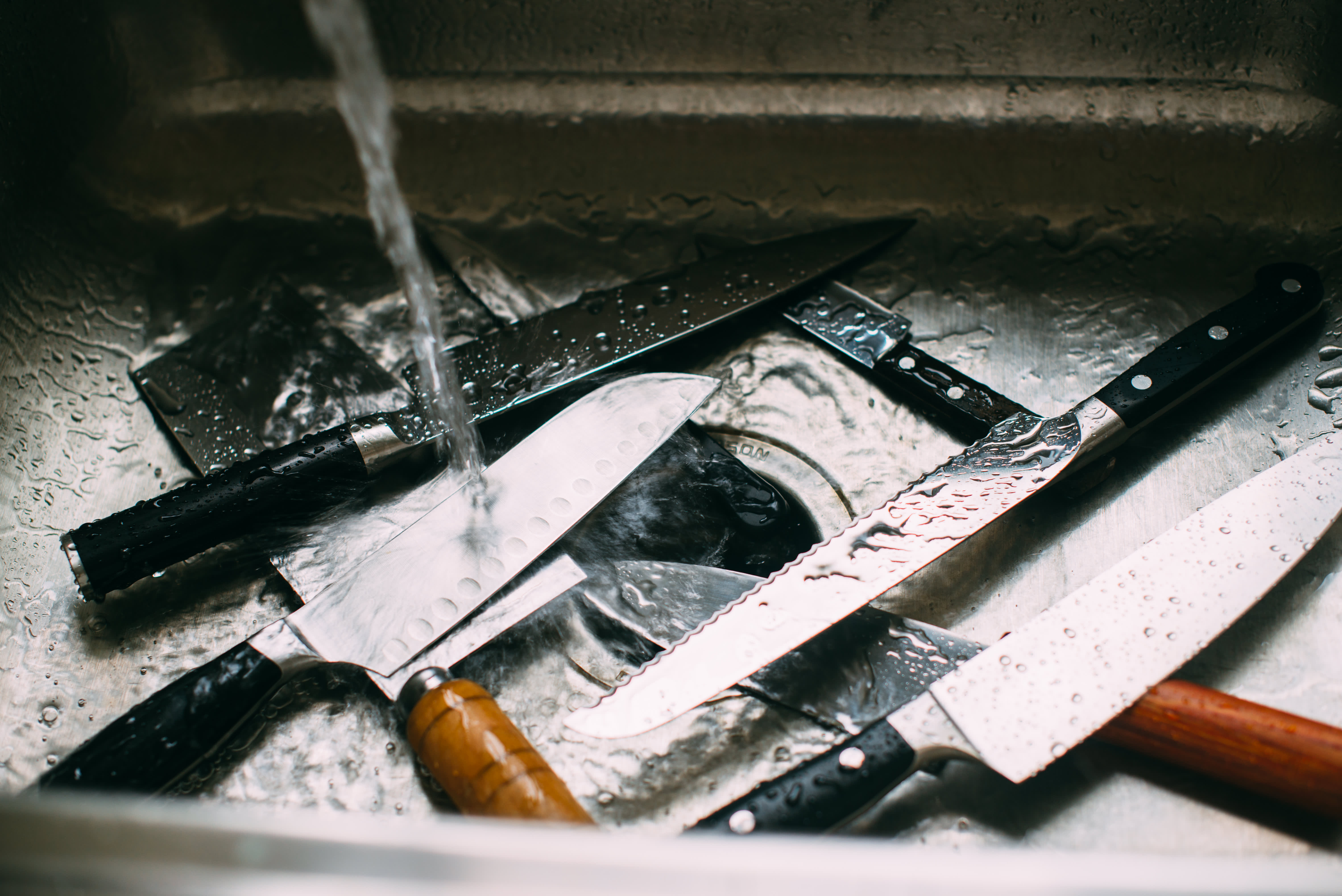
Clean knives cut better, are safer, and last longer. Food residue, acids, and moisture speed up corrosion and dulling. Regular cleaning also prevents cross-contamination and foodborne illness. Learning how to clean kitchen knives properly protects your investment and keeps your prep fast and hygienic.
Tools and supplies you need to clean kitchen knives
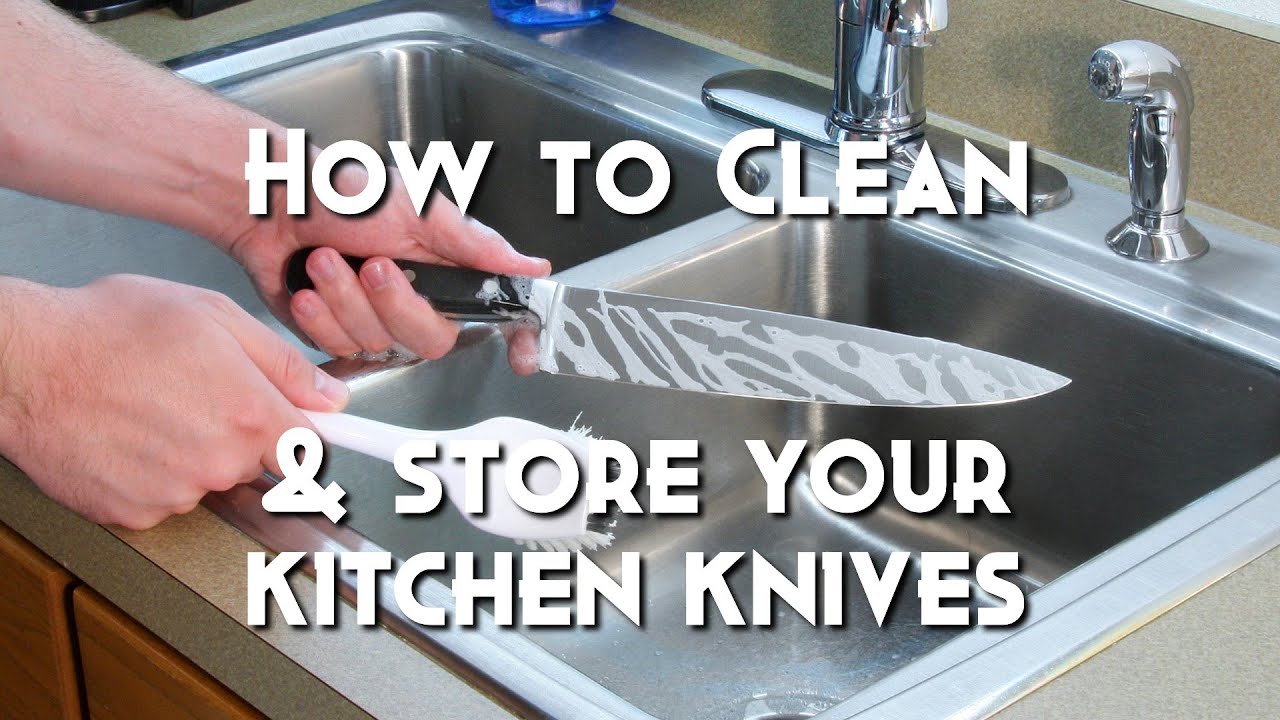
Use simple, safe supplies you likely already own.
- Warm water for rinsing.
- Mild dish soap to remove grease and food.
- Soft sponge or microfiber cloth—never steel wool on a fine edge.
- Soft nylon brush for textured handles and bolsters.
- Food-safe oil (mineral oil) for carbon steel and wooden handles.
- Rust eraser or very fine abrasive for light rust spots.
- A safe drying towel or rack.
Keep these tools within reach. Having the right supplies makes learning how to clean kitchen knives quick and routine.

Step-by-step: how to clean kitchen knives (everyday method)
Follow these simple steps for daily cleaning after each use.
- Rinse off large debris under warm running water.
- Add a drop of mild dish soap to a soft sponge and gently wipe the blade from spine to edge. Move the sponge away from your fingers to avoid cuts.
- Clean the handle and the area where blade meets handle; food can hide there.
- Rinse soap completely under warm water.
- Dry the blade and handle immediately with a clean towel. Do not air-dry.
- Store the knife in a block, magnetic strip, or blade guard.
Doing this every time shows how to clean kitchen knives in a safe, consistent way that keeps edges sharp and prevents rust.

Quick questions people ask about daily cleaning
How often should I clean my knife during prep?
Rinse and clean between tasks that risk cross-contamination, such as switching from raw meat to vegetables. A quick wash and dry between uses keeps food safe.
Can I wash knives in the dishwasher?
Dishwashers can dull blades and harm handles; hand-washing is best. The heat and detergent in dishwashers speed corrosion and damage glued handles.
Is soap necessary every time?
Yes. Soap removes oils and food particles that harbor bacteria and cause wear. Rinse alone won’t remove grease well.
Deep cleaning and stain removal for knives
For tough stains, rust, or sticky residue, use a careful deep clean.
- Make a paste of baking soda and water for mild stains. Apply, let sit 10 minutes, then gently rub with a soft cloth and rinse.
- For rust spots, use a rust eraser or very fine steel wool with minimal pressure along the blade, then oil the metal.
- For baked-on food, soak only the blade area briefly in warm soapy water—never soak knives with wooden handles—and then scrub gently.
- For discoloration from acidic foods, polish with a paste of baking soda, rinse, and dry.
Deep cleaning shows how to clean kitchen knives beyond routine washing without hurting the edge or finish.
Sanitizing and safe practices for knives
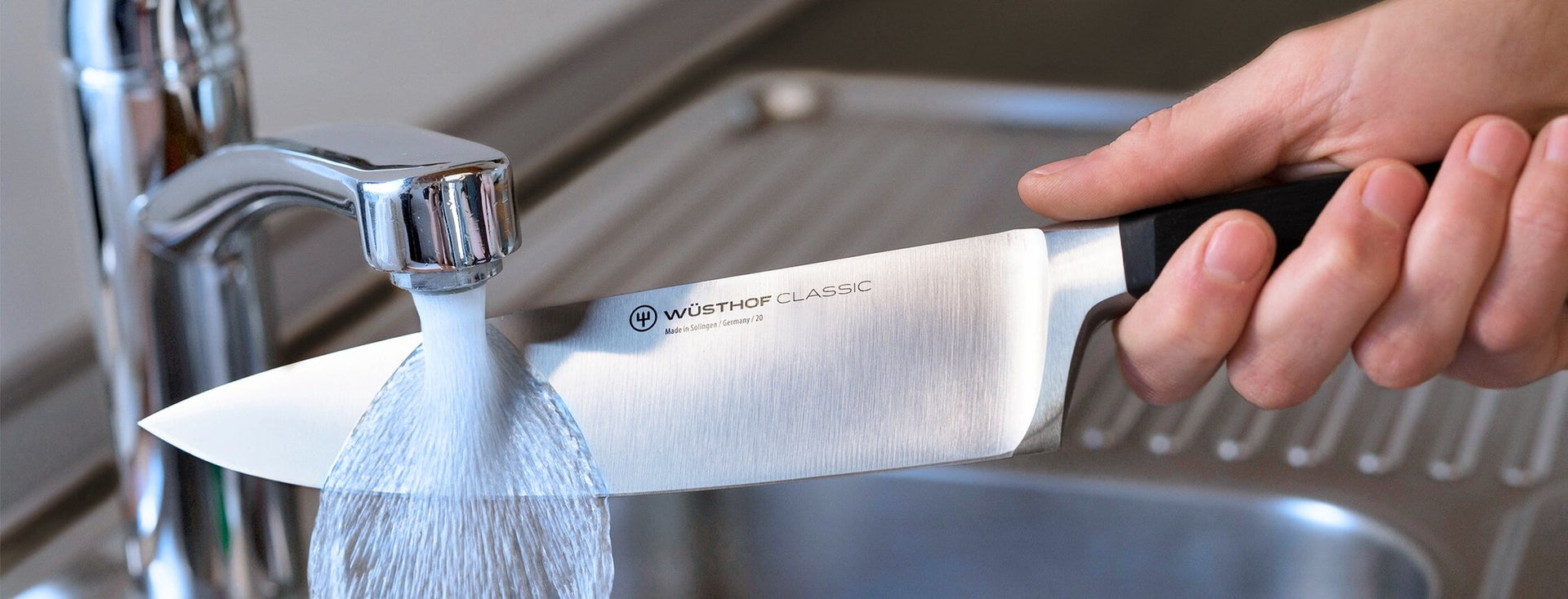
Sanitizing prevents cross-contamination and foodborne illness.
- Use a solution of 1 tablespoon unscented bleach per gallon of water for occasional sanitizing after raw meat use. Dip and air-dry or dry with a clean towel.
- Alternatively, use a food-safe sanitizer spray according to label directions.
- Never use harsh chemicals on blades that may react with metal or coatings.
- Always sanitize cutting boards and surfaces too—knives are part of a system.
These steps explain how to clean kitchen knives in a way that keeps food safe and your tools sanitary.

Caring for different blade materials
Different blades need different care. Here’s how to clean kitchen knives by material.
- Stainless steel: Wash normally and dry immediately; it resists rust but can still spot.
- Carbon steel: Prone to patina and rust; wash, dry, and apply a thin film of mineral oil after cleaning.
- Ceramic: Clean gently; ceramic chips if dropped. Do not use abrasives.
- Coated blades: Clean gently and avoid scrubbing to preserve the coating.
- Wooden handles: Avoid soaking; wipe clean and oil periodically with mineral oil or a wood conditioner.
Knowing your knife’s material helps you tailor how to clean kitchen knives for best results.
Drying, storage, and long-term care
Drying right saves knives.
- Always dry immediately to stop water spots and rust.
- Store knives safely on a magnetic strip, in a block, or with blade guards. Avoid loose drawers.
- For long-term rest, coat carbon steel with oil and store in a dry place.
- Rotate knives occasionally and inspect for wear or damage.
Proper drying and storage explain how to clean kitchen knives and preserve them for years.
Sharpening and maintenance schedule
Cleaning and sharpening go hand in hand.
- Hone your knife with a honing rod before or after each use to realign the edge.
- Sharpen with a whetstone or guided sharpener every few months, depending on use.
- After sharpening, clean and dry thoroughly to remove metal particles.
- Keep a simple schedule: daily clean, weekly inspection, monthly honing, and seasonal sharpening.
A routine helps you know exactly how to clean kitchen knives and maintain peak performance.

Common problems and solutions
Here are common issues and how to fix them.
- Rust spots: Remove with a rust eraser, then oil the blade.
- Sticky residue: Use baking soda paste or a mild degreaser safe for food tools.
- Dull edge: Hone first, then sharpen if honing doesn’t restore the edge.
- Loose handles: Tighten screws or consult a pro; avoid heavy use until fixed.
- Stains on wooden handles: Light sanding and oiling can refresh them.
These tips show practical ways to handle problems that arise when you learn how to clean kitchen knives.
My experience: real-world tips and mistakes to avoid
I’ve cleaned hundreds of knives in demo kitchens. Here are honest lessons.
- Mistake: Tossing knives in the dishwasher. Result: dull edges and loose handles. Avoid this.
- Tip: Keep a small dish soap bottle by the sink and a microfiber towel on a hook. This makes cleaning part of the task.
- Mistake: Using harsh abrasives on fine edges. Result: micro-scratches and faster dulling. Use gentle methods.
- Tip: If you drop a knife, check it for chips before next use. Small chips can hide and cut fingers.
- Tip: After sharpening, run a scrap of soft paper along the edge to check for burrs and wipe away metal filings.
These real experiences make the advice practical and trustworthy when you decide how to clean kitchen knives.
Frequently Asked Questions of how to clean kitchen knives
How do I remove rust from a kitchen knife?
Light rust can be removed with a rust eraser or fine abrasive rubbed gently along the grain, followed by washing and oiling. For severe rust, consult a pro to avoid damaging the edge.
Can I use olive oil to protect a blade?
Food oils like olive oil can go rancid and are not ideal long-term; use food-grade mineral oil for metal and linseed or mineral oil for wooden handles. Mineral oil is stable and safe.
Is bleach safe to sanitize knives?
A dilute bleach solution is safe for occasional sanitizing; rinse thoroughly afterward to remove residues. Use gloves and follow dilution guidance for safety.
How long can I soak a knife in water?
Never soak knives with wooden handles; for blades only, limit soaking to a few minutes for stuck-on food and dry immediately. Extended soaking can loosen handle glue and cause rot.
How often should I sharpen my knives?
Sharpening frequency depends on use, but a general guide is every 2–6 months for home cooks; hone more often to stretch intervals. Watch cutting performance as your cue.
Conclusion
Keeping knives clean is simple, and small habits make a big difference: wash by hand, dry right away, store safely, and treat each blade by its material. Start a basic routine this week and you’ll see better cuts, safer prep, and longer knife life. Try one change today—like always drying immediately—and share your results or questions below.

Maliha Khatun has spent 5 years hands-on testing Japanese knives for everyday home cooks. She has evaluated over 60 blades across nakiri, santoku, gyuto, and petty categories — scoring each on edge retention, steel quality, handle comfort, and value for money. She writes to help home cooks buy the right knife without the guesswork.
Expertise:Japanese Knives • Vegetable Knives • Product Reviews • Kitchen Efficiency • Knife Care
Leave a Reply