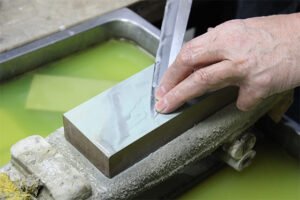
Use a whetstone, hold a steady angle, raise a burr, then refine.
If you want real control and a razor edge, this is your guide. I’ve spent years teaching home cooks and pros how to sharpen a japanese chef knife the right way. We will keep it simple, safe, and precise. By the end, you will know how to sharpen a japanese chef knife with confidence and a calm mind.

Why a sharp Japanese knife matters
A sharp knife is safer. It needs less force, so it slips less. It also makes clean cuts and keeps food fresh. That is vital for raw fish and soft fruit.
Japanese knives use hard steel. Think White, Blue, SG2, or VG-10. Hard steel can take a thin angle and stay sharp longer. But it can chip if you push it the wrong way.
Sharpening is not just about a keen edge. It is about control, feel, and care. When you learn how to sharpen a japanese chef knife, you save money. You also cook with joy.

The tools you need before you start
You do not need a lot of gear. You need the right gear. Here is what I use to teach new sharpeners.
- Whetstones: A coarse stone, a medium stone, and a fine stone
- Grit picks: 400–800 for repair, 1000–2000 for the core work, 3000–8000 for polish
- Flattening plate: A diamond plate or lapping stone to keep stones flat
- Water tray and towel: Keep stones wet and your area clean
- Angle guide or marker: A guide helps at first; a marker shows if you hit the bevel
- Strop: Leather or balsa with fine compound for final bite
- Optional: Ceramic rod for quick touch-ups between full sessions
I like a 1000/3000 combo stone for most users. If you cook daily, add a 400 or 500 grit for chips. A flat stone is key. If your stone is not flat, your edge will not be straight.
Water stones need a short soak if they are the soak type. Splash-and-go stones do not. Read your stone notes. If you want to learn how to sharpen a japanese chef knife fast, set up a neat, safe space first.

Know your blade and choose the angle
Not all Japanese knives are the same. Know the grind and the steel. That helps you pick the right angle and plan.
- Double bevel knives: Gyuto, santoku, petty. Sharpen both sides.
- Single bevel knives: Yanagiba, usuba, deba. Sharpen the bevel side and de-burr the flat side.
- Typical angles: 12–15 degrees per side for a gyuto; 10–12 on a yanagiba bevel.
- Tip: Add a tiny micro-bevel at 1–2 degrees higher to boost strength.
A thin edge cuts like a dream. Too thin will chip on bones or glass boards. If you are unsure, start a touch higher. As you learn how to sharpen a japanese chef knife, you can lower the angle later for more bite.
Damascus cladding looks nice. It does not change your angle. Focus on the actual edge bevel.
Step-by-step: how to sharpen a japanese chef knife on a whetstone
Here is the simple method I teach in class. It is calm, repeatable, and slow on purpose. Slow is smooth. Smooth is fast.
Soak or splash your stone
Wet your stone per the maker notes. Place it on a non-slip base. Keep a bowl of water close.Set the angle
Use a coin stack as a guide at first. Or color the edge with a marker. Light passes will show if you hit the bevel.Start on the medium stone (1000–2000)
Use edge-leading strokes. That means the edge goes into the stone. Sweep heel to tip. Keep the angle steady. Use light to medium pressure.Raise a burr along the full edge
Work one side until you feel a burr from heel to tip. Check with your finger pad, moving off the edge, not along it. Then flip and repeat on the other side.Refine with lighter pressure
As the burr forms, cut your pressure in half. Think of three pressure levels: P3 to shape, P2 to refine, P1 to finish. End with very light, even strokes.Move to a finer stone (3000–8000)
Polish and align the edge. Use light passes. Do 5–10 strokes per side. Keep water on the stone. Aim for a clean feel, not a big burr.Optional: Use a coarse stone (400–800) only for damage
If you have chips or a flat spot, start coarse. Raise a burr fast, then move up. Do not stay coarse longer than needed.Clean and dry the knife
Rinse the blade. Wipe dry. Do not leave water on carbon steel. It can rust fast.
If you want to master how to sharpen a japanese chef knife, count your strokes. Stay calm. Listen to the sound. A smooth hiss means good contact. A scratchy squeal means your angle moved.
Deburr, polish, and strop for a crisp edge
A stubborn burr will spoil the cut. You need to remove it with care. Here are easy ways that work well.
- Light alternating strokes: One per side, very light, on your finest stone
- Edge trailing swipes: Gentle strokes with the spine leading to reduce a wire burr
- Cork or soft wood: A light pull through kills a long burr; do this once, then a few light stone passes
- Strop on leather: 5–10 very light strokes per side with 1 micron compound
If you over-strop, you can round the edge. Keep your angle low and your touch soft. When you learn how to sharpen a japanese chef knife, you will also learn to feel the burr go away. It feels clean and smooth on the stone.

Care and maintenance after sharpening
Your work is not done when the edge shines. Care keeps it sharp for longer and saves you time.
- Use a soft board: End-grain wood or soft plastic is kind to the edge
- Hand wash and dry: No dishwashers; they ruin edges and handles
- Store with care: Use an edge guard, saya, or a clean slot
- Touch up before dull: A few light passes on a fine stone or a ceramic rod keeps bite
How often you sharpen depends on use, steel, and board. Many home cooks can do a short refresh every few weeks. A full session every few months is fine. If you ask how to sharpen a japanese chef knife for daily pro use, plan on quick daily touch-ups and a full job weekly or biweekly.
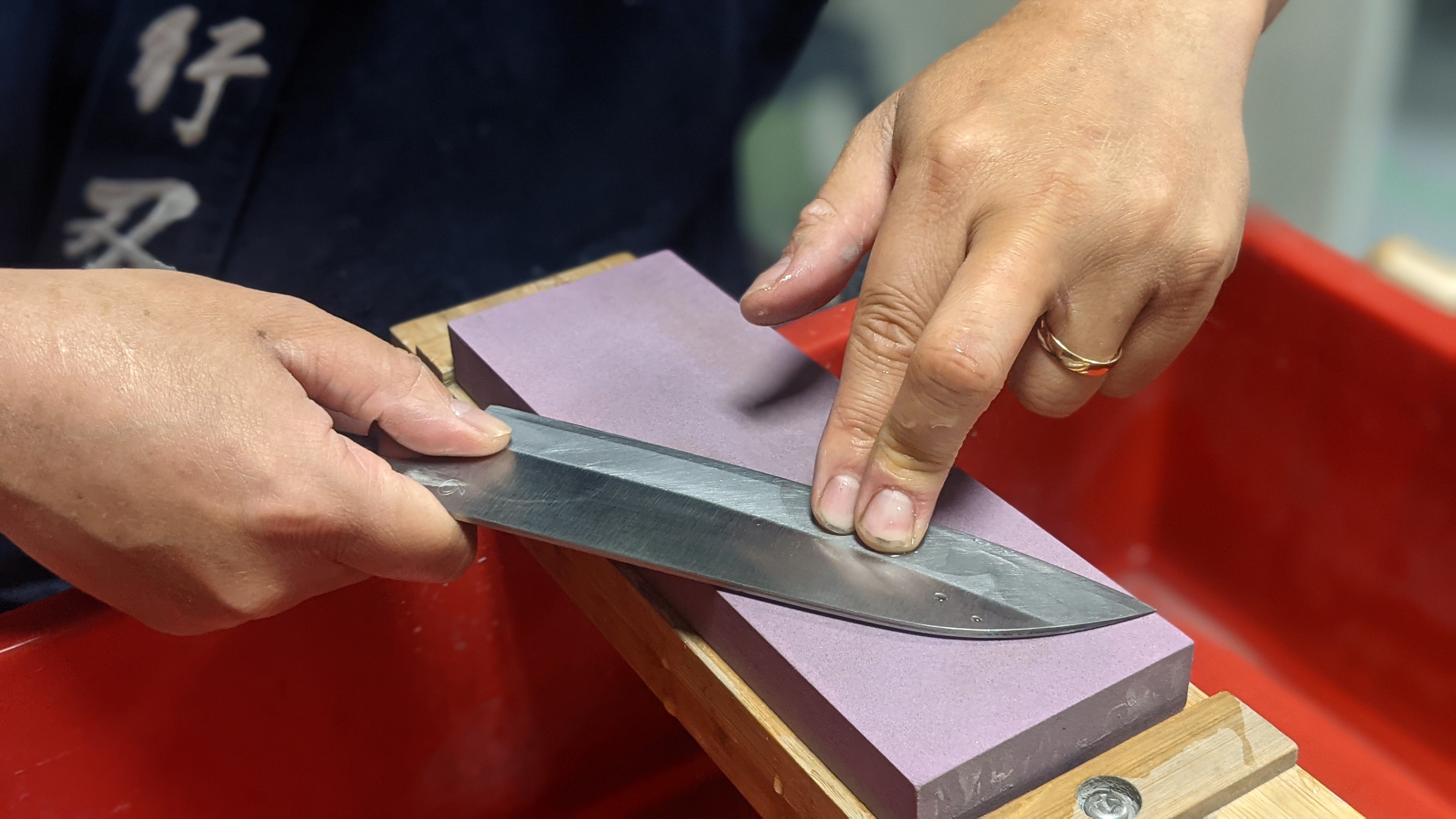
Common mistakes and easy fixes
We all make mistakes. I sure did when I learned. Here are the big ones and how to fix them.
- Wobbly angle: Use a marker on the bevel. Watch where the ink goes. Slow down.
- Too much pressure: Heavy hands cause chips and thick bevels. Use lighter strokes to finish.
- Skipping grits: Jumping from coarse to very fine leaves deep scratches. Move in steps.
- Not flattening stones: A dished stone gives a convex edge and a rounded tip. Lap your stone often.
- Chasing a never-ending burr: Reduce pressure, use edge trailing strokes, then strop with care.
- Wet hands and slippery bench: Set a towel down. Work neat. Safety first.
I once rushed a deba on a 400 grit and carved a big hollow. It took an hour to fix. Now I teach this rule for how to sharpen a japanese chef knife: use the least coarse grit that does the job, then move on.

Safe and simple ways to test sharpness
Do not test by tapping your thumb on the edge. Use safe checks that tell the truth fast.
- Paper slice: Cut printer paper. A keen edge grabs at the top and slices clean.
- Tomato test: A sharp edge breaks skin with no push and no crush.
- Thumb pad test: Gently drag the pad across the edge, not along it. It will feel sticky.
- Arm hair: It should shave with no pressure. Do one small patch.
- Nail test for burr: Very light touch across a fingernail shows if a burr is left.
Always point the edge away from you. Dry the blade before you test. Wet blades can slide. If you focus on how to sharpen a japanese chef knife the right way, these tests become quick and safe.

Frequently Asked Questions of how to sharpen a japanese chef knife
What angle should I use for a Japanese chef knife?
Aim for 12–15 degrees per side on most double bevel knives. Go lower only if you cut soft items and use a gentle board.
How often should I sharpen my knife?
Home cooks can sharpen every 1–3 months with light touch-ups in between. Pros often touch up daily and sharpen weekly.
Can I use a honing steel on Japanese knives?
Use a ceramic rod, not a grooved metal steel, for hard Japanese steel. A ceramic rod aligns the edge without tearing it.
Do I need an expensive stone to get a sharp edge?
No. A good 1000/3000 combo stone can make a great edge. Flatness and technique matter more than price.
What is the fastest way to remove a burr?
Use a few very light alternating strokes on a fine stone, then a short strop. Avoid heavy pressure or you will make a wire burr.
Should I soak my stones?
Soak only if they are soak stones. Splash-and-go stones do not need a soak and can crack if left in water.
Can I sharpen Damascus knives the same way?
Yes. Damascus is cladding and does not change the edge angle. Sharpen the core steel bevel as usual.
Conclusion
A sharp knife gives you control, calm, and joy in the kitchen. Set your angle, raise a burr, refine, and deburr with care. Keep your stones flat and your touch light. When in doubt, slow down.
You now know how to sharpen a japanese chef knife from start to finish. Pick one stone and start with ten slow strokes per side. Build the habit, and your edge will stay ready for any task.
Want more tips and step-by-step help? Subscribe for new guides, ask a question in the comments, or share your progress so we can learn together.
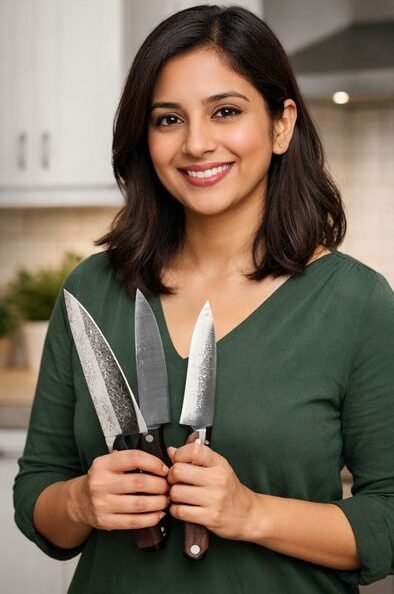
Olivia Bennett is a knife care and sharpening specialist with 6+ years of hands-on experience in blade maintenance, whetstone sharpening, and rust prevention. She creates simple, safe guides to help users maintain razor-sharp kitchen knives at home.
Expertise: Knife Sharpening, Maintenance, Blade Care