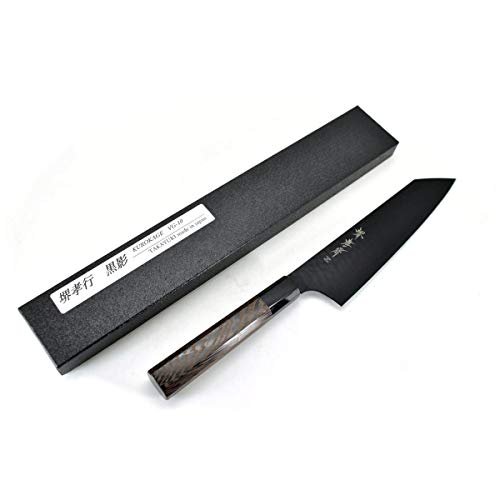
A knife buying checklist helps you pick the right blade fast: size, steel, handle, purpose, and budget.
I’ve spent years testing kitchen and outdoor knives for work and personal use, and this knife buying checklist collects the exact steps I use before every purchase. Read on for a clear, step by step guide that explains blade steels, handle materials, fit, balance, legal considerations, and real-world testing tips so you can buy with confidence and avoid common mistakes.

Why a knife buying checklist matters
A knife buying checklist keeps decisions practical and safe. It stops impulse buys and ensures the knife matches your needs. This checklist saves money and keeps you happy with your choice for years.
People shop for knives for different tasks. A good checklist helps you match a blade to cooking, hunting, utility work, or everyday carry. It also reduces the risk of buying a blade that is hard to sharpen or poorly made.
Having a checklist helps you compare models with real criteria. You can score each knife on steel, handle comfort, balance, and warranty. That makes comparison fair and fast.
What should I consider first when buying a knife?
Start with the knife’s intended use. Choose a blade shape and size that match cooking, camping, or EDC tasks.
How important is blade steel?
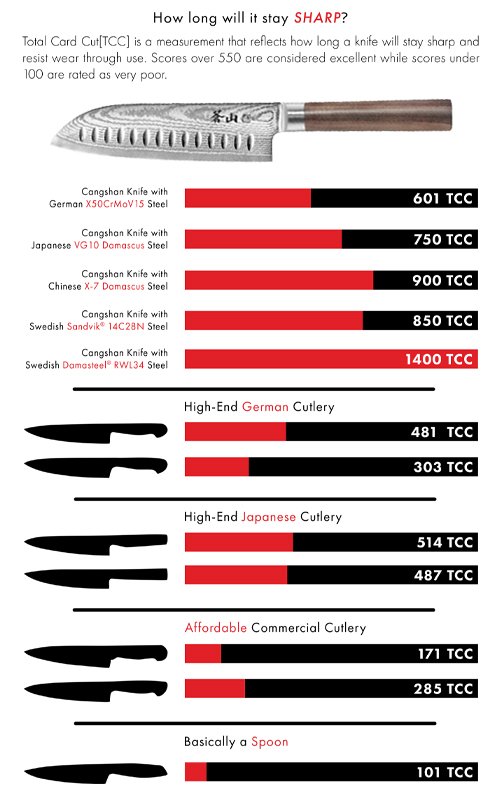
Blade steel affects edge retention, corrosion resistance, and ease of sharpening. Match steel choice to your willingness to maintain the knife.
Core elements of a knife buying checklist
Use this section as the backbone of your knife buying checklist. Check each item before you buy.
- Purpose and primary use. Decide if the knife is for kitchen prep, outdoor survival, everyday carry, or work.
- Blade length and shape. Pick size by task: short blades for precision, longer blades for larger cuts.
- Steel type and hardness. Consider carbon steel for easy sharpening or stainless for low maintenance.
- Edge type and grind. Choose straight edges for slicing and serrations for fibrous material.
- Handle material and ergonomics. Look for comfort, grip when wet, and no sharp edges.
- Balance and weight. The knife should feel steady in hand and not tip forward or backward.
- Locking mechanism (for folding knives). Test for secure lockup and easy release.
- Legal restrictions. Check local laws on length and carry rules before purchase.
- Warranty and brand reputation. Favor brands with clear policies and good reviews.
- Price and long-term value. Balance initial cost with expected lifespan and maintenance needs.
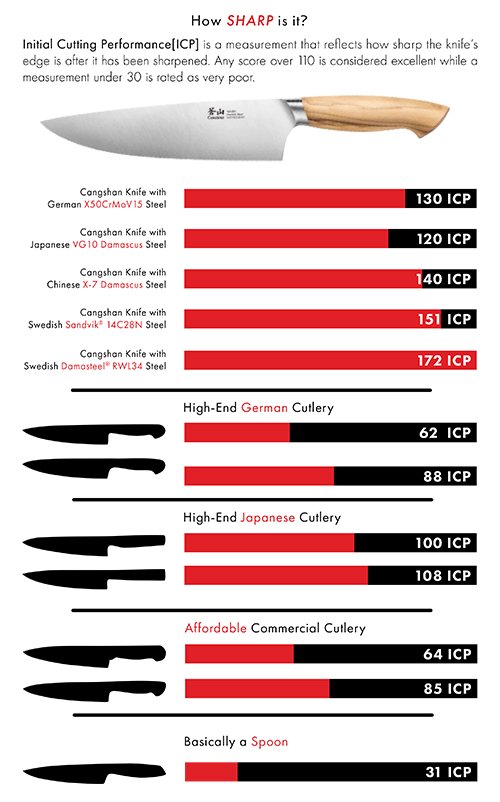
Blade steel, construction, and what each choice means
Blade steel is a key part of your knife buying checklist. Steel controls edge life, toughness, and rust resistance.
- High-carbon steels. Offer excellent sharpness and easy resharpening. Prone to rust if not cared for.
- Stainless steels. Resist corrosion and need less upkeep. Some grades hold an edge very well.
- Powder metallurgy steels. Provide premium edge retention and toughness. Often costly.
- Laminated or clad steels. Combine core edge steel with protective outer layers for balance.
Think about hardness measured in HRC. Higher numbers mean longer edge life but more difficulty sharpening. Mid-range HRC (56–61) performs well for most users.
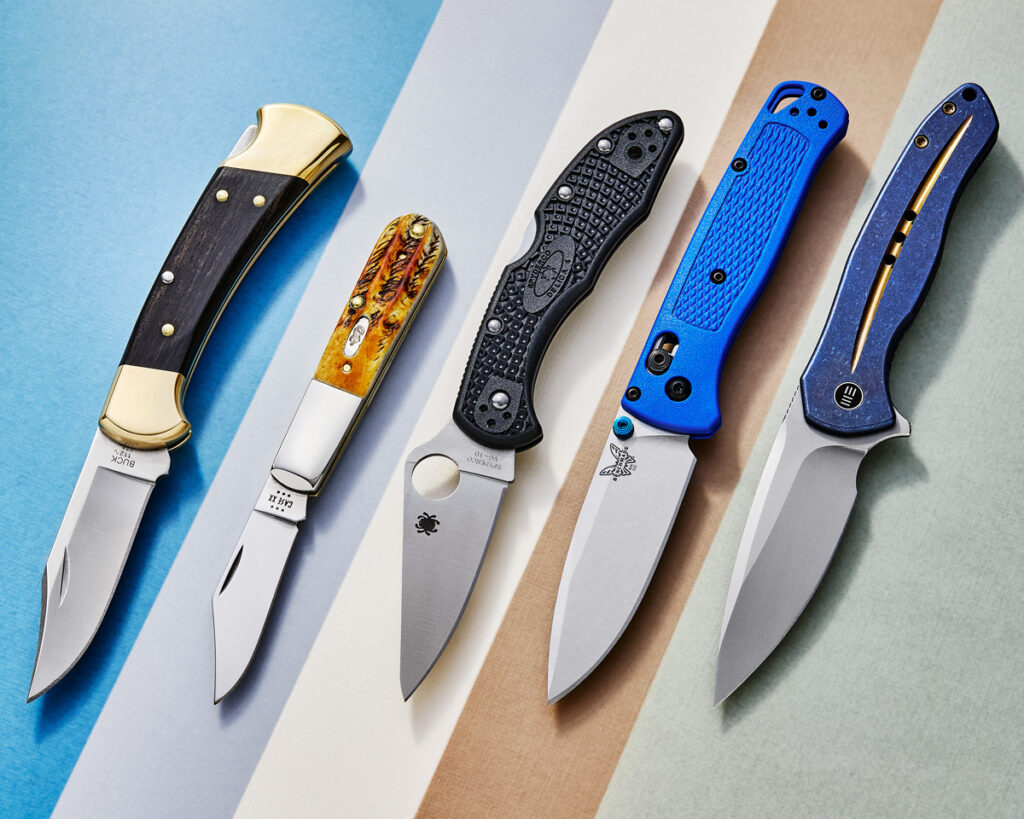
Blade shape, edge, and grind — match form to function
Blade shape affects how you cut. Include blade geometry in your knife buying checklist.
- Drop point. Strong tip and versatile for general use.
- Clip point. Sharp tip for detail work and piercing.
- Tanto. Strong tip for piercing and tough tasks.
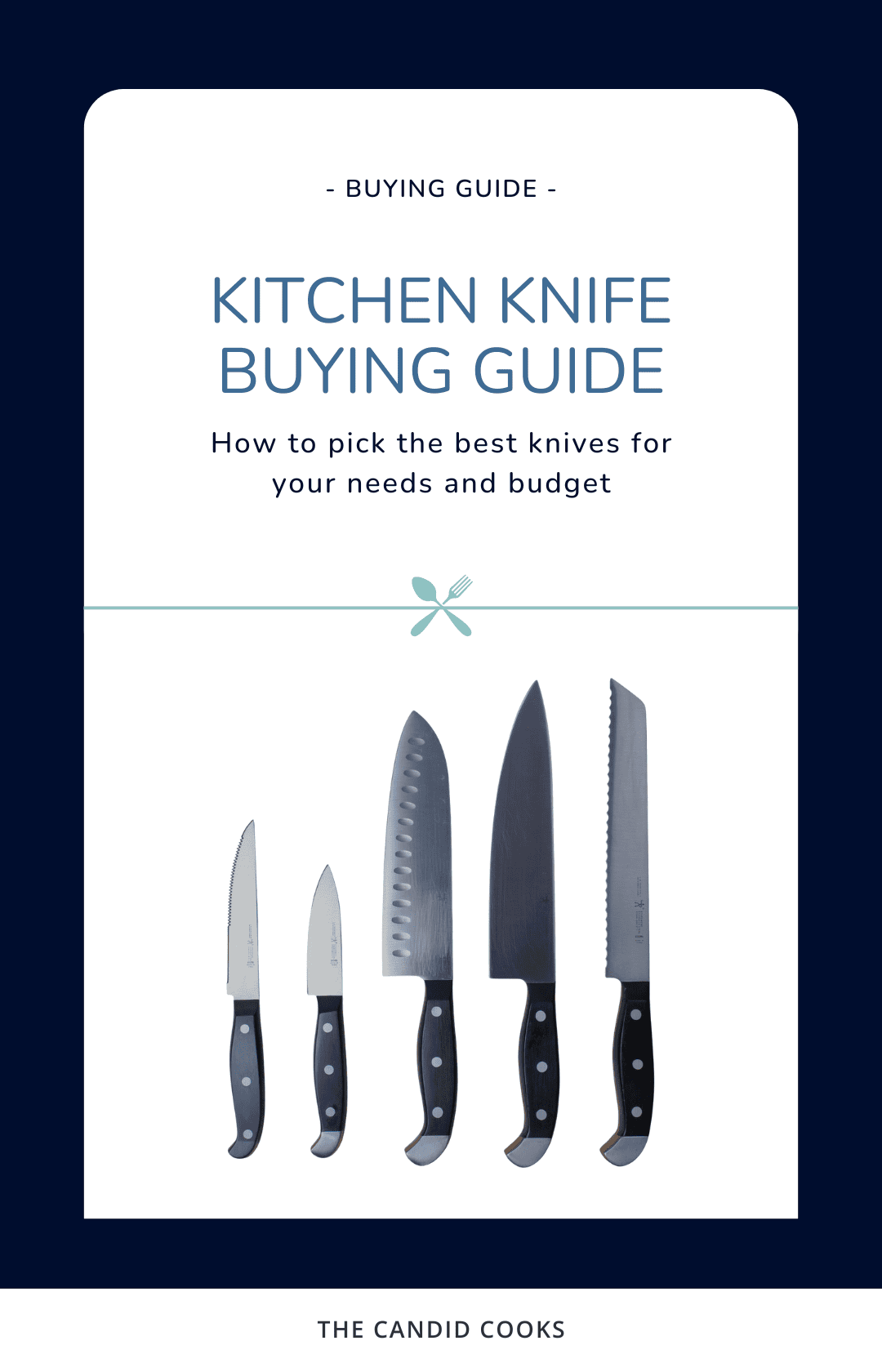
- Straight chef’s blade. Best for slicing and chopping in the kitchen.
- Serrated edge. Great for bread and fibrous materials; can be harder to sharpen.
Grind types affect cutting and sharpening:
- Flat grind. Good for slicing.
- Hollow grind. Very sharp edge but less robust.
- Convex grind. Strong edge and durable.
Handles, ergonomics, and safety checks
A comfortable handle prevents fatigue and accidents. Add handle checks to your knife buying checklist.
- Material choice. G10 and micarta resist water. Wood feels warm but may need care.
- Texture and grip. Ensure secure hold even when wet or oily.
- Finger choil and guard. Look for safety features that prevent slips.
- Fit and finish. No rough edges or loose parts.
- Balance point. Handle should feel natural when held.
Try holding the knife in person when possible. Rotate it in different grips to test comfort and reach.
Size, weight, balance, and how to test a knife
Testing matters. Use real tests in your knife buying checklist.
- Weight. Lighter knives reduce fatigue; heavier knives give power.
- Balance. The balance point should be near the thumb or midpoint for control.
- In-hand test. Open and close folding knives to check action and lock strength.
- Practical cut test. If allowed, slice paper or food to feel the edge and balance.
- Sheath or carry method. Inspect the sheath fit and carry comfort for fixed blades.
If buying online, read detailed reviews and look for videos showing people using the knife. Compare dimensions carefully against a knife you already own.
Legal, safety, and transport considerations
Laws vary. Add legal checks to your knife buying checklist before you pay.
- Local carry laws. Check blade length and carry restrictions where you live.
- Airline and travel rules. Knives are generally not allowed in carry-on luggage.
- Storage and safety. Consider locking storage if you have children.
- Workplace rules. Some jobs ban knives entirely or allow specific types.
Be transparent about restrictions when you buy. A legal mistake can be costly and stressful.

Budget, brands, warranties, and long-term value
Price matters, but value matters more. Include financial checks on your knife buying checklist.
- Entry-level. Good for light tasks and first-time buyers.
- Mid-range. Better steel and fit; often the best value.
- Premium. Highest performance and materials; pricey but long-lasting.
- Warranty. Prefer knives with clear repair or replacement policies.
- Service and parts. Check if the brand offers replacement parts or sharpening services.
Avoid assuming highest price always equals best value. My tests show mid-range knives often give the best balance of cost and performance.

Maintenance, sharpening, and care checklist
A knife is only as good as your care. Add maintenance steps to your knife buying checklist.
- Sharpening frequency. Sharpen regularly based on use and steel type.
- Tools to own. Whetstones for quality sharpening, ceramic rods for touch-ups.
- Cleaning routine. Hand wash and dry immediately for most high-quality knives.
- Storage. Use sheaths, knife blocks, or magnetic strips to protect edges.
- Rust prevention. Oil carbon blades lightly if you live in a humid area.
Small maintenance habits extend blade life and performance. I sharpen knives weekly when I use them daily.
My personal experiences and lessons learned
I’ve bought dozens of knives. These lessons shape my knife buying checklist.
- Test ergonomics first. I once bought a knife that looked great but hurt my hand after ten minutes.
- Don’t chase perfect steel. I paid extra for high-end steel but found mid-range steel easier to keep sharp.
- Sheath matters. A good sheath kept a reliable fixed blade usable outdoors for years.
- Check return policies. I returned one knife after a week because the lock was stiff. A clear return policy saved me money.
These real mistakes helped me refine the checklist so you can avoid them.
Final knife buying checklist — ready to use
Use this short, printable checklist when you shop. It sums up everything above.
- Purpose: Confirm primary use.
- Blade length: Match to task.
- Steel: Pick based on care and edge needs.
- Edge type: Straight, serrated, or hybrid.
- Handle: Test comfort and grip.
- Balance: Check feel in hand.
- Lock/sheath: Ensure safe carry.
- Legal: Verify carry and travel rules.
- Price: Match quality to budget.
- Warranty: Note return and repair policy.
- Maintenance plan: Confirm tools and routine.
Carry this checklist on your phone or print it for store visits. It will keep choices clear and quick.
Frequently Asked Questions of knife buying checklist
What is the most important item on a knife buying checklist?
The most important item is the knife’s intended use. The purpose guides everything else, from blade shape to steel choice.
How does blade steel affect my buying decision?
Blade steel determines edge retention, toughness, and corrosion resistance. Choose steel that fits your maintenance routine and budget.
Can I buy a good knife online without testing it?
Yes, but read many reviews, watch video tests, and compare dimensions to a knife you know. Favor sellers with good return policies.
How often should I sharpen a new knife?
Sharpen when cutting performance drops. For daily use, a weekly touch-up and a monthly full sharpen is common.
Are expensive knives always better?
Not always. Expensive knives can offer premium materials, but mid-range knives often deliver the best value for most users.
Conclusion
A smart knife buying checklist turns guesswork into a clear plan. Use purpose, steel, handle fit, legal checks, and maintenance needs to guide your choice. Start with the short checklist above, test knives where possible, and favor brands with good warranties. Take action today: print the checklist, use it at your next purchase, and leave a comment sharing your favorite knife tips.

Maliha Khatun has spent 5 years hands-on testing Japanese knives for everyday home cooks. She has evaluated over 60 blades across nakiri, santoku, gyuto, and petty categories — scoring each on edge retention, steel quality, handle comfort, and value for money. She writes to help home cooks buy the right knife without the guesswork.
Expertise:Japanese Knives • Vegetable Knives • Product Reviews • Kitchen Efficiency • Knife Care
Leave a Reply