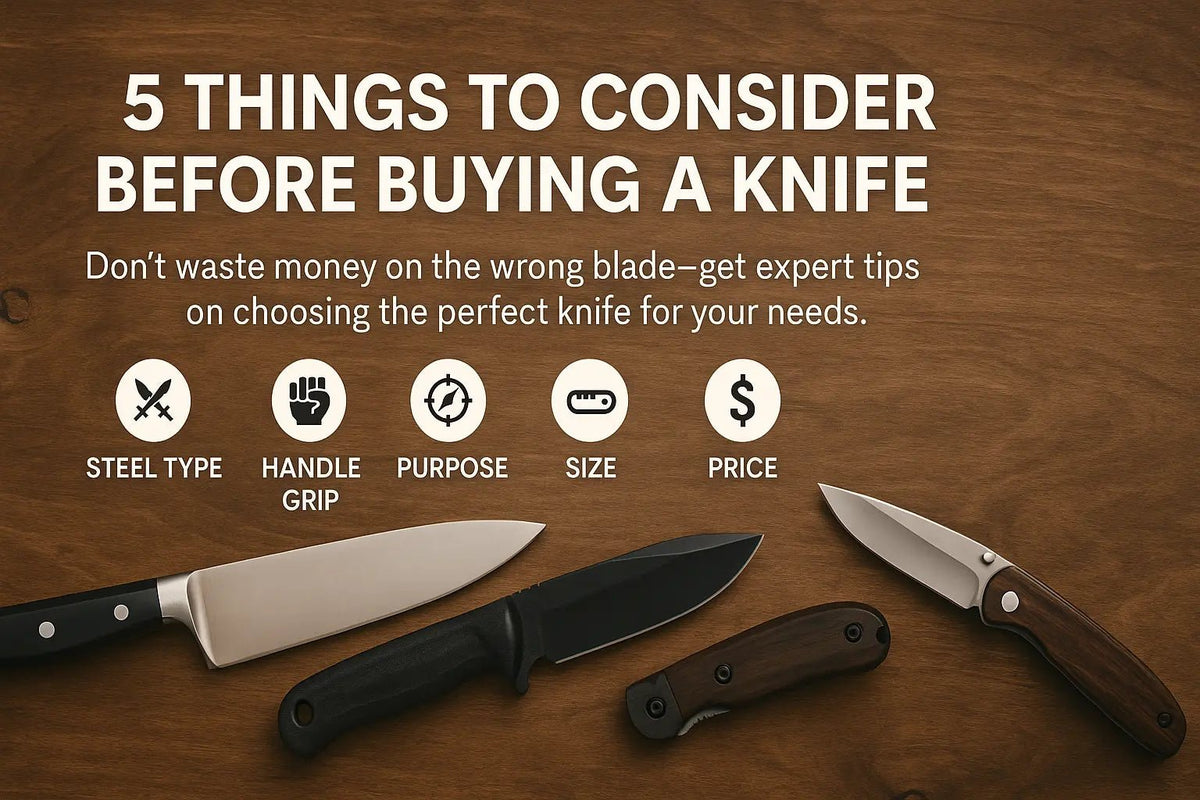
Choose purpose, blade steel, construction, and fit—test feel before you buy.
I’ve spent years testing and buying knives for kitchens, camping, and everyday carry. This guide on knife buying tips lays out clear steps to pick the right blade for your needs. You’ll learn how to match steel, grind, handle, and budget to real use. Read on for hands-on advice, common mistakes, and easy checks to make sure your next knife fits your life.


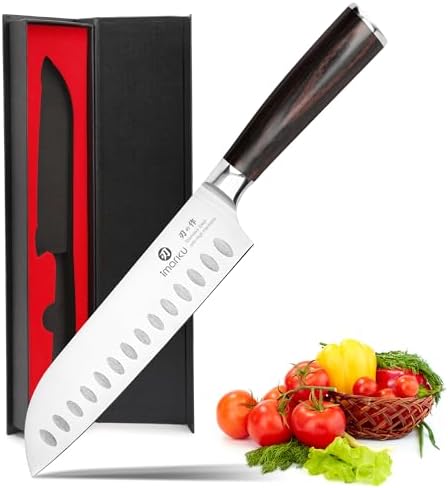
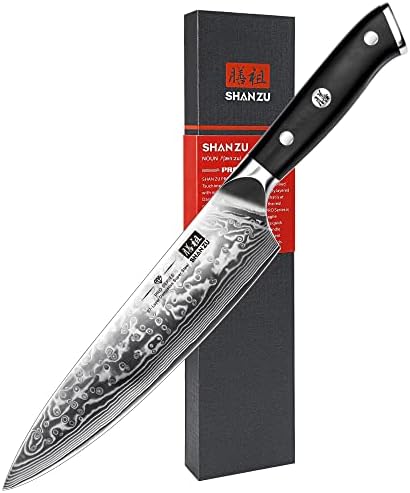


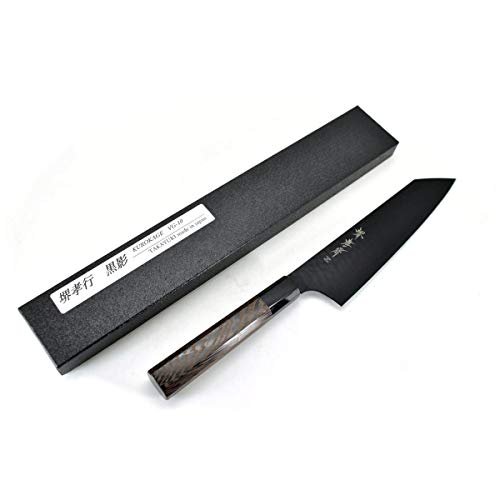
Understand your needs and set priorities
Start by asking what you will do with the knife. A chef needs a different tool than a camper or a pocket-carry user.
Keep these points in mind when using knife buying tips:
- Purpose: cooking, outdoor use, EDC, hunting, or utility work.
- Frequency: daily use, occasional use, or heavy tasks.
- Maintenance willingness: do you want low care or will you maintain a high-performance steel?
From my experience, the best buys come from matching tool to task first. If you skip this step, you will often buy a knife that feels wrong or wears out fast.

Source: misen.com
Know the main knife types and uses
Picking the right type is one of the top knife buying tips. Each type has a clear role.
Common types and where they shine:
- Chef’s knife: versatile for chopping, slicing, and dicing.
- Paring knife: small tasks and precision work.
- Santoku: flat cutting, good for thin slices.
- Bread knife: serrated for crusty loaves.
- Fillet/flexible blade: fish and delicate filleting.
- Cleaver: bones and heavy chopping.
- Pocket/EDC knife: everyday tasks and light cutting.
- Fixed-blade survival knife: heavy outdoor use and durability.
Choosing the right type reduces long-term frustration. I learned this the hard way when I bought a large chef’s knife for detailed trimming.

Source: pichi.ca
Blade materials and steel types
Understanding steel is vital in knife buying tips. Steel defines edge retention, toughness, and rust resistance.
Key steel categories:
- Stainless steels: resist corrosion and need less maintenance.
- High-carbon steels: take a finer edge but can rust if not cared for.
- Tool steels and alloy steels: designed for edge retention and toughness.
- Powder metallurgy steels: high performance with fine grain and strong edge.
What to look for in specs:
- Rockwell hardness (HRC) indicates edge retention. Higher HRC often means better retention but can be more brittle.
- Carbon content and alloying elements affect toughness and corrosion resistance.
My tip: for everyday kitchen knives, aim for stainless steels with HRC 56–61. For outdoor blades where edge holds longer, consider higher-end alloys or powder steels.

Source: amazon.com
Which steel is best for a home cook?
For most home cooks, mid-range stainless steels give the best balance of care and performance. They resist stains and need less frequent sharpening.
Will high-hardness steel chip easily?
Higher hardness can increase chip risk if the blade is thin or used for prying. Match hardness to how you’ll use the knife.
Blade construction: forged vs stamped and tang types
Construction affects strength, balance, and price—key points in knife buying tips.
Understand these terms:
- Forged blade: heated and shaped, often thicker and more durable.
- Stamped blade: cut from sheet steel, lighter and often less expensive.
- Full tang: the blade metal runs through the handle for strength.
- Partial/tapered tang: lighter, sometimes less robust.
I prefer full-tang designs for heavy use. They feel balanced and rarely fail at the handle.
Source: pichi.ca
Handle materials and ergonomics
Handle comfort changes how you cut and how long you can work. Ergonomics is a top practical knife buying tip.
Common handle materials:
- Wood: warm and classic, needs care to avoid swelling.
- Micarta and G10: stable, durable, and water resistant.
- Metal: very durable but can be slippery or cold.
- Synthetic polymers: affordable and low maintenance.
Tips to test handles in-store:
- Grip the handle like you will use it.
- Check for hot spots or pressure points.
- Feel the balance between blade and handle.
I once bought a beautiful knife that looked perfect on paper but caused strain after 15 minutes of prep. Try before you buy when possible.

Source: fwosi.com
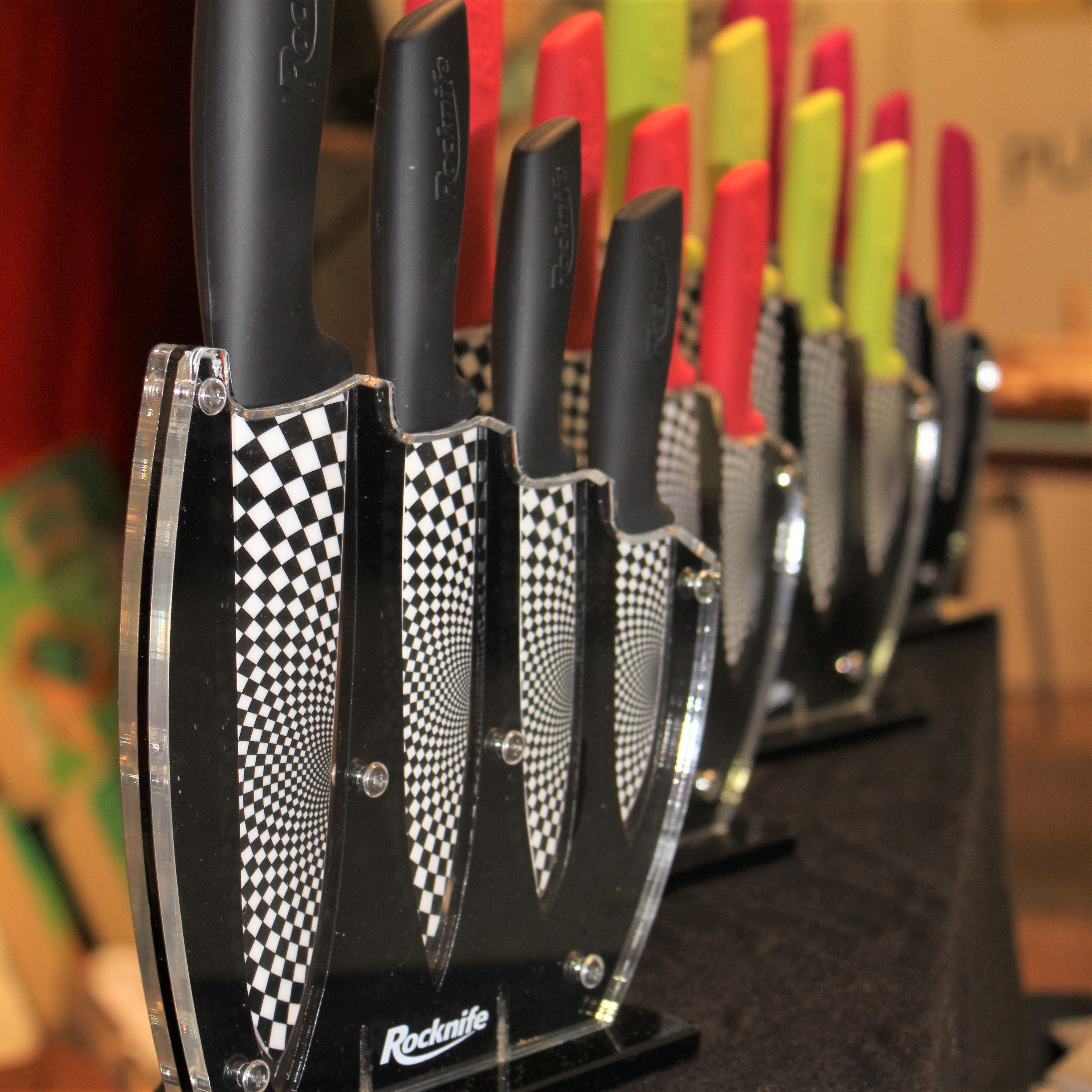
Blade grind and edge geometry
Edge shape matters for slicing, chopping, and tough tasks. This is an advanced knife buying tip many overlook.
Common grinds and uses:
- Flat grind: good all-round slicing and control.
- Hollow grind: very sharp, good for precise slicing.
- Convex grind: strong edge, good for heavy use.
- Scandi grind: common in outdoor knives for easy sharpening.
A thinner primary bevel slices better. A steeper angle gives more durability. Pick the geometry that matches your use.
Source: rocknife.com
Size, weight, and balance
Size and balance affect comfort and control. This is a very practical knife buying tip.
How to choose:
- Blade length: 6–8 inches for general kitchen use; 3–4 inches for paring; 10–12 inches for a slicer.
- Weight: heavier blades can cut through tough food but tire you faster.
- Balance: try to find the pivot point near the heel for neutral balance.
I prefer a slightly forward-balanced chef’s knife for heavy work and a neutral balance for precision.

Source: victorinox.com
Edge care, sharpening, and maintenance
A sharp knife is safe and efficient. Maintenance is a core knife buying tip because even top steel needs care.
Routine care steps:
- Hone with a rod between uses to align the edge.
- Sharpen on stones when the edge dulls noticeably.
- Clean and dry immediately after use to prevent corrosion.
- Store in a block, magnetic strip, or sheath to protect the edge.
- Learn a few basic angles: 15 degrees for fine kitchen edges, 20 degrees for robust edges.
- Use a progression of stones from coarse to fine.
- Consider professional sharpening for very hard steels.
My hands-on tip: practice with a 1000/6000 grit combo stone. It takes time but gives much better results than pull-through sharpeners.
Budget, warranty, and buying new vs used
Price often reflects materials and manufacturing. Knowing value is an important knife buying tip.
Budget ranges and expectations:
- Under $50: basic stamped knives, OK for light use.
- $50–$200: good balance of materials and build for home cooks.
- $200+: premium steels, forged construction, and high craftsmanship.
Warranty and service:
- Look for lifetime warranty or free sharpening programs.
- Ask about return policies and service centers.
Buying used:
- Inspect edge, handle, and any chips.
- A used high-quality knife can outperform a cheap new one.
I’ve saved money by buying used certified knives and having them professionally sharpened once.
Where to buy and how to test before purchase
Buying from the right place protects your investment. This is a final practical knife buying tip.
Best buying practices:
- Try in-store when possible to test feel and balance.
- Buy from reputable retailers or makers for warranty support.
- Read user reviews for long-term insights.
- Check for authenticity when buying premium brands.
When buying online:
- Review return policy and shipping protection.
- Look for detailed specs like steel type, hardness, and blade grind.
I always visit a store first, then compare online prices. Hands-on feel rarely fails me.
Safety and legal considerations
Respect safety and laws when you buy a knife. This is a necessary knife buying tip too.
Key points:
- Know local laws about blade length and fixed vs folding knives.
- Always transport knives sheathed and secure.
- Store knives out of reach of children.
Safety training:
- Learn basic cutting safety and first aid.
- Use gloves or cut-resistant pads if you do risky tasks.
Follow rules and stay safe; it keeps you and others out of trouble.
PAA-style questions
What should I prioritize when buying a kitchen knife?
Prioritize purpose, balance, and steel that matches your maintenance habits. Testing the handle feel helps avoid strain.
How often should I sharpen my kitchen knives?
Hone the edge weekly and sharpen on stones every few months depending on use. Heavy users may need sharpening every 4–6 weeks.
Are expensive knives always better?
Not always. Price can reflect brand and materials, but fit and purpose matter more. A mid-range knife that fits your hands often outperforms a pricier mismatch.
Frequently Asked Questions of knife buying tips
What is the best blade length for a home cook?
A 8-inch chef’s knife fits most home cooks. It balances reach and control for wide tasks.
How do I test a knife in a store?
Grip it, simulate cutting motions, check balance, and look for sharpness and sturdy construction. Move the blade slowly to feel hot spots.
Can I use a pocket knife for food prep?
You can in a pinch, but pocket blades are small and often not food-safe. Use dedicated kitchen knives when possible.
Is stainless steel better than carbon steel?
Stainless resists rust and needs less care. Carbon steels take a sharper edge and are easier to re-sharpen but need more care to prevent rust.
How do I know if a knife is a good value?
Check construction (full tang, forged), steel specs (HRC, alloy), warranty, and reviews. A good value matches your needs and lasts years.
Conclusion
Good knife buying tips boil down to matching the knife to your needs, testing feel and balance, and choosing a steel and grind you can maintain. Start by clarifying purpose and budget. Try knives in person when you can. Keep learning basic sharpening and care to extend life and performance. Take action now: list your top uses, try a few models, and pick the one that feels right. Share your experience or ask questions below to get tailored advice.
Maliha Khatun has spent 5 years hands-on testing Japanese knives for everyday home cooks. She has evaluated over 60 blades across nakiri, santoku, gyuto, and petty categories — scoring each on edge retention, steel quality, handle comfort, and value for money. She writes to help home cooks buy the right knife without the guesswork.
Expertise:Japanese Knives • Vegetable Knives • Product Reviews • Kitchen Efficiency • Knife Care
Leave a Reply