Knife rust prevention starts with drying, oiling, and proper storage after every use.
I have spent years restoring blades and advising chefs and outdoor enthusiasts on knife care. This guide on knife rust prevention condenses hands-on experience, simple science, and proven routines so you can stop rust before it starts. Read on to learn materials to buy, daily habits to adopt, cleaning steps, and product picks that keep blades sharp and corrosion-free.
Why knives rust and how to spot early corrosion
Rust forms when iron reacts with oxygen and water. Most kitchen and pocket knives contain iron or steel. Even stainless steels can stain or pit under the right conditions.
Common signs to watch for:
- Brown or orange spots along the blade edge or near the handle.
- Pitting that looks like tiny craters.
- Loss of shine and rough texture on the surface.
Understanding the chemistry helps your knife rust prevention plan. Moisture, salt, acidic food, and dwell time accelerate corrosion. Cut exposure and drying time to reduce risk.

Knife materials and how they affect rust risk
Different steels and coatings change how you approach knife rust prevention. Choose right, and you cut the work needed to protect the blade.
Stainless steels
- Resist rust but are not immune. High-chromium alloys are best for corrosion resistance.
- Good for home cooks who want low maintenance.
Carbon steels
- Rust faster but sharpen easily and hold an edge well.
- Best if you are willing to oil and dry blades after use.
Coated blades and laminates
- Provide extra protection but coatings can chip.
- Inspect coatings, and recoat or protect exposed areas quickly.
Titanium and ceramic
- Titanium resists corrosion well. Ceramic does not rust but can chip.
- These need different care than steel.
Picking the right steel reduces how much active knife rust prevention you need. Consider your routine and willingness to maintain tools.

Daily habits that prevent rust
Small habits prevent most rust problems. Consistency matters more than complicated steps.
Key daily steps
- Rinse and wash immediately after use using mild soap.
- Dry blade thoroughly with a soft towel right away.
- Apply a light coat of food-safe oil to carbon steel after drying.
- Avoid leaving acidic or salty foods on the blade.
Practical tips
- Use a dedicated towel to keep oil and moisture transfer simple.
- Do not soak knives in the sink. That invites rust.
- Wipe handles and bolster areas where water collects.
These habits make knife rust prevention part of your routine, not a chore.

Cleaning, rust removal, and restoration
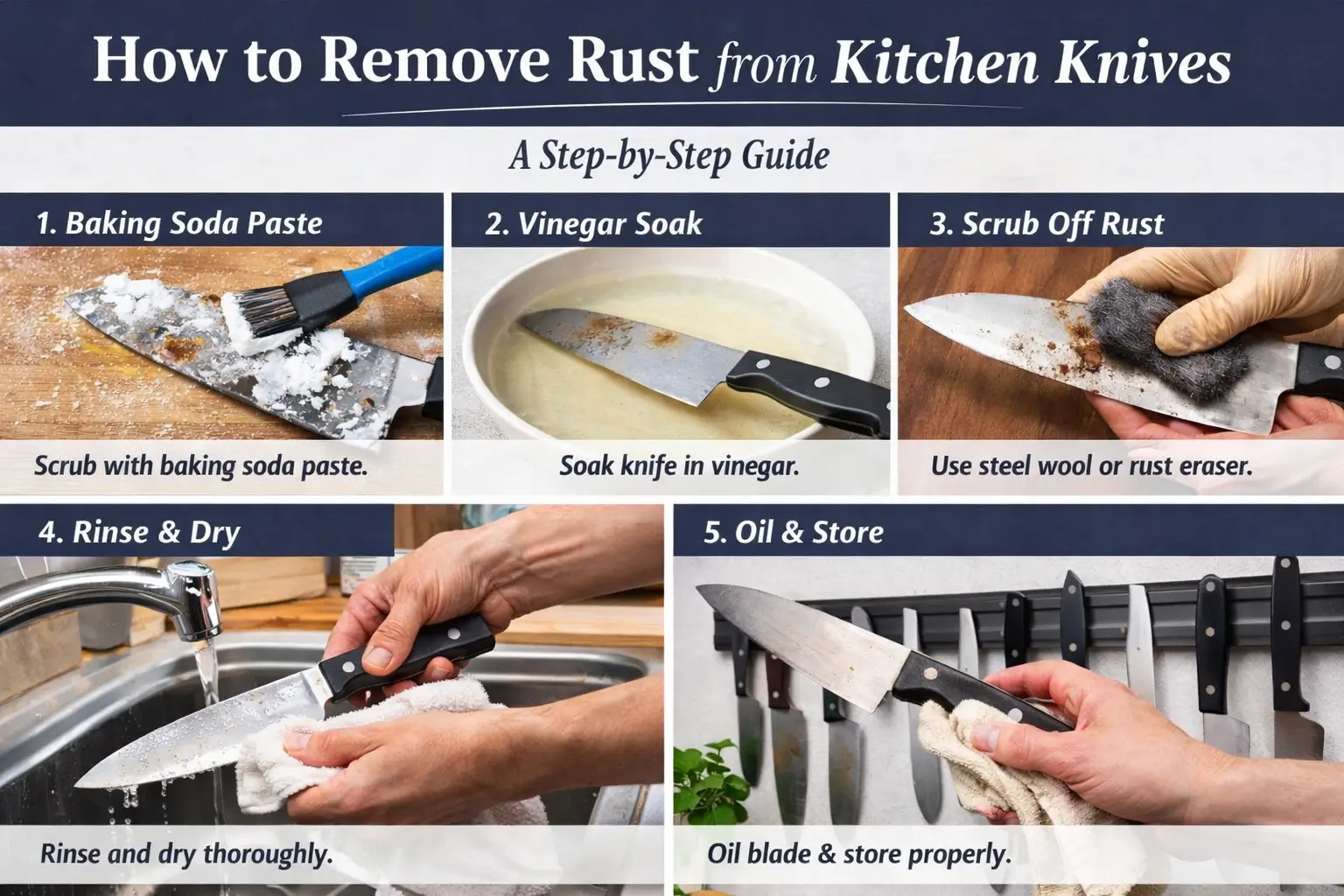
If rust appears, act quickly. Light surface rust is easier to remove than deep pitting.
Gentle cleaning for light rust
- Use mild abrasive like baking soda paste or a nylon scrubber.
- Work gently along the blade to avoid scratching.
- Rinse and dry immediately; then oil if needed.
For stubborn rust
- Use fine steel wool or 0000-grade scotch-brite with oil.
- For pitting, consider professional sharpening and restoration.
When to seek pro help
- Deep pitting, loss of blade geometry, or damage to the handle seals.
- A pro can regrind and re-harden blades safely.
Regular cleaning and timely restoration are central to knife rust prevention.
Storage and long-term care strategies
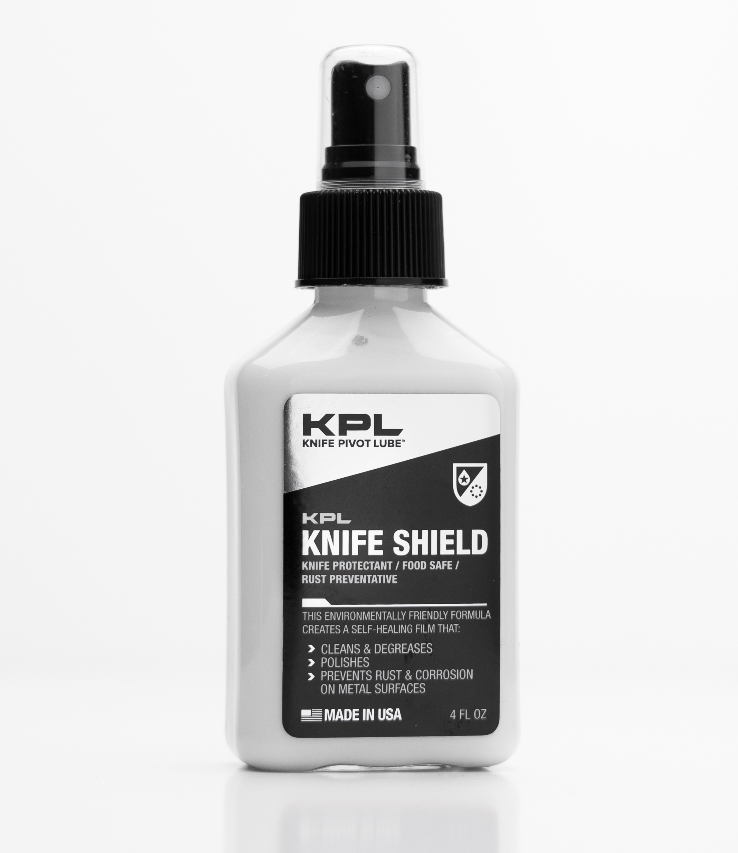
How you store knives affects rust risk greatly. Good storage keeps blades dry and stable.
Safe storage options
- Magnetic strips for fast air drying and easy access.
- Slotted knife blocks or sheaths that allow airflow.
- Knife rolls for transport; ensure they are dry before rolling.
Long-term care tips
- Oil blades before long storage, especially carbon steel.
- Check knives monthly for spots, moisture, or odd smells.
- Avoid damp basements and garages for storage.
Rotate stored knives occasionally so any hidden moisture becomes visible. These steps make knife rust prevention simple and reliable.
Tools, oils, and products that help prevent rust
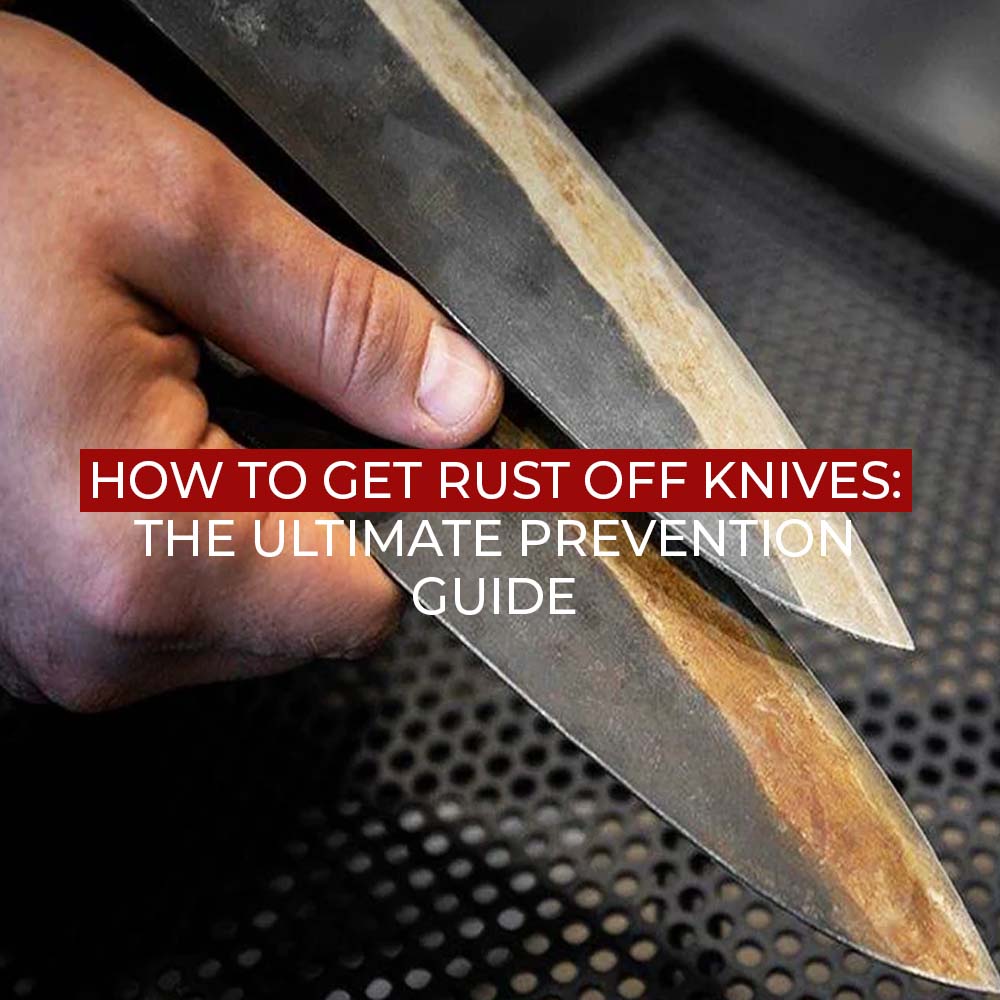
Right tools make knife rust prevention faster and more effective.
Recommended items
- Lint-free towels for drying.
- Food-safe mineral oil for carbon steel and plain steel.
- Camellia oil or light gun oil for long-term protection (use food-safe options for kitchen knives).
- Silicone drying mats or racks to let air circulate.
- Rust erasers and ultra-fine abrasives for light removal.
What to avoid
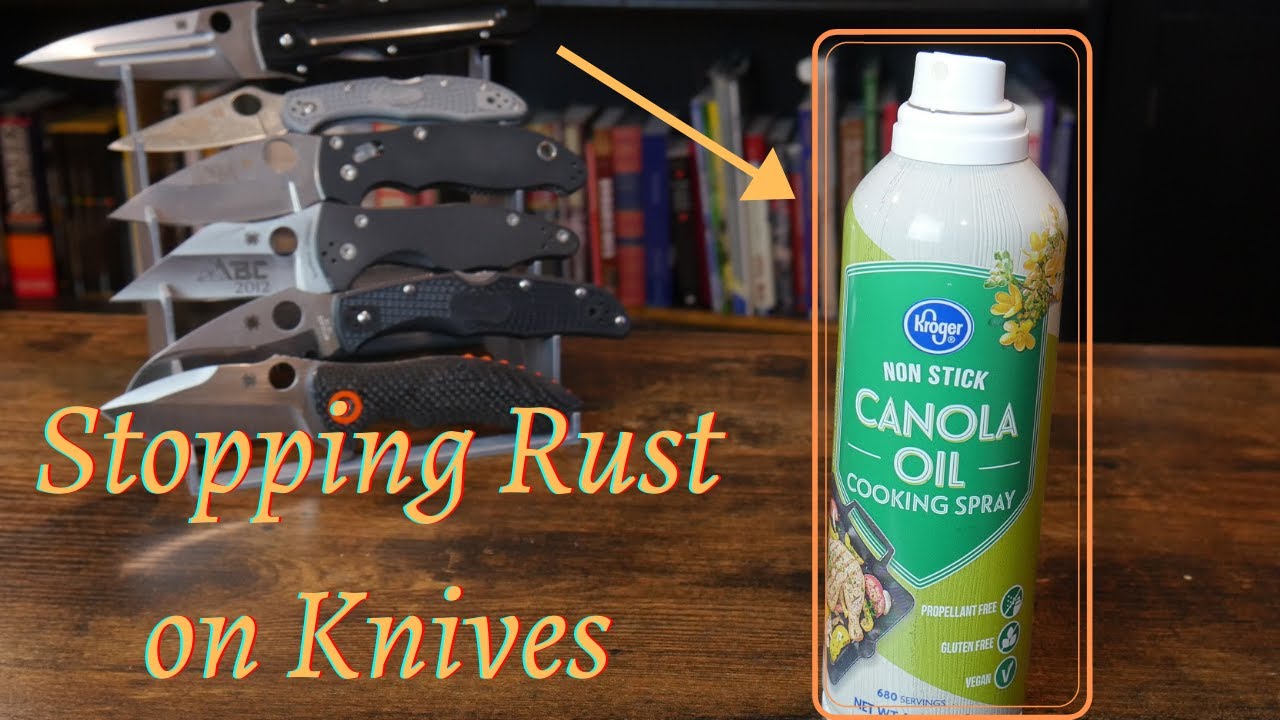
- Vegetable oils that go rancid on blades.
- Bleach or harsh acids that eat the steel and finishes.
I test oils and tools regularly. A small bottle of mineral oil and a soft towel are inexpensive and yield huge returns in preventing rust.
Personal experience: lessons learned and common mistakes
I have rehung many blades that could have been saved with small habits. Early in my career, I wiped knives with dish towel and left them upright in a damp sink. They developed spots in weeks. After switching to immediate drying and a light oil, rust issues dropped sharply.
Lessons learned
- Quick action matters: dry now, not later.
- Even "stainless" blades need care after heavy salt or citrus exposure.
- Simple tools beat fancy products when used consistently.
Avoid the mistake of assuming a blade will be fine in a damp kitchen. Build a short, repeatable routine for effective knife rust prevention.
PAA-style questions (People Also Ask)
What is the best oil for preventing rust on knives?
- Food-safe mineral oil is a top pick for kitchen knives. It offers a thin, stable barrier without going rancid.
Can stainless steel knives still rust?
- Yes. Stainless resists rust but can corrode under salty, acidic, or wet conditions. Wiping and drying are still needed.
How often should I oil a carbon steel knife?
- Oil after each use when exposed to moisture or food acids. For stored knives, apply a light coat every few weeks.
Is it safe to use WD-40 on kitchen knives?
- WD-40 protects metal but is not food-safe. For kitchen knives, choose oils labeled food-safe.
Can sharpening remove rust?
- Sharpening can remove surface rust on the edge but will not fix pitting or corrosion along the spine. Combine sharpening with cleaning and oiling.

Frequently Asked Questions of knife rust prevention
How do I stop a knife from rusting after dishwashing?
Dry the knife immediately with a clean towel. Apply a light coat of oil if the blade is carbon steel or shows any discoloration.
Is vinegar safe for removing rust from knives?
Vinegar can dissolve rust but may etch some steels if left too long. Use short soaks and neutralize with baking soda, then rinse and dry.
Can I store knives in the leather sheath long-term?
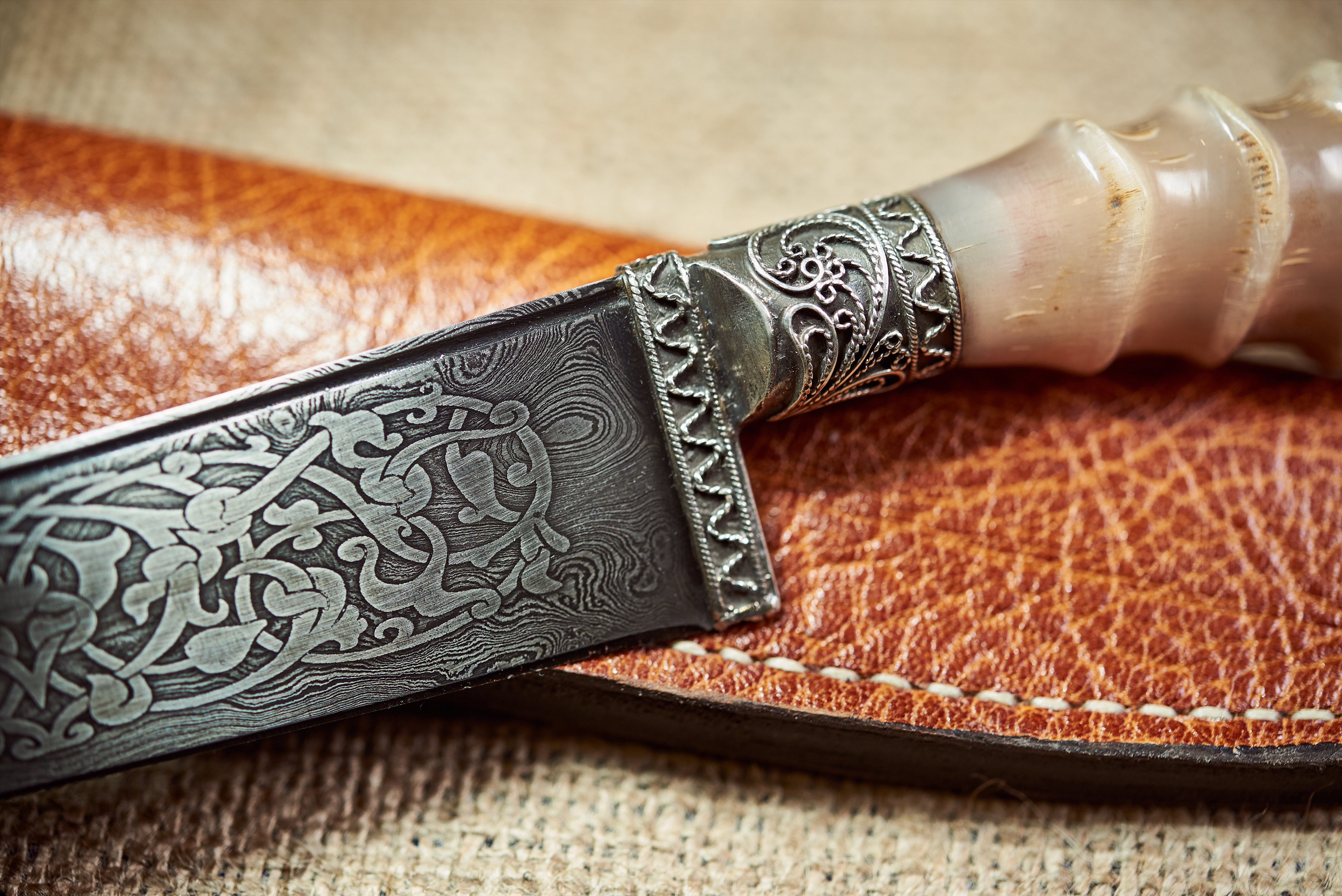
Leather can trap moisture and promote rust. If storing long-term, use a dry sheath or oil the blade and check it regularly.
How do I prevent rust on outdoor and camping knives?
Keep them dry, clean off salt or dirt after use, and apply a thin layer of protective oil. Store in a dry place between trips.
Will stainless knife rust spots come off with baking soda?
Yes, a paste of baking soda and water can lift light rust spots. Rub gently, rinse, dry, and then oil the blade.
Conclusion
Protecting blades takes simple, consistent steps: clean, dry, store, and oil as needed. Adopting these habits will make knife rust prevention automatic and keep your knives functional for years. Start today by choosing one small routine—like drying and oiling after use—and stick to it. Try these tips, share your results, and join the conversation below to learn more about blade care.

Maliha Khatun has spent 5 years hands-on testing Japanese knives for everyday home cooks. She has evaluated over 60 blades across nakiri, santoku, gyuto, and petty categories — scoring each on edge retention, steel quality, handle comfort, and value for money. She writes to help home cooks buy the right knife without the guesswork.
Expertise:Japanese Knives • Vegetable Knives • Product Reviews • Kitchen Efficiency • Knife Care
Leave a Reply