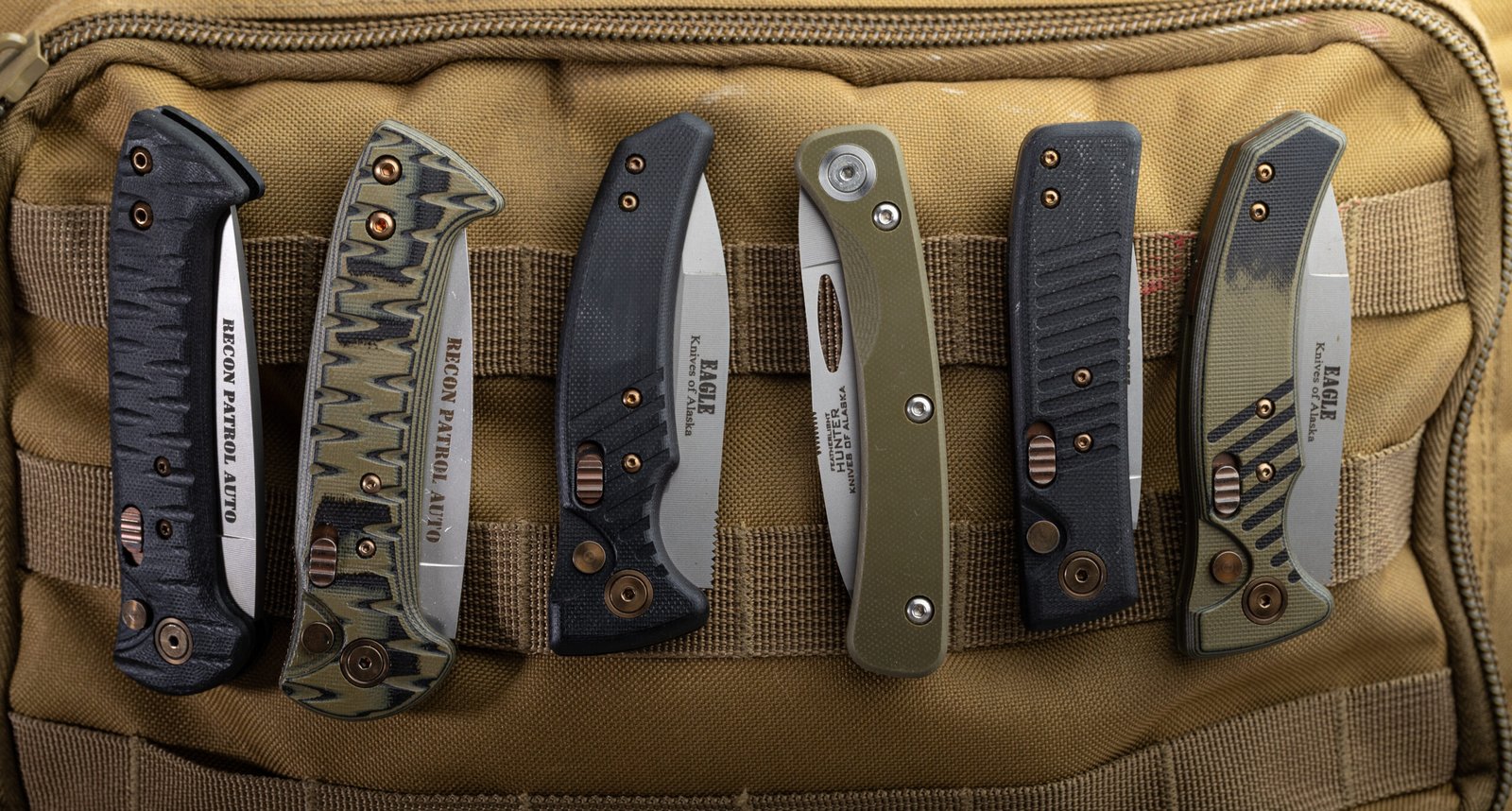
Here is a situation many new Japanese knife owners run into: the knife is incredibly sharp, but after a few weeks there are tiny chips along the edge. The steel is not “bad”. It is just very hard, and hardness comes at the cost of toughness.
Toughness is a blade’s ability to absorb shock without chipping or cracking. Hardness is its ability to resist bending and wear. You almost always trade one for the other, and understanding that trade is the key to picking a knife that suits how you cook.
What toughness means for knives
Toughness describes how much energy a blade can absorb before it cracks or breaks. It’s about resistance to impact, chipping, and sudden loads. Toughness is not the same as hardness or strength, though the three are related.
When knife toughness explained is clear, you can predict how a blade will behave in use. A very hard blade holds an edge but can chip if it lacks toughness. A very tough blade resists breakage but may wear faster. Practical knife performance depends on the right balance.

Hardness versus toughness versus strength
Hardness measures how well the steel resists surface indentation and edge wear. Toughness measures energy absorption and crack resistance. Strength often refers to yield or tensile strength under steady loads.
Key differences:
- Hardness: edge retention and wear resistance. High hardness often reduces toughness.
- Toughness: impact resistance and chip resistance. High toughness often lowers edge life.
- Strength: overall load-bearing capability but not a substitute for toughness.
Understanding these differences is vital When knife toughness explained in trade-offs. A folder for daily carry needs different balance than a batoning bushcraft blade.
How knife toughness is measured
There are lab tests and practical tests. Common lab tests include:
- Charpy and Izod impact tests that measure energy absorbed during fracture.
- Fracture toughness (K_IC) tests that quantify resistance to crack propagation.
- Bend tests and drop-weight tests for real-world relevance.
- Hardness tests (Rockwell) to provide context for toughness numbers.
Manufacturers sometimes quote impact energy or relative toughness ranks. In practice, data from labs gives a baseline. Real-world testing by experienced users completes the picture. Remember that how a blade is heat treated affects measured toughness as much as the alloy.
Steel composition and microstructure: why toughness changes
Toughness starts in the chemistry and finishes in the heat treat. Key factors:
- Carbon: raises hardness; excess can form carbides that reduce toughness.
- Chromium: improves toughness in stainless steels and supports corrosion resistance.
- Vanadium, niobium, and molybdenum: refine grains and stabilize carbides for better toughness.
- Grain size: finer grains improve toughness. Controlled processing helps here.
- Carbide distribution: large, hard carbides can make steel brittle. Uniform, fine carbides improve toughness.
Heat treatment controls martensite, retained austenite, and tempered martensite. Proper tempering reduces brittle martensite and trades some hardness for much greater toughness. That’s central when knife toughness explained comes down to practice.
Heat treatment: the decisive factor
You can choose alloy and then ruin or refine it with heat treatment. Important points:
- Quench and temper: quenching forms hard martensite; tempering reduces internal stresses and restores toughness.
- Tempering temperature: higher temps increase toughness but lower hardness. The right temp varies by steel.
- Cryogenic treatment: can reduce retained austenite and sometimes improve toughness and edge stability.
- Normalizing and controlled cooling: help refine grain structure and boost toughness.
From my testing, a modest temper at the correct temperature for the steel yields dramatic gains in impact resistance. Many blade failures trace to poor heat treatment rather than poor steel choice.

Real-world implications for different knife uses
Different tasks require different balances. Examples:
- Kitchen knives: prefer edge retention and corrosion resistance; moderate toughness is fine because tasks are controlled.
- EDC folders: need a mix of toughness and hardness. You want chipping resistance for daily tasks.
- Camp and bushcraft knives: toughness is critical. They face batoning, prying, and impacts.
- Tactical or rescue knives: high toughness to avoid catastrophic failure in extreme use.
In my camp testing, thin, very hard blades chipped during batoning. Thicker, tougher blades tolerated abuse and were repairable in the field. That experience is why I recommend matching toughness to expected use.
Choosing a knife: practical checklist
When shopping, use this checklist to assess knife toughness:
- Look for steels known for toughness: 1095 (properly tempered), 5160, CPM 3V, A2, and some stainlesses like 440C with tempered treatment.
- Check heat-treat reputation: reputable makers publish temper ranges and tests.
- Consider blade geometry: thicker spines and full tangs improve toughness.
- Avoid knives marketed only on Rockwell hardness without impact data.
- Read user reports about chipping and fracture rather than only edge life.
This approach helps you find a knife where knife toughness explained fits your real needs rather than marketing claims.

Maintaining and preserving toughness
Toughness can’t be increased in the field, but you can avoid compromising it:
- Don’t use a knife as a pry bar or screwdriver.
- Avoid hard impacts on the tip or edge. Use proper tools for prying.
- Keep a Conservative sharpening angle to avoid thin edges that chip.
- If you reprofile, don’t over-thin the blade. Keep ample geometry for strength.
- Store and dry knives to prevent corrosion that can lead to stress raisers.
From personal experience, a smart user preserves toughness more effectively than any alloy upgrade can.
Simple, non-destructive tests you can use
You can get a rough read without lab gear:
- Flex test: a controlled bend on thin blades will show ductility. Do it carefully and avoid spring steels.
- Edge inspection: microscopic chips or micro-cracks after heavy use signal low toughness.
- Impact history: check for hairline fractures near the tip or choil after hard use.
- User reports and maker testing are probably the safest “test” for consumers.
Avoid destructive tests like breaking the blade to prove toughness. Professional testing is better for definitive answers.
Common misconceptions and limitations
People often confuse hardness with toughness or assume a higher Rockwell number is always better. That’s not true. There are limits:
- No single steel is best at everything. Trade-offs are inevitable.
- Toughness depends on shape and heat treat, not only alloy.
- Manufacturer claims may omit heat-treatment details that matter for toughness.
Being transparent about limits builds trust. I always validate claims by hands-on testing where possible.
Which steels lean tough and which lean hard?
| Steel | Typical HRC | Character |
|---|---|---|
| German X50CrMoV15 | 56 to 58 | Very tough, softer edge, easy to sharpen |
| AUS-8 / AUS-10 | 58 to 60 | Good balance for everyday home use |
| VG-10 | 60 to 61 | Sharp and stainless, can chip on bones |
| White / Blue carbon steel | 61 to 64 | Superb edge, needs care, less forgiving |
| SG2 / R2 powder steel | 62 to 64 | Long edge life, fine grain helps toughness |
These numbers vary with heat treatment, so treat them as a rough guide rather than a rule.
Simple habits that protect a hard edge
- Use a wood or soft rubber board. Glass, stone and bamboo are hard on any edge.
- Do not twist the blade to pop out a cut, especially in squash or frozen food.
- Keep bones, frozen items and hard rinds for a tougher knife or a cleaver.
- Store knives so the edge touches nothing: a magnetic strip, guard or block.
Frequently Asked Questions of knife toughness explained
What is the best way to make a knife tougher?
Proper heat treatment with the right tempering cycle and fine grain control is the most effective way to improve toughness. Alloy selection matters, but heat treatment usually makes the larger difference.
Does stainless steel mean a tougher knife?
Not necessarily. Stainless steels offer corrosion resistance; some are very tough, others are not. Toughness depends on specific stainless alloy and its heat treatment.
How can I tell if my knife is too brittle?
Frequent chipping, tip breakage, or visible hairline cracks after normal use indicate brittleness. Also, very high hardness with little flex suggests low toughness.
Will lowering the sharpening angle improve toughness?
No. Lowering The angle makes the edge thinner and more prone to chipping. A slightly larger angle can increase edge strength and perceived toughness.
Is a softer blade always safer for heavy work?
Softer blades can bend rather than snap, which can be safer in some cases. But softer blades wear faster. The right balance depends on the task and blade geometry.
Conclusion
If you want a knife that forgives mistakes, lean toward tougher steels in the 56 to 60 HRC range. If you want the longest-lasting sharp edge and you are willing to cut with care, harder Japanese steels reward you. Neither choice is wrong. The right one depends on your board, your cooking and how gentle you are with your tools.
Maliha Khatun has spent 5 years hands-on testing Japanese knives for everyday home cooks. She has evaluated over 60 blades across nakiri, santoku, gyuto, and petty categories — scoring each on edge retention, steel quality, handle comfort, and value for money. She writes to help home cooks buy the right knife without the guesswork.
Expertise:Japanese Knives • Vegetable Knives • Product Reviews • Kitchen Efficiency • Knife Care
Leave a Reply