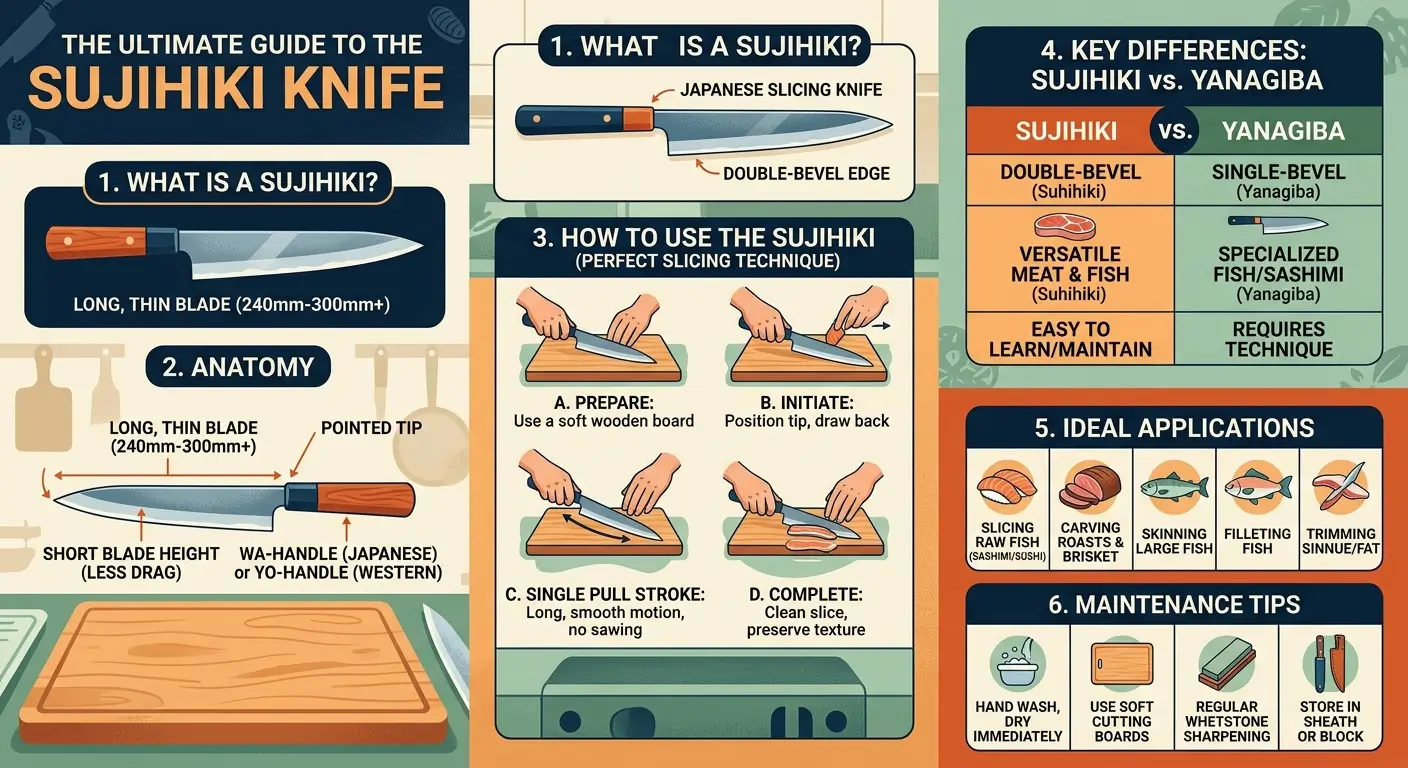
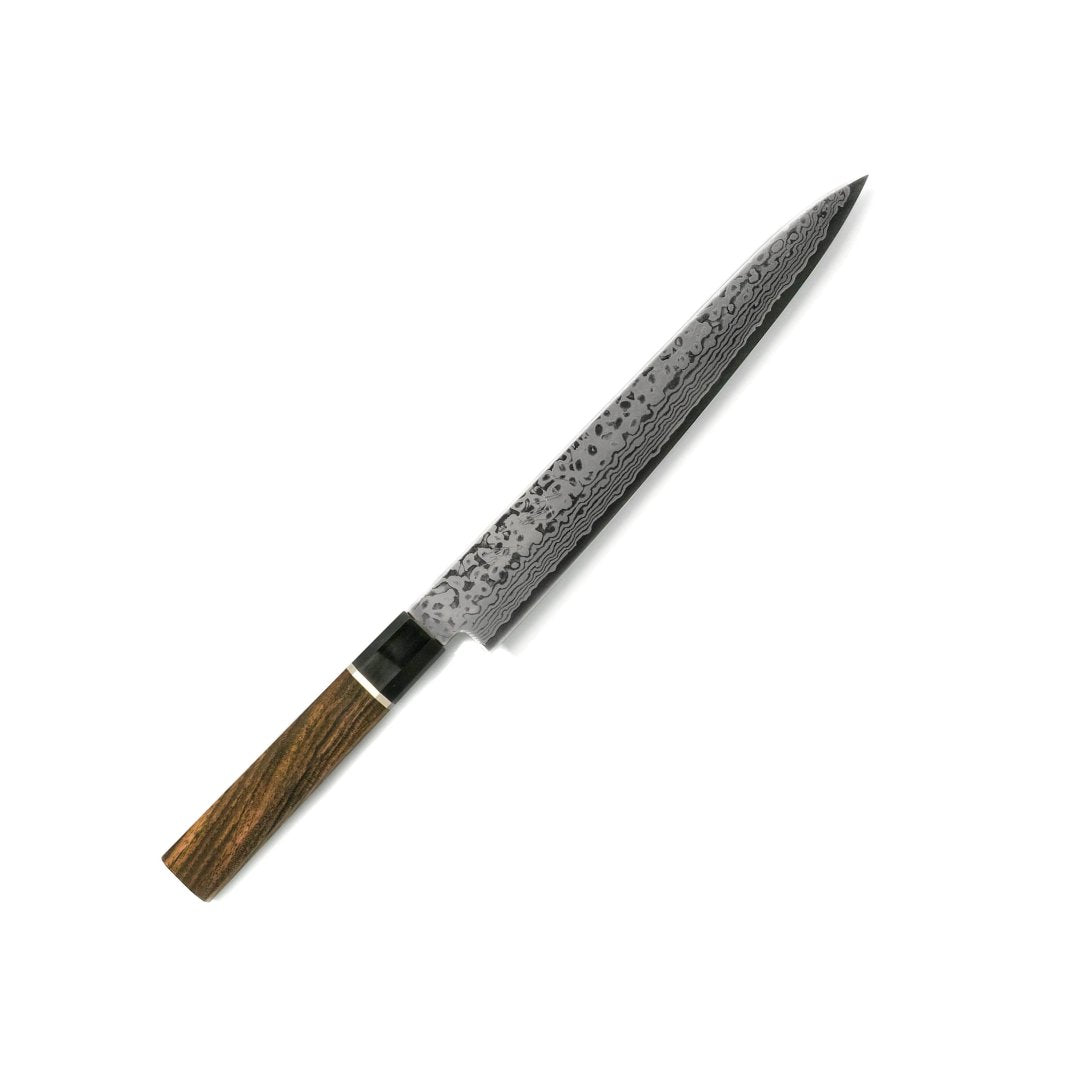
A sujihiki is a long, thin Japanese slicing knife ideal for precise, clean cuts of meat and fish.
I’ve used and tested sujihiki knives in both home and professional kitchens for years. This sujihiki knife guide shares clear, practical advice on choosing, using, sharpening, and caring for these knives. Expect step-by-step tips, real-world lessons, and crisp explanations that will help you pick or master a sujihiki with confidence.

What is a sujihiki knife?
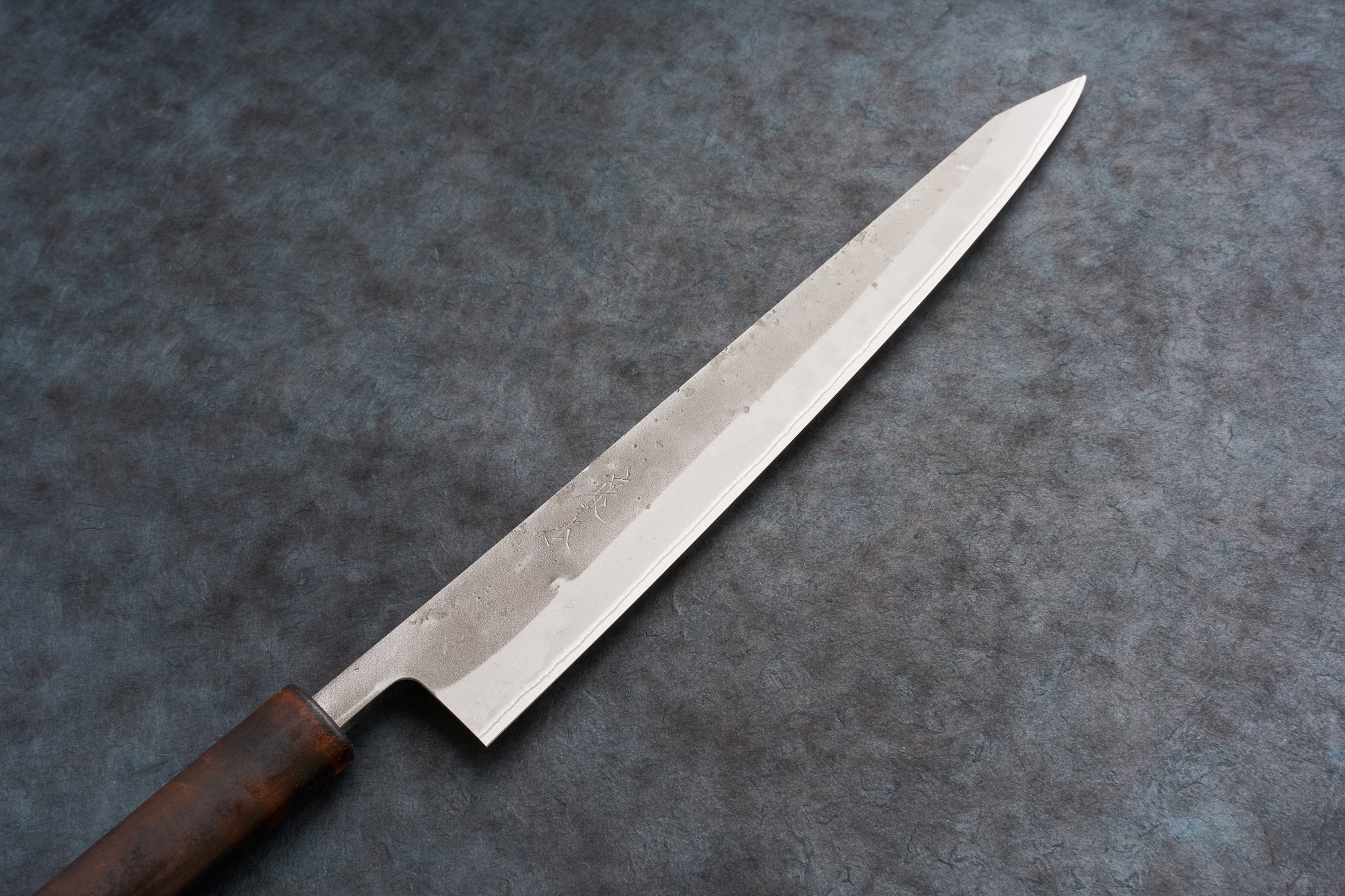
A sujihiki is a Japanese-style slicing knife built for long, smooth cuts. It has a narrow, straight blade that reduces drag and minimizes damage to delicate foods like fish, roast, and sushi. The blade length usually runs between 9 and 12 inches, giving reach and control for full, single-stroke slices.
Sujihiki knives can be double-beveled for general use or single-beveled in traditional forms for ultra-fine slicing. Knowing the blade type helps you match the knife to tasks and sharpening needs. This sujihiki knife guide starts with basics so you understand why shape and grind matter.
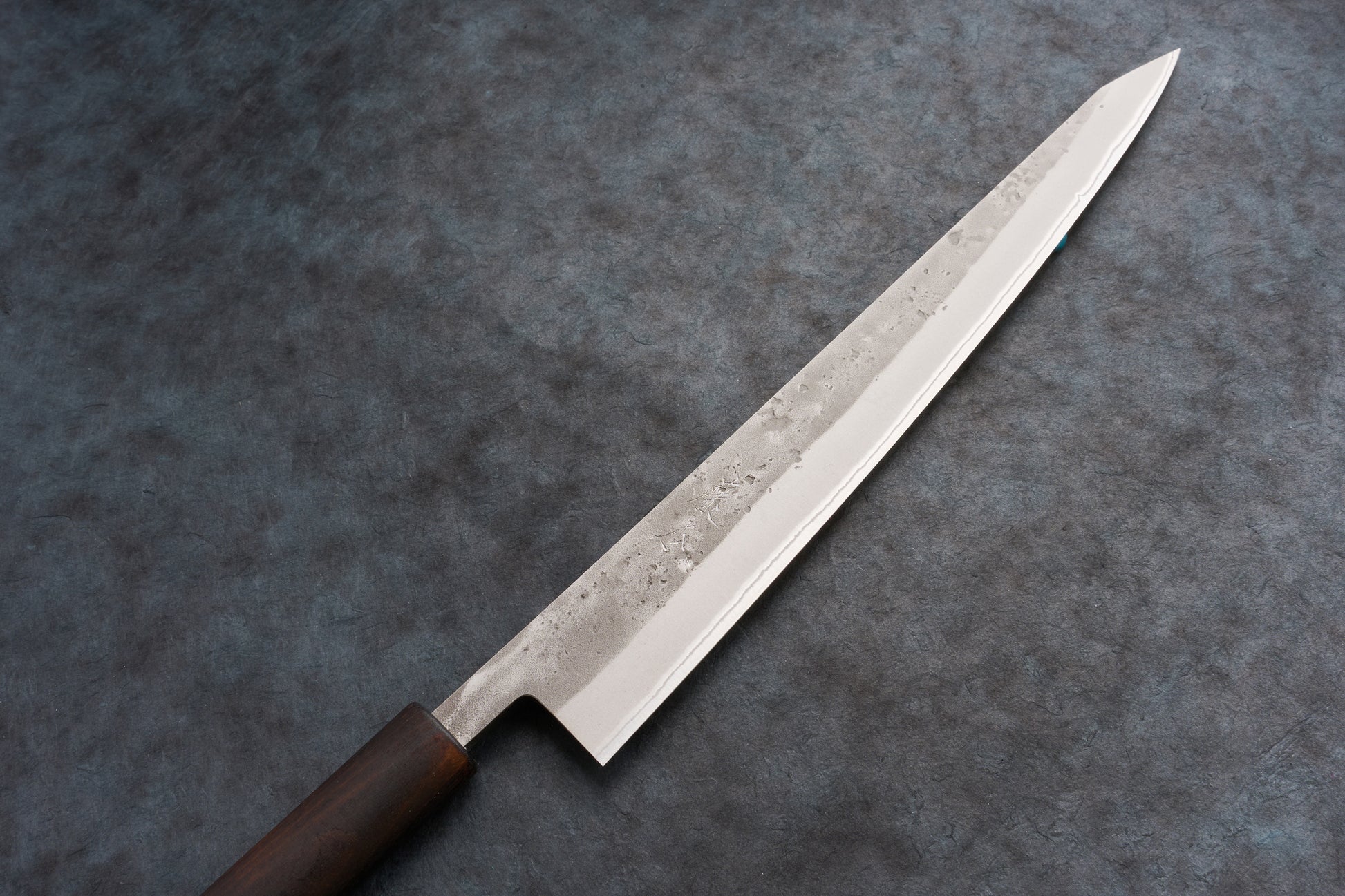
Sujihiki knife types and materials
Sujihiki knives come in different grinds, steels, and handles. Common options include double-beveled Western-style sujihiki, which suits most cooks, and single-beveled Japanese-style blades favored by sushi chefs. Choose based on how you cut and how much maintenance you want.
Materials affect sharpness, edge retention, and care needs.
- High-carbon steels offer razor edges and easier sharpening but require careful drying to avoid rust.
- Stainless steels resist corrosion and are lower maintenance, though some don’t hold an edge as long.
- Powdered or powdered stainless steels strike a balance with excellent edge life and good corrosion resistance.
Handle styles vary. Look for a comfortable grip and a secure fit between blade and handle. I prefer a balanced feel where the knife pivots naturally in my hand, and I test that before buying.

How to use a sujihiki knife: techniques and tips
Using a sujihiki is about long, fluid strokes rather than sawing. Aim to slice in one smooth pull or push-slice motion to avoid tearing food fibers. Let the blade’s length do the work; move the food under the blade if needed.
Keep a few technique basics in mind.
- Hold the handle firmly and guide the blade with your index finger and thumb on the spine or bolster for control.
- Use a stable cutting board and move the board, not the food, for delicate items like sashimi.
- For roasts or cold smoked salmon, remove the knife from the cut after each stroke, then re-position for the next slice to keep even thickness.
From my experience, practicing on chilled roast beef or salmon improves control quickly. Start with thicker slices and work toward thinner ones as your confidence grows. This sujihiki knife guide emphasizes practice and patience.
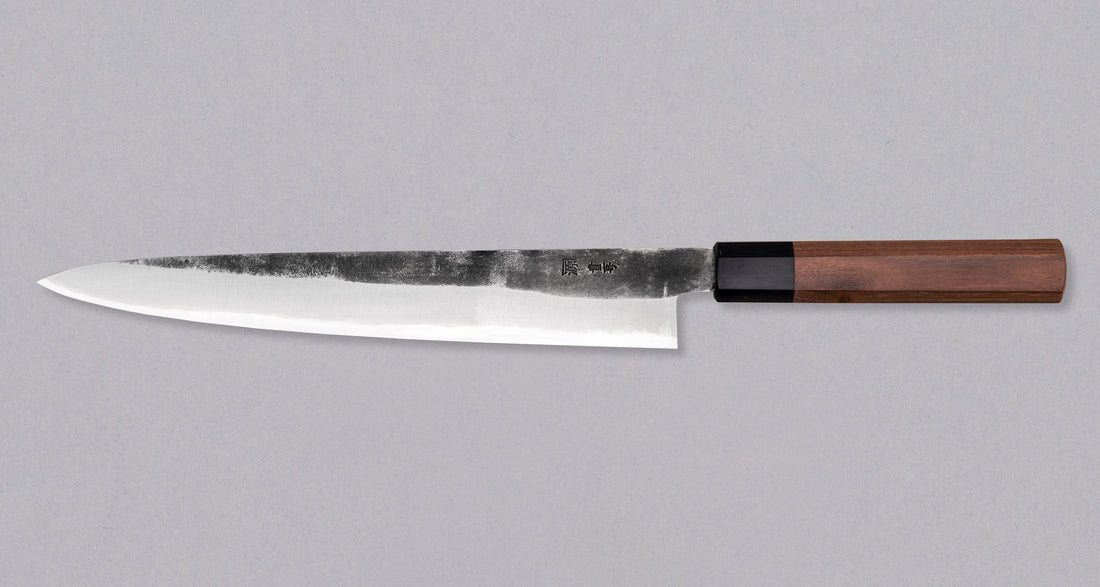
Sharpening, honing, and maintenance
Sharpen sujihiki knives with a water stone for best results. For double-beveled blades, maintain around a 15–20 degree angle per side for a keen, stable edge. Use a coarse stone to reshape, then a fine stone to refine.
Hone regularly with a ceramic rod or honing steel to realign the edge between stones. After sharpening, wipe and dry the blade thoroughly. Avoid dishwashers and acidic soaking; they harm the edge and finish.
Storage matters. Use a magnetic strip, blade guard, or wooden saya to protect the edge and prevent accidents. In my kitchen, a dedicated blade guard saved multiple edges when packing knives for travel.

Buying guide: choosing the right sujihiki knife
Decide on blade length, grind, and steel before you buy. A 9–10 inch blade fits most home kitchens, while 11–12 inch blades work well for large roasts and professional tasks. Single-bevel blades are sharper but need more skill and specialized sharpening.
Consider balance and handle comfort when testing a knife in person. Key buying tips:
- Check the tang and the fit of the handle for sturdiness.
- Test the balance point near the bolster for ease of control.
- Factor in maintenance: high-carbon steel requires more care than stainless.
Expect price ranges that reflect material and craftsmanship. A good quality sujihiki knife is an investment; it can last years with proper care. This sujihiki knife guide recommends handling knives where possible before purchase.
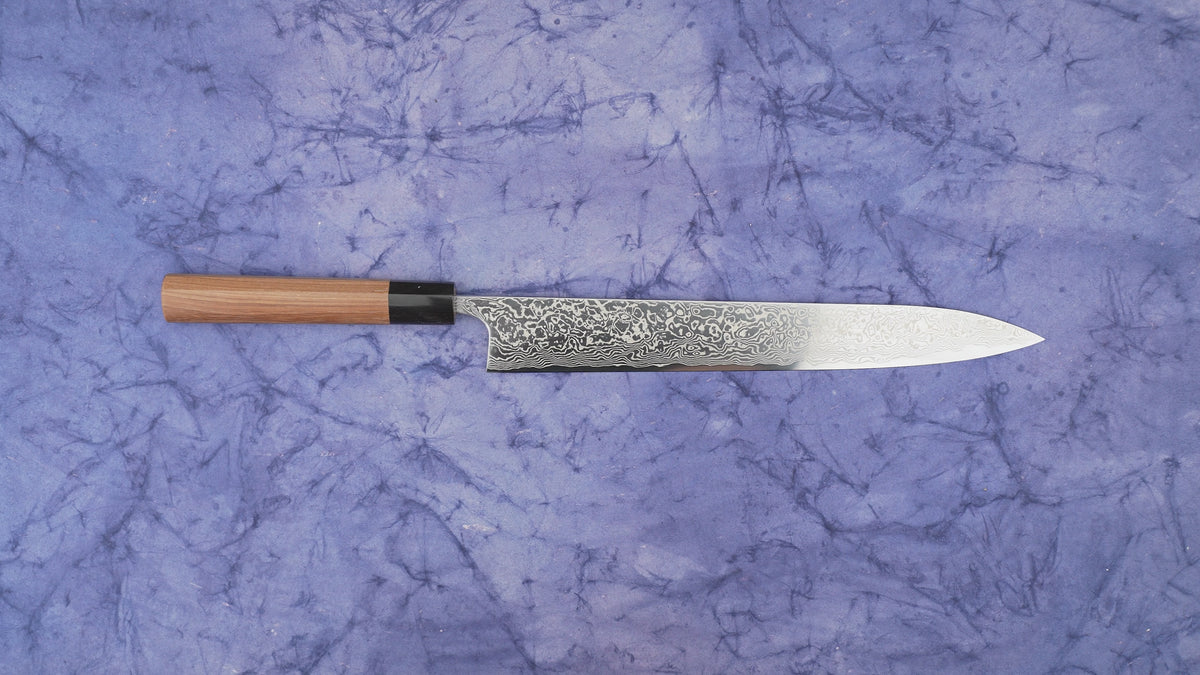
Practical uses and quick recipe ideas
A sujihiki excels at tasks that need long, clean slices. Use it for:
- Slicing roast beef, ham, or turkey into even, paper-thin pieces.
- Filleting and slicing fish for sashimi or sushi.
- Cutting large fruits and vegetables into neat slices for presentation.
Simple recipe idea: chill a cooked roast, then use the sujihiki in a single, steady stroke to cut thin slices. For salmon sashimi, keep the fish cold, use one long pull, and wipe the blade between slices for consistent presentation. These tips from my experience help produce restaurant-style results at home.
Safety and storage
Treat a sujihiki like any sharp tool: focus and respect prevent accidents. Keep fingers clear of the cutting path and use a stable, nonslip cutting board. Wear a cut-resistant glove if you’re just starting or handling slippery items.
For storage, avoid loose drawers that dull edges and invite injury. Use:
- A magnetic knife strip for quick access and visibility.
- A wooden saya or blade guard for drawer storage and transport.
- Proper drawer organizers to keep edges protected.
Routine inspections catch loose handles or chips early. If the blade chips or the handle loosens, stop using the knife until repaired or professionally serviced.

Quick PAA-style Questions
What is the main difference between a sujihiki and a carving knife?
A sujihiki typically has a thinner, longer blade with less belly than a carving knife, designed for smoother, cleaner slices. Carving knives may have slightly more curvature and a thicker profile for different cutting motions.
Can a sujihiki be used to fillet fish?
Yes. The sujihiki’s thin profile and long blade make it excellent for filleting and slicing fish, though a flexible fillet knife can be better for very tight curves. For sashimi, the sujihiki shines due to its ability to create long, clean cuts.
How often should I sharpen my sujihiki?
Sharpening frequency depends on use, but hobby cooks may need stones every few months while professionals sharpen weekly. Hone frequently to extend the time between full sharpenings.
Frequently Asked Questions of sujihiki knife guide
What is the ideal blade length for a sujihiki?
Most home cooks prefer 9–10 inches for versatility and control, while professionals may choose 11–12 inches for larger tasks. Choose based on the size of foods you slice and your comfort with longer blades.
Can I use a sujihiki for vegetables?
Yes, but it excels with proteins and long slices. For intricate vegetable tasks, a chef’s knife or santoku may be easier to handle.
Should a sujihiki be single-beveled or double-beveled?
Single-beveled sujihiki provides a razor edge preferred for sashimi, while double-beveled blades are more forgiving and versatile for general use. Beginners often benefit from double-beveled edges.
How do I maintain the edge on a high-carbon sujihiki?
Wipe and dry after each use, hone regularly, and sharpen on a stone when needed. Store carefully and avoid acidic or salty exposure to reduce corrosion risk.
Is a sujihiki suitable for home cooks?
Absolutely. This sujihiki knife guide supports home cooks who want cleaner slices and improved presentation. With simple practice and proper care, a sujihiki elevates many kitchen tasks.
Can a dishwasher ruin a sujihiki?
Yes. Dishwashers can chip the edge, loosen handles, and accelerate corrosion. Hand wash, dry immediately, and store safely for best results.
How do I test a new sujihiki when buying?
Check balance, handle comfort, and test a few practice slices on cold meat or fish if allowed. Feel for a smooth draw and even weight distribution to ensure a good fit.
Conclusion
This sujihiki knife guide covers what a sujihiki is, how to use it, how to care for it, and how to choose one that fits your needs. Start with a comfortable blade length, practice long pull strokes, and maintain the edge with regular honing and occasional stone work. Try one technique at a time, and you’ll see immediate improvement in slice quality and confidence.
Take action: try a simple slicing session with a chilled roast or salmon this week. Share your results, ask questions, or subscribe for more knife guides and hands-on tips.
Maliha Khatun has spent 5 years hands-on testing Japanese knives for everyday home cooks. She has evaluated over 60 blades across nakiri, santoku, gyuto, and petty categories — scoring each on edge retention, steel quality, handle comfort, and value for money. She writes to help home cooks buy the right knife without the guesswork.
Expertise:Japanese Knives • Vegetable Knives • Product Reviews • Kitchen Efficiency • Knife Care
Leave a Reply